





A small equipment failure in the middle of nowhere? It happens… Better to carry a few accessories and materials for repairs in your backpack. A suitable repair kit turns a problem into a minor setback.
Drawing on considerable experience of hiking and trekking mishaps, RayonRando presents a basic repair kit for equipment breakages. This practical guide helps you assemble a light, effective kit without overloading your pack.
Real examples of equipment failures when hiking
Ah, the Lofoten Islands! A sudden gust flips the tent before we have fully secured it. A minor, harmless incident, but turning it back over reveals a broken pole. This problem is difficult to deal with without a suitable repair kit.
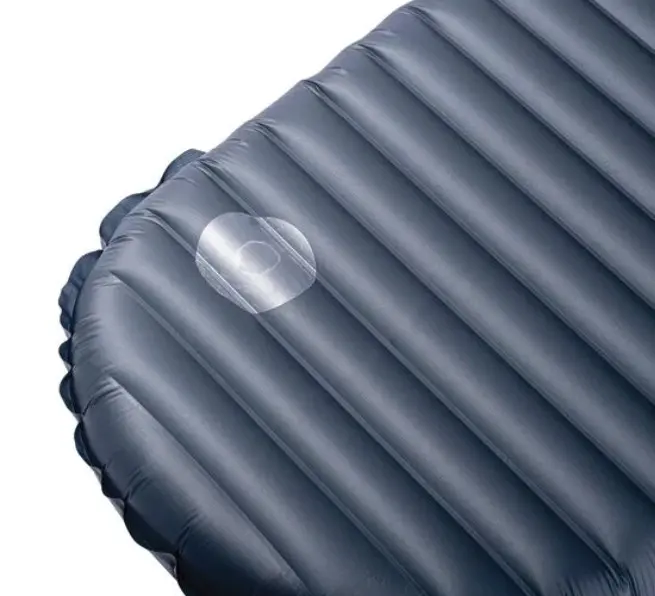
3 days later, at bedtime, I discover that my mat, which worked fine the previous night, is rapidly deflating…
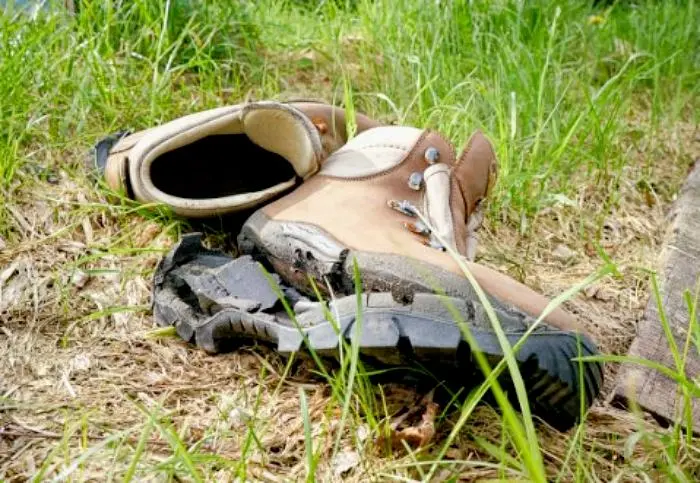
Less amusingly, in the Dolomites, the sole of one of Sophie's shoes suddenly splits away, giving her toes plenty of air on a stony trail…
In all these situations, you need to be able to repair things to continue the adventure, or at least reach civilisation.
What can break when hiking?
Almost everything, in fact:
- The tent: poles, zips, punctured groundsheet.
- A punctured sleeping mat: without thermal insulation, the trek becomes dangerous.
- Footwear (soles, laces): essential for making progress on a hike.
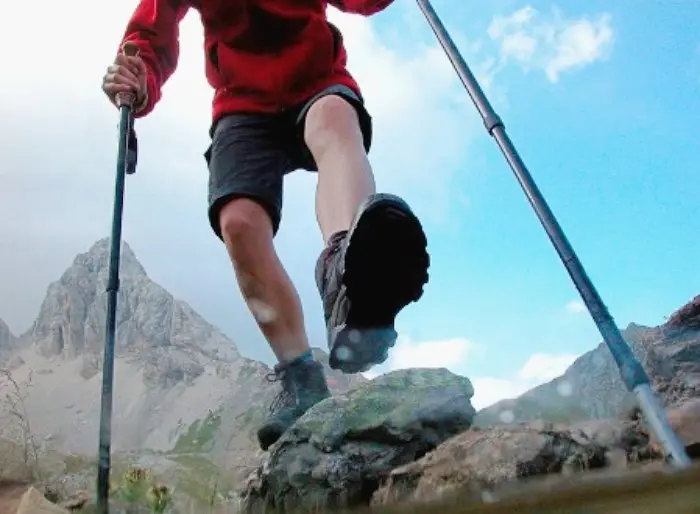
- Poles, which do not cope well with getting trapped between stones on descents.
- Clothing (trousers, rain poncho and so on): snags, tears and broken zips.
- Less commonly, the backpack (buckles, straps).
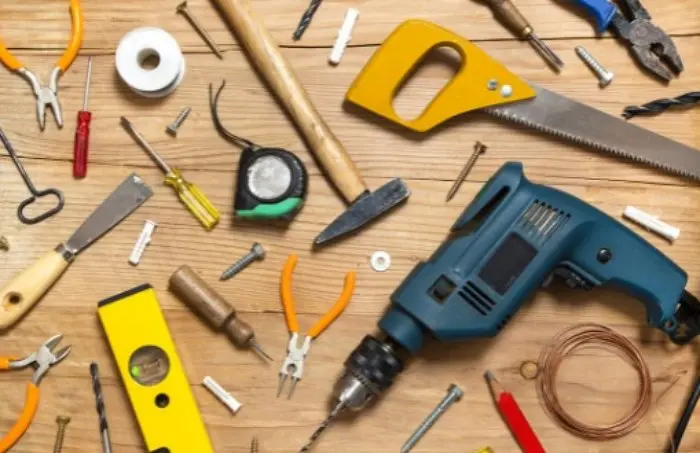
Which repair kit should you carry when hiking?
A repair kit does not necessarily mean much weight or bulk. Some accessories serve a dual purpose, for everyday use and repairs, allowing you to fix things without carrying too much. Here is what I always take on every hike:
The repair kits supplied with your equipment
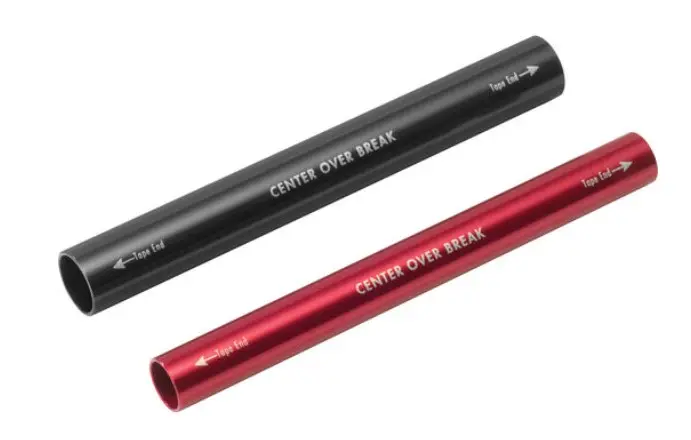
- The tent comes with a small tube slightly wider than its poles. It lets you repair a broken pole section. Without it, the tent is unusable.
- The sleeping mat comes with a small patch kit for repairing holes. These patches are essential for optimal camping comfort.
Adhesives and tape for hiking repairs
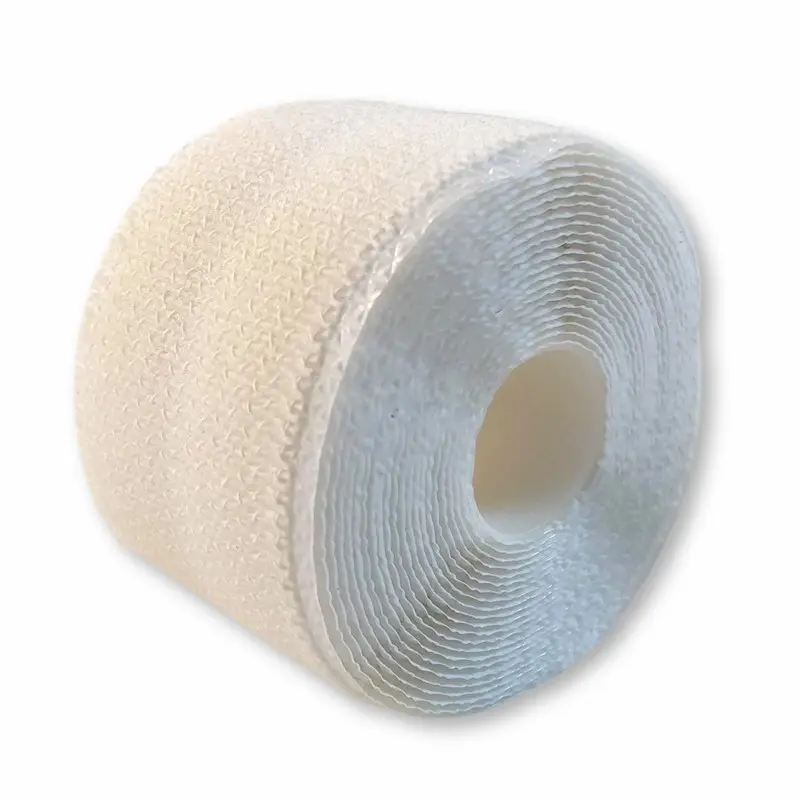
- Elastic adhesive tape and medical tape should naturally be in your first-aid kit… Medical tape wraps easily and sticks fairly well. It can be used, for example, to secure a tent pole repair sleeve, or to reattach a broken-off pole tip. Elastic adhesive tape provides a wider surface. It is particularly useful for covering a makeshift repair (see the concluding example).
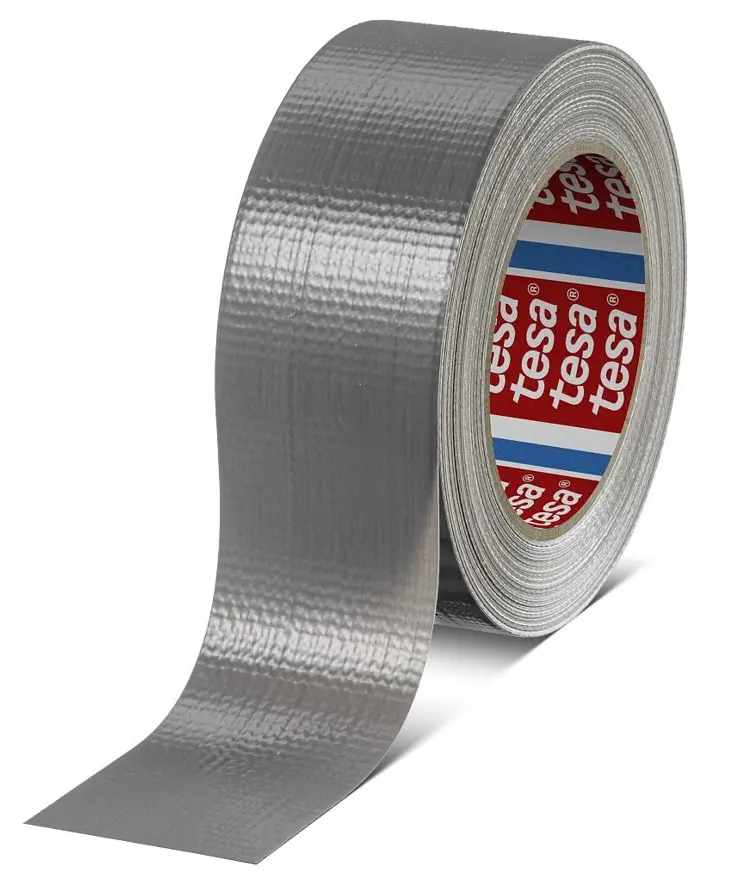
- Chatterton electrical tape or duct tape: these serve the same purposes as elastic adhesive and medical tape, but are even stronger. You can easily find them in DIY shops. Very light, compact formats are available.
- Possibly a self-adhesive patch for tent fabric or clothing. Particularly in rain, this lets you temporarily seal holes in your tent flysheet, waterproof jacket or trousers, and finish your hike.
- I do not find carrying a small tube of glue practical: it may leak and is not always easy to use.
Cord, thread and tools for joining or tying things when hiking
- String. This accessory is essential, light and strong. For everyday use, it can serve as a washing line. But it can also patch up a separating sole, damaged backpack or even a tent pole by wrapping it very tightly around the broken area.
- A shoelace. Take at least one. It is easier to tighten than string and can serve other purposes if needed.
- Thread and needles, including nylon thread. Take at least one sturdy needle for thick fabrics, and possibly a finer one too. Nylon fishing line offers good strength. It is useful for areas under tension. Adding a synthetic fabric patch before sewing may be worthwhile.
- 2 clothes pegs. Useful for drying laundry on a line or your backpack, but also for clamping. I remember a hydration bladder bite valve being torn off and lost, when a clothes peg proved very useful.
- Safety pins. Useful for everything, clothing and equipment alike, and above all for making a quick initial repair until you can do a more thorough job at camp.
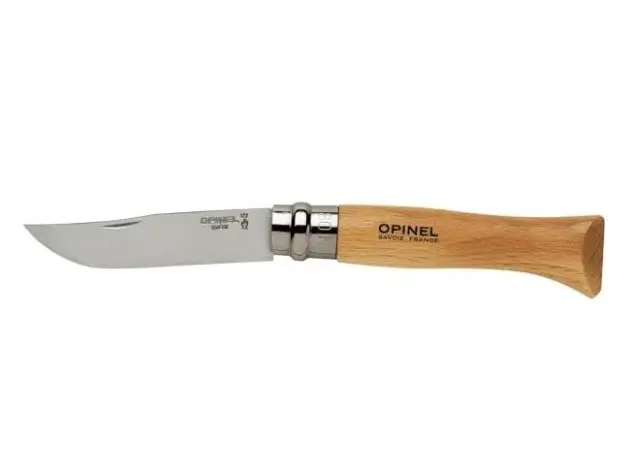
- Of course, your pocket knife must be sharp enough to cut all materials and pointed enough to pierce them. A Swiss Army knife offers more functions, but I find the blade a little small and not very sturdy on standard-sized models.
The particular case of zips failing after being pulled too hard presents an awkward problem. Often, however, the slider's jaws have simply spread slightly. It may be possible to refit the slider and squeeze the jaws together (easier with small Swiss Army knife pliers). This will hold for a while if you do not force it.
Conclusion
The only time I punctured a sleeping mat, I had forgotten my repair patches (even though they came with the mat)… I covered the hole with toothpaste, placed a piece of plastic cut from my e-reader's storage case over it, secured it with medical tape and covered everything with elastic adhesive tape. The mat held for the entire hiking trip. When you fail to plan, you need a little imagination…
For greater peace of mind, carry a small, suitable kit instead. You should be able to cut, pierce, stick, attach, tie or sew. Quite a few functions packed into a handful of accessories that may save the day sooner or later.