





Sometimes the choice between low-cut hiking shoes and high-cut boots is obvious: low-cut for an easy lowland walk, high-cut for a long, self-sufficient trek over very rough terrain.
In other cases, the question deserves thought. Choosing between low-cut hiking shoes and high-cut boots requires several factors to be considered together. We will also discuss mid-cut footwear at the end of the article.
Low-cut and high-cut hiking footwear: the features
Low-cut hiking shoes stop below the ankle, like everyday shoes or running shoes. This gives the ankle plenty of freedom and lets the foot roll easily as you walk. These shoes generally feel light: you forget you are wearing them.
High-cut hiking boots cover the ankle. This provides good foot and ankle support, with a feeling of security and greater stability. Heavier than low-cut shoes, high-cut boots are nevertheless much lighter than 20 years ago, apart from the toughest models.
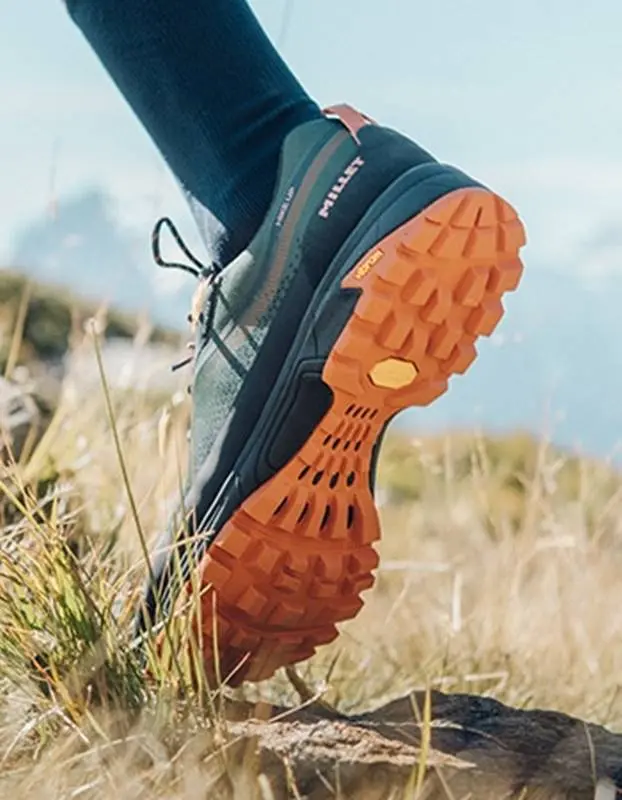
4 criteria for choosing:
Your joints:
Weak ankles? A tendency to twist them? Joint pain in your ankles, knees or hips? High-cut boots stabilise you and put less strain on tendons and joints than low-cut shoes.
Sure-footed? Perhaps used to running downhill? Low-cut shoes will be more pleasant, provided the other criteria are met.
Carried weight and activity duration:
Only carrying a picnic and hiking with a light backpack? If you do not feel much more loaded than in everyday life, low-cut shoes are suitable, provided the other criteria are met.
If you are also going out for just 2 or 3 hours, explaining the light pack, low-cut shoes are even more suitable.
Carrying a fully loaded high-capacity pack? You feel as though you are carrying much more than your body weight. This changes your centre of gravity and puts greater strain on joints, tendons and muscles. In this case, choose high-cut boots, unless you have exceptionally strong joints and plenty of experience.
Heading out for several days, generally with a substantial load? Long days and accumulated fatigue justify high-cut boots that secure and support the foot well.
Terrain:
This is the last criterion, but the most important. On flat ground, or rolling terrain with a regular, firm path, low-cut shoes provide a more pleasant rolling foot motion.
On steep slopes or rough, stony trails, high-cut boots really prove their worth for comfort, security and reduced fatigue.
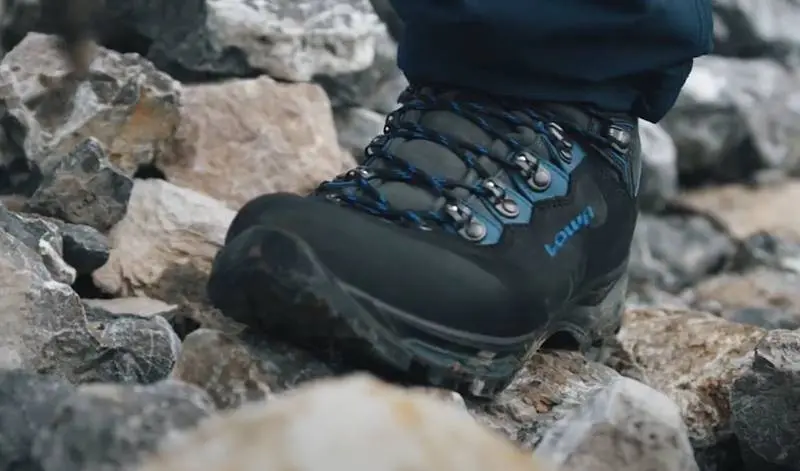
What about mid-cut boots?
Shorter high-cut boots, known as ‘Mid’, generally have 2 eyelets on the upper, compared with 3 on high-cut boots. They share the advantages and limitations of high-cut boots to a lesser degree: greater ankle freedom, but less ankle support. Good foot support is retained, however. A mid-cut boot is slightly lighter than a comparable high-cut boot. It suits those wanting reassurance on easy terrain, or those with strong joints tackling a long outing or demanding ground.

Conclusion:
If you are unsure between high-cut and low-cut footwear, assess your position on these 4 criteria: strong or vulnerable joints, heavy or normal weight, short or long outings — both within a day and across consecutive days — and easy or rough terrain.
If you instinctively favour low-cut shoes because you are unused to high-cut boots, remember that high boots are not a restriction but a comfort in all the situations explained here.
Still unsure? Call RayonRando.