
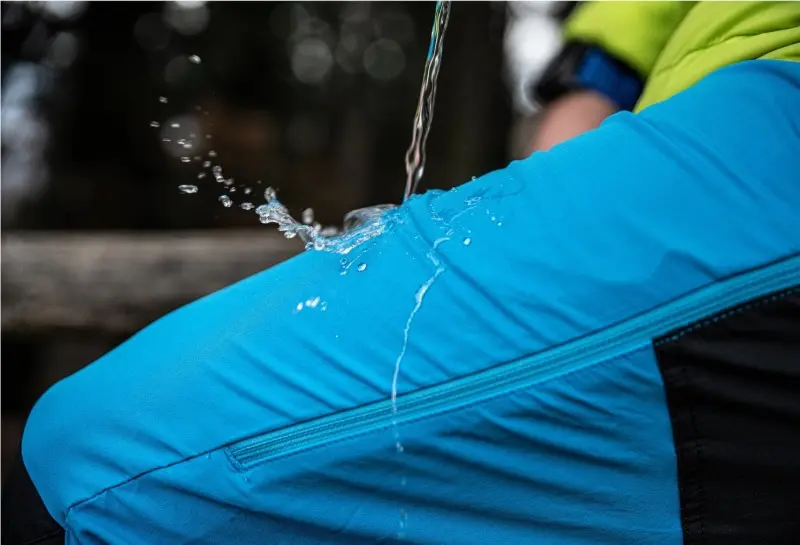
A shower should never be a reason to give up a hike, bike ride or trek. But you need the right equipment. Waterproof trousers must do more than keep rain out: they should preserve freedom of movement, limit perspiration and be easy to put on when the weather deteriorates.

Wondering which waterproof trousers to choose? Should you prioritise breathability, full-length zips or lightweight overtrousers? In this guide, RayonRando presents the essential criteria for choosing waterproof trousers suited to your activity.

What are waterproof overtrousers?

‘Waterproof overtrousers’ is often a more accurate term than ‘waterproof trousers’. The garment is designed to be worn over your hiking trousers or summer shorts.

The cut is therefore roomy enough for layering while remaining flexible enough not to restrict movement. The aim is simple: quick rain protection without changing your entire outfit.

This equipment is particularly appreciated for hiking, trekking or cycling, as it packs easily into a bag and is only put on when needed.

Essential criteria for choosing waterproof trousers

Waterproof, or waterproof and breathable?

All rain trousers are waterproof, but not all are breathable.

Completely watertight trousers would also stop perspiration escaping.

-> The result: you would quickly become wet inside, even without water getting in.

The most technical models use a waterproof, breathable membrane. It blocks rain while allowing some water vapour produced during exertion to escape.

For an occasional walk or brief use, simply waterproof trousers may be enough.

For day hikes, treks, fast walking or cycling, however, waterproof, breathable trousers provide considerably greater comfort.
What waterproof rating should you choose?

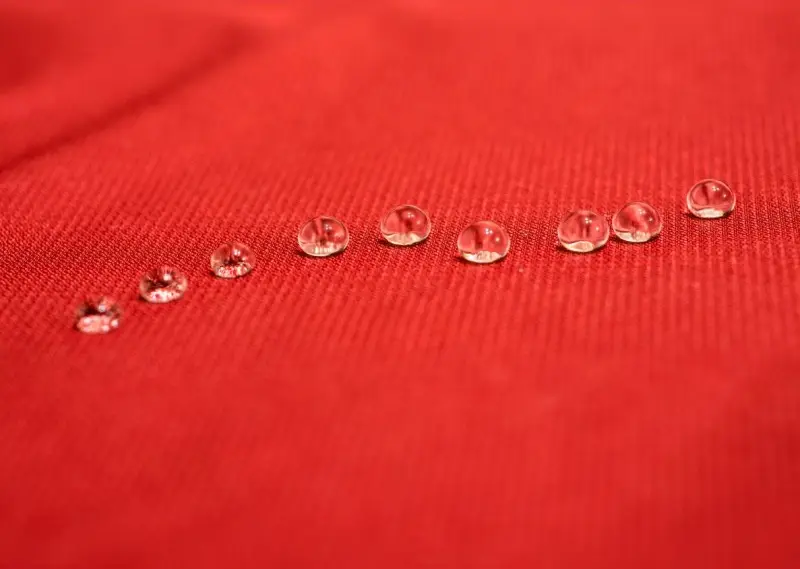
A garment's waterproofness is generally expressed in Schmerbers, also known as hydrostatic head.

As a guide:

  • 5,000 mm: suitable for moderate rain.
  • 10,000 mm: suited to hiking in steady rain.
  • 15,000 to 20,000 mm and above: recommended for intensive use or difficult weather conditions.

Beyond the stated rating, also check that seams are sealed. This is essential to prevent leaks at joins.
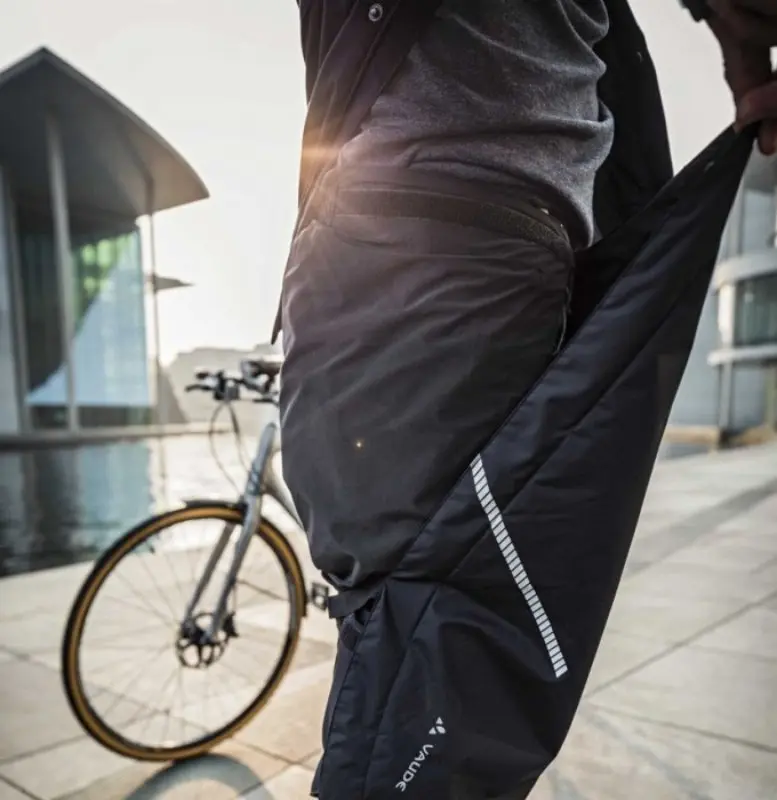
batch_vaude-bike-padded-chaps-waterproof-overtrousers.jpg

Which fabric should you choose?

Do not look for completely watertight oilcloth. For a good balance of waterproofing, flexibility and comfort, hiking and cycling rain trousers are generally made from polyester or polyamide.

A coating or membrane then provides waterproofing, while a water-repellent treatment lets droplets slide off the fabric rather than soak in.

Should you choose full-zip trousers?

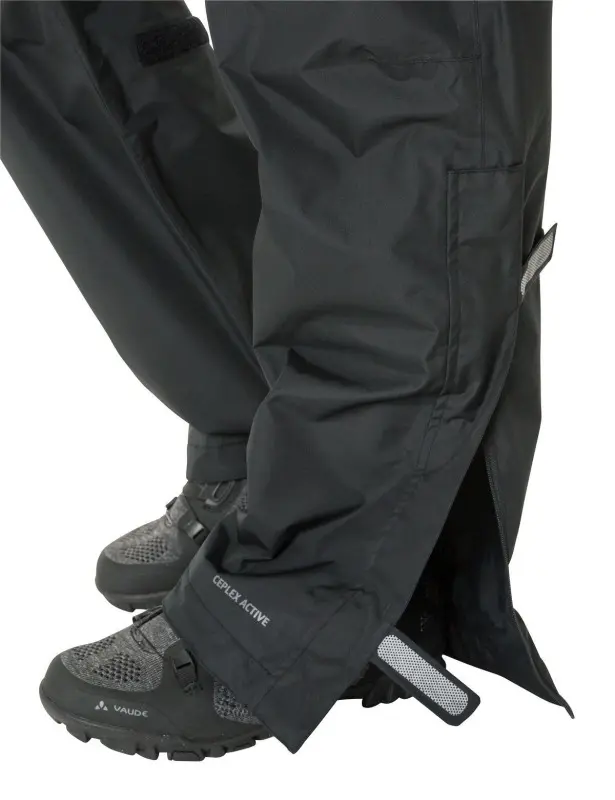
Full-zip trousers have a zip running the full length of each leg. They open completely, letting you put them on without removing your footwear.

When setting off in rain or on soaked ground, this is a real comfort. You save time and avoid getting wetter.

In return, these models are generally slightly heavier than trousers with quarter-length zips or no zips.

For trekking, where every gram counts, this may influence your choice.
Fitted or loose lower legs?

Waterproof trousers generally have a straight, fairly roomy cut to fit over another pair of trousers.

For hiking, this provides excellent freedom of movement.

On a bike, however, overly wide hems may rub against the chain or mudguard. Some models have hook-and-loop tabs to tighten the lower legs, a simple, effective solution for comfortable pedalling.

Otherwise, a trouser clip can also do the job.

Is there a difference between men's and women's models?

The principle is the same: waterproof trousers are designed to be worn over another garment.

Differences mainly concern leg length, waist size and overall dimensions. In most cases, simply choose a model that fits your body shape.

Are reinforcements useful?

Some trousers have seat reinforcements, particularly welcome for cycling.

Others reinforce the inside of the lower legs to limit wear from rubbing.

However, these reinforcements are fairly rare. If you regularly cross scree or use crampons, add gaiters to your equipment: they often withstand this type of abrasion better.

Which size should you choose?

Simply take your usual size.

Manufacturers design waterproof trousers to fit over hiking trousers of the same size. Sizing up is unnecessary and risks a garment that is too loose or long.

Some models even allow slight leg-length adjustment, improving comfort further.

Which waterproof trousers for your activity?

For hiking

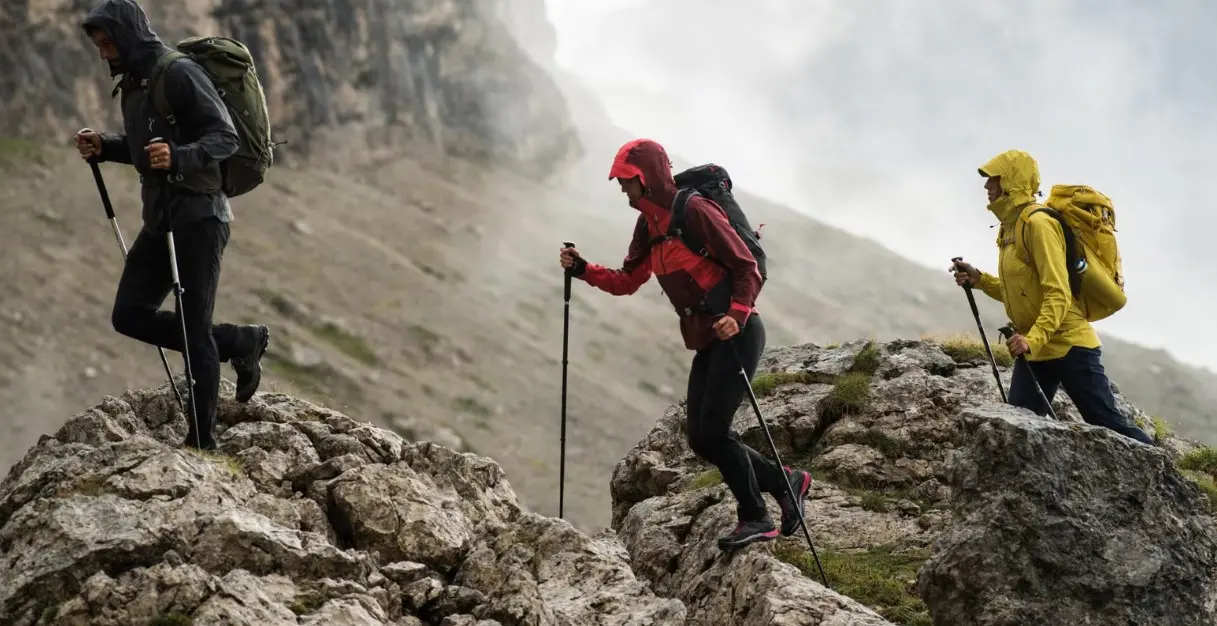
For a hike lasting several hours or days, waterproof, breathable trousers are the most comfortable choice.

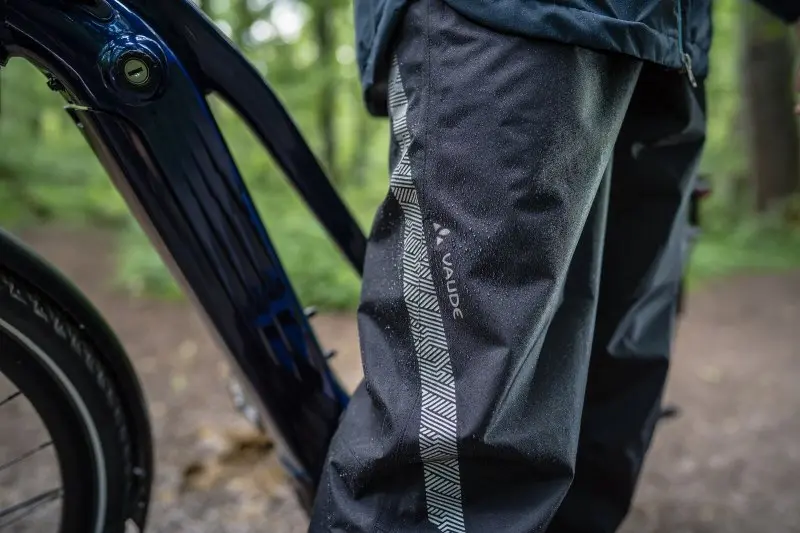
Full-length zips are also a real advantage. They let you put trousers on quickly without removing footwear, particularly welcome when rain arrives suddenly.

With high-cut boots, this system is almost essential.

With low-cut shoes, some hikers prefer quarter-zip trousers. This is possible, but remember that passing muddy shoes through them may dirty the lining, which will then dirty your hiking trousers.
batch_42265_c_1_6__422650100400_2138db27.jpg

For trekking

For trekking, find the right balance of protection, breathability and weight.

If you carry equipment for several days, a few hundred grams can make a difference. Conversely, overly light trousers may be less comfortable on a long day in rain.

Choose a model suited to your route's duration and expected conditions.

For cycling

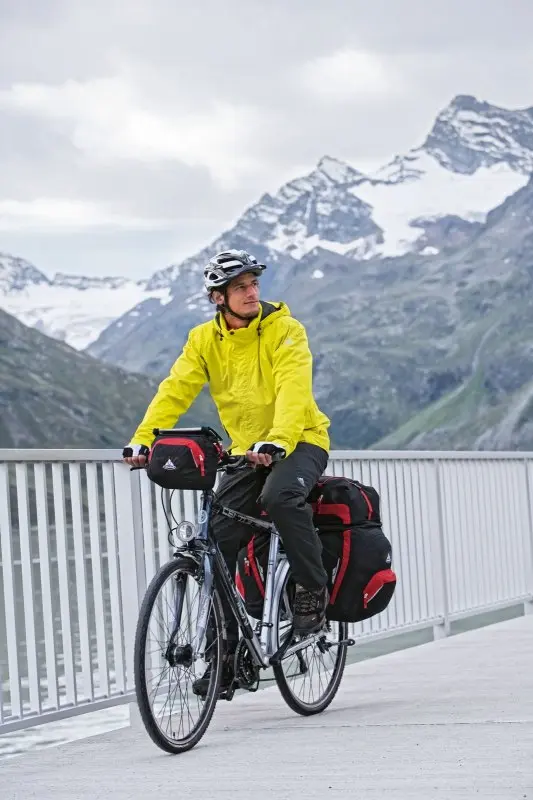
On a bike, rain strikes fabric harder than when walking. Choose trousers with good waterproofing.

Breathability is also welcome, especially for commuting or sporting rides.

Finally, prioritise adjustable lower legs to prevent contact with the drivetrain.
For motorcycling

On a motorcycle, speed greatly increases rain pressure against the fabric. The seated position also encourages water to pool in folds.

Lightweight hiking waterproof trousers are appealing for their small packed size, but do not replace proper equipment designed for motorcycling.
Mistakes to avoid

Some mistakes recur when choosing waterproof trousers:

  • choosing only the cheapest model;
  • sizing up from your usual size;
  • neglecting breathability for sporting use;
  • forgetting weight when trekking;
  • choosing trousers without adjustable lower legs for cycling.

Conclusion

Good waterproof trousers are about more than waterproofing. They should also remain comfortable, breathable and suited to your activity.

For hiking, choose waterproof, breathable trousers with a comfortable cut and, if possible, full-length zips for easy dressing.

For trekking, weight becomes important. For cycling, also consider lower-leg adjustment to avoid rubbing.

RayonRando offers a selection of tested technical waterproof trousers suited to different uses, from hiking to cycle commuting.

FAQ

Do waterproof trousers make you sweat?

All trousers restrict airflow slightly. However, breathable models release some water vapour produced during exertion and are much more comfortable on hikes or bike rides.

What is the difference between waterproof trousers and overtrousers?

They generally describe the same product type. ‘Overtrousers’ simply reminds you that they are designed to be worn over trousers or shorts.

Should you choose full-zip trousers?

If you hike or trek regularly, full-length zips significantly improve comfort. They let you put trousers on without removing footwear, even in driving rain.

Can you wear waterproof trousers directly against your skin?

Yes, particularly in summer over shorts. For prolonged use, lightweight trousers underneath remain more comfortable and reduce clamminess.

What size waterproof trousers should you choose?

In the vast majority of cases, take your usual size. Manufacturers already allow enough room to wear them over hiking trousers.

Product comparison
Compare
Rayon Rando advice