How to choose a hiking sleeping bag

Whether heading out for a few days, a self-sufficient trek or a mountain camp, choosing a sleeping bag is essential. The right model helps you recover after exercise, while a poor choice can make a night outdoors an ordeal.

Comfort temperature, weight, filling, packed size and shape all matter. Here is what you need to know to choose a hiking sleeping bag suited to your activities.

Key points for choosing the right sleeping bag

Several criteria should guide your choice:

  1. The comfort temperature
  2. The weight
  3. The filling: down or synthetic?
  4. The upper-body closure system
  5. The compressed volume
  6. Shape: mummy or rectangular sleeping bag?

The best sleeping bag is not necessarily the warmest or lightest. Above all, find the model best suited to your conditions, activities and sensitivity to cold.

1 – Comfort temperature

Use comfort temperature as your main reference, rather than lower-limit temperature, and certainly not extreme temperature. This is the first criterion when choosing a sleeping bag. 3 temperatures are listed: comfort, limit and extreme.

  • Consider your hiking region, sleeping altitude, overnight conditions (under the stars, tent, hut), season and weather (not just temperature, but bad-weather risks too).
  • Remember: even in temperate areas in summer, temperatures can fall sharply overnight at altitude.
  • Humidity and wind also matter.
  • Sensitivity to cold varies with build and fitness. If you feel the cold, choose a comfort rating slightly below expected temperatures. You will feel colder when tired or hungry.

Even in summer, mountain temperatures can plummet after dark. Wind and humidity increase the feeling of cold.

Which sleeping bag temperature rating for each season?

As a guide:

UseRecommended comfort temperature
Lowland summer+10 to +15°C
Summer mountain hiking+5 to +10°C
3-season hiking0 to +5°C
High-altitude trekking-5 to 0°C
Winter and high mountainsBelow -5°C

If particularly sensitive to cold, choose a comfort rating slightly below the temperatures you expect.


Here is what the 3 ratings mean:

  • Comfort temperature: down to this temperature, someone relaxed on their back is generally comfortable, in thermal equilibrium without feeling cold (determined for a woman weighing 60 kg);
  • Lower-limit temperature: the threshold at which someone curled up in the bag is just on the verge of feeling cold (determined for a man weighing 70 kg under normal use conditions). This position minimises the body surface losing heat;
  • Extreme temperature: the temperature at which potentially fatal hypothermia becomes a risk (determined for a woman weighing 60 kg, curled up under normal use conditions).


The EN ISO 23537 standard

Leading sleeping bag brands now use EN ISO 23537. It ensures identical test methods for every manufacturer, allowing reliable comparisons.

Reliability of manufacturers' temperature ratings. All brands we select provide comfort, limit and extreme ratings complying with European standard EN13537.

This standard offers two assurances:

  • Reliable temperature ratings;
  • Comparability between brands on this criterion.

However, it has a limitation: all bags are tested under identical conditions. Ratings assume someone sleeping in underwear, for example, whereas you will wear more clothing in cold conditions. It does not account for different conditions or individual differences. For more help choosing a temperature rating, read our dedicated article.

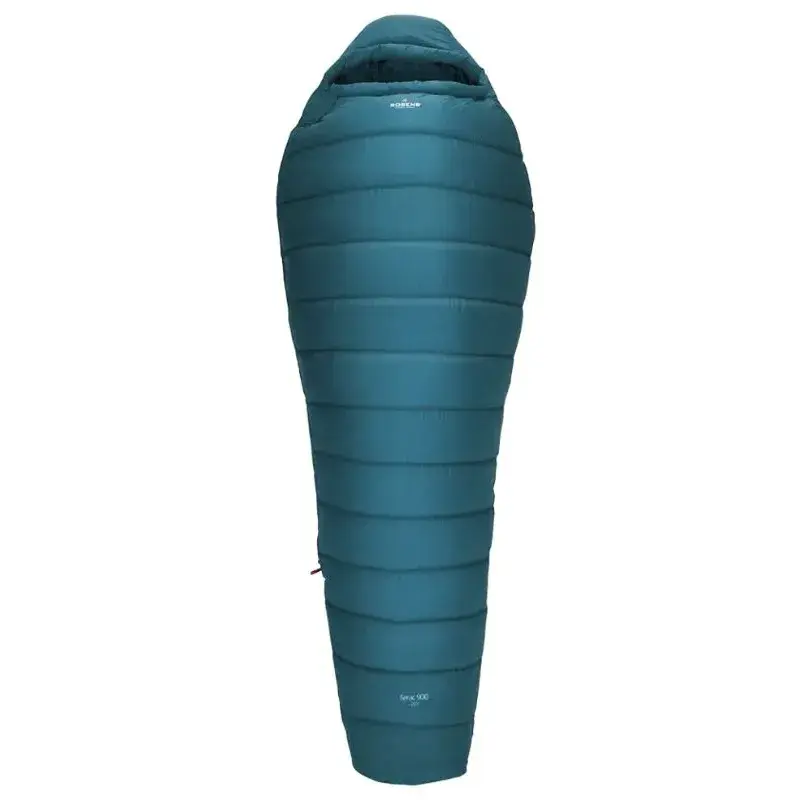
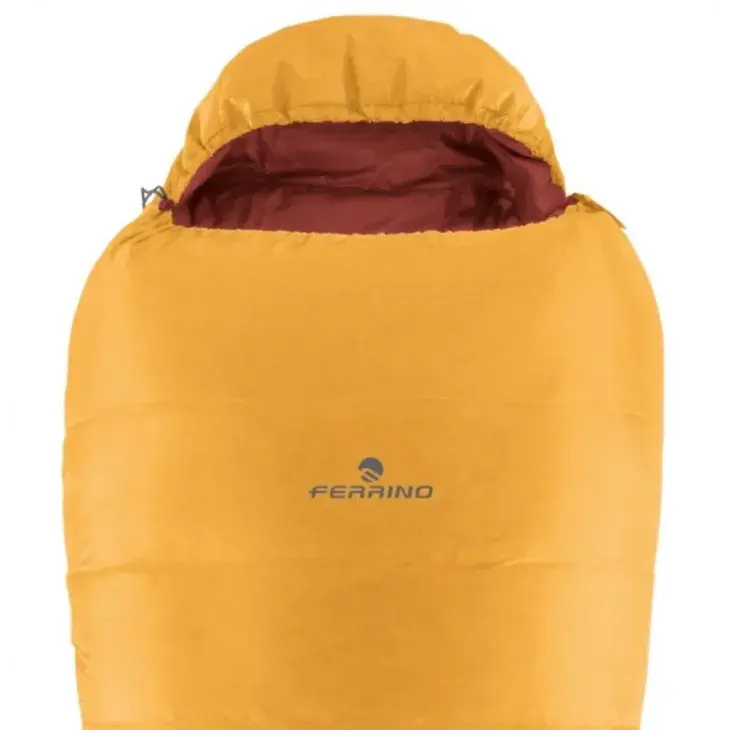
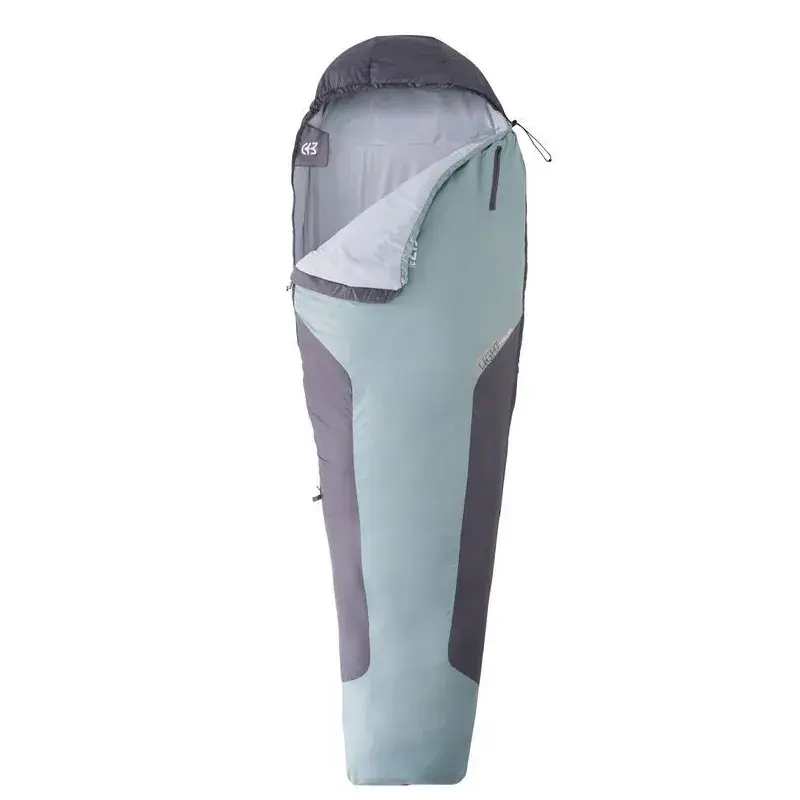
RayonRando has selected 3 sleeping bags for different uses:

Serac 900 -20°C sleeping bag. ROBENS
-12°C / -20°C / -43°C

Lightec 800 down sleeping bag
FERRINO
+3°C / -2°C / -18°C

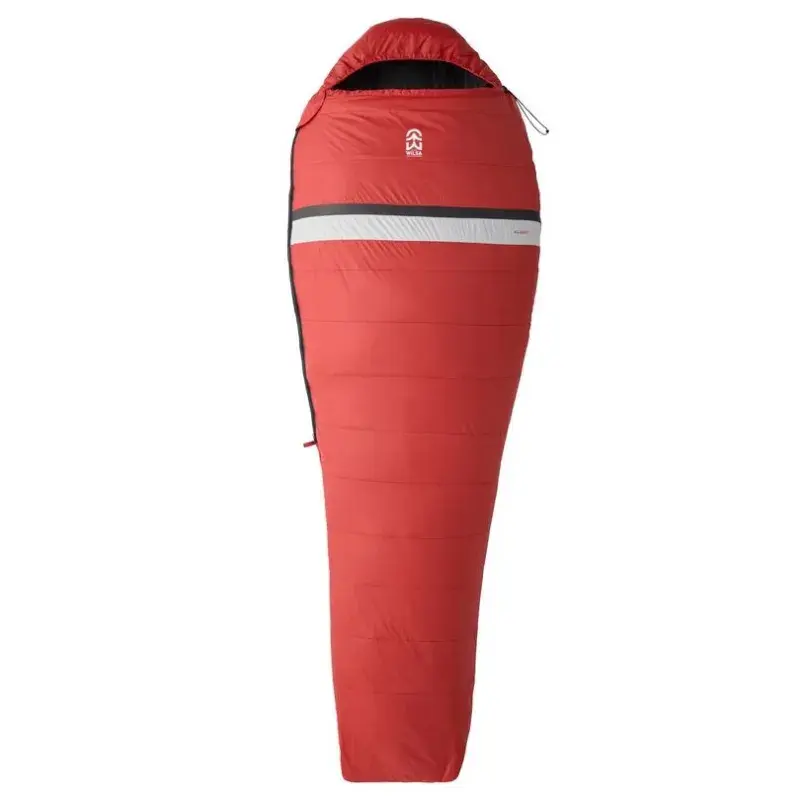
Trail 600 sleeping bag
WILSA
+14°C / +10°C / 0°C

Tip: a silk or fleece sleeping bag liner.

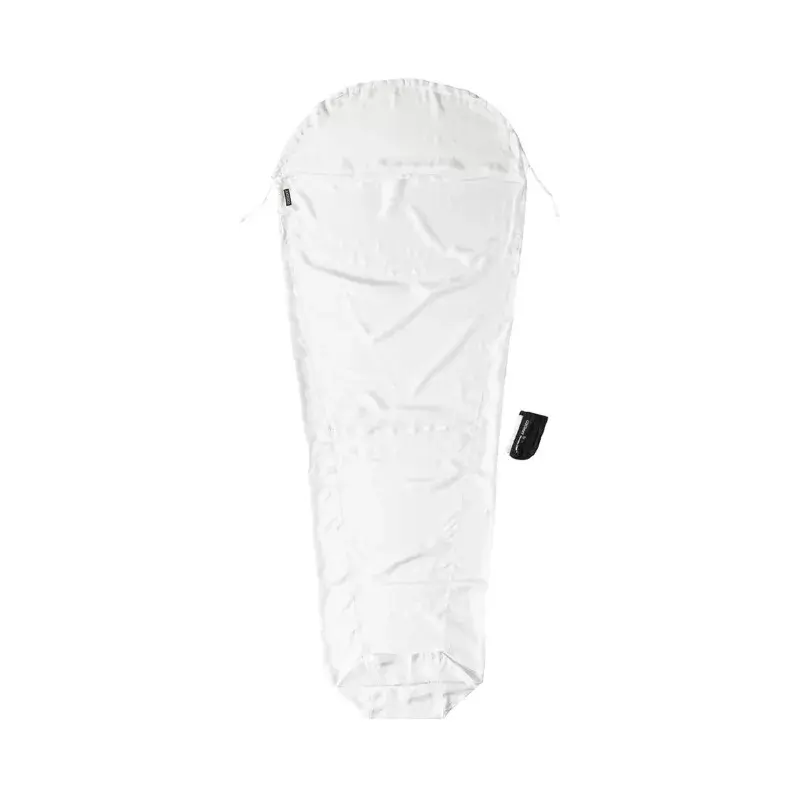
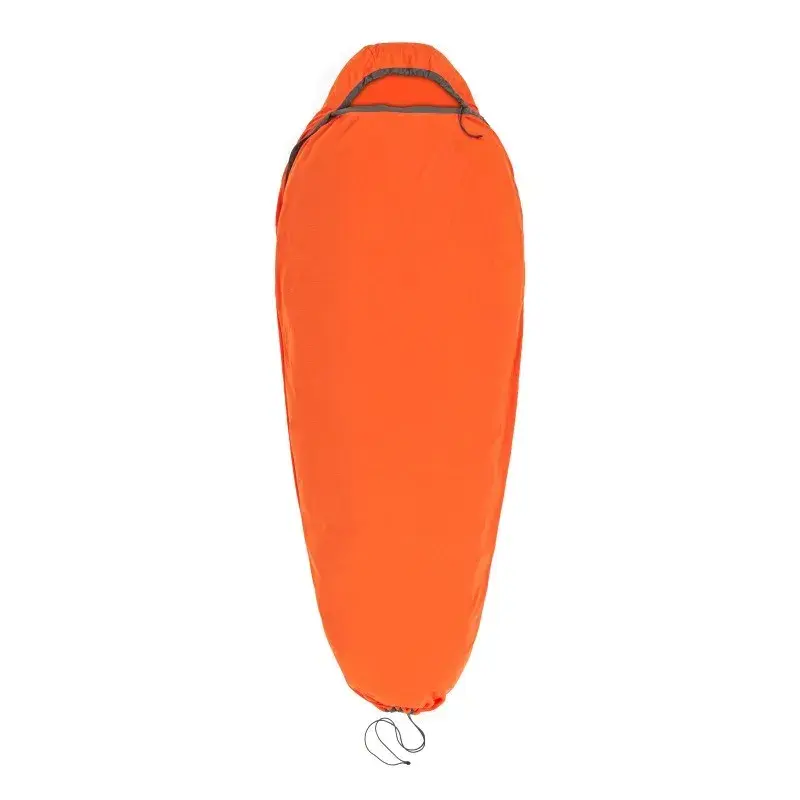
Using your bag in varying temperatures? A mild-weather comfort rating can be boosted with a silk liner or, better still, a mummy-shaped fleece liner (adding several degrees). For extreme cold, however, you need a bag designed for those conditions.

Here is RayonRando's sleeping bag liner selection:

Natural Silk Mummy Liner
COCOON

Thermolite Reactor Extreme sleeping bag liner
SEA TO SUMMIT

2 – Weight:

Weight is particularly important for self-sufficient hiking, trekking and long journeys. Every gram counts when carrying equipment all day. We have created a section for the lightest sleeping bags.

Down sleeping bags offer the best weight-to-temperature ratio.

However, there is no magic solution: you will not find a very light sleeping bag with a low comfort temperature.

Here is a selection of lightweight sleeping bags:

KL 250 Light sleeping bag
WILSA
780 g

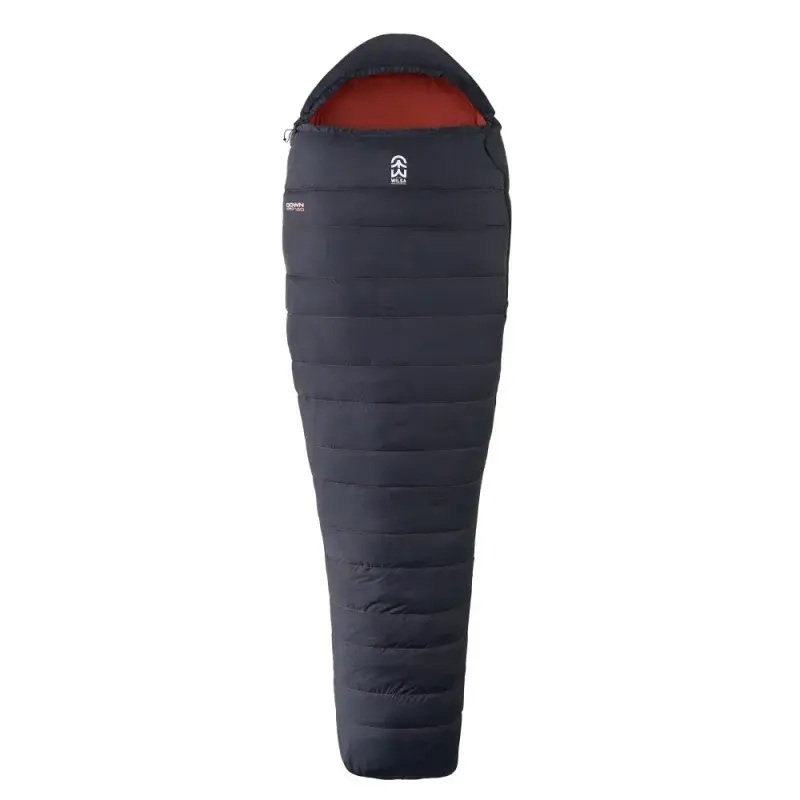
Down Ultralite 150 sleeping bag
WILSA
463 g

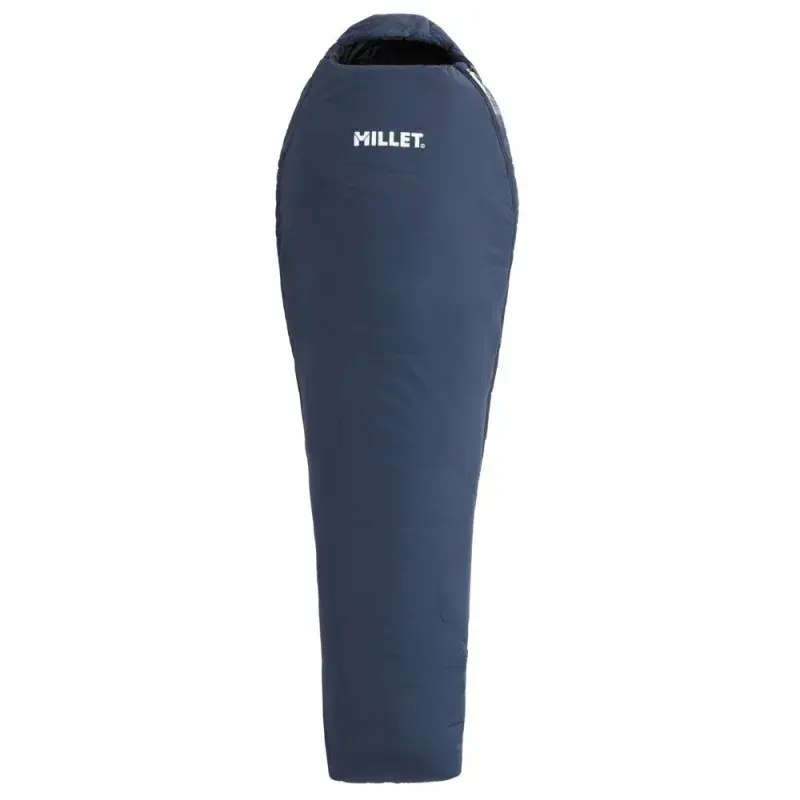
Baikal 600 Reg sleeping bag
MILLET
840 g

3 – Filling:

Filling directly affects weight, compressibility, thermal performance and response to moisture.

Synthetic sleeping bags

Synthetic bags are generally:

  • More affordable;
  • More moisture-resistant, particularly useful if the bag may face bad weather or if sleeping under the stars in a damp area;
  • Easier to maintain.

They retain insulation when slightly damp, making them particularly suitable for humid regions or nights under the stars.

Their main drawbacks are generally higher weight than down bags with equivalent ratings, and lower compressibility.

Down sleeping bags

Down offers many advantages:

  • Excellent thermal insulation;
  • Excellent warmth-to-weight ratio;
  • Small packed size;
  • High compressibility.

Often the preferred choice for long-distance hikes and treks where rucksack weight must stay low.

Wet down, however, loses much of its insulation as clusters stick together. Avoid it if considerable moisture exposure is likely. Down regains its loft once dry. Some models have water-repellent treatments to improve moisture resistance. A windproof, water-repellent shell also protects down. These bags suit light, compact packing without sacrificing warmth, offering an optimal warmth-to-weight ratio.

About down:

  • Fillings use goose or duck down. Percentages indicate down and small feather proportions (80/20 means 80% down and 20% small feathers). Small feathers are essential for optimal down loft. Their proportion varies with the down type.
  • Fill power is measured in cuin (cubic inches), indicating down quality and insulation. The figure is the volume occupied by one US ounce of down (28.35 g). More carefully sorted down has higher fill power.

4 – Closure system:

This prevents warm air escaping and cold air entering through the top of the bag.

Mummy sleeping bags have 2 closure systems:

  • Hood only: all mummy bags have a hood drawcord to adjust the opening closely, leaving only a small part of the face exposed in cold conditions;
  • An internal shoulder baffle in addition to the hood: this insulates the torso, adding comfort by trapping warmth more effectively and allowing the hood to remain open while retaining body heat. Usually found in bags with fairly low comfort ratings (below 5 degrees). Some have an internal padded rim serving the same purpose rather than a full baffle.

The lightest bags often only close at the hood. With comparable comfort ratings, a slightly heavier bag with a shoulder baffle may therefore feel warmer.

5 – Compressed volume:

Important if you want to avoid a bulky bag. Down compresses better and generally packs smaller than synthetic filling.

A bulky sleeping bag quickly occupies much of your rucksack. Down models generally pack most compactly when compressed.

Why does packed size matter?

A compact bag helps you:

  • Organise equipment better;
  • Reduce overall rucksack volume;
  • Improve carrying comfort.

On long hikes, this quickly becomes decisive.

6 – Shape

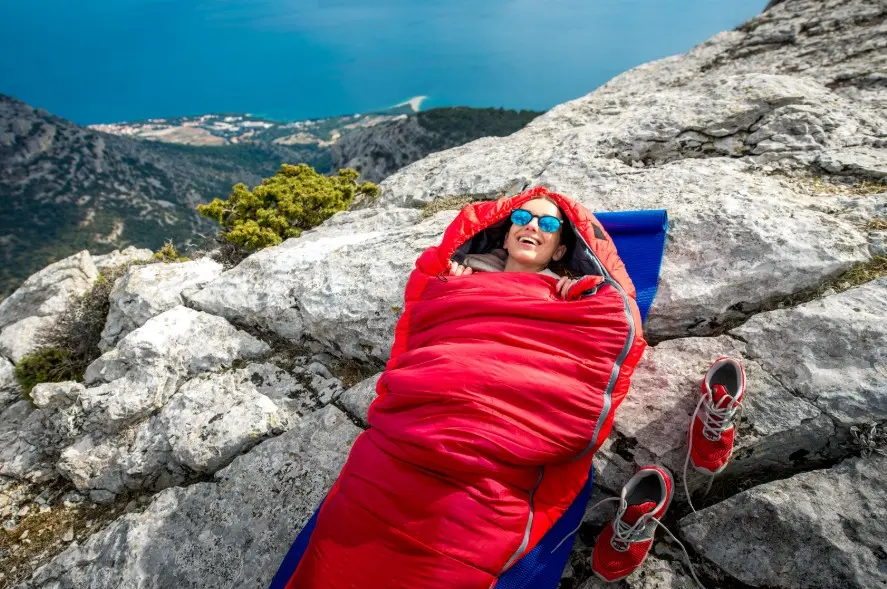
Mummy bags follow the body's contours, optimising thermal protection. They are lighter and less bulky than rectangular bags. Our range mainly comprises mummy bags because this shape best suits hiking.

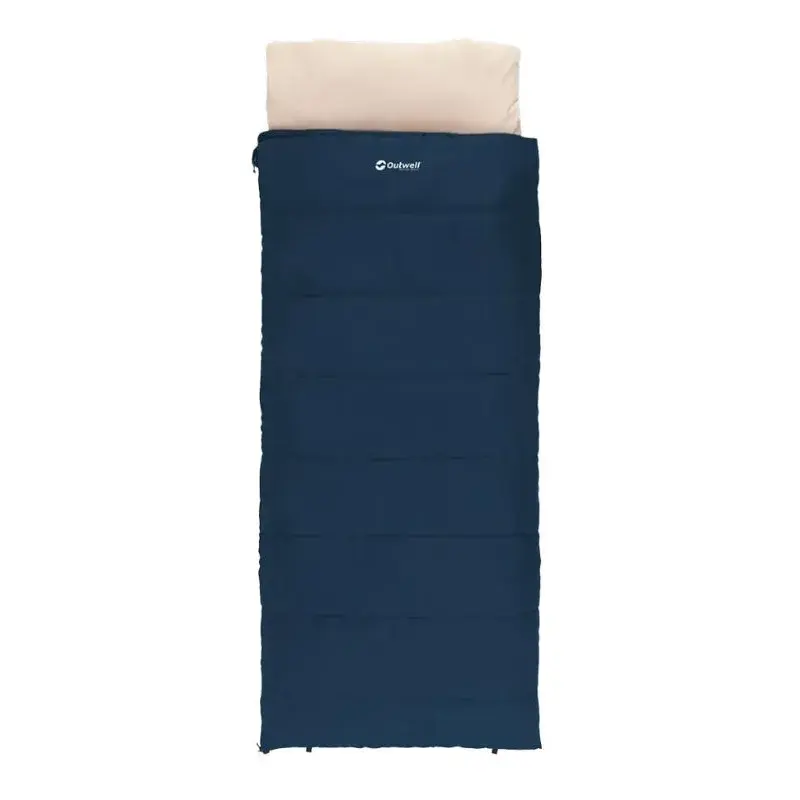
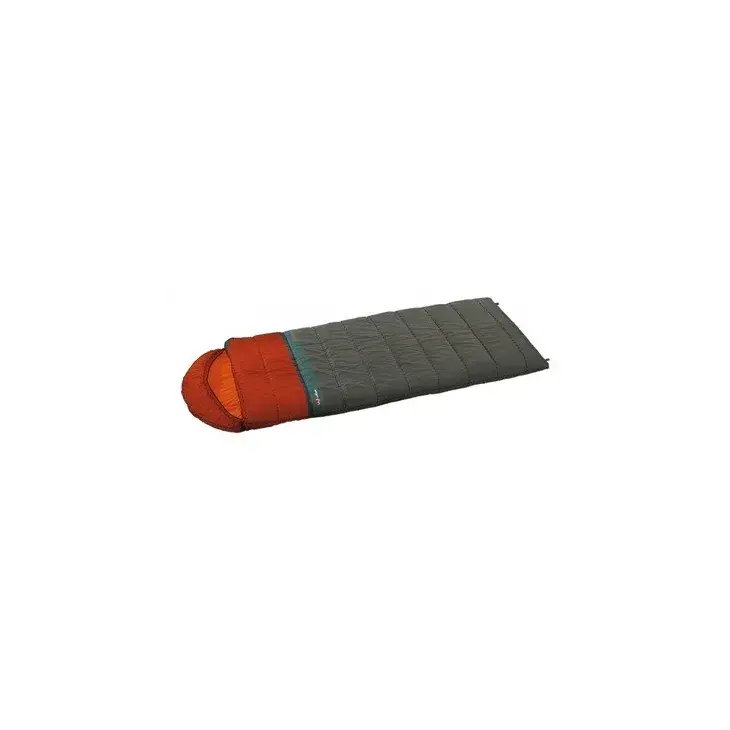
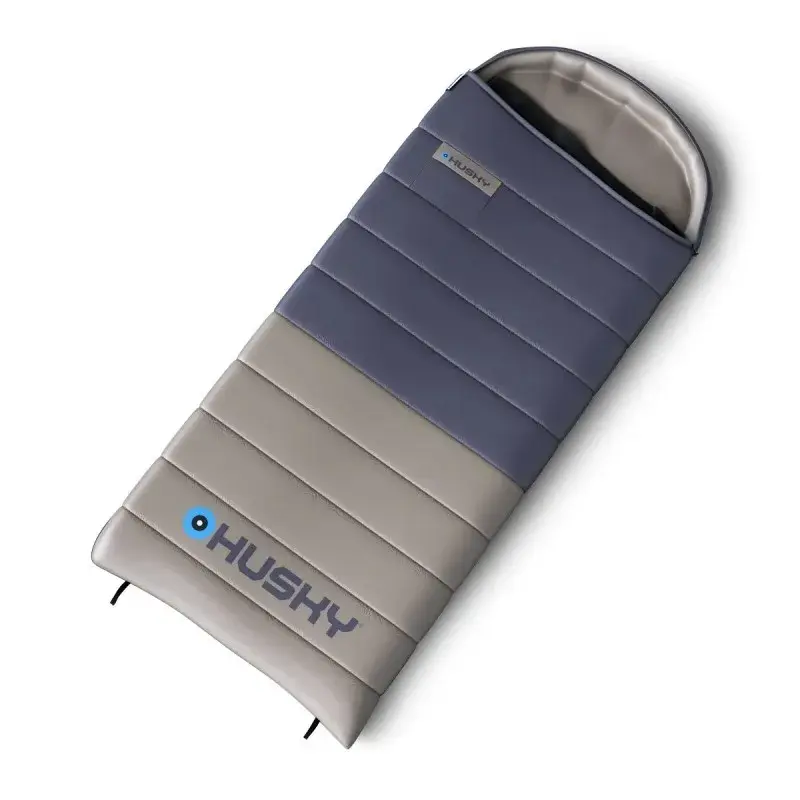
Rectangular sleeping bags feel more spacious around the feet. However, with comparable filling, they provide less warmth because they contain more air. A bag relies on body heat and cannot warm a large air volume. They often lack a hood and are bulkier than mummy bags. Generally best for camping in mild conditions.

Contour Lux Blue L sleeping bag
OUTWELL

Vanoise 190 sleeping bag
WILSA

Drumy -10 sleeping bag
HUSKY

A few usage tips:

  • Good insulation beneath your bag is essential to protect against cold, especially as body weight compresses the filling: a sufficiently insulated sleeping mat is necessary;
  • If your down bag gets wet, air it and dry it as quickly as possible;
  • When not in use, store your down bag outside its compression sack to preserve loft. Your bag can generally be machine-washed cold with a modest detergent dose, but follow the manufacturer's specific instructions;
  • Use a sleeping bag liner whenever possible. By absorbing perspiration, it helps preserve loft longer. Only the liner then needs washing, avoiding washing the sleeping bag itself.

We group sleeping bags primarily by comfort temperature, and also by the following characteristics:

Conclusion

A synthetic sleeping bag suits:

  • Potential moisture exposure (very humid conditions, nights under the stars);
  • An affordable option for short or hut-to-hut hikes, where your rucksack is not too heavily loaded and sleeping bag weight is less important.

A down sleeping bag suits:

  • Long-distance hikes, where low weight and packed size matter;
  • Greater comfort when sleeping under shelter (tent, hut) or under the stars in dry weather.

FAQ

Which sleeping bag temperature rating for summer hiking?

For most summer hikes, a comfort rating between +10°C and +15°C suffices.

What is the difference between comfort and limit temperatures?

Comfort temperature indicates comfortable use, while limit temperature is the threshold where the sleeper starts feeling cold.

Should you choose down or synthetic filling?

Down is lighter and more compact. Synthetics resist moisture better and generally cost less.

Which sleeping bag for a multi-day trek?

A light down bag offering good warmth for its weight is often best.

How much should a hiking sleeping bag weigh?

For multi-day hiking, between 700 g and 1.2 kg generally offers a good compromise.

Why use a sleeping bag liner?

It improves hygiene, protects the sleeping bag and adds a little warmth.

How do you wash a down sleeping bag?

Follow the manufacturer's recommendations and use specialist down detergent.

How should you store a sleeping bag?

Store it in a roomy storage bag to preserve loft.

Is a 3-season sleeping bag sufficient for mountains?

Usually yes, but it depends on altitude, season and expected temperatures.

Which sleeping bag shape is best for wild camping?

A mummy shape remains best for excellent insulation and small packed size.

Product comparison
Compare
Rayon Rando advice