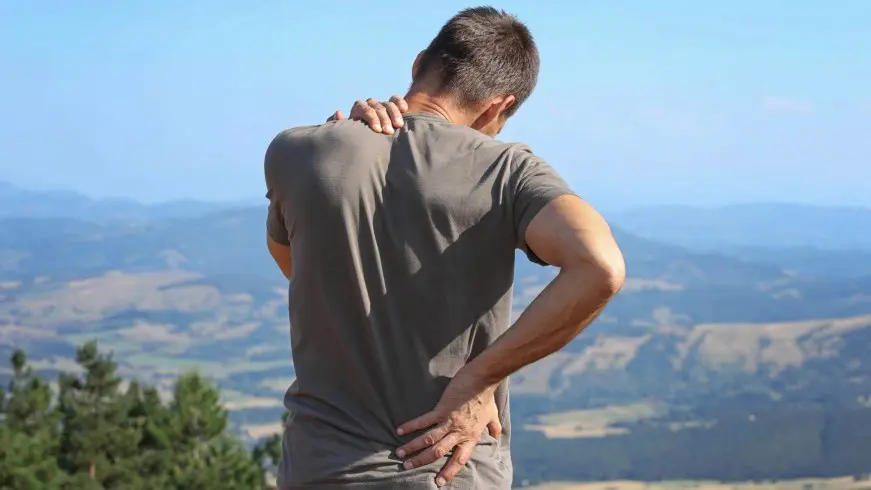
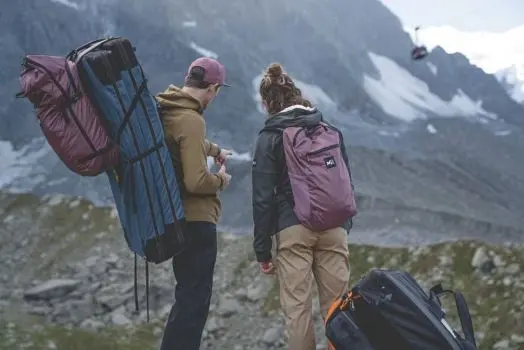
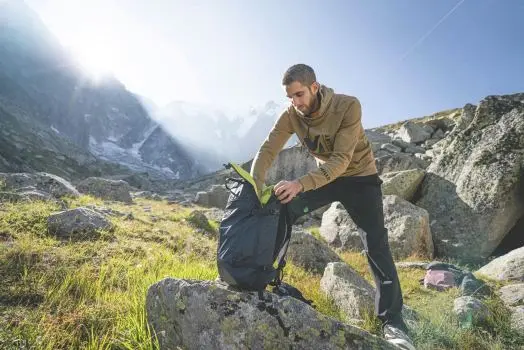
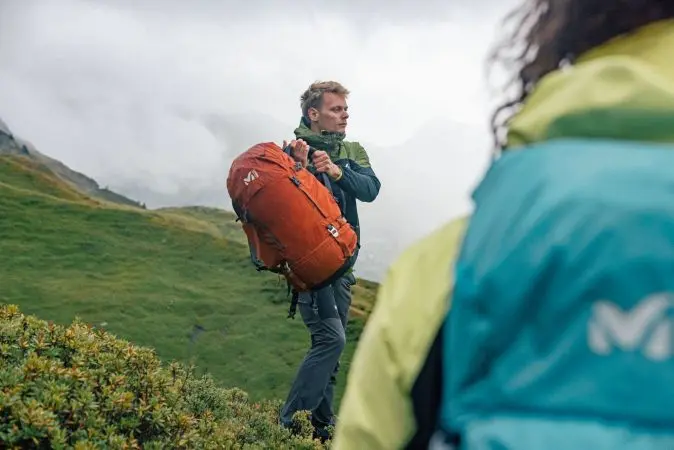
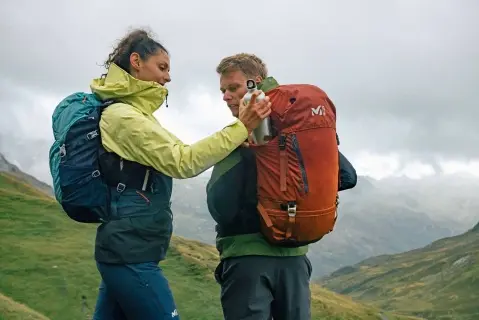
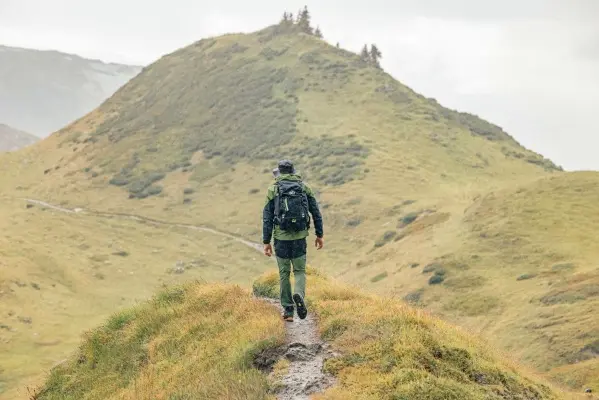
A poorly packed backpack can turn a beautiful hike into real suffering. How you pack is key to comfort.
To understand this fully, identify the discomfort a poorly arranged load can cause:

  • Pain: backache, shoulder and neck tension, muscle pain.
  • Injury risks from imbalance, causing poor footing, falls or twisted ankles and knees.
  • Restricted movement, particularly on rough terrain.
  • Excessive, accumulating fatigue.

In this article, RayonRando.com's experts explain how to pack your hiking backpack properly, considering ergonomics and weight distribution to maximise comfort.

The basics of good packing: understanding backpack ergonomics

Weight distribution: understanding the implications for your body

The impact of backpack weight on your body:
The weight you carry while hiking is unusual for your body. This extra load affects your natural posture. The backpack changes your body's usual balance.
Understanding its effects on your skeleton and muscles is therefore essential, along with how to reduce the resulting tension and pain:

  • Backpack weight affects your muscles. Your body must adapt to this extra weight, placing greater demands on back, shoulder, hip and thigh muscles. Poor packing can quickly cause pain and tension and increase injury risks.
  • Backpack weight affects your skeleton. The spine, hips and knees withstand more pressure and impact with each step, potentially causing imbalance and pain if weight is poorly distributed.

Centre of gravity: the key to master

When carrying a backpack, weight distribution changes your centre of gravity. When standing without a pack, your centre of gravity is naturally just below your navel.

Effective packing should minimise this change. Poorly distributed weight shifts your centre of gravity, forcing you to lean forwards, backwards or sideways to compensate. This creates excessive pressure on areas such as shoulders, back or hips, potentially causing pain over time.

To prevent this, distribute weight to minimise movement of the centre of gravity. This distribution largely determines comfort throughout your hike.

How to pack your backpack: practical steps

Distributing weight properly: priorities

When packing for comfort, the aim is to position weight to keep your centre of gravity as close as possible to its natural position, without destabilising it.

  • Place heavy objects close to your back: distribute weight near your spine so the pack does not pull on your shoulders. Heavy items such as water, stove and food belong centrally and close to your back. A cooking pot can sit along your back if filled with heavy, dense objects (stove, gas cartridge).
  • Place fairly heavy items at navel height: weight can sit near your natural centre of gravity (below the navel). This minimises its displacement and puts most weight on the hip belt.
  • A well-compressed sleeping mat or bag can therefore sit at the bottom of the pack.
  • The tent, often attached outside, is better at the bottom to avoid destabilising your posture. Avoid fastening it on top. Consider putting poles and pegs inside along your back, attaching only the tent fabric outside.
  • Avoid excess weight at the top or rear of the pack: heavy items on top tend to make you lean forwards to compensate, increasing shoulder pressure and harming balance. Similarly, weight at the rear pulls you backwards. Clothing, towels and small light items can go at the top or outer side.

Should you attach items outside your pack?

For stability and freedom of movement, preferably pack everything inside. If unsure about backpack capacity, we therefore think choosing a backpack large enough to hold everything is more sensible than the smallest possible capacity with equipment attached outside.
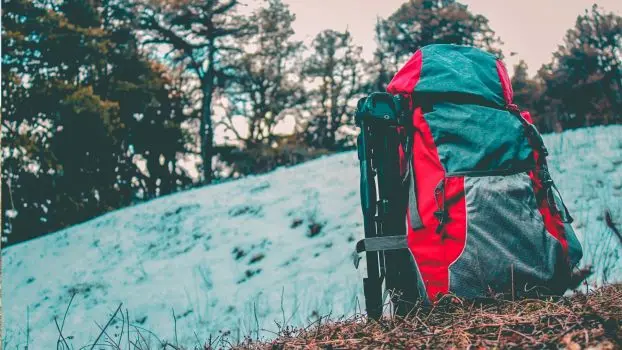
* If items are too bulky for the interior, attach them outside, securing them well. Trekking poles, a tent or spare footwear can be fastened outside using integrated attachment straps.
However,
take care not to overload the outside. Poorly secured items may swing and disrupt balance. Check they are firmly attached to avoid problems while walking.

Using your backpack's secondary compartments and pockets

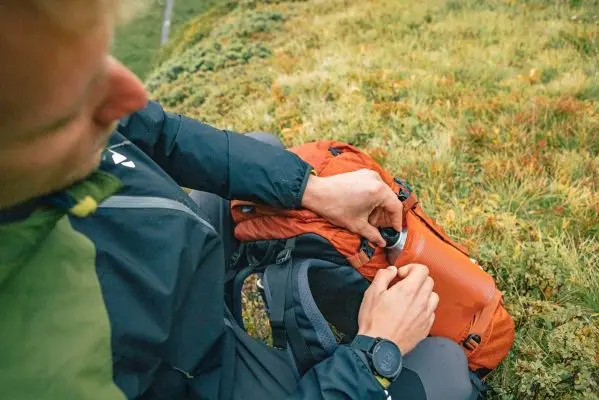
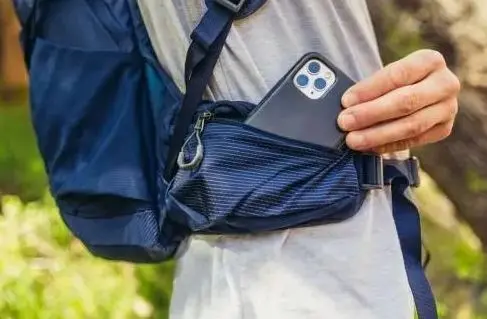
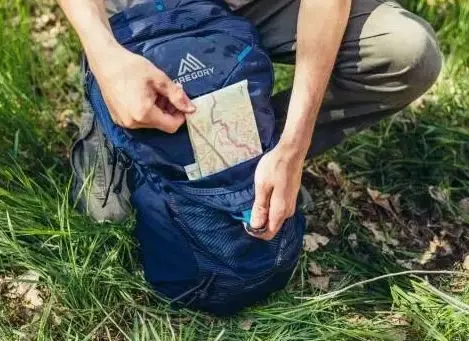
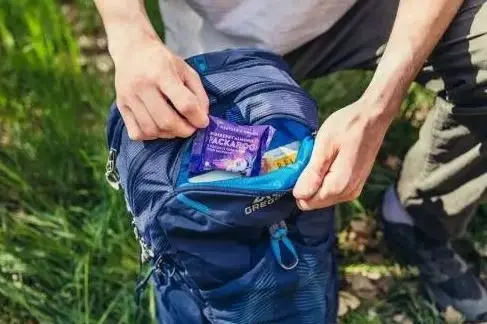
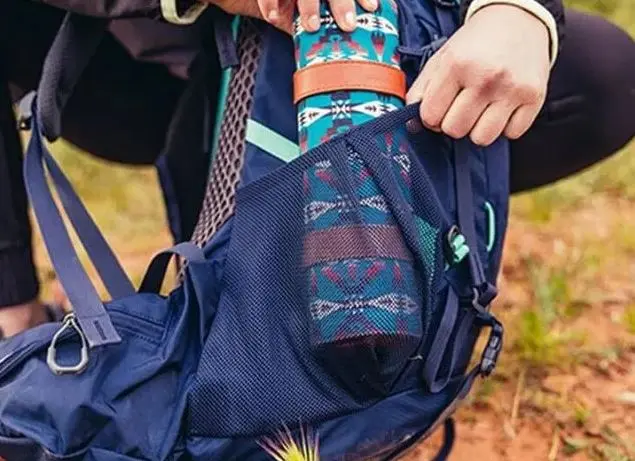
Most backpacks have additional pockets and compartments: open side pockets, open or zipped front pockets, pockets on and inside the lid, and hip belt pockets. These extra spaces keep essentials such as maps, sunglasses and head torches easily accessible.

  • Side pockets at hip belt level can hold 1 water bottle on each side. This preserves your centre of gravity relatively well. However, avoid emptying one bottle before starting the other, or you create a 1 kg imbalance on one side.
  • Other pockets should hold items useful while walking, but particularly lightweight ones. This optimises space and helps keep the pack balanced through more even weight distribution.

Adjusting your backpack properly for maximum comfort

Once properly packed, backpack adjustment is crucial for distributing weight well and avoiding unnecessary strain.
A well-adjusted pack places most weight on your hips. Shoulder straps stabilise it, bearing little weight and putting little pressure on shoulders.
Once loaded, adjust your backpack in this order:

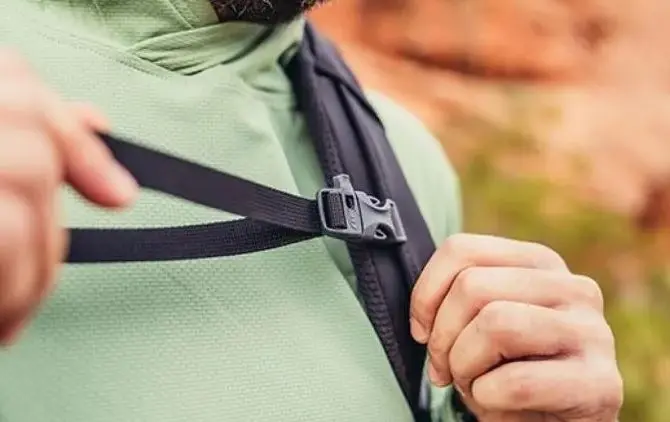
  • Adjust shoulder strap height to your build (if height is adjustable).
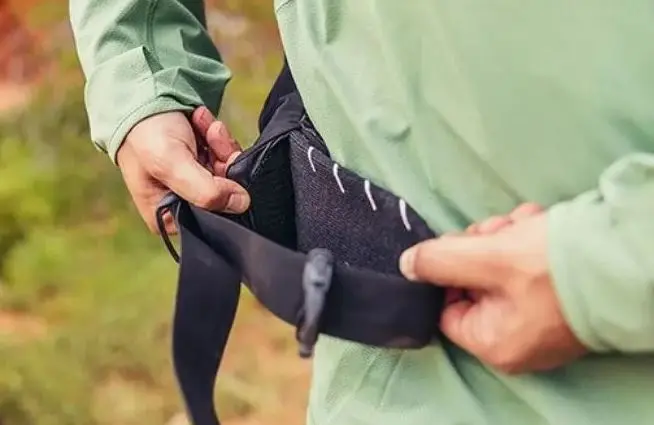
  • Put on the pack and adjust the hip belt first, so the weight rests fully on your hips.
  • Adjust shoulder strap length.
  • Pull the load lifter straps to bring the pack closer to your back and prevent it pulling backwards.
    For details, see our full article on How to adjust your hiking backpack.

Common backpack-packing mistakes to avoid

Too much weight on the shoulders

A poorly packed bag with too much weight high up and towards the outside can quickly cause pain in shoulders and neck, forcing an uncomfortable walking posture. Use the hip belt to support most weight and distribute the load over your hips.

Poor weight distribution

Poor weight distribution disrupts balance and causes pain. Distribute weight equally on both of the 2 sides, remembering the 2 priorities: first, close to your back, and not too far from your body's centre of gravity (navel).

Objects moving around inside the pack

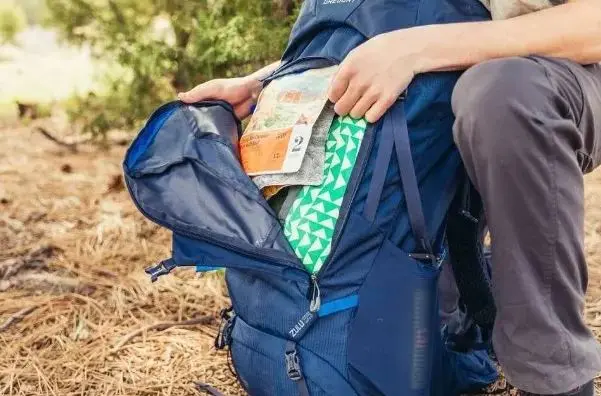
If you load the main compartment like a catch-all, objects tend to shift while walking. A balanced pack at the start may become unbalanced as they move. We recommend roll-top storage bags. These group items and contain them by rolling the top before fastening the clips.

An overloaded “catch-all” lid pocket:

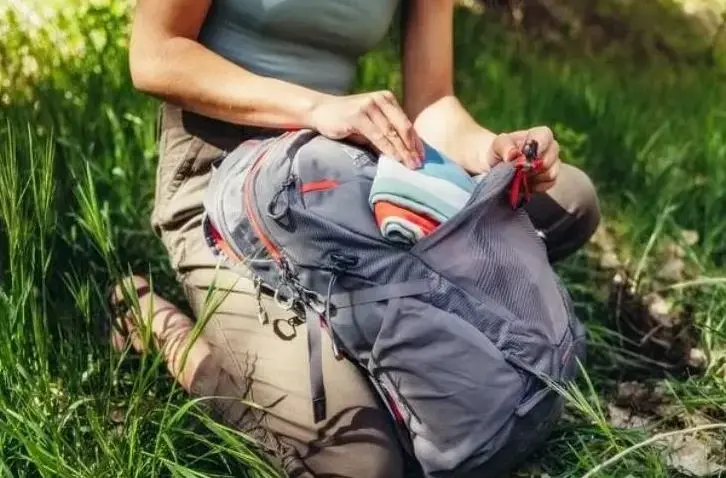
During a hike, you may slip all sorts of objects into the top lid pocket. It becomes a catch-all, concentrating weight high in the pack.

Neglecting adjustments

Adjustments are as important as weight distribution. A well-packed but poorly adjusted backpack can cause severe pain. Take time to adjust back length, hip belt, shoulder straps and load lifter straps before departure.

Extra advice for comfort and efficiency

Check the load before every departure

Before every hike, check your backpack is not too heavy and its weight is well distributed. An overly heavy pack causes pain, while poor packing destabilises your gait. Generally, a pack exceeding 20% of your body weight is a real burden.

Adapt packing to trip duration and distinguish essentials from optional items.

If your pack is heavy, empty it before departure and critically examine the contents:

  • Your pack's contents should match your hike's duration and difficulty.
  • Have you packed the essentials? Have you removed the unnecessary? This may include heavy optional objects or too many changes of clothing. A common mistake is setting off with 3 L of water when water is available a little further along the route.

In conclusion

For packing a hiking backpack properly, my basic recommendation is the one that ended the article: avoid overloading yourself! This remains the most common mistake. The second, less frequent pitfall is choosing insufficient capacity to distribute the load well.
Once these pitfalls are avoided, always think “centre of gravity”. This helps position the heaviest, densest objects correctly. On flat terrain, you may pack slightly higher than on rough ground.
Finally, do not neglect adjustment. A backpack initially adjusted well can loosen during walking. If tension or pain begins, stop and readjust the different straps, starting with the hip belt.
These packing precautions offer a triple benefit: less fatigue, prevention of pain and good freedom of movement while walking.

If you need a suitable pack, consult our article How to choose a backpack
.

Product comparison
Compare
Rayon Rando advice