
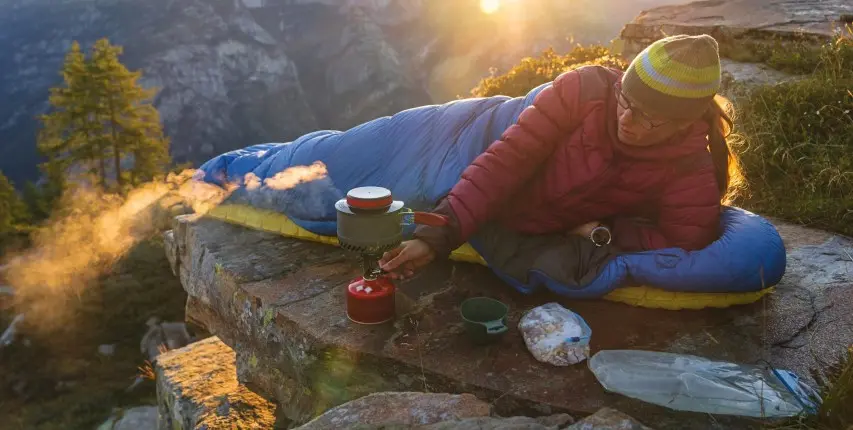
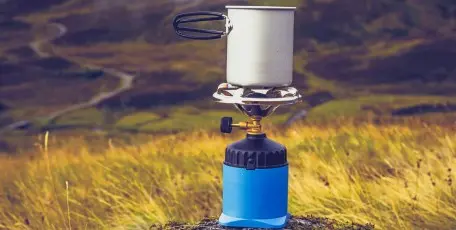
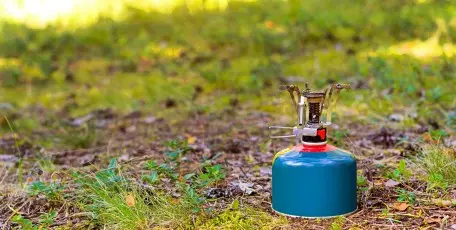
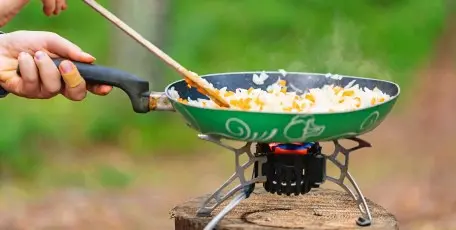
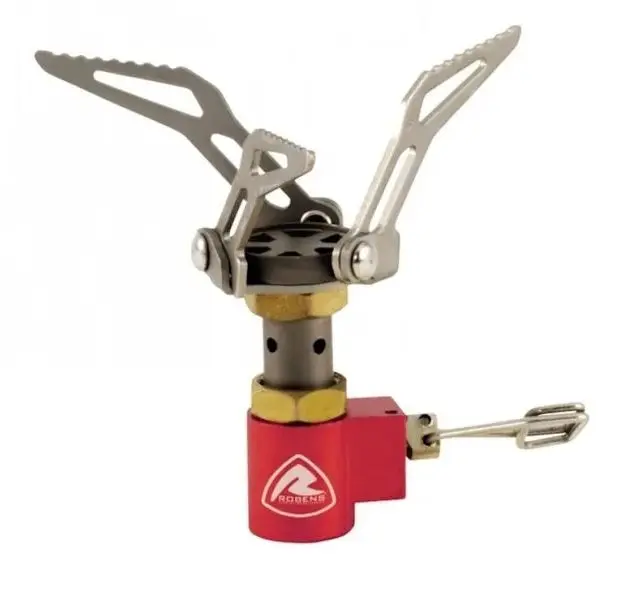
There are several types of hiking stove: gas, multi-fuel, wood-burning and alcohol (liquid or tablets).
Most hikers choose a gas stove. But having made that decision, there are still many gas stoves to choose from. In this article, RayonRando helps you choose the right hiking gas stove for your needs.
After defining your use and the 4 selection criteria, we examine the 3 types of gas stove and which suit those criteria best.

Why choose a gas stove for hiking?

Low weight, performance and simplicity: gas stoves match hikers' needs well:

  • Lightweight and compact. For one or 2 people, stoves weighing 40 to 100 g fit in your palm. For a small group, weight can remain below 200 g. Compact stoves generally fit inside the pot (with the gas canister for smaller stoves).
  • Easy to use. Setup and ignition take seconds, as does dismantling. No smoke, no blackened pan and no maintenance.
  • Heating performance. Gas stoves provide sufficient power for camp cooking, with good efficiency and fuel life. Output can be adjusted precisely.

What are the limitations of gas stoves?

They are not perfect:

  • The main difficulty is finding gas in some areas. If flying, you cannot carry gas in your luggage. Make sure it is available on arrival.
    Otherwise, choose another stove type. Multi-fuel stoves let you find fuel worldwide and provide sufficient heat even in poor conditions. Alcohol or wood-burning stoves are less powerful backup options.

Choosing a compatible gas canister is straightforward: Campingaz valve canisters only fit Campingaz stoves (unless using an adaptor). Other brands use universal threaded canisters (MSR, Primus, Optimus, Jetboil, Coleman, etc.), fitting all screw-on stoves but not Campingaz models.

  • A special case: below-freezing use (winter, high altitude, extreme conditions). Liquefied gas performs poorly. Butane is least suitable, while propane, isopropane or mixed-gas canisters perform slightly better. Some stoves also improve cold-weather performance, as we will see.

How should you choose your hiking stove?

Follow 2 steps:

1) Identify your use before deciding which criteria matter:

Besides weather considerations, 2 criteria matter:

  • Number of people. This determines pot size and the volume to heat. For one or 2 people with a 1.2 L pot, very light small stoves may suffice. For 4 people and a 2 L pot or larger, stability and power become constraints (see criteria below).
  • Type of cooking. Whether you simply reheat, boil quickly or simmer, output and burner size may matter.

2) What are the 4 criteria for choosing a gas stove?

Your use (group size and cooking style) determines how you prioritise these 4 criteria:

  • Weight and bulk. Often essential for self-sufficient trekking. Stoves unscrew from the canister after use and many fit easily inside the pot. Very compact models generally leave room for the stove, canister, sponge, lighter and sometimes other accessories.
  • Energy performance:
    Heat output matters for larger volumes (particularly for more than 2 people). It also helps when boiling rather than merely warming. Gas economy matters on long trips without resupply, making heat-loss reduction important.
  • Stability. Far from trivial. Your stove may sit on grass or uneven ground. Tipping a full pot is not uncommon, potentially causing burns and losing your meal. With a large full pot, stability is essential — generally when cooking for 3 or 4. Accidents also happen when cooking for 2 and stirring occasionally.
  • Protection from the elements: wind causes heat loss. Less important for 2 nights, but potentially significant on longer trips or when simmering. Cold, mentioned above, is easier to manage with stoves optimising combustion and limiting heat loss.

Choosing between the 3 main gas stove types:

We will introduce the 3 gas stove types and how they perform against these 4 criteria.

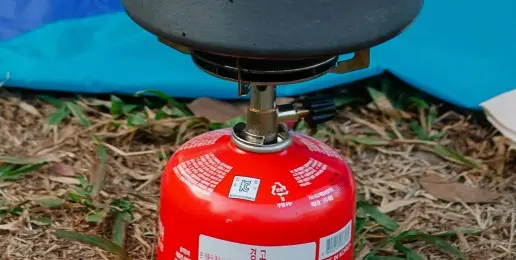
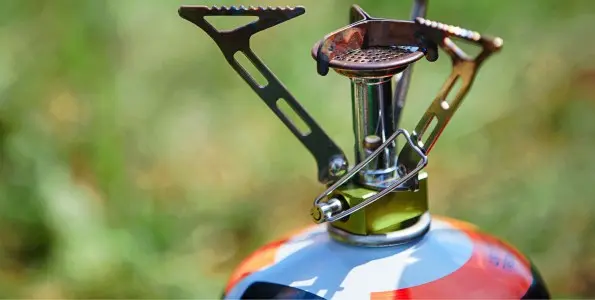
  • Compact canister-top stoves;
  • Remote-canister stoves;
  • Integrated stove systems (attached stove + pot)

Canister-top stoves: outstanding lightness and compactness, ideal for 1 or 2 people
These are the lightest stoves, easy to set up and pack away.
They are also the most compact, generally fitting inside the pot with the canister.
Naturally, they are the most popular choice for solo hikers and pairs.
Besides weight and price, consider:

  • Pot support size, which affects how stable your pot will be.
  • Burner output and size, particularly useful for boiling quickly.

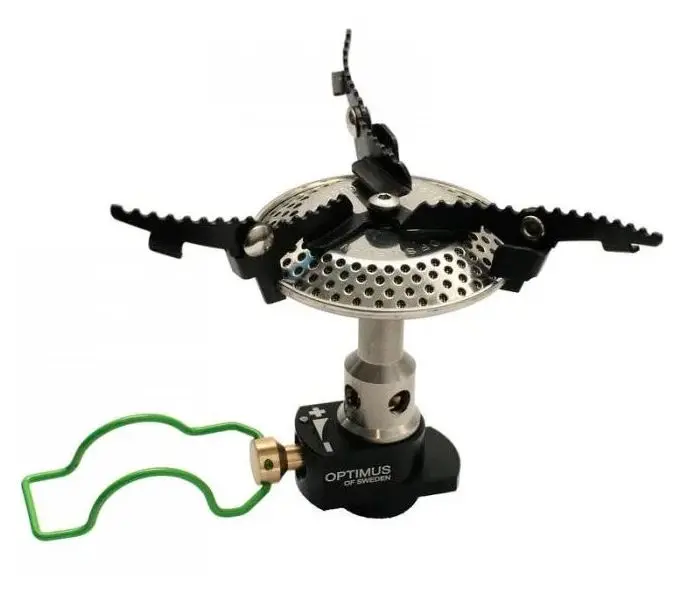
Fire Midge stove

Ultra-compact, ultralight titanium and aluminium stove.
Crux Lite stove

A benchmark. Lightweight and powerful.
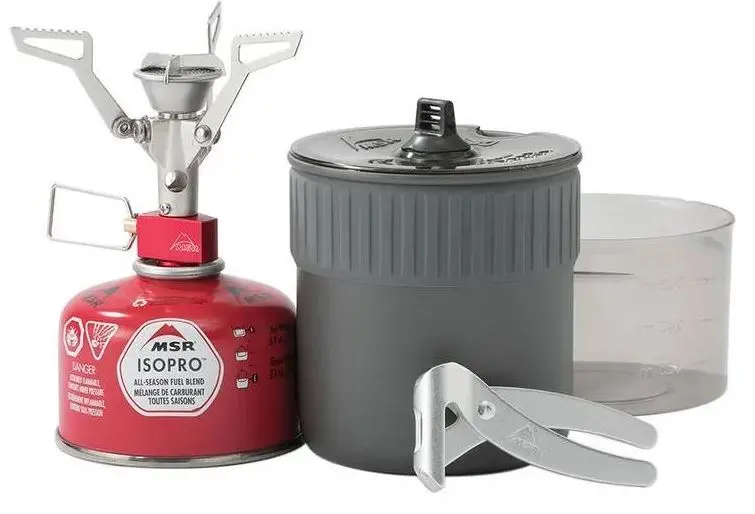
PocketRocket 2 Mini Stove Kit

Featherweight with fairly wide pot supports.
Remote-canister stoves: greater stability and convenience for groups or simmering meals.

These stoves stand on three legs and connect to the canister by a hose.

Heavier and bulkier than canister-top stoves, they are much more stable, less exposed to wind because they sit close to the ground, and can be protected effectively with a small windshield.

Remote-canister stoves are ideal for large pots and therefore more than 2 people. They also suit 2 people wanting to cook or simmer while stirring occasionally. Their stability is welcome on long treks.

In cold weather, some models allow inverted-canister use to aid vaporisation and combustion.

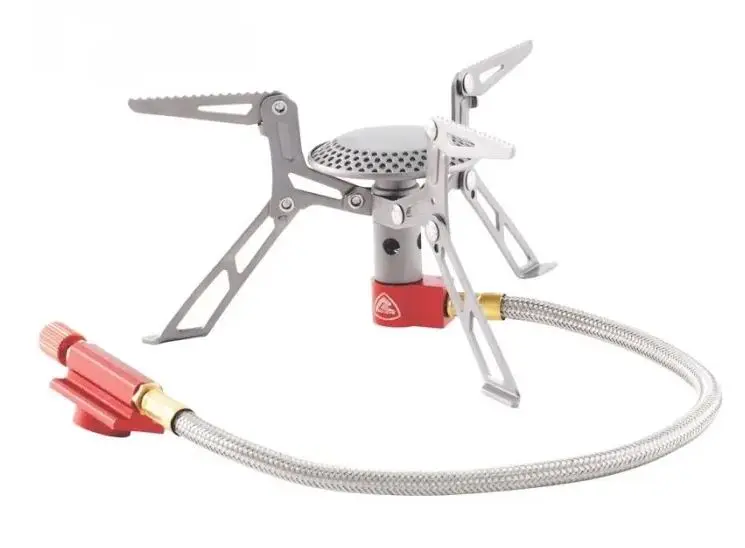
Fire Bug Stove Titanium

A remote-canister stove under 100 g!
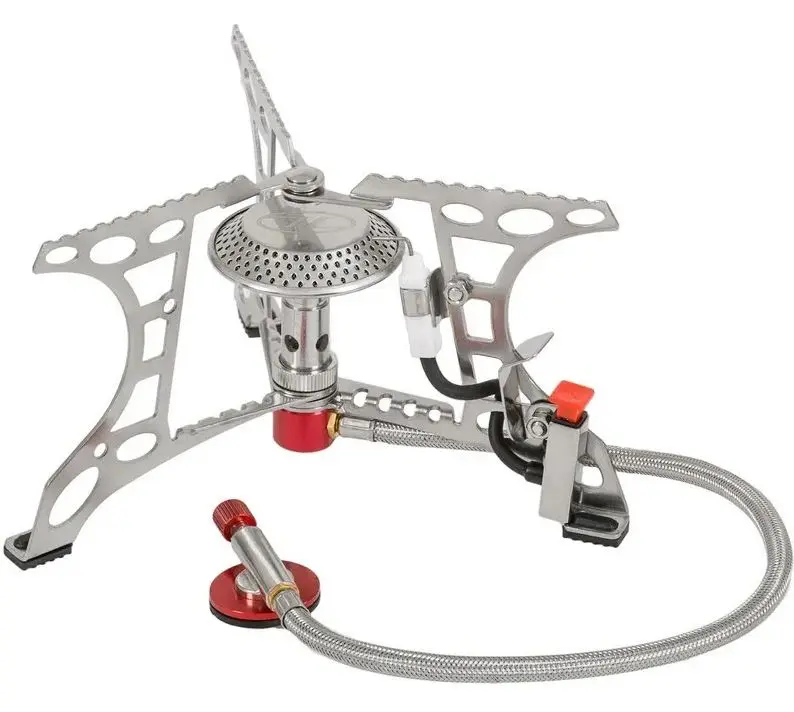
Triplex Compact Stove

Powerful and affordable.
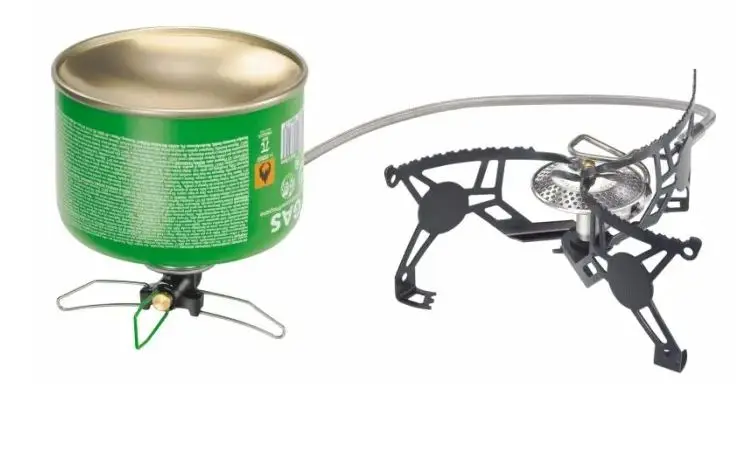
Vega stove

For all-weather use.
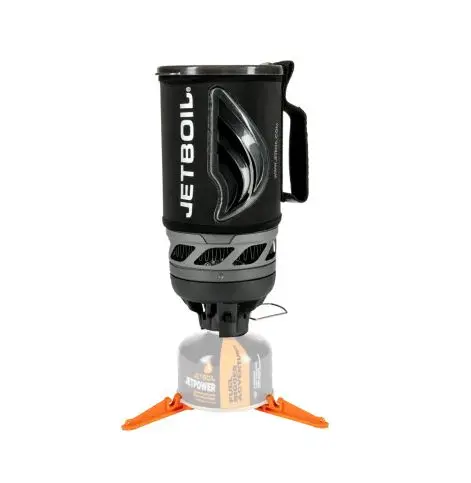
Integrated all-in-1 stoves: better all-weather energy efficiency for 1 or 2 people.

These systems combine a burner, windshield and pot (often with a heat exchanger). All components attach together (the system can even be suspended). They dismantle and pack inside the pot.
These all-in-1 stoves are particularly useful for:

  • Optimised heating. They protect combustion from cold and wind. Generally more efficient, they save gas and heat quickly.
  • Safety: all components attach together and the flame is protected. They are sometimes used in mountaineering in confined positions on rock faces.

However, they generally include a pot taller than it is wide, with limited capacity: usually around 0.8 L to 1 L, suitable for 1 or 2 people.
Better for quickly heating water than cooking or simmering. Stirring is less convenient than in a wide pot.

Jetboil Flash 2-in-1 gas stove

The benchmark. Reliable and efficient.
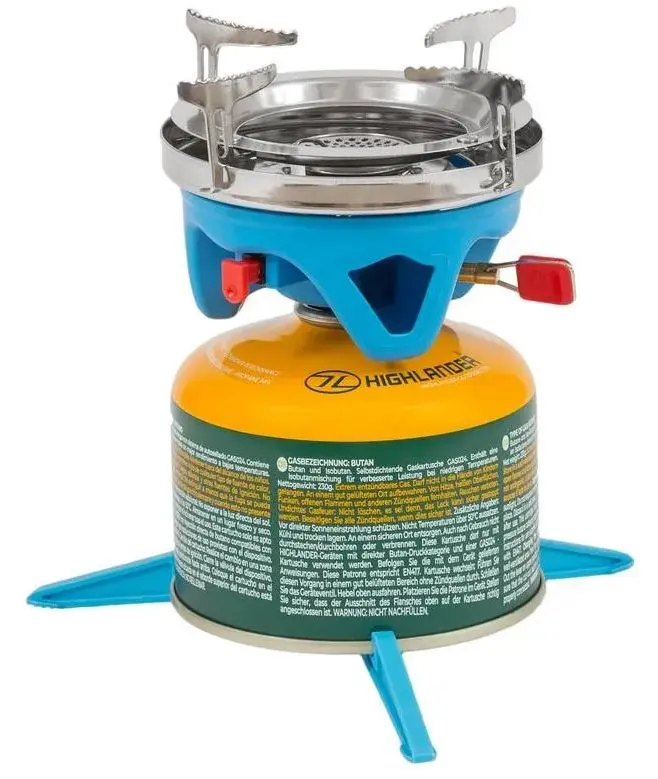
Blade Fastboil

Complete and affordable.
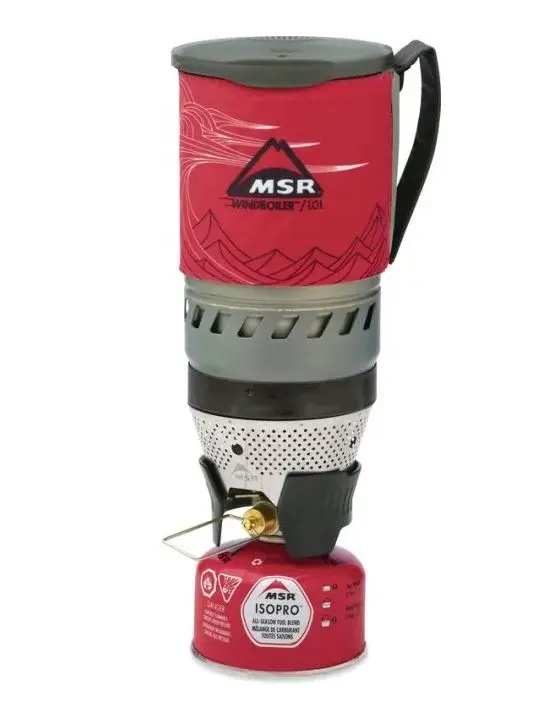
WindBurner stove system

A remote-canister all-in-1 system for difficult conditions.
A few useful accessories:

These practical stove accessories make use easier and more efficient:

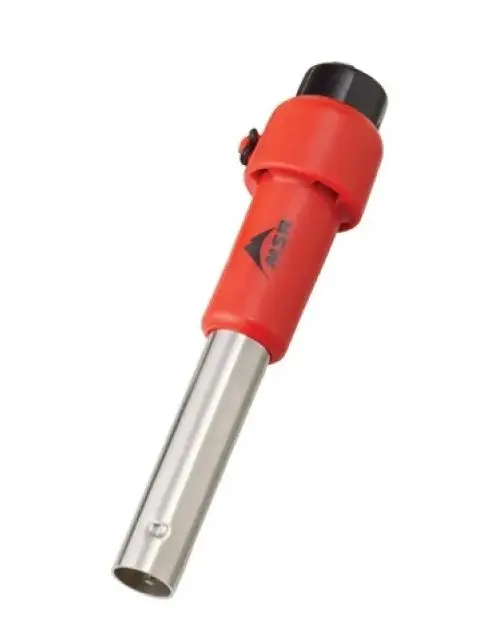
  • Piezo ignition. Pressing the button creates electrical voltage, generating sparks. Piezoelectric systems may be integrated or sold separately. They remove reliance on a lighter and make ignition easy, even in wind.
  • A canister stabiliser. This small, light, compact folding accessory is particularly useful for stabilising canister-top stoves by widening their base.
  • A windshield. Protects the flame to limit heat loss. Low versions suit remote-canister stoves; taller ones suit canister-top models.

Piezoelectric gas igniter

Lightweight and effective for lighting your gas stove in all weather conditions.
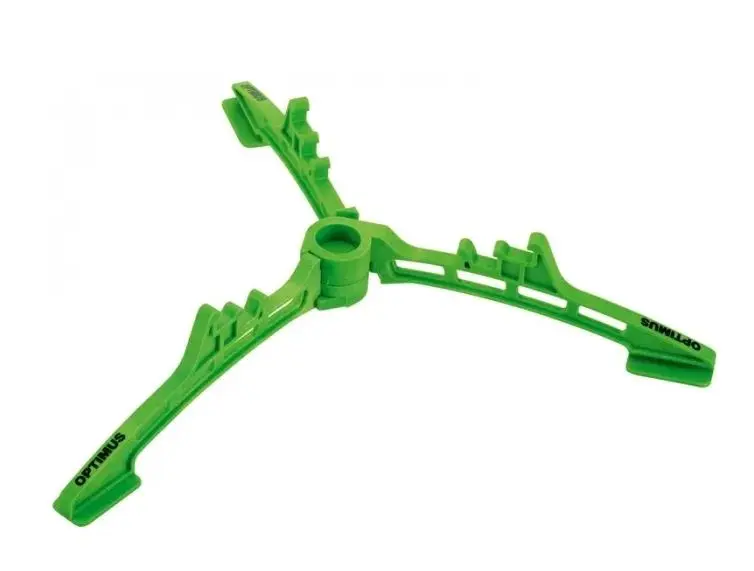
Canister Stand stabiliser

Three-legged gas canister support to stabilise your stove.
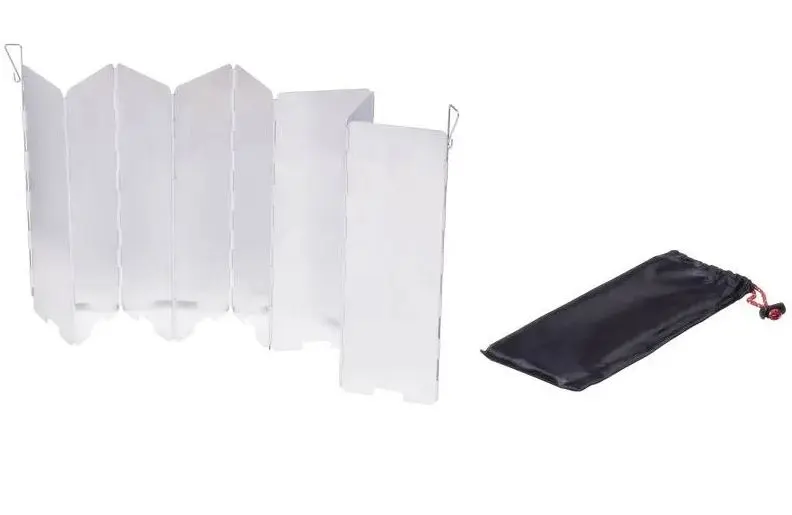
8-panel aluminium windshield

Compact and lightweight for effective stove protection and gas savings.

Conclusion:

For 1 or 2 people, low weight and compactness often take priority. Canister-top stoves are popular for 1 L–1.4 L pots.

Integrated stoves address more specific needs for 1 person, or 2 at most.

For larger groups or heavier pots, stability becomes decisive. Remote-canister stoves are then ideal.

Other criteria — heat output, gas economy, wind and cold protection — often come second for conventional use (mild conditions, warming or boiling). They become important for actual cooking or more demanding conditions (extended self-sufficiency, high-altitude camping, poor weather, etc.).

If unsure, contact us. At RayonRando, we are here to advise you.

Product comparison
Compare
Rayon Rando advice