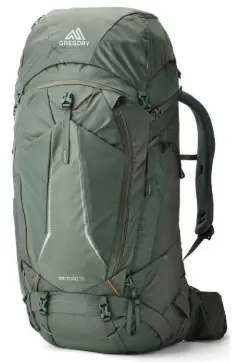
Choosing a suitable hiking backpack is essential to enjoying time in the great outdoors. The wrong pack can quickly become uncomfortable and cause back, shoulder or hip pain. A well-fitting pack, on the other hand, distributes weight correctly, improves balance and reduces fatigue while walking.

To make the right choice, consider several factors: the pack's capacity, back length, the hiker's body shape, whether male or female, and the type of terrain.

What capacity should you choose for a hiking backpack?

A backpack's capacity is its storage volume, expressed in litres. It determines how much equipment you can carry. The right volume mainly depends on the length of your hike, the season and the equipment you need.

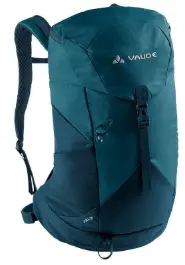
10 to 20-litre backpacks: for short or lightweight hikes

A 10 to 20-litre backpack is particularly suited to short outings, walks or day hikes with minimal equipment.

This type of pack is generally used when you head out for a few hours of walking on well-marked trails in settled weather. The aim is simply to carry the essentials without unnecessary bulk.

This type of pack usually carries:

  • a water bottle or hydration bladder
  • a few energy bars or a snack
  • a windproof jacket or a small warm layer
  • a phone and a map
  • a small first aid kit

This capacity is also very popular for activities such as fast hiking, fitness walking or family walks. The pack remains compact and lightweight, allowing you to move freely without feeling weighed down.
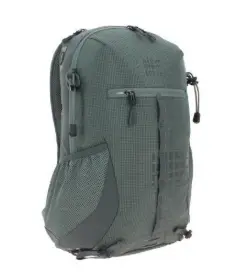
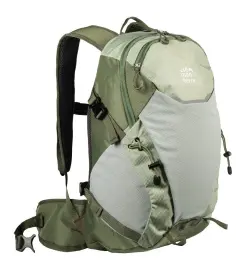
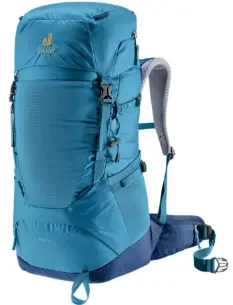
20 to 35-litre backpacks: for day hikes

A 20 to 35-litre pack is often considered the most versatile capacity for hiking. It is ideal for a full day's walking, especially in the mountains or on longer routes.

This capacity lets you carry more equipment, so you are ready for a change in the weather or a more demanding hike.

A pack of this capacity can generally carry:

  • enough water for the day
  • a picnic or several light meals
  • a fleece or a waterproof jacket
  • gloves or a hat, depending on the season
  • a more comprehensive first aid kit
  • a head torch
  • a power bank or GPS device
  • a map and compass

This type of pack is ideal for 15 to 25-kilometre hikes, mountain outings or routes with elevation gain. It offers enough space to remain self-sufficient while keeping your pack relatively light.
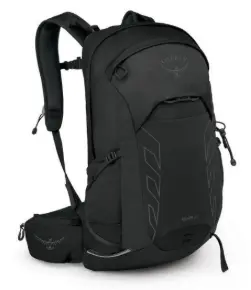
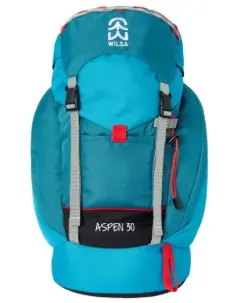
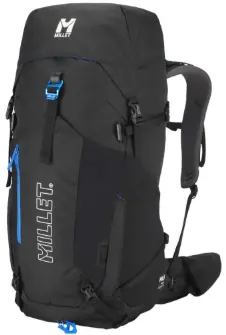
35 to 50-litre backpacks: for multi-day hikes

A 35 to 50-litre backpack becomes necessary when you head out for several days of hiking, particularly if you need to carry wild camping equipment.

This capacity lets you carry the equipment needed to sleep and cook independently while remaining relatively compact.

It can generally hold:

  • several changes of clothes
  • a compact sleeping bag
  • a hiking sleeping mat
  • a small camping stove and cooking equipment
  • food for several meals
  • a warm jacket
  • a minimalist wash bag

This type of pack is often used for 2 to 3-day point-to-point hikes, weekends of wild camping or sections of long-distance trails.

The aim is to find the right balance between storage capacity and carried weight.
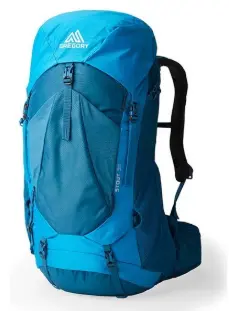
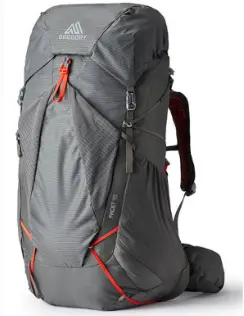
50 to 70-litre backpacks: for treks and long expeditions

For a multi-day trek or a long self-sufficient hike, a 50 to 70-litre pack is generally recommended.

This type of pack carries a full set of equipment, especially when you need to carry all your camping gear.

It can hold:

  • a tent
  • a sleeping bag
  • a sleeping mat
  • several days' food
  • clothing suited to different weather conditions
  • cooking equipment
  • safety equipment

These packs often feature a more robust carrying system, a reinforced hip belt and several compartments to organise your equipment.

However, it is important not to choose a pack that is larger than necessary. An oversized pack often encourages you to carry unnecessary equipment, quickly increasing the total weight.
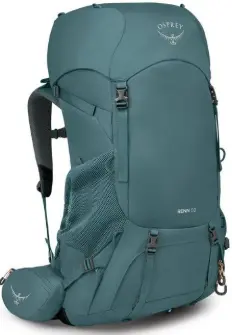
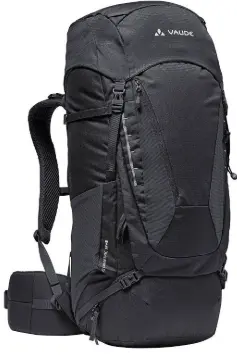
Choosing the right backpack size

The size of your backpack is essential for good comfort while hiking. A poorly fitting pack can cause pain and affect your balance as you walk.

How to measure back length

Back length is measured between:

  • the base of the neck, at the seventh cervical vertebra.
  • the top of the hips

This measurement helps determine the pack size best suited to your body shape.

The most common back sizes

Most manufacturers offer several sizes:

  • short back: 40 to 48 cm
  • medium back: 48 to 53 cm
  • long back: over 53 cm

Some packs have an adjustable back system, allowing you to adapt the pack's height and improve comfort.

Men's or women's hiking backpacks: what is the difference?

Many brands offer packs specifically designed for men or women. These differences relate to variations in body shape.

Backpacks described as ‘women's’

Packs described as ‘women's’ generally feature:

  • a slightly shorter back
  • more closely spaced, more curved shoulder straps
  • a hip belt shaped to fit the hips

These features help improve comfort and stability.

Backpacks described as ‘men's’

Packs described as ‘men's’ often have:

  • a longer back
  • wider shoulder straps
  • a structure suited to broader shoulders

However, your choice should always be based on personal comfort and the hiker's body shape.

Choosing a backpack for your terrain

The type of hiking also influences your choice of pack.

Hiking on flat ground or in forests

For easy hikes or woodland walks, a lightweight 20 to 30-litre pack is generally sufficient.

A good back ventilation system is particularly welcome to prevent heat building up.

Mountain hiking

In the mountains, it is better to use a more technical pack offering:

  • good stability
  • attachments for poles and a tent
  • sometimes ice axe attachments

The pack must also fit well to remain stable on rough terrain.

Trekking and point-to-point hiking

For multi-day treks, a pack of 50 litres or more carries all the equipment you need.

It should offer:

  • a comfortable carrying system
  • several compartments
  • quick access to equipment

Fast hiking or fitness walking

For fast hiking, a 10 to 20-litre pack is generally sufficient. It should be lightweight, compact and fit snugly against your back to limit movement.

Comfort features to check

Before buying a hiking backpack, there are several features to check.

The hip belt

The hip belt transfers much of the weight onto your hips, reducing pressure on your shoulders.

Adjustment straps

The various straps let you adjust the pack and keep the load close to your back.

Back ventilation

A good ventilation system improves comfort by reducing perspiration.

Useful accessories

Some accessories can also be useful:

  • a rain cover
  • several storage pockets
  • trekking pole attachments

Conclusion

Choosing the right hiking backpack is essential to enjoying your outings fully. The right model mainly depends on the length of your hike, your body shape and the terrain.

A well-fitting pack distributes weight correctly, improves comfort and lets you walk for longer without fatigue, whether on a simple walk or a multi-day trek. 

Product comparison
Compare
Rayon Rando advice