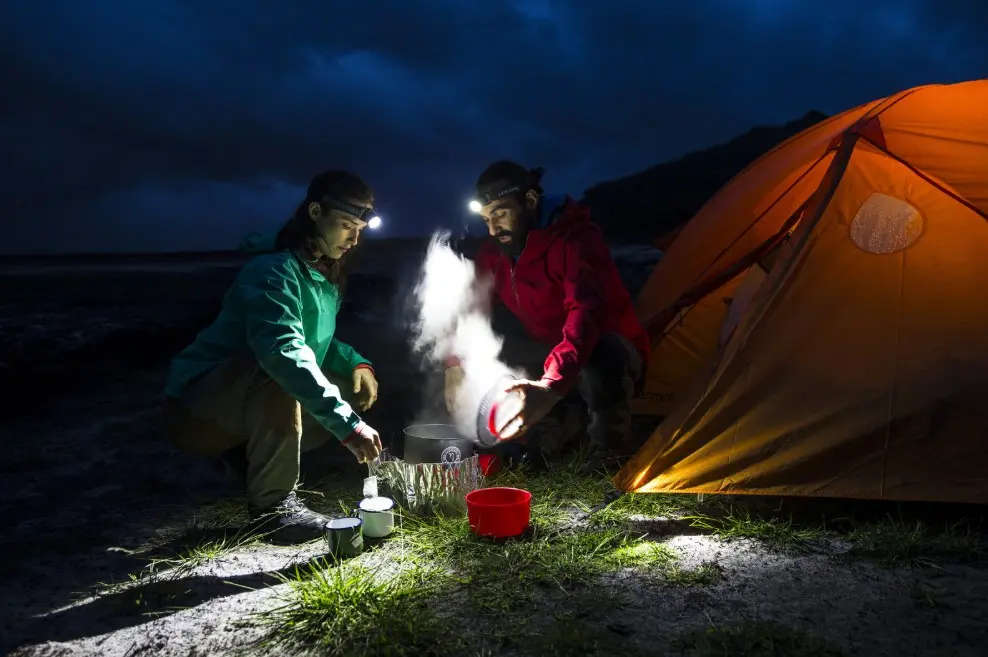
For trail running and ultras, a head torch is more than an accessory: it is compulsory safety equipment in many races. Whether facing a full night, an early start or worsening weather, choosing well affects your comfort… and sometimes your race.
Output, runtime, beam and reliability: numerous criteria and substantial differences between models. Here is a clear, practical guide to choosing a trail running head torch suited to your needs, considering organisers' requirements and genuinely suitable models.
What are the requirements for trail races in France and abroad?
What organisers require
On French trail races with night sections, a head torch is compulsory equipment. Organisers generally require:
- 1 working head torch
- Sufficient runtime for a full night
- Spare disposable or rechargeable batteries, or sometimes a second torch
This is particularly the case for:
- UTMB (late August): head torch + spare disposable/rechargeable batteries required
- Diagonale des Fous (October): long nights, variable weather, humidity
- Grand Raid des Pyrénées (GRP) (August): technical terrain, altitude
- Trail des Templiers (October): frequent night sections
- SaintéLyon (December): cold, rain, fog
- Ultra-Marin (June): long day/night transitions
International examples
Ultras such as Western States (USA, June) and Tor des Géants (Italy, September) impose similar demands to UTMB: long night sections, extended runtime and maximum reliability. These races confirm one thing: a torch needs to last, not merely shine brightly.
Key criteria for choosing a trail running head torch
Output and beam
For trail running, output should be useful, not excessive:
- 150 to 200 lumens is the minimum for comfortable vision in reasonable conditions (clear weather, rough but well-defined paths). This output also provides good runtime.
- 300 to 450 lumens: useful when looking up to locate the route, when weather reduces visibility or on technical terrain (a descent with roots, for example).
- 500 to 1,200 lumens: occasionally useful, but substantially reduces battery life.
Be careful: using excessive output continuously can be counterproductive: over-lighting nearby ground, eye fatigue, loss of contrast (the ground looks washed out) and rapidly falling battery life. Controlled output is better than excessive light for trail running.
The beam is just as important:
- A wide beam to see nearby ground: the main requirement.
- A mixed beam (wide + focused) to anticipate terrain on some rough sections when nobody is ahead.
- A fairly even beam fading gradually at the sides matters. Some budget torches create a brighter outer halo or an intense central spot, reducing comfort and terrain definition.
Real-world runtime
Always check runtime in your racing mode, not just economy mode. A good trail torch should offer:
- Intelligent mode management
- Consistent runtime without a sudden drop in brightness
Comfort and secure fit
An uncomfortable head torch becomes a nightmare after several hours:
- Fairly low or well-distributed weight
- A stable headband, even downhill
- No pressure point on the forehead
Waterproofing and strength
Rain, mud and perspiration are part of the experience. Prioritise:
- At least IPX4 water resistance. Some torches offer IPX6 or IPX7 ratings, ensuring they will not let you down in prolonged rain.
- Sturdy construction with lasting reliability
Power: rechargeable or disposable batteries?
- Rechargeable battery: practical, lightweight, power-bank compatible (for charging just before the start)
- AAA batteries: reassuring for long races
- Some torches accept either disposable or rechargeable batteries, letting you carry disposable spares if the rechargeable battery runs short.
For ultras, a rechargeable torch + backup remains ideal.
Do you need a second head torch for trail running?
For ultras and races lasting a full night, yes.
A second torch lets you:
- Comply with race rules
- Stay safe if your main torch fails
- Set off again quickly without changing batteries
It can be:
- Lighter
- Less powerful
- Stored at the bottom of your pack as a backup
Head torch selection by type of use
Head torches for demanding ultras
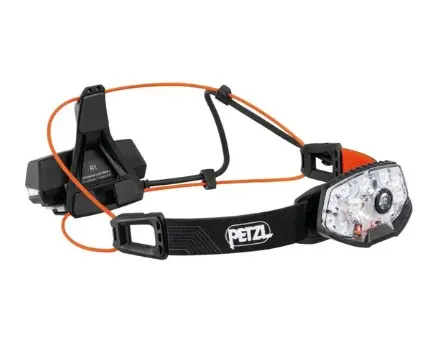
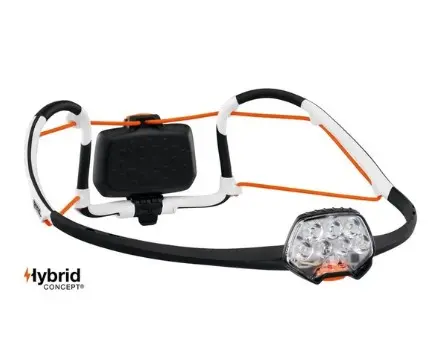
- Very high adaptive output
- Automatic light management
- Excellent runtime for long nights
- A benchmark for UTMB and technical ultras
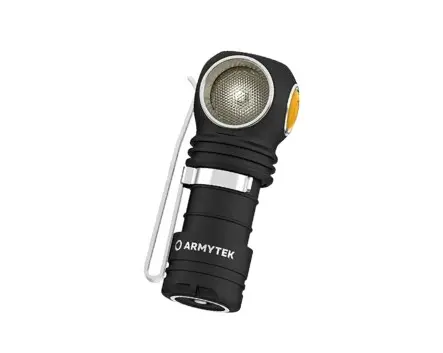
- High output in a more compact format
- Effective mixed beam
- Excellent performance / weight balance
- Powerful, even lighting
- Useful outputs (150, 450 lumens) with exceptional runtimes (21 h; 7 h)
- Outstanding strength
- Highly appreciated on technical terrain
Versatile head torches for trail running / ultras
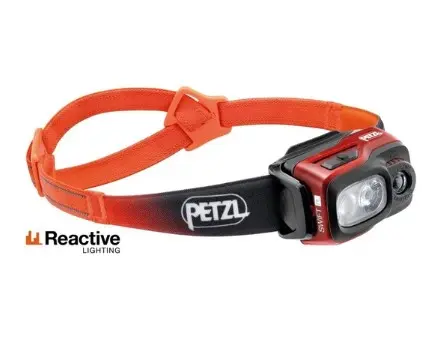
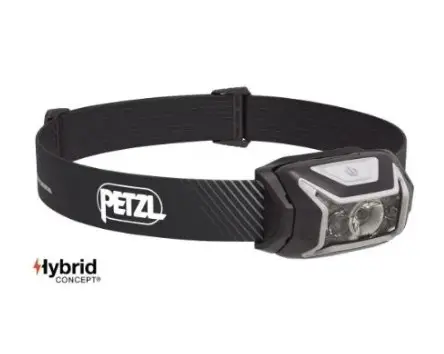
- Very lightweight
- Exceptional comfort
- Good runtime for part-night use
- Versatile and reliable
- Ideal for occasional night trail running
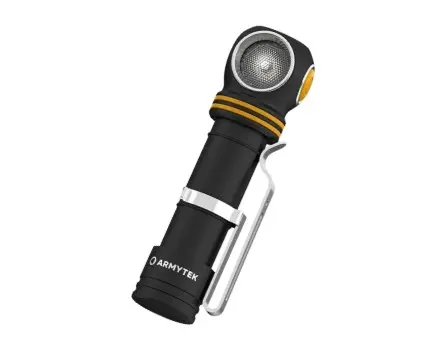
- Compatible with disposable batteries or a Core rechargeable battery
- Simple and sturdy
- Excellent output / runtime ratio (220, 500 lumens / 10 h, 3 h 45)
- Suitable for a full night of trail running
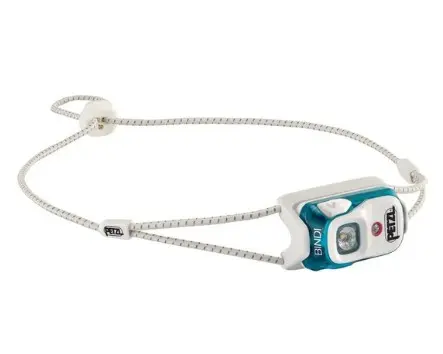
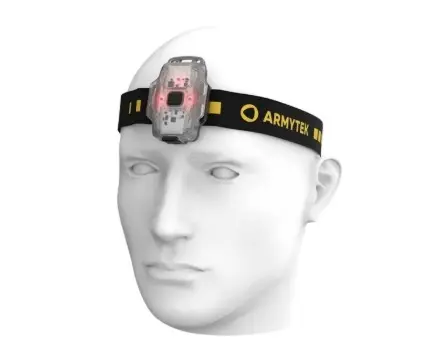
Lightweight and backup head torches
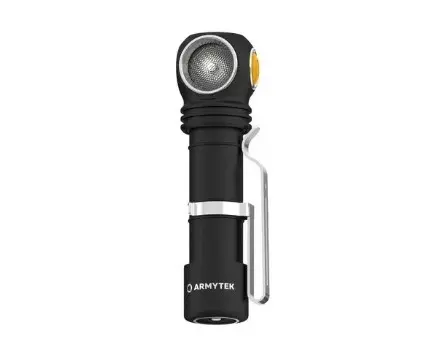
- Ultra-compact
- Ideal as a compulsory second torch
- Limited runtime, but sufficient as backup
- Ultralight, with sufficient output and runtime for backup use
- Rechargeable battery powered
- Very reliable as a backup torch (IP67 waterproofing).
- A capable replacement torch for continuing your race in good conditions.
- Compact and lightweight.
- Very sturdy.
Practical tips before a race
- Test your torch at night in real conditions
- Check actual runtime at your planned pace
- Fully charge the battery
- Lock the torch to prevent it switching on in your pack
- Plan a simple way to change torches quickly
Conclusion
Choosing a trail running head torch means balancing output, runtime, comfort and reliability. Organisers' requirements and race duration often call for a capable main torch and a backup torch.
Proven models suited to your activities let you run with greater peace of mind, even in the middle of the night.
For your next trail race or ultra, choose head torches from specialist brands, complying with organisers' requirements and suited to your terrain. RayonRando offers Petzl and Armytek torches, among others, for different trail races:
- Powerful torches for demanding ultras
- Versatile models for regular trail running
- Lightweight torches as backup or a second head torch
FAQ – Head torches for trail running and ultras
What is the minimum output for a trail running head torch?
For night trail running, around 150 to 200 actual lumens is a minimum on straightforward paths. On technical terrain or descents, 300 to 500 lumens improves visual comfort.
Is a head torch compulsory for trail running?
Yes, in most trail races with night sections, a head torch is compulsory, often alongside spare disposable or rechargeable batteries, or even a second torch.
Do you need a second head torch for ultras?
For long races (UTMB, Diagonale des Fous, GRP, etc.), a second torch is strongly recommended and sometimes required. It provides backup if your main torch fails or its battery runs out.
Rechargeable or disposable batteries: which should you choose?
Rechargeable torches are light and practical, but for ultras, carry spare disposable batteries or a second torch powered by disposable batteries.
Which head torch should you choose for your first night trail race?
A versatile model such as the Petzl Actik Core or Armytek Elf C2 balances output, runtime and ease of use.