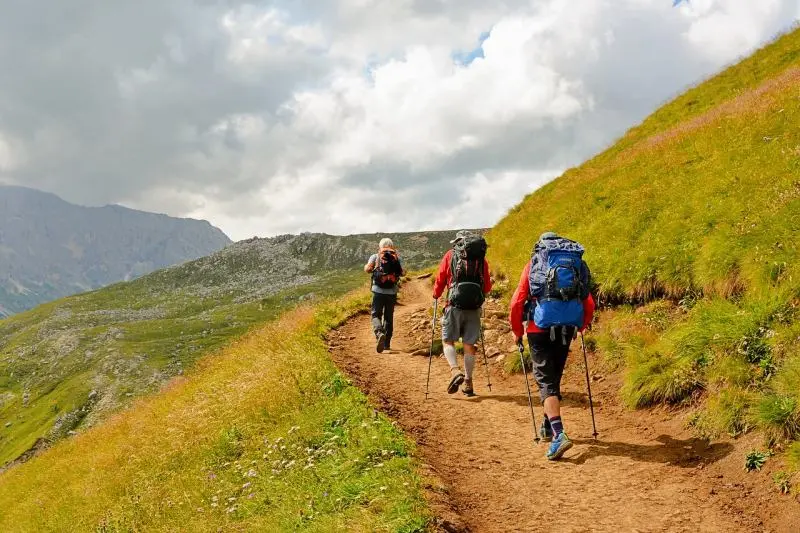
On the eve of your trek, are you wondering which T-shirt goes best with your zip-off trousers and which fleece flatters your tan? Understandable, certainly, but packed size and weight also impose constraints.

You need to optimise your clothing for several days outdoors, with hiking clothes suited to the conditions, staying as comfortable as possible throughout with an inevitably limited number of changes.

Do not panic: RayonRando helps you assess your clothing for a multi-day hike.

We are discussing a summer trek in normal conditions, rather than the specific additional demands of winter or extremely cold-weather trekking.

Consider daytime clothing, evening clothing and essential accessories in turn, as well as spare clothes and washing during your trek.

1) What hiking clothes should you wear during the day on a trek?


1st layer:

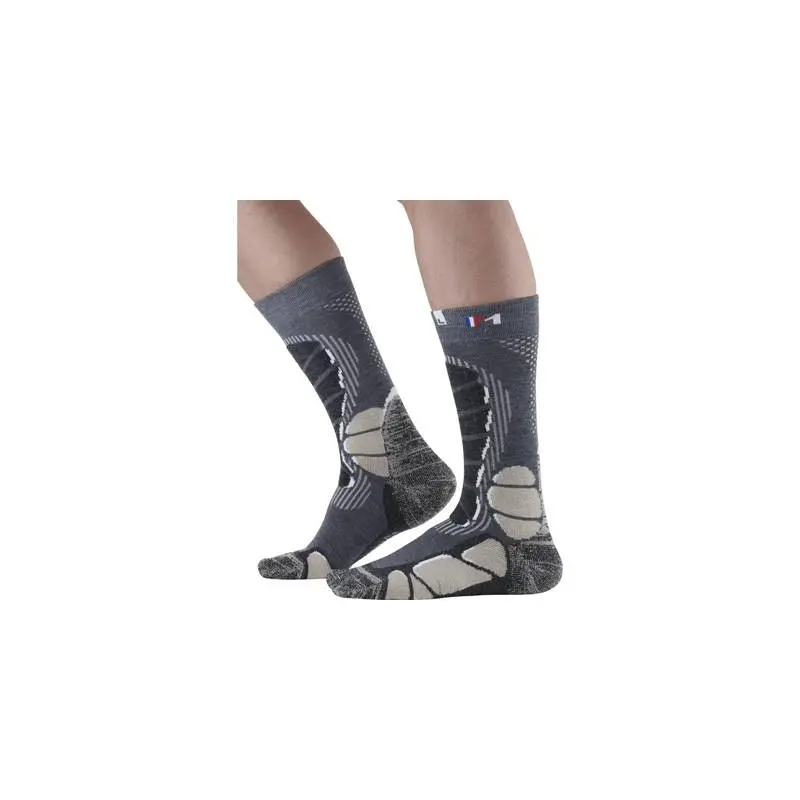
- Socks: synthetic, merino wool or even linen, but avoid cotton and ordinary wool, which stay damp and encourage rubbing. Choose socks that extend above your footwear to allow perspiration to escape.

- Which underwear for hiking? Lightweight synthetic or merino. If you choose cotton, make it as thin as possible to limit sweating and help it dry quickly after washing.

-Short-sleeved T-shirt: again, synthetic or merino to wick perspiration, dry quickly and reduce odours. Avoid cotton. Be careful with vests, which expose your shoulders to sunburn and rucksack rubbing.

-A long-sleeved T-shirt or shirt instead of a short-sleeved T-shirt? Some people prefer covered arms for sun protection. I find a shirt more practical because you can roll up the sleeves when needed.

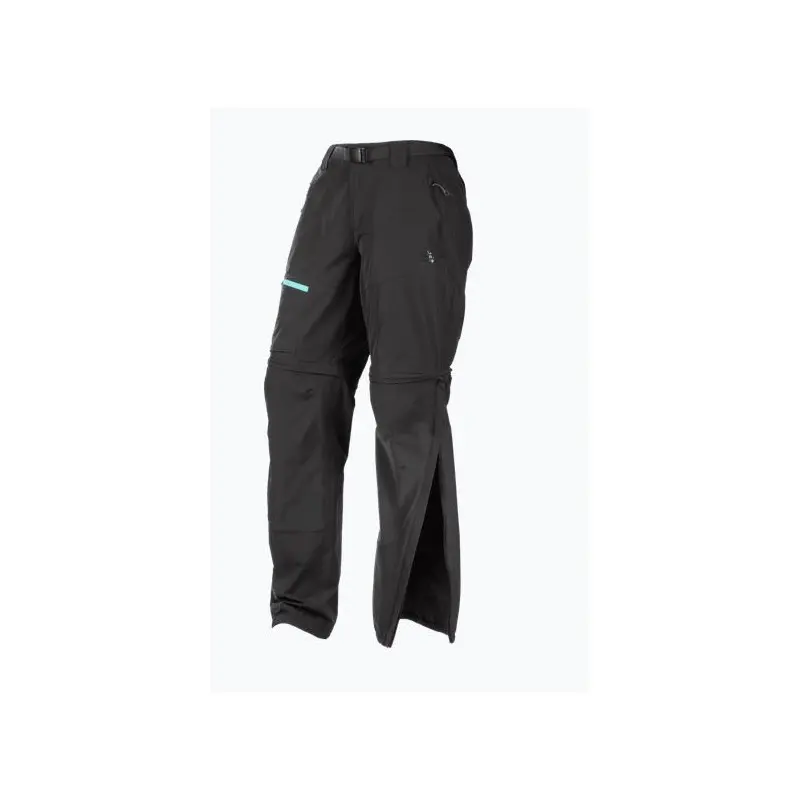
-Hiking trousers or shorts. Zip-off hiking trousers are very practical. Start with trousers on a cool morning, then convert them to shorts when the sun comes out.

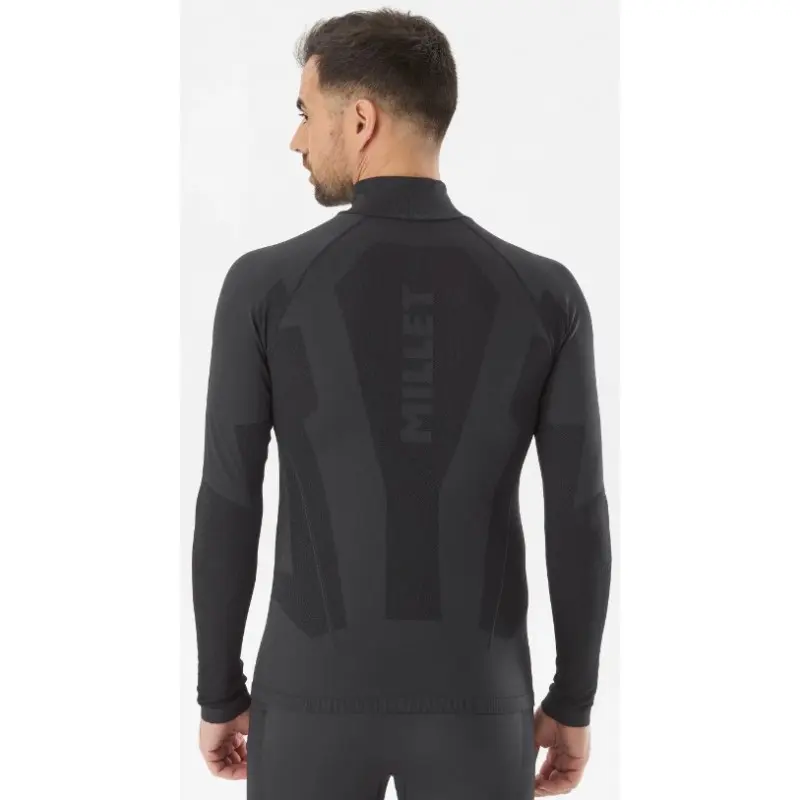
- A thermal base layer? At RayonRando, we are not keen on thermal base layers outside winter (tops / leggings). They are awkward to remove when you get hot, and you soon overheat on climbs. Perspiration can build up and create thermal bridges.

2nd layer:

Essential for cool starts in the morning and changing weather during the day.

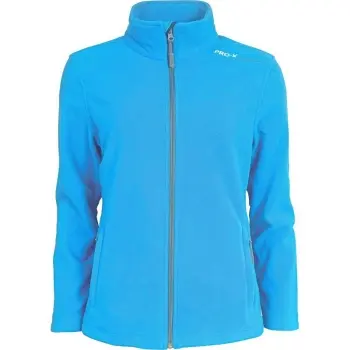
At RayonRando, we prefer a lightweight, breathable fleece: not too warm, but effective at regulating temperature without trapping perspiration.

A full-zip fleece is much more practical than a quarter-zip: open it as soon as you get hot and zip it up just as quickly when you enter shade.

The Pro-X Paula women's fleece is warm and breathable, with a full-length zip.

3rd layer:

This has two roles: protection from rain, and protection from wind and, to some extent, cold.

Choose between:

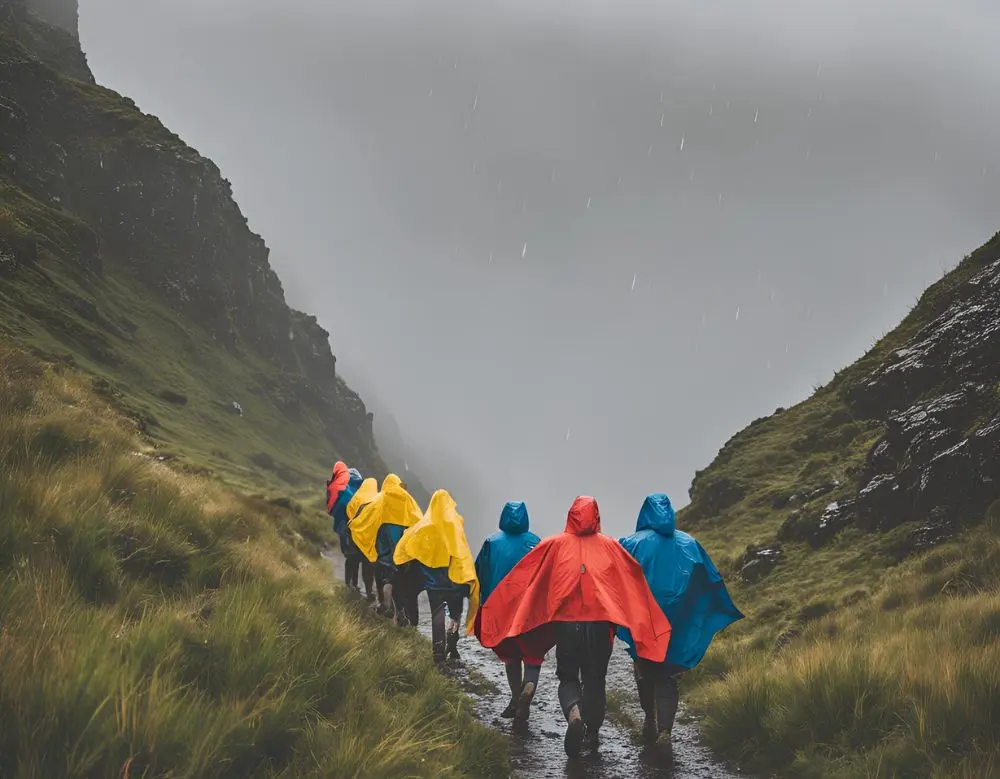
A rain poncho, covering both walker and rucksack. You also need a small windproof jacket for protection when you are not wearing the poncho. I do not pack waterproof trousers with this setup.

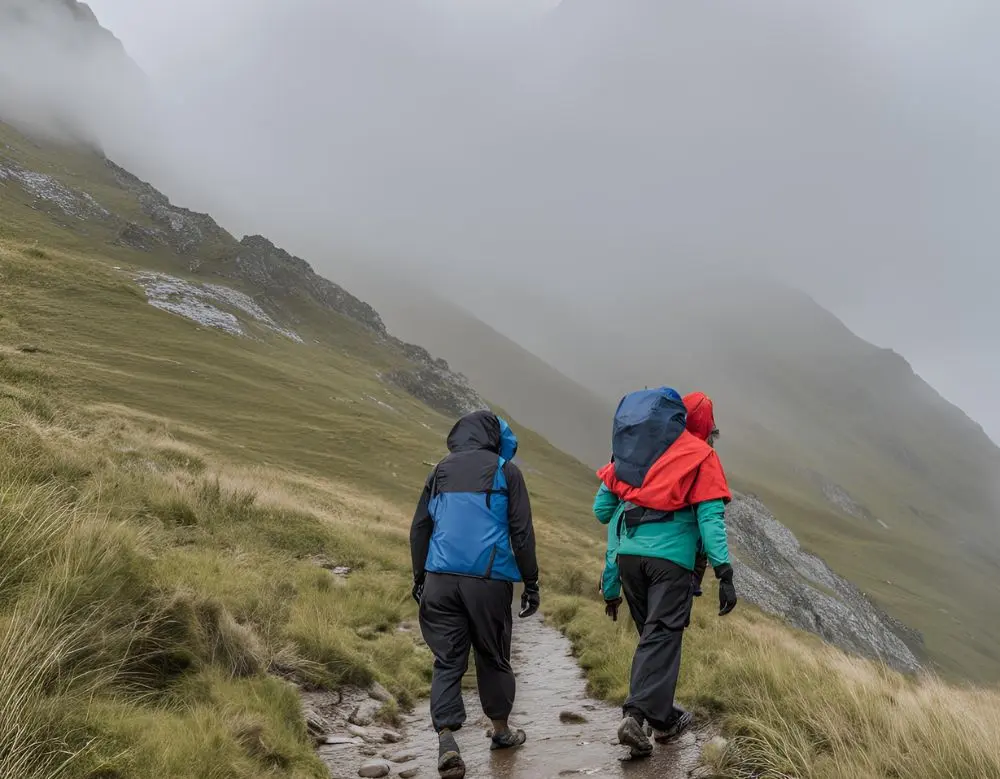
A waterproof, breathable hiking jacket paired with waterproof trousers. You also need a rucksack rain cover. Waterproof trousers with full-length zips are extremely practical for putting on and taking off quickly. Trousers with partial zips are lighter, but you must remove your footwear to put them on. This is rather awkward. They may be worth considering as a backup option.

At RayonRando, we do not all prefer the same one of these 2 options. It also depends on the destination and expected weather (particularly wind-exposed terrain). To help you choose, read our article “Waterproof jacket or rain poncho?”

2) What should you wear in the evening on a hiking trip?

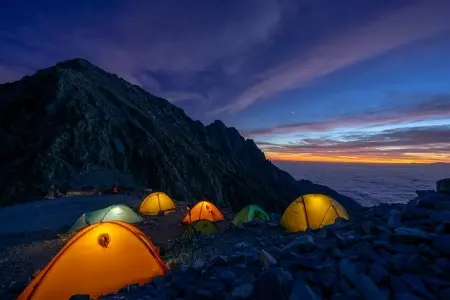
Camping calls for slightly warmer clothing than staying in a mountain hut.

You must have a dry outfit to change into after washing at the end of the day. Keeping on sweaty clothing leaves you less comfortable and more exposed to cold, and prevents you washing and drying it.

1st layer:

Socks: keep 1 pair specifically for camp, so they stay clean and dry.

A short- or long-sleeved T-shirt, depending on your needs.

A thermal top and leggings can provide additional warmth, but a fleece often suffices (especially when keeping weight down).

Trousers.

2nd layer:

A separate fleece from your daytime one, so it stays clean and dry.

This fleece should be warmer than your daytime fleece because you will be stationary in lower temperatures.

A quarter-zip may suffice, since you generally need warmth continuously.

Some prefer a packable, very comfortable insulated jacket.

It can help to be able to layer your daytime fleece with your evening 2nd layer in very cold conditions, and for safety (if an injury prevents you moving, for example).

3rd layer:

Your daytime windproof and waterproof jackets generally suffice.

3) Which clothing accessories are essential for hiking?

Even if you expect mild or warm conditions, you need to bring protection against cold. Besides unpredictable weather, illness or injury can make you more sensitive to cold. An injury may also mean spending several hours or a night outside. Pack a hat, neck warmer and gloves (and, of course, an emergency blanket).

Sun hats and caps are very useful, of course. I like a cap with a neck flap. It catches less wind than a hat but covers your neck, reducing the need for sunscreen.

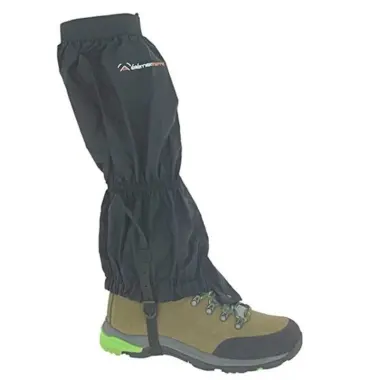
Do you need gaiters for hiking? Gaiters are useful if you expect to walk over very wet ground: snow, of course, but also long grass, marshes or peat bogs. They stop water entering your footwear and soaking your trouser hems. They can also keep stones out on some terrain (short debris gaiters suffice for this). Otherwise, they are an optional accessory you can leave behind to save weight.

Elémenterre Zoulan gaiters protect your shins and ankles, particularly against moisture and sand.

4) Which fabrics and materials for hiking clothes?

Fabrics to favour for hiking:

Certain hiking fabrics allow you to:

- Wick perspiration quickly to stay dry and regulate temperature effectively;

- Limit odour so they can be worn for several days without washing;

- Wash easily in cold water and dry quickly.

These include synthetic fabrics, merino wool and, to a lesser extent, linen. They are sometimes blended to maximise their benefits. Other fibres are sometimes combined with synthetics for antibacterial (and therefore odour-resistant) properties, such as lyocell (derived from wood) or fibres from bamboo or coconut.

Materials to avoid:

Conversely, avoid cotton and ordinary wool; these materials:

- Retain moisture, creating thermal bridges and increasing the feeling of cold.

- Encourage bacteria and associated unpleasant odours, which is troublesome when washing is impossible.

- Dry slowly after washing, making it difficult to set off hiking again the following morning.

- Are often heavier than the other materials mentioned.

5) How many changes of clothes should you pack for a multi-day trek?

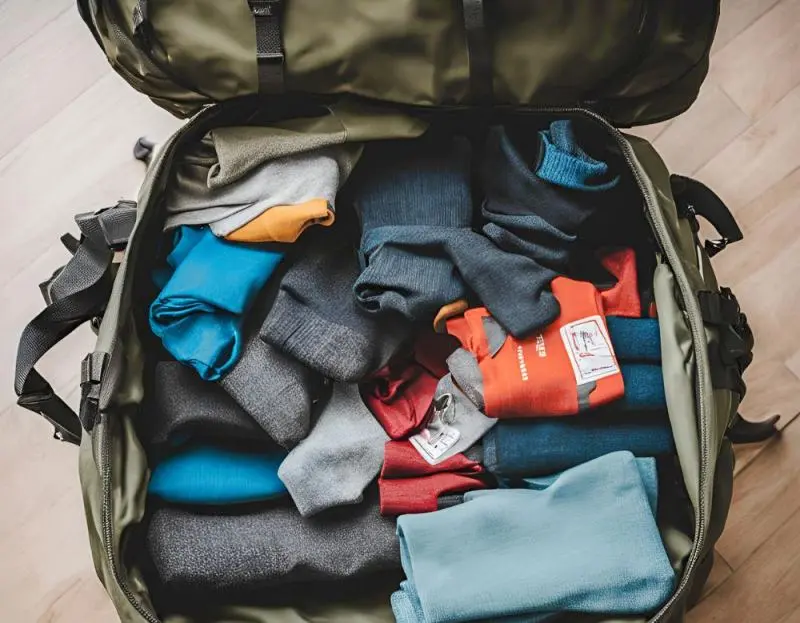
This depends on your circumstances (self-sufficient trekking, cycle touring, trekking with porters or vehicle-supported travel). But this question becomes crucial when you carry everything in your rucksack for several days. You need to minimise weight and bulk.

Here is what we do at RayonRando:

- Socks: 2 daytime pairs, ensuring a dry pair each morning while you wash the other. 1 evening-only pair lasts the whole trip without washing.

- Underwear: a sensitive subject… We leave that to you. What matters is feeling comfortable in your pants… Choose your lightest comfortable underwear so it washes and dries quickly.

- T-shirts: 2 for daytime, following the same principle as socks, and 1 for evenings. For a few days, 2 T-shirts might suffice: 1 to wear and 1 drying. But this is risky if it rains heavily.

- Hiking trousers / shorts: 1 pair for daytime and 1 for evenings. If taking shorts, packing 2 pairs of trousers may be wise for rainy days. With zip-off trousers, 2 garments in total can suffice. Technical hiking trousers are very light and quick-drying.

- 2nd insulating layer: 1 daytime fleece and 1 fleece or insulated jacket for evenings. Being able to layer them is useful if needed (cold, accident).

Washing and drying hiking clothes:

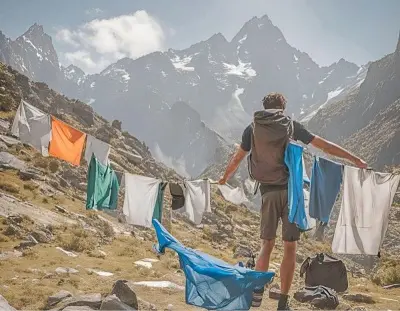
Being able to wash and dry clothes quickly is the best way to limit spare clothing.

- Choose quick-drying fabrics: wash them as soon as you finish hiking so they are dry that evening. Carrying 2 clothes pegs is useful for attaching a still-damp T-shirt to your rucksack the next morning.

- Fabrics should wash or rinse easily in cold water and be safe to wring out.

For these 2 requirements, synthetics are easier to use. Merino is better suited to wearing the same garment without washing it.

Cotton is unsuitable because it dries slowly, which may also lead to unpleasant odours.

Conclusion:

Choosing trekking clothes is almost an exercise in stripping things back: which garments can you leave behind, and which are essential?

On a long trek, the key to reducing weight and bulk is quick washing and drying. This can be difficult in very wet destinations (Iceland, Scotland, etc.). Merino can be a worthwhile option there.

For comfort, you generally need clothing that does not retain moisture and dries quickly, limiting rubbing, unpleasant odours and thermal bridges. Technical synthetic fabrics remain the most suitable choice for this.

Always having a dry outfit available is essential for protection against cold, and therefore for comfort and safety.

Finally, always pack the accessories you may never use — hat, gloves, neck warmer — but which are essential for your safety.

Product comparison
Compare
Rayon Rando advice