Key factors when choosing your waterproof jacket

Choosing the right waterproof jacket starts with understanding how you will use it, to determine which features are useful and which are secondary. We then explain the different technical features and their respective benefits.


Choosing according to use

Technical features and their uses

Choosing a waterproof jacket according to use


For which weather conditions?

  • In warm weather, breathability comes first. We recommend a jacket with a bonded lining or separate mesh lining; see more about linings. Useful warm-weather features include underarm ventilation zips and low weight.
  • In changeable weather or year-round, adjustable protection is useful. We recommend a waterproof jacket combined with different layers as needed, such as a T-shirt, thermal top, fleece or insulated jacket, or a 3-in-1 jacket.
  • In cold weather, warmth matters most. Options include a winter jacket with a warm lining, a 3-in-1 jacket, a rain jacket with a fleece, or a softshell for moderate cold. Useful cold-weather features include adjustable cuffs, particularly with gloves, and a separate fabric lining.

Our selection:

        In warm weather
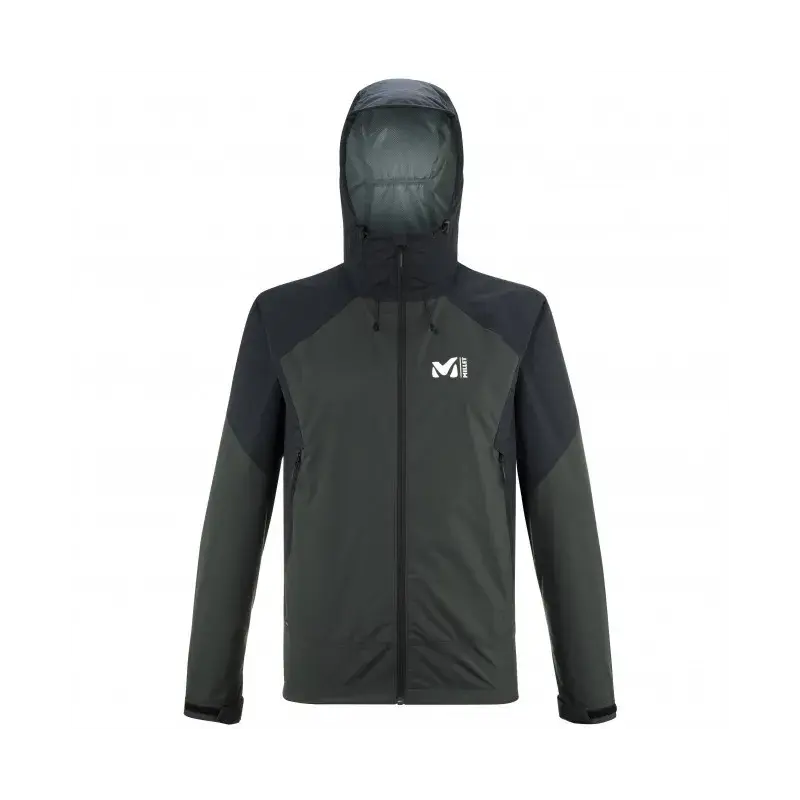
        Fitz Roy Jacket III men's hiking jacket
        by Millet

        In changeable weather
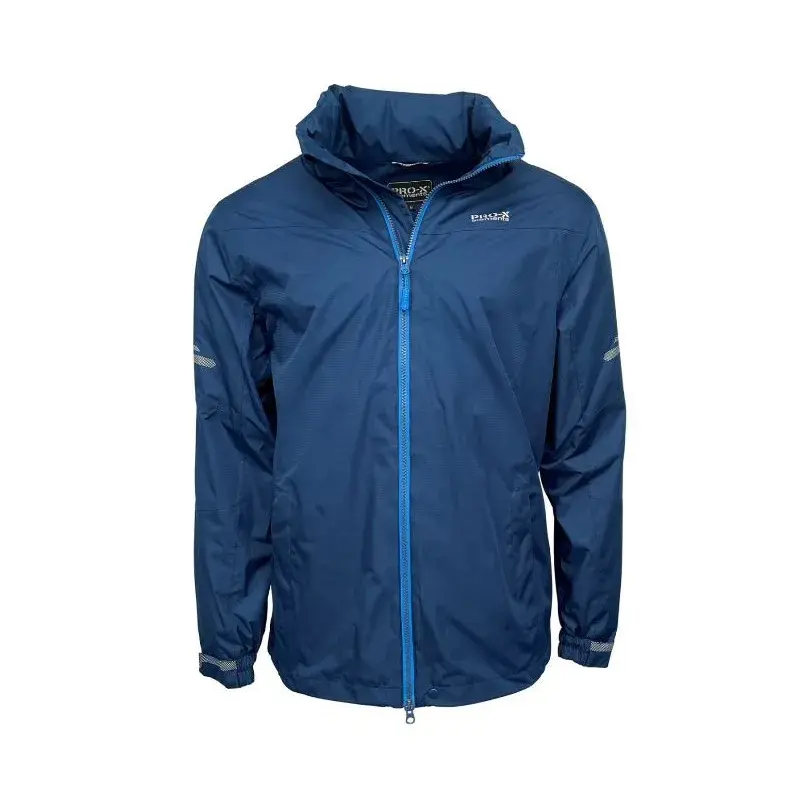
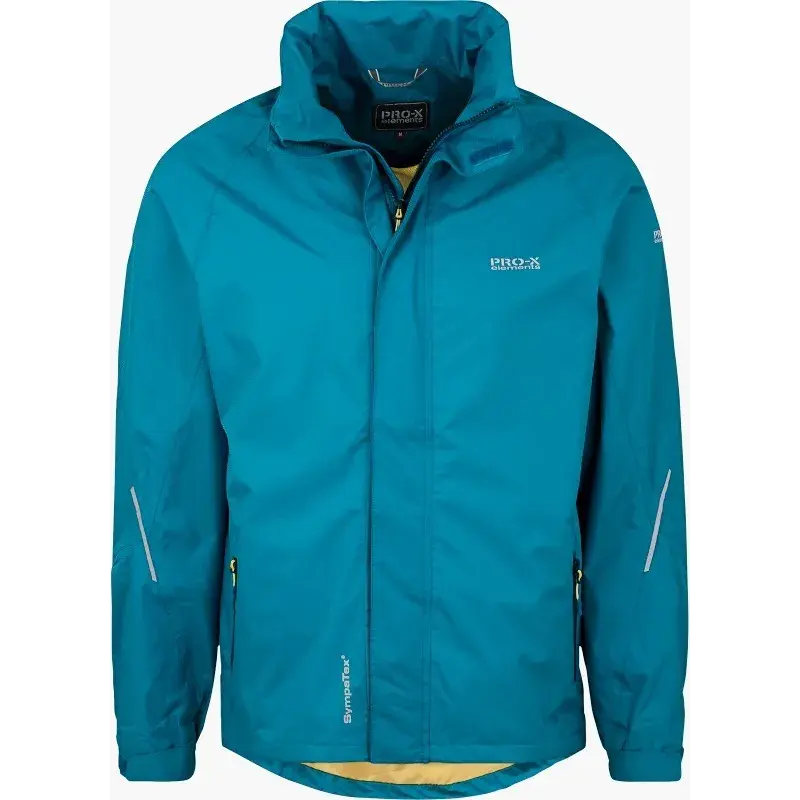
        Conrad men's hiking jacket
        by Pro-x Elements


        For which activities?

        • For multi-day treks, prioritise a lightweight, packable jacket. Bonded linings meet these needs better; learn more about linings.
        • For mountains and rough terrain, freedom of movement matters. A bonded lining is recommended, in 2.5 or 3-layer construction; learn more about layers. Stretch fabrics are an advantage for these activities, particularly over a T-shirt and fleece.
        • For versatile hiking, urban and travel use, consider comfort and practicality. We tend to recommend a waterproof jacket with a separate lining and plenty of pockets: zipped hand pockets, chest pockets and internal pockets. A flap over the main zip also adds a useful style detail.
        • For trail running and running, lightness is key. We recommend an ultralight windproof jacket for short efforts and a more waterproof but lightweight jacket for longer efforts and mountain races.

        Our selection:


        For multi-day treks
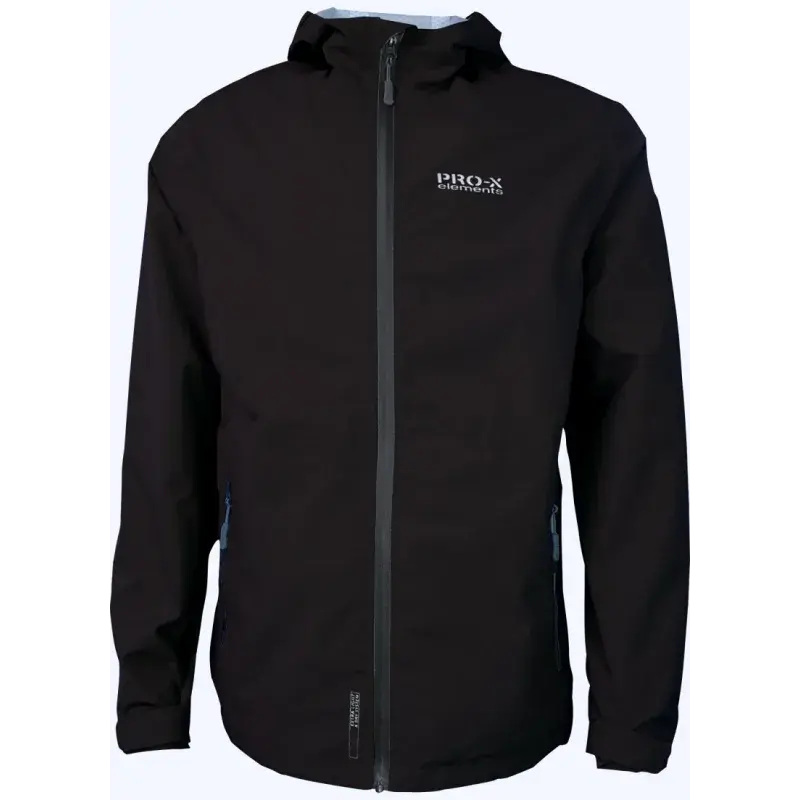
        Black Blake
        by Pro-x Elements

        For rough terrain
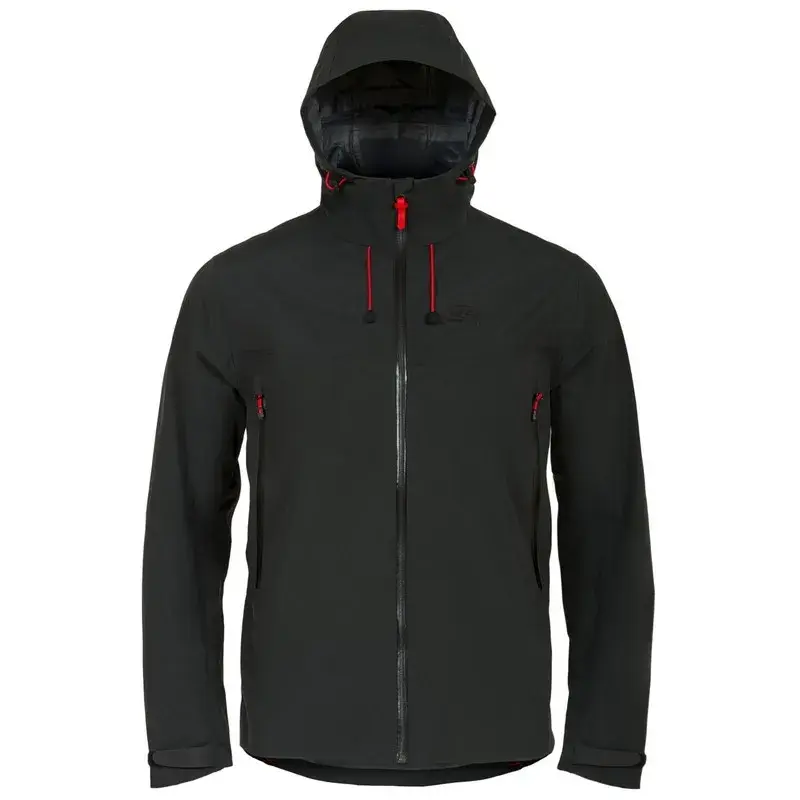
        Black Munro Jacket
        by Highlander

        For rough terrain
        Allan Stretch
        by Pro-x Elements

        For trail running or running
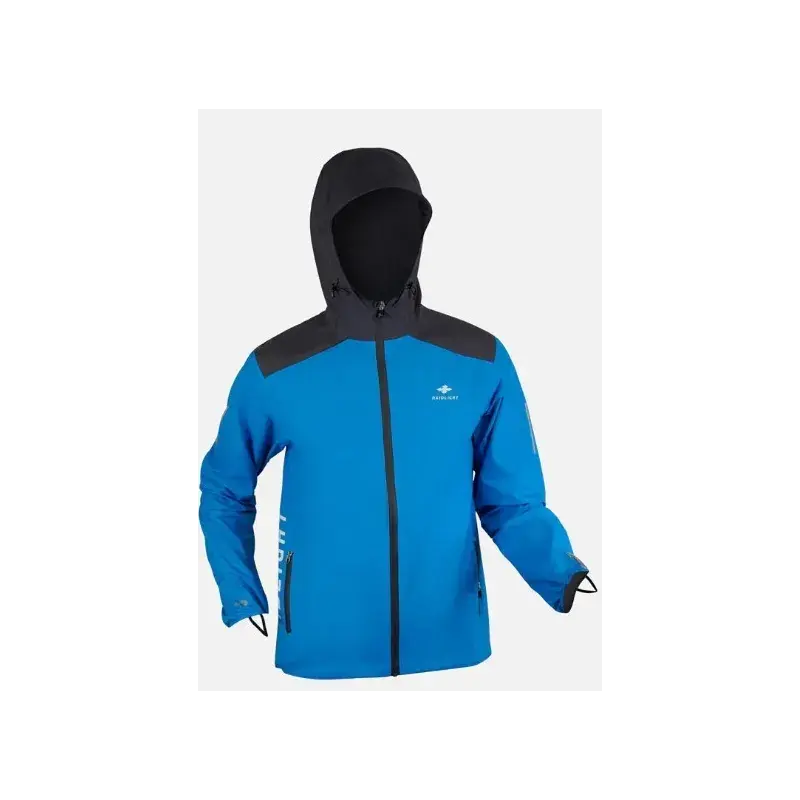
        Top Extreme MP+
        by Raidlight


          For what level of exertion?

          • For intense exertion, removing perspiration is important. We tend to recommend a waterproof jacket with a bonded lining or separate mesh lining; learn more about linings. Underarm ventilation zips are a major advantage for this level of effort.
          • For moderate exertion, comfort should not be neglected. A separate lining can be a useful option.

              What type of protection?

              • Against wind, a hood adjustable at 3 points is recommended. A properly fitted hood stays put in wind and follows your head movements. Sleeve and waist adjustments are also useful factors. For running, prioritise a breathable windproof jacket.
              • Against heavy rain, only our most waterproof jackets provide lasting protection. Avoid softshell jackets, whose water-repellent finish does not protect for long in heavy rain. The best waterproof jackets have a peaked hood with depth adjustment too. We also recommend Goretex membrane jackets for those seeking performance and durability.
              • Against cold, we recommend a rain jacket combined with a fleece and 1st layer. A winter jacket with a warm lining or a 3-in-1 jacket offers alternatives, the latter adding versatility between winter and summer. For moderate cold, a softshell may work, but will not withstand heavy rain. Adjustable cuffs help keep out cold, particularly with gloves. Separate fabric linings are also a good choice against cold.
              • Against abrasion, fabric durability matters. Be cautious with ultralight jackets: for demanding activities, prioritise material over weight. Gore-Tex jackets generally use more resistant fabrics.
              Technical features and their uses

              We start with features common to rain jackets, which protect against rain and wind. We then discuss warm jackets, which add thermal insulation.


              Layers: separate lining, 2-layer, or bonded lining, 2.5 and 3-layer:

              • Separate inner lining: some jackets, sometimes called 2-layer, have a separate inner lining, with only the protective outer fabric and waterproof-breathable membrane bonded together. Others have an inner lining bonded to the membrane, known as 3-layer, or a more affordable coating applied to the membrane, known as 2.5-layer.

              Jackets with separate linings generally feel more pleasant against bare skin than bonded linings. The air layer between lining and membrane also adds a little insulation in cold weather and reduces condensation. The downside is greater bulk and weight.

              Separate linings include mesh linings, a synthetic mesh fabric allowing perspiration through.

              • Bonded linings: jackets with bonded linings, in 2.5 and 3-layer construction, are thinner, therefore more compact, and lighter, useful for keeping in your pack as backup. They are less insulating and less pleasant against skin, but offer greater freedom of movement over a T-shirt or thin fleece.

              Weight

              depends on lining type, fabric thickness and jacket features. Under 500 g is a lightweight, compact jacket. However, very light fabrics generally resist abrasion less well.

              Waterproof, breathable membrane: Gore-Tex or a manufacturer's membrane

              The famous Gore-tex remains the benchmark waterproof-breathable membrane: performance and durability at a premium price. Other membranes, such as MP+ and manufacturers' own technologies, including North Face Dryvent and Millet Dry Edge, offer performance at a more affordable price.

              Waterproofing is sometimes rated in Schmerbers, or mm hydrostatic head, and breathability in g of water vapour released /m2/24h. In use, the difference is not always obvious… Apart from windproof jackets, often merely water-repellent against light rain, all our rain jackets are waterproof and breathable. However, remember that all jackets have limits: water eventually penetrates in continuous rain, breathability decreases when the jacket is covered in water, and stops working if perspiration condenses because of thermal shock, intensified by hard effort and heavy perspiration.

              Stretch fabrics

              Some jackets use stretch fabrics for greater freedom of movement during broad gestures and sporting activities.

              Ventilation zips

              Underarm ventilation zips create airflow without removing protection, very practical during hard effort in rain or cold wind.

              Without ventilation zips, zipped pockets with mesh interiors provide some airflow.

              Protective finishing details

              • The hood:

              Sometimes adjustable in depth, with 2 adjustment points at the collar and 1 at the back, preserving your field of vision and reducing wind exposure.

              A pre-shaped peak provides additional protection.

              A stowable or removable hood can be useful for urban or 4-season use.

              • Main zip, water-resistant or with a flap: a water-resistant zip is lighter for a backup jacket; a flap gives a look more easily adapted to town;
              • Cuffs and hem:

              Elasticated versions are light and more affordable, but not adjustable.

              Hook-and-loop adjustable cuffs let you vary the fit for the weather and adjust over gloves in winter.

              Hem drawcords are sometimes located inside the hand pockets, so you can tighten them without exposing yourself.

              • Pockets:

              Hand pockets, zipped or otherwise, are sometimes positioned higher to remain accessible with a harness or backpack.

              External chest pockets, often on 3-layer jackets, or internal ones, almost standard on lined 2-layer jackets, shelter your smartphone, keys or documents.

              (- fitted or loose cut: do not include, as this is not always visible on screen)

              Warm jackets

              add thermal protection to a waterproof-breathable membrane. A warm jacket can be a rain jacket combined with different layers: a thermal or ordinary T-shirt, fleece and insulated jacket. You can then adapt your clothing to the weather.

              • For purely winter use, choose a jacket with an integrated warm lining, such as Primaloft synthetic insulation.
              • For greater versatility, use a 3-in-1 jacket: a rain jacket zipped to a fleece or insulated jacket, with the 2 pieces usable separately according to weather and season.

              Softshells offer lighter, more flexible solutions for light rain, moderate cold or intense sports.

              Product comparison
              Compare
              Rayon Rando advice