





When choosing trekking poles, several technical options are available: folding poles, twist-lock telescopic poles and lever-lock telescopic poles.
We explain how to choose between these 3 types of trekking poles according to your needs.
There are several criteria to consider.
Weight: advantage telescopic poles
If weight matters to you because you want to hike light or enjoy holding very light poles, telescopic poles have the advantage:
Typical weight of an aluminium folding pole: 250 to 300 g; a carbon folding pole: 200 to 250 g
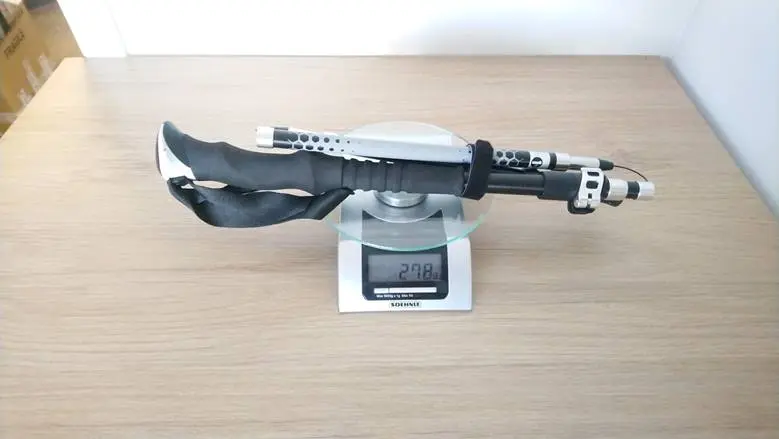
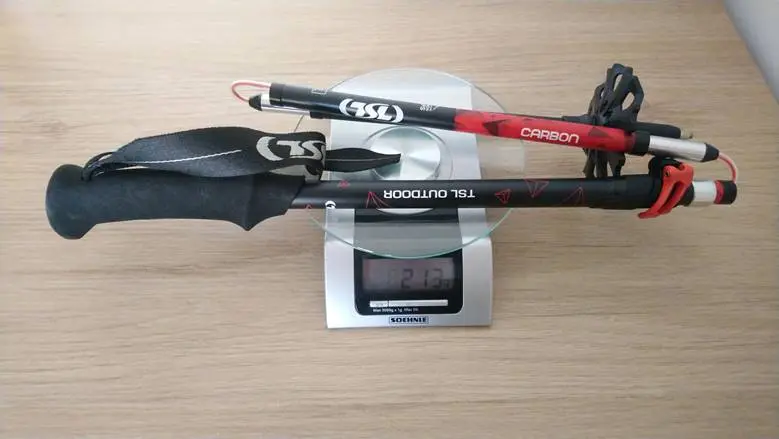
Elementerre - Lagoya TSL - Tour carbon 5 Light
Typical weight of a twist-lock telescopic pole: 160 to 300 g
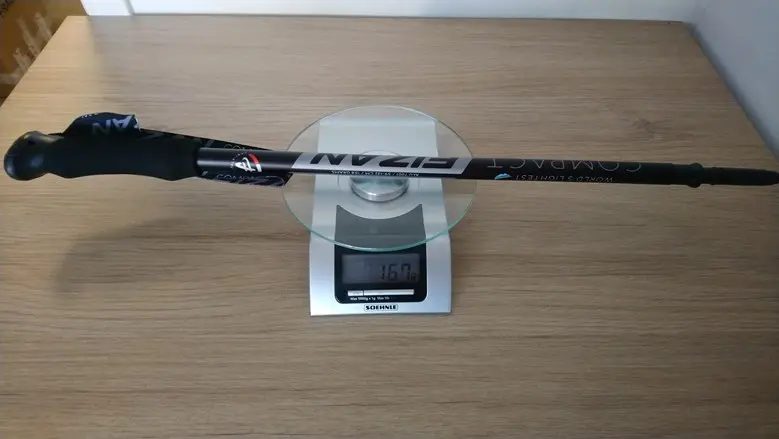
Fizan - Compact
Typical weight of an aluminium lever-lock pole: 210 to 270 g; carbon: 170 to 200 g.
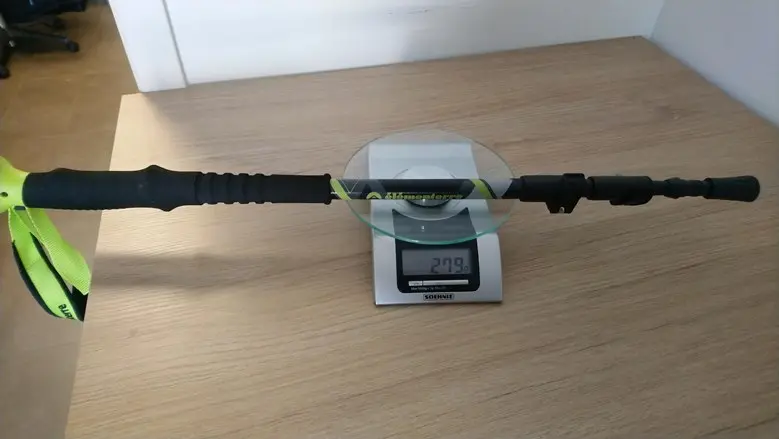
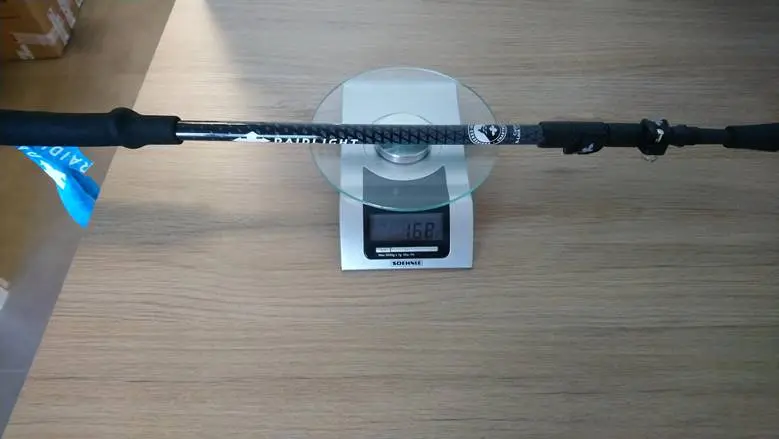
Elémenterre - HOBO Raidlight - Carbon 3
Telescopic poles therefore generally have the advantage. You can save even more weight by choosing a carbon trekking pole.
In my view, a 30 g difference is not decisive when choosing. A difference of 100 g, however, deserves consideration.
Packed size: folding poles win
There is no contest. A folding pole packs down to the length of its longest section, whereas a telescopic pole's 3 sections do not nest completely and are therefore logically longer.
A short packed pole is useful if you need to store it inside your backpack. This matters on public transport when you cannot leave poles attached outside, particularly for checked luggage.
However, we offer a 4-section telescopic trekking pole, the Fizan Compact 4, which also packs down very compactly.
Finally, I sometimes use a trick on public transport: I separate my telescopic poles' 3 sections and pack them side by side inside my backpack, reducing their packed length by a few cm.
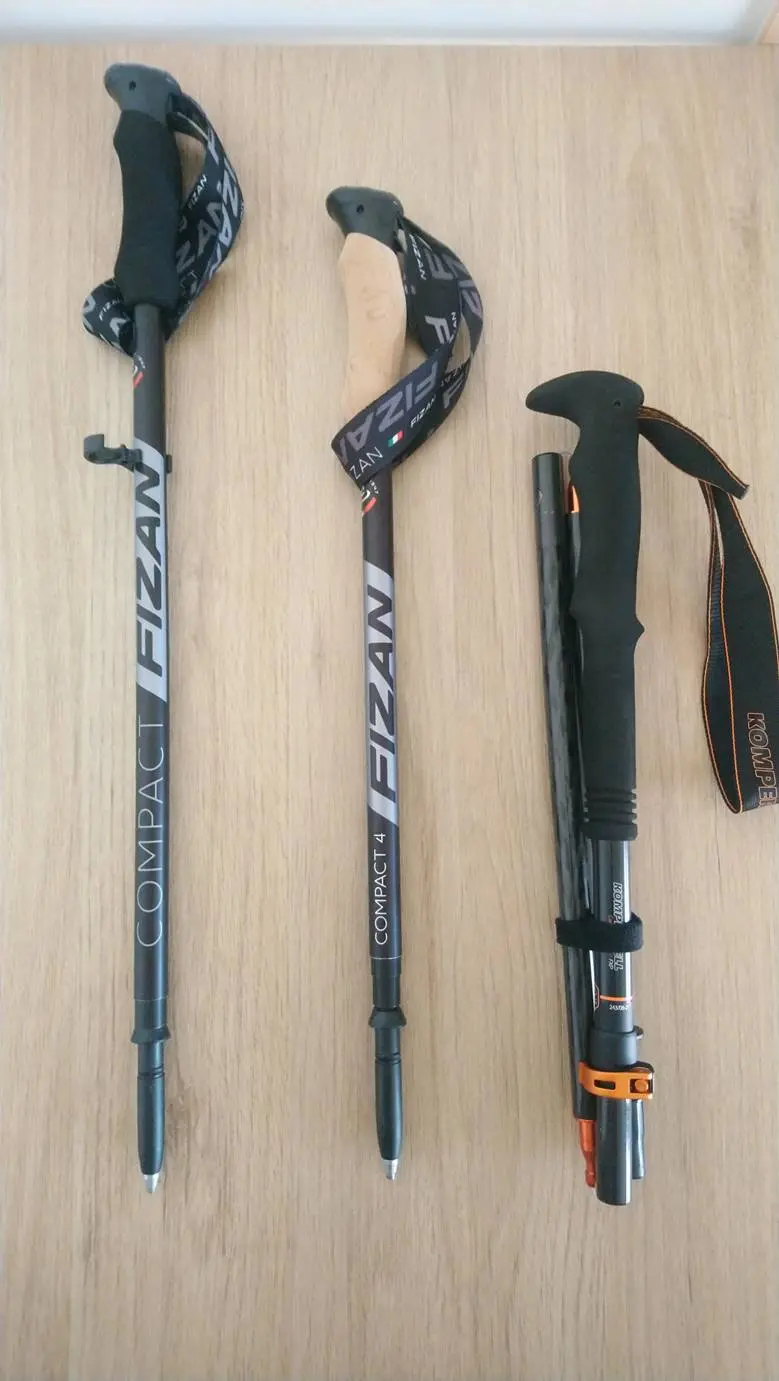
Fizan Compact - Fizan Compact 4 - Komperdell Vario compact
Practicality: depends on your needs
Fixed-length folding poles are primarily used for trail running and can also suit moderate slopes and fast walking. But on significant slopes, I find the inability to adjust their length a deal-breaker.
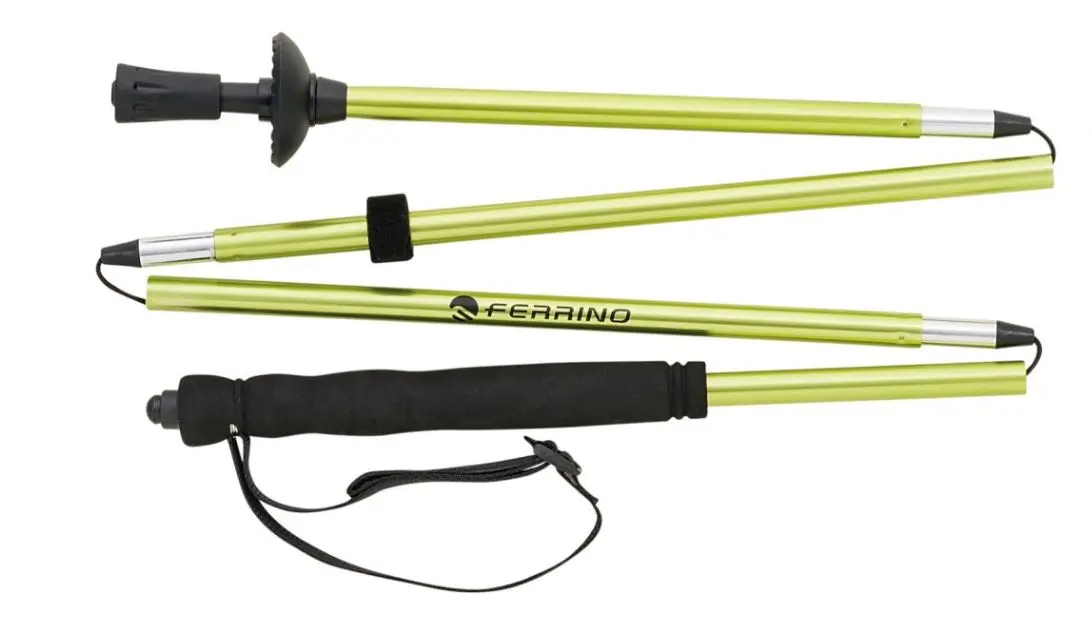
Adjustable folding poles combine the advantages of different pole types: the upper section is telescopic with a lever lock, generally allowing around 20 centimetres of adjustment. I find this very practical in use. However, for shorter people who prefer a short pole, the minimum length remains quite substantial.
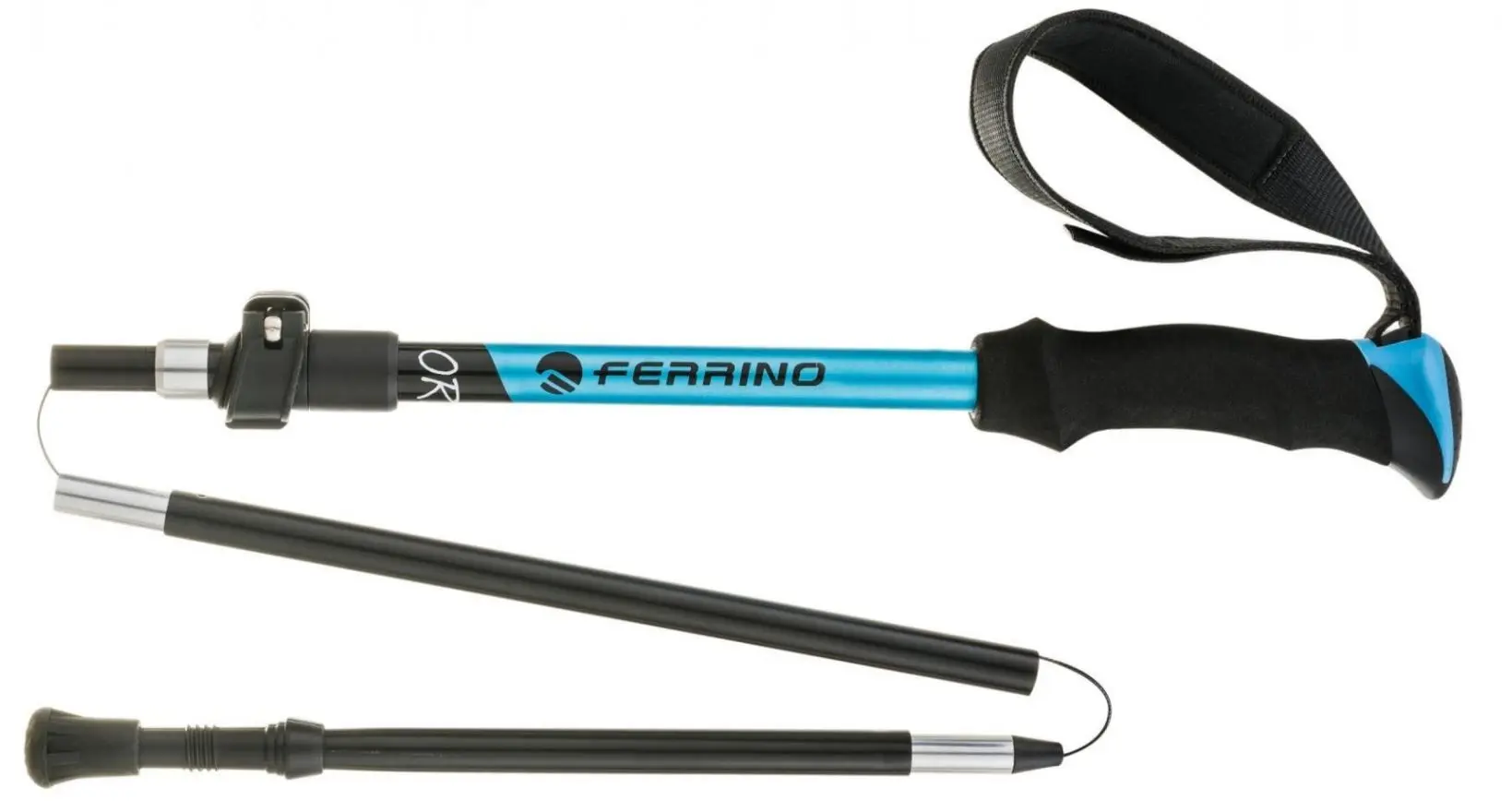
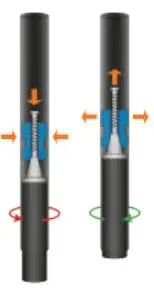
Twist-lock telescopic poles have several advantages. Besides including the lightest models, their length adapts precisely to your height, habits and the slope. These poles may feature shock-absorption systems, useful for people sensitive to vibration or with hand joint problems. But they require twisting to lock and unlock. For intensive use, I recommend quality poles such as Fizan: no force is needed to tighten them, and their locking system does not seize over time. I also advise twisting all 3 sections together: faster, with even tightening. Finally, wash and dry the tubes after your holiday so they always slide smoothly.

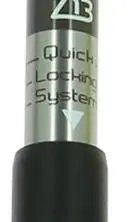
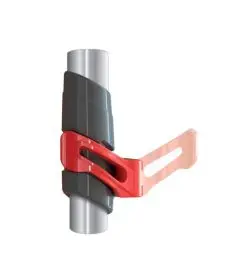
Lever-lock poles also allow precise length adjustment. They appeal through easy collapsing and extending. No force is required, and they are easy to handle with winter gloves. However, occasionally adjust the small tensioning knob on the lever to prevent sections sliding down during use. For intensive use, I again recommend quality poles such as TSL: the locking system fits more precisely and needs less retightening.

Reliability: varies with quality
Budget poles are less strong and have a shorter lifespan, whether folding or telescopic. They suit occasional use or a first purchase.
Higher-quality poles are tougher, with more reliable, durable locking systems.
Price gives a good indication of quality, distinguishing aluminium poles from more expensive carbon models.
Generally, Fizan and TSL poles are reliable, well made and rarely generate after-sales issues at RayonRando.com.
In our experience, poles usually break when planted in a hole and levered by forward momentum, or in a fall. In these cases, any pole can break.

Conclusion:
Your choice of pole type therefore depends on different uses: carrying inside a backpack, summer or winter, day hiking or self-sufficient trekking, occasional or intensive use.
You decide how to weigh up these criteria.
Personally, I prefer very light twist-lock poles for self-sufficient treks, while finding lever-lock poles especially suitable for snowshoeing. But I am fortunate enough to test them all…