Choosing a portable hiking sharpener
A quality portable sharpener transforms your outdoor experience. Light and compact, it restores a blunt blade's edge without bulk. The aim is a tool combining versatility and ease of use, even far from home.
Criteria for an effective field sharpener
For sharpening a folding knife in varied terrain, we particularly recommend dual grit. Coarse grit reshapes the edge, while fine grit gives a precise, razor-sharp finish. Keep weight below 50 grams to maintain a lightweight kit.
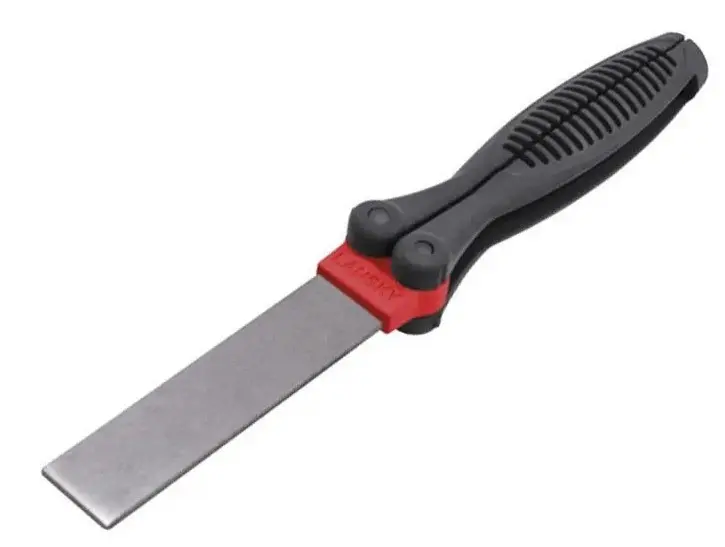
A sharpening surface of at least 20 millimetres suits both folding knives and bushcraft blades. Prefer a folding handle that protects the stone during transport and minimises bulk.
- Dual grit (coarse + fine): ideal for quickly restoring sharpness, then refining precisely without changing tools.
- Quality diamond: ensures very slow wear, even in damp or dusty environments.
- Folding handle: protects the abrasive surface and minimises pack space.
- Weight below 50 grams: keeps hiking equipment light.
Diamond remains particularly effective even in demanding outdoor conditions. Unlike conventional stones, it retains effectiveness after many uses, including in damp environments.
Diamond or ceramic sharpener: which to choose
A portable diamond hiking sharpener is often considered more effective for outdoor maintenance. Thanks to tungsten carbide, it sharpens most blades in just a few passes.
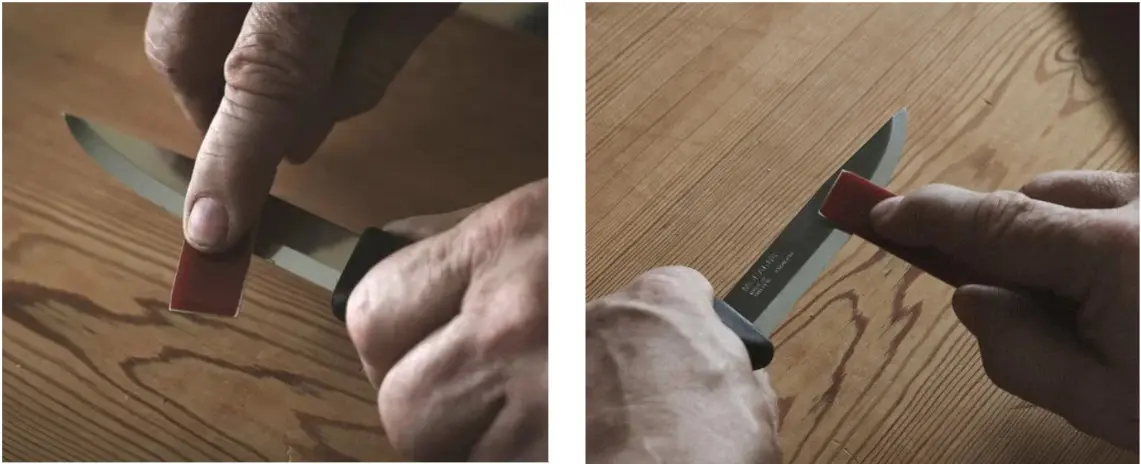
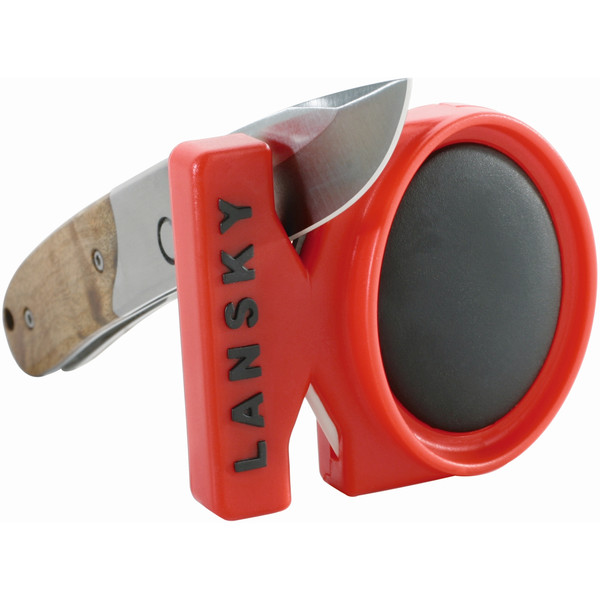
Ceramic polishes the metal, giving your knife an excellent finish. This combination offers complete sharpening without multiple accessories. The Lansky QuickFix pocket sharpener embodies this innovative approach, ergonomic and safe to avoid injury in remote settings.
Knife-sharpening techniques outdoors
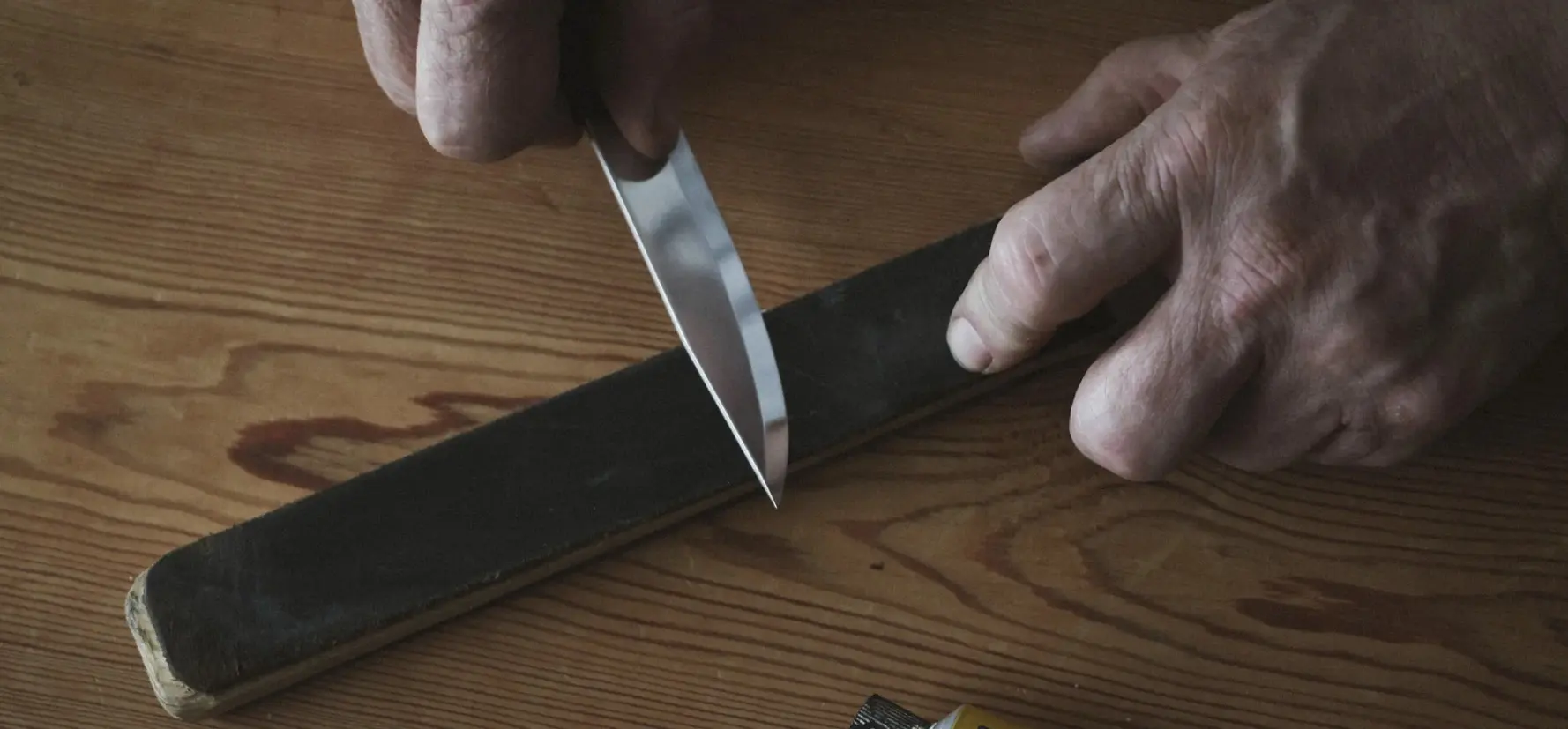
Mastering sharpening in the field can transform your hiking experience. Success combines a precise sharpening angle, even pressure and a suitably graded sharpening stone. Know your equipment thoroughly before using it in real conditions.
Sharpening stones: choosing the right grit
To sharpen a bushcraft knife without extra weight, a dual-grit stone is most versatile. A 400–600 grit quickly restores an edge to a blunt blade, while 1,000–2,000 grit refines it for clean cutting. A natural stone measuring 16 × 2 centimetres, medium-hard with a shepherd's finish, offers optimal grit for quick sharpening of folding or bushcraft knives.
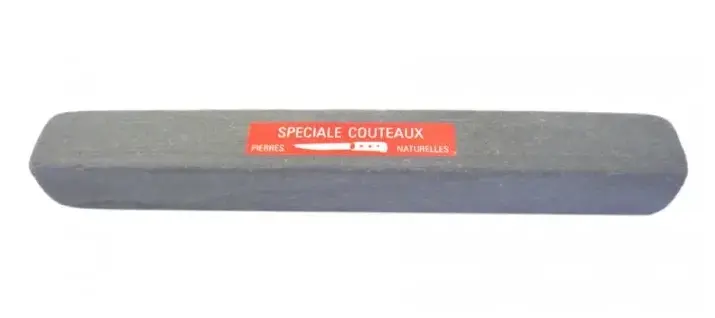
A compact size of 15 to 20 centimetres balances a comfortable working surface and portability. Natural stones from the Pyrenees are known for toughness and resilience in difficult woodland conditions.
| Grit type | Use | Recommended passes |
|---|---|---|
| 400–600 grit (coarse) | Quickly restore a very blunt edge | 5–8 alternating passes per side |
| 1,000–2,000 grit (fine) | Refine and polish the edge for razor-sharp cutting | 3–5 alternating passes per side |
A diamond sharpening stone can complement this method perfectly. A natural stone suits stainless and carbon steels alike, ensuring effective maintenance on outings. Use a folding support or rigid case to protect your sharpener from impacts on steep terrain.
Maintaining the optimal sharpening angle
The sharpening angle directly affects your knife's final cutting quality. For carbon steel, maintain a sharpening angle between 15 and 20 degrees. Stainless steel supports slightly more acute angles, around 15 degrees, for an extremely fine edge.
For a constant angle throughout, stabilise the stone on a flat rock or against a sturdy stick. This precision turns simple sharpening into quality edge refinement. Pass the blade over the stone with even pressure, from heel to tip, for uniform results.