Too cold, too hot, wind, rain, then a heatwave… Depending on the season, daily weather or location, hiking can bring many weather changes in a short time, leaving you unsure what to wear. T-shirt, fleece and waterproof jacket: 3 technical garments forming the 3-layer system. Breathability, warmth and protection: these 3 adaptable layers help you cope with bad weather, cold and excess perspiration when trekking, cycling or enjoying other outdoor activities.
Rayonrando explains this trio of technical garments so you can finally enjoy comfortable days of walking, whatever the weather!

  • What is the 3-layer system?
  • What does each of the 3 layers do? Which mistakes should you avoid?
  • How do you use these layers on the day of your hike?

What is the 3-layer system?

This adaptable layering principle handles all weather variations with minimal clothing. When hiking, particularly trekking, weight and bulk are the main criteria for equipment carried in your backpack. The 3-layer system is therefore a compact, lightweight solution for staying warm and dry.

First layer: breathability above all

During physical effort, your body sweats. If sweat is not properly removed, it prevents temperature regulation. Your body therefore needs to breathe to avoid overheating. This is where the technical T-shirt comes in.
Usually polyester, a technical hiking T-shirt provides this breathable layer. Choose a close fit for optimal outward moisture transfer.
A synthetic T-shirt is light, breathable and very quick-drying, but beware of odours in some cases, particularly if you sweat heavily! Plan to wash regularly. Often, simply rinsing it, even in cold water, is enough: it dries quickly and can be worn again the next day.

The alternative? A merino T-shirt. Merino wool's ability to regulate heat exchange while resisting odours makes it an excellent 1st-layer alternative.
Things to avoid with the 1st layer:

  • Taking your cotton T-shirt because it looks good. Cotton does not wick sweat well: you quickly feel hot during effort and cold at rest because the shirt is soaked. Cotton is also heavier than synthetic fibre.
  • Not all synthetic T-shirts are equal. The most technical are thin and very light, maximising sweat transfer and quick drying. Cheaper options, when heavier and thicker, take longer to dry and are more likely to smell.

Second layer: insulation to stay warm

Depending on the day's weather, departure time and sensitivity to cold, you need effective thermal protection. To choose this 2nd layer, distinguish active periods from rest periods during a hiker's day.

Active periods:

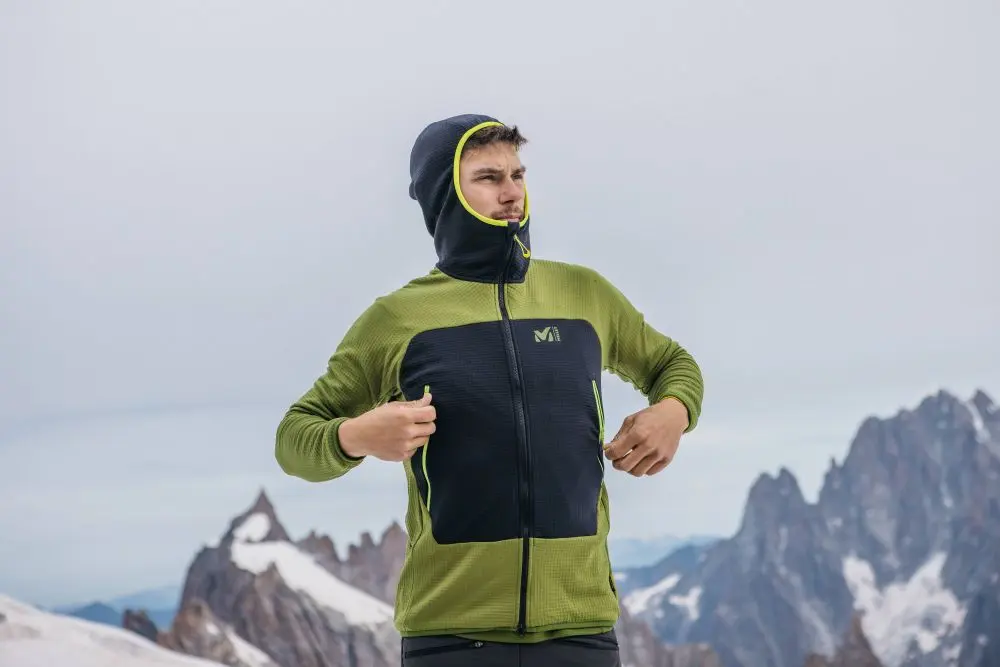
Even if slightly cold at departure, walking warms you quickly. You then produce sweat that must be wicked away through the T-shirt and this 2nd insulating layer. A fleece is more suitable than an insulated jacket because it allows air to circulate while trapping some in hollow fibres to protect against cold. Choose a fairly thin, particularly breathable fleece. A full-zip fleece jacket also lets you open and close it as you feel warmer or cooler, in shade or sun, windy or sheltered areas…

Rest periods:

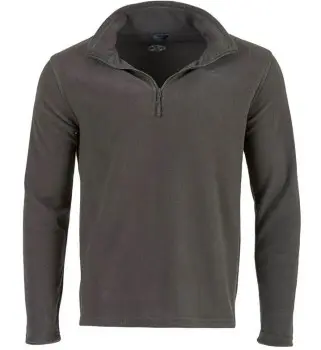
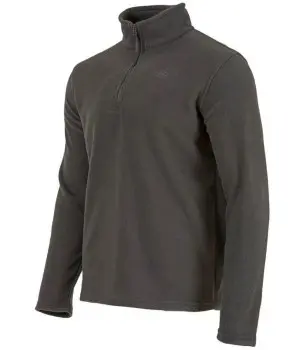
At rest, the body cools and sweat management is no longer the issue. Choose a well-insulated 2nd layer. An insulated jacket or thicker fleece works here. Weight, bulk and personal comfort matter alongside insulation. A quarter-zip fleece suffices.
The most suitable 2nd-layer solution is therefore to take a thin, breathable fleece for daytime + a thick, warm fleece for evening.

3rd layer: weather protection

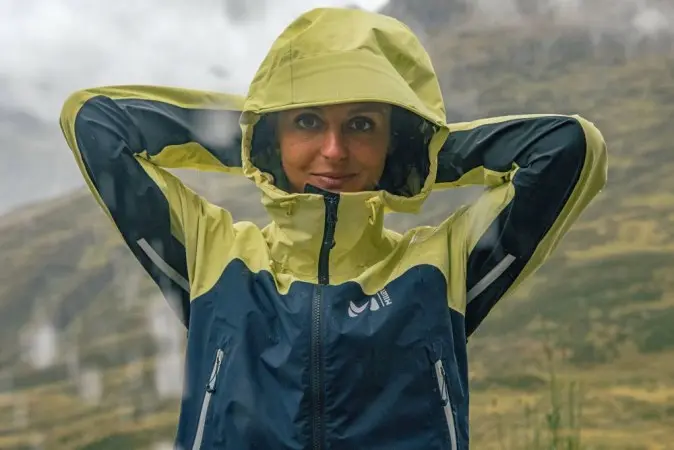
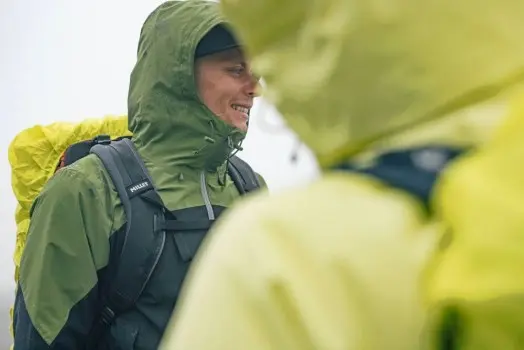
Nature sometimes brings weather changes, particularly in mountains, that hikers must handle to continue without excessive discomfort. The 3rd layer provides protection against rain, wind, hail and snow. A rain poncho or jacket fulfils this role.
Waterproofness is measured in Schmerber (a water-column height in mm indicating fabric resistance to water pressure). A rain poncho, not subjected to backpack pressure, can be effective from 2,000 mm. A rain jacket needs 8,000 to 10,000 mm to be waterproof.
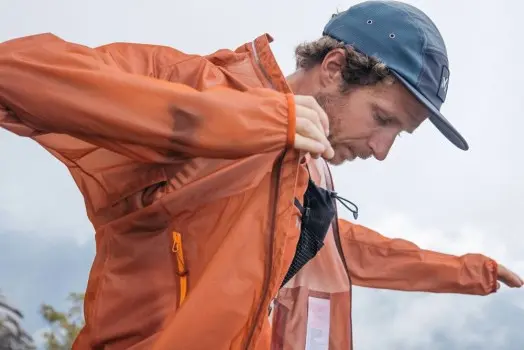
But although this 3rd layer must keep you dry by being waterproof, breathability matters too. Technical jackets and some ponchos have waterproof, breathable membranes such as Gore-Tex or DryEdge that help remove sweat. Do not expect miracles when sweating heavily, particularly in cold external conditions that encourage condensation. Some jackets have underarm vents that release sweat and heat without removing protection.

Things to avoid with the 3rd layer:

  • Choosing an oilskin-type garment. Completely watertight, it blocks rain but also sweat. Sweat will leave you soaked, rather than rain!
  • Taking a basic rain jacket, such as an old K-way, or an everyday jacket, neither breathable nor waterproof enough for prolonged rain. Once soaked, an everyday jacket can take a long time to dry.
  • Relying on a windproof layer because it is light. It is not designed for prolonged rain.

How do you use the 3 layers when hiking?

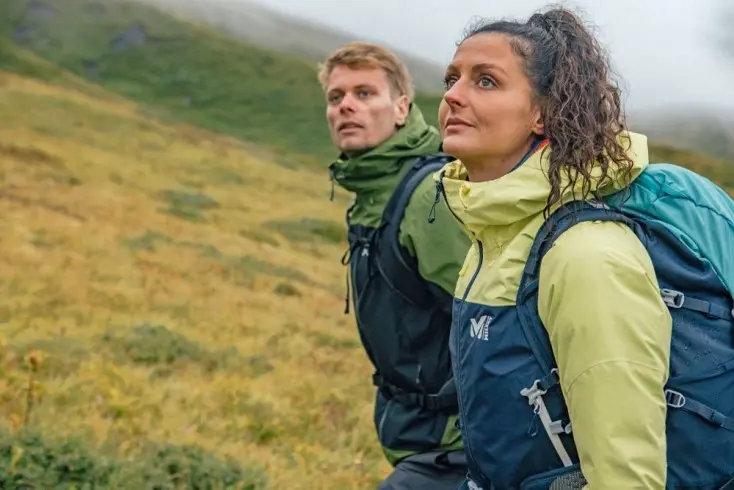
As you will have understood, these 3 layers, particularly the 2nd and 3rd, should be adjusted to weather and effort. Here are combinations Rayonrando suggests for different situations:

Synthetic (or merino) T-shirt alone:

  • Active walking in fine weather
  • During breaks in warm weather

Synthetic (or merino) T-shirt and rain jacket:

  • Cool temperatures with cold wind, while active
  • Mild temperatures with rain, while active
    Synthetic (or merino) T-shirt, breathable fleece:
  • Resting during lunch in cool weather
  • Cool temperatures, sheltered from wind, while active

Synthetic (or merino) T-shirt, warm fleece:

  • Resting during lunch or at camp in cold weather
    Synthetic (or merino) T-shirt, breathable fleece and rain jacket:
  • Starting a hike in cold weather, exposed to wind and/or rain
    Synthetic (or merino) T-shirt, warm fleece and rain jacket:
  • Starting a winter or high-altitude hike with rain / wind / snow
    Replace the warm fleece with a more breathable one once warmed up.
    These are examples. Adapt layers to how much you sweat and how sensitive you are to cold.

The 3 layers also apply to legs

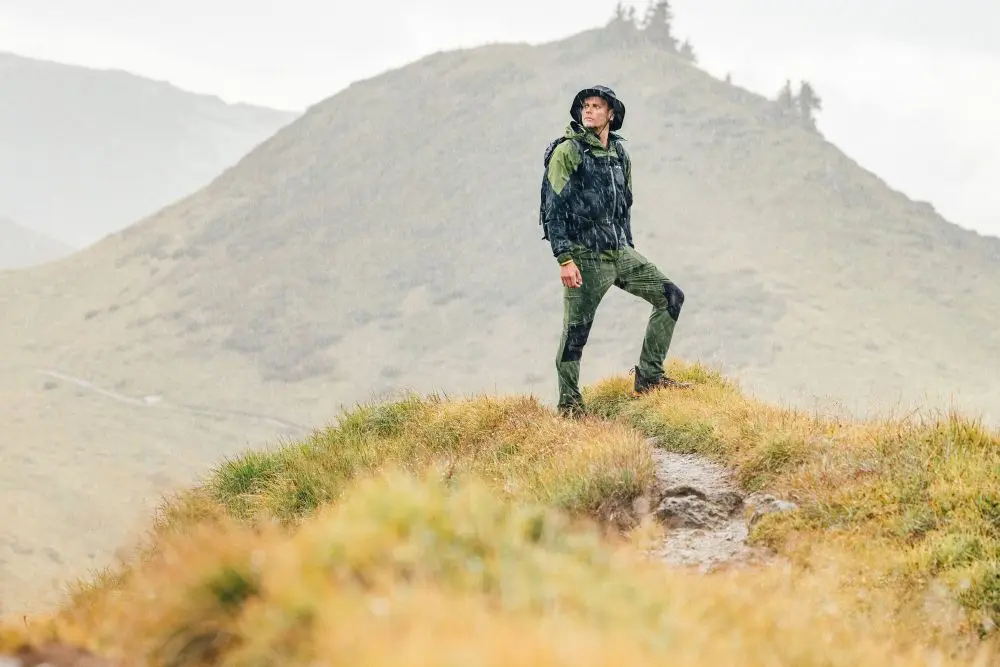
You can also adjust leg clothing while hiking. For example, wear synthetic or merino leggings on a winter snowshoe outing. Your stretchy, breathable trousers then form the 2nd layer, followed by waterproof, breathable rain trousers to protect against moisture or falling in snow…
For hands in very cold climates, add thin, warm liner gloves such as Monnet's IR-Reflex. Combined with ordinary gloves, they keep your hands warm.

Softshell and 3-in-1 jackets: a sensible choice?

To avoid juggling these 3 layers, you might be tempted by a Softshell or 3-in-1 jacket. One jacket, fewer decisions. True, but you lose the versatility of 3 layers for every situation.
With a 3-in-1 jacket, you risk overheating and poor sweat removal. A Softshell may not protect enough in heavy rain.
These 2 jacket types therefore suit very short hikes or everyday use better. They are poorly suited to physical activity lasting one or several days.

Conclusion:

The 3-layer system, perfectly suited to hiking or cycling, helps you feel more confident through changes of effort and weather during the day. Used properly, it is highly effective: for example, remove layers before overheating to avoid getting soaked with sweat, and avoid keeping a slightly damp breathable fleece on during breaks.
Finally, 2 tips for the start and end of the day:

  • At the start of a hike, remember you will warm quickly. Avoid overdressing if possible. If cold weather means dressing warmly, plan to change after a few minutes' walking or, on early starts, as soon as you reach sunshine.
  • On arrival, always have dry clothing to put on. A dry change for your overnight stop is essential to avoid cooling down and enjoy the evening.

Product comparison
Compare
Rayon Rando advice