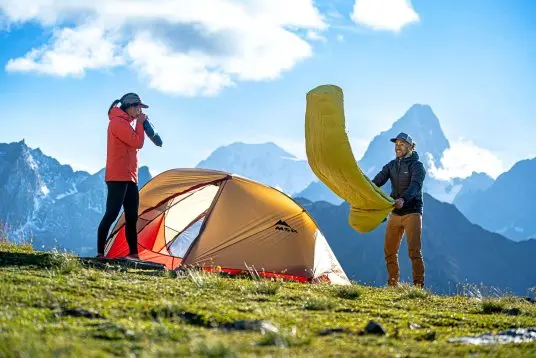
When wild camping, sufficient warmth is crucial for a good night's sleep. This does not depend solely on your sleeping bag choice.
This article does not focus on choosing a sleeping bag (covered in other articles and advice on Rayonrando.com). Here we offer tips and techniques to optimise your thermal protection and enjoy restorative sleep:

  • Choose your camping spot carefully.
  • Reduce your sensitivity to cold.
  • Use your sleeping bag effectively.
  • Know what to do if temperatures drop too low.

Campsite location: minimise cold exposure

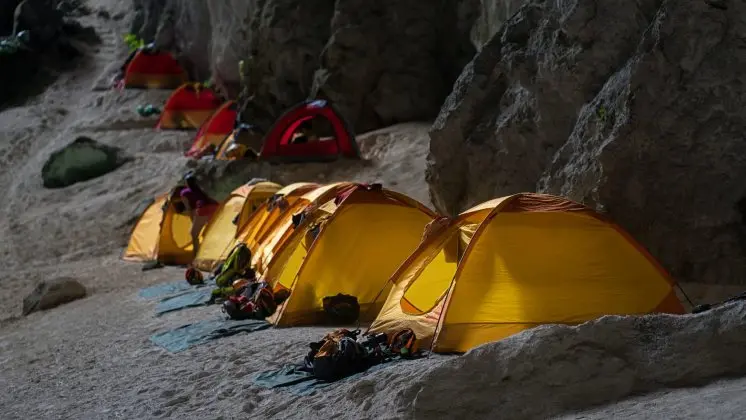
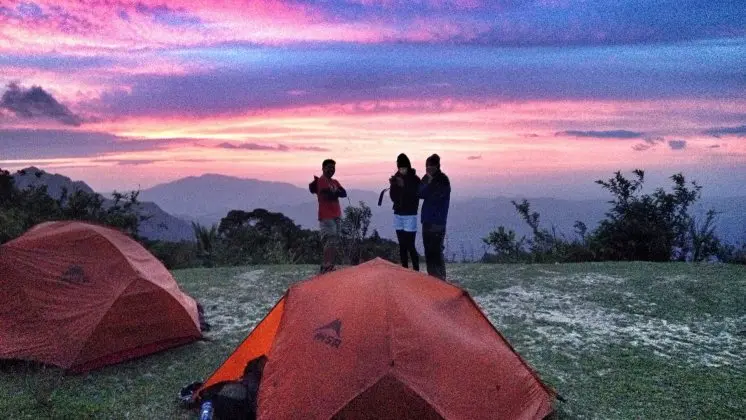
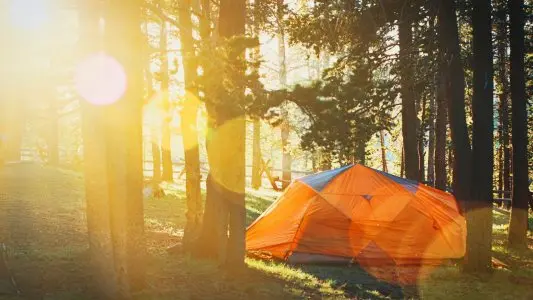
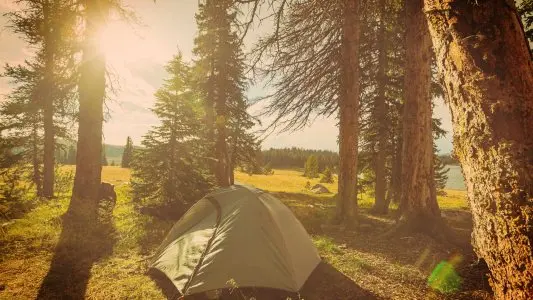
You may not think of it when pitching, but moving your tent just 100 metres can considerably reduce cold exposure.
Remember that moisture can make you feel colder. For example:

  • Camping beside a stream exposes you to more cold than setting up 50 metres back.
  • The same applies near a lake, particularly in wind.
  • Camping in a valley below a glacier may expose you to descending cold, damp air at night. Move a little away to avoid this airflow.
  • Moisture and wind are the two main aggravating factors. In exposed areas, seek terrain that blocks wind, such as a small hill or hollow (provided it is not too damp or liable to fill with water). A narrowing valley can also intensify wind.

Pitching near water or the best view is often tempting. However, eating there and pitching a little further away in shelter may be wiser.
Always consider moisture and how wind changes overnight (in the mountains, the ground cools and air descends).

Reduce your sensitivity to cold

Our sensitivity to cold is not constant. If tired or ill, you will be more vulnerable. At RayonRando.com, however, we also recommend a few simple habits to cope better:

  • Wash! Even if stream water is chilly… I have found clean, dry skin copes with cold better than dirty skin. The day's sweat retains moisture even when dry. If my campsite has no water, I wash at the last water source before moving on.
  • Eat and, above all, drink hot soup. Even when temperatures are not very low, hot soup provides warmth and good hydration.
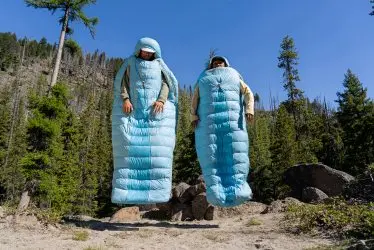
  • Do not go to bed cold. Warming up inside your sleeping bag is difficult if you enter it cold. Before getting in, stimulate your body: raise your heart rate to encourage circulation. Hop gently, move your arms… You can also rub your camping companion's body to warm everyone up.

Use your sleeping bag optimally

If down-filled, unfold your sleeping bag a few minutes before bed and shake it to restore loft. This is less of a concern with synthetic filling.

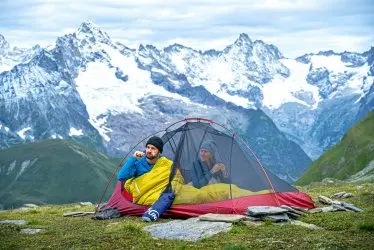
At RayonRando.com, we advise against zipping sleeping bags together. Good for cuddles, less so for warmth. Every movement creates space between the sleepers that lets warm air escape.

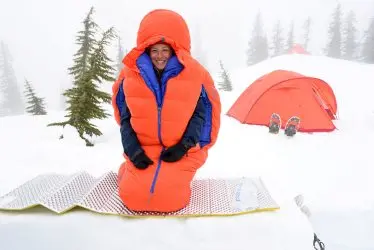
Protect your head, where heat loss can be significant: in cold weather, tighten your hood or wear a hat. Tightening it fully leaves just a breathing “porthole”. Similarly, if your bag has a shoulder draught collar, close and adjust it (generally found only on warm bags). Again, the aim is to prevent warm air escaping. Even a lightweight liner slightly improves thermal protection by adding another “skin”. Finally, air your sleeping bag if damp.

If it gets too cold, respond appropriately

If temperatures fall, add clothing layers, but avoid overdressing and sweating. Sweat moisture can create thermal bridges and ultimately make you feel colder. Choose breathable, clean, dry clothing (such as merino thermal base layers). Prioritise protecting your head and feet.

Sleep in the foetal position. This reduces body surface exposed to cold, helping retain warmth.

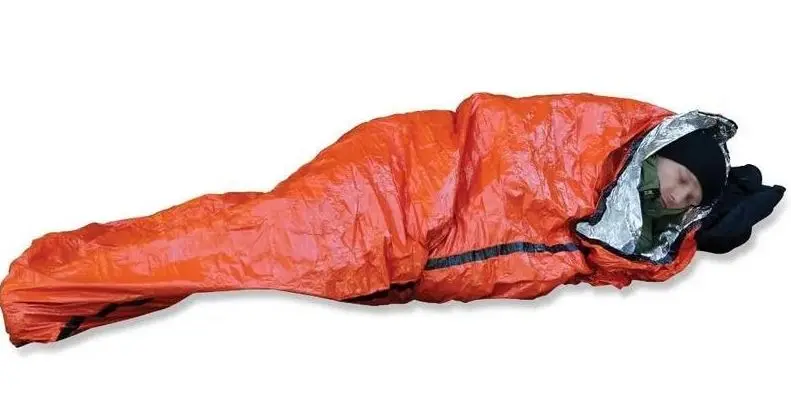
Use an emergency blanket or insulating foam mat under your sleeping mat to reduce heat loss to cold ground.
An emergency blanket over your sleeping bag can be an effective temporary solution, but beware of sweating. If sweat condenses, it may create thermal bridges and cancel out the blanket's benefits.

In conclusion:

To cope with cold, naturally you need a sleeping bag (and mat) suited to weather conditions. Beyond this, several good habits help reduce exposure.

However, if you cannot warm up during the night, your hike and safety, and those of your companions, may be compromised. Reconsider your route: descend, seek shelter or turn back.

Product comparison
Compare
Rayon Rando advice