Should you choose a rain poncho or rain jacket for hiking? A classic dilemma, with each solution offering advantages according to conditions.

Our RayonRando team adapts its equipment to each outing: 

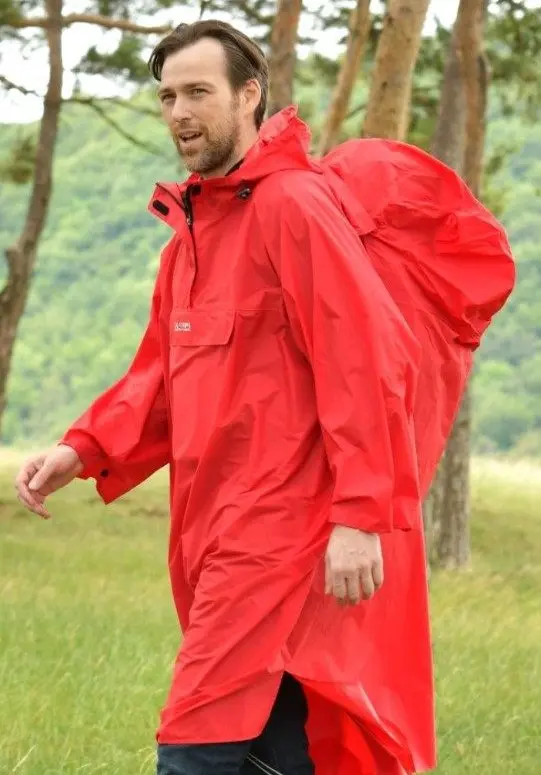
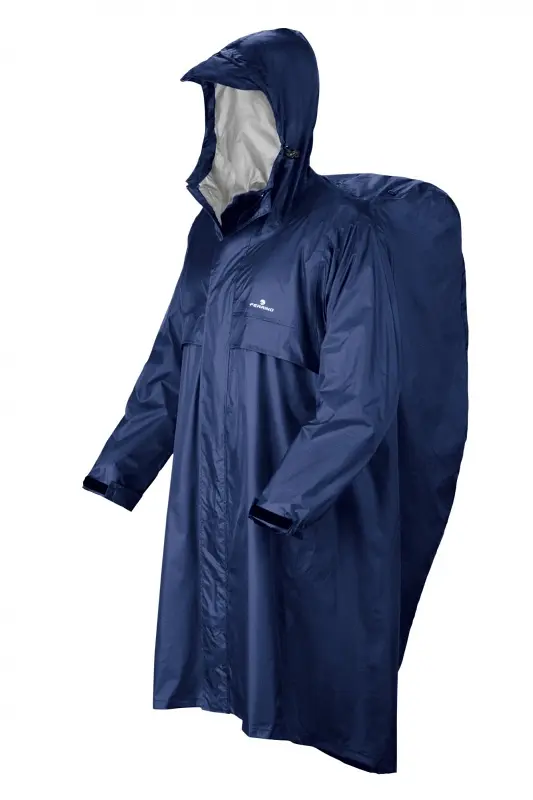
  • A rain poncho, supplemented by a lightweight windproof layer against wind and cold when it is not raining. But I do not take waterproof trousers, as the poncho reaches below the knees, or a backpack cover, since the poncho already covers it.
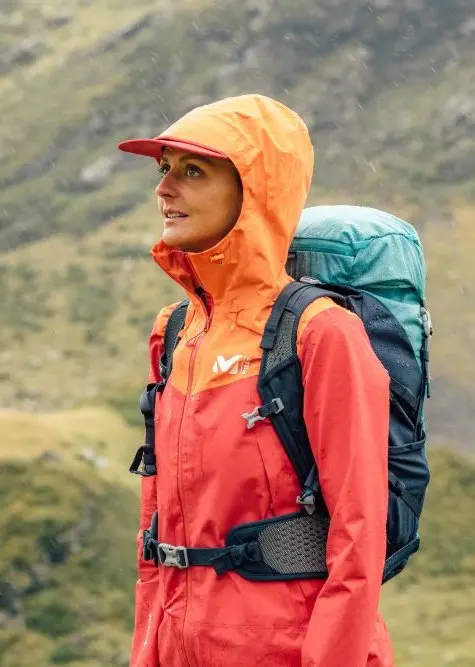
  • A rain jacket, which acts as a windproof layer when it is not raining, but always requires waterproof trousers and a pack rain cover.

As you can see, there is no single answer. The choice depends on what I am doing.

We will look at the 5 factors that help favour one or the other.

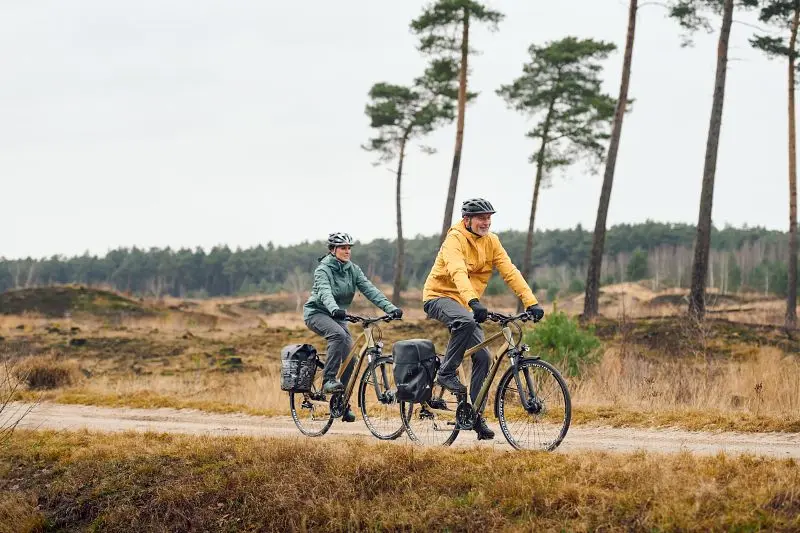
Finally, we will look more specifically at how to dress for cycling in rain, with additional accessories that help provide good rain protection on a bike.

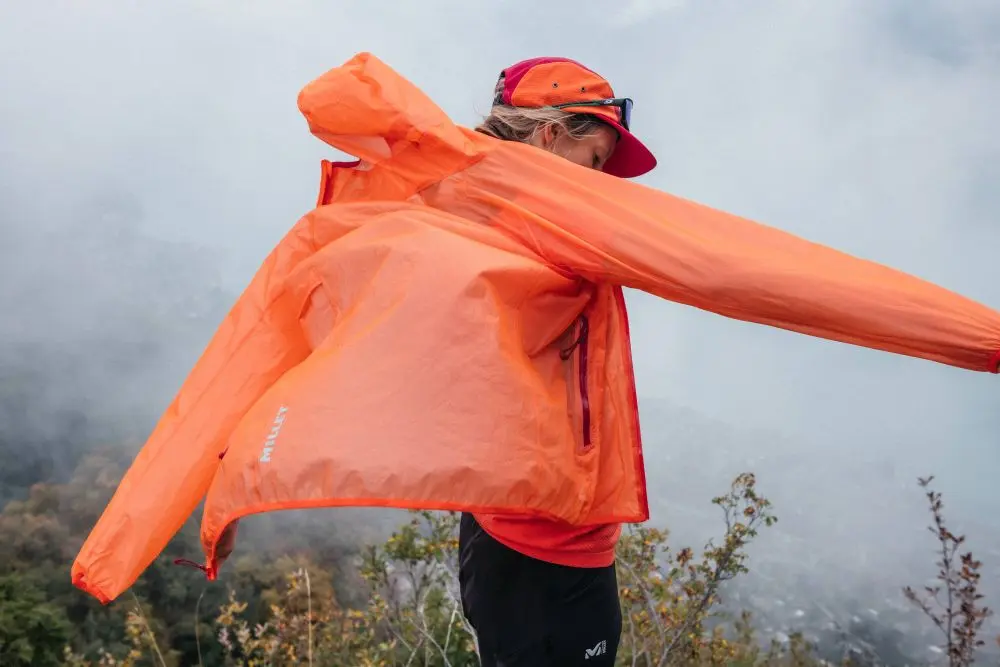
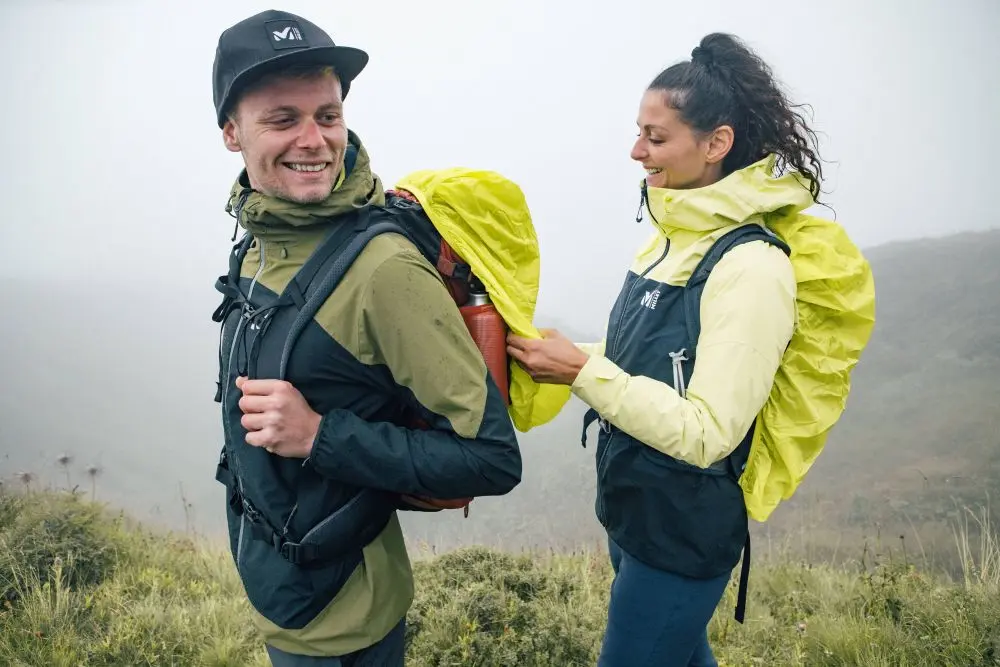
Millet waterproof jacket
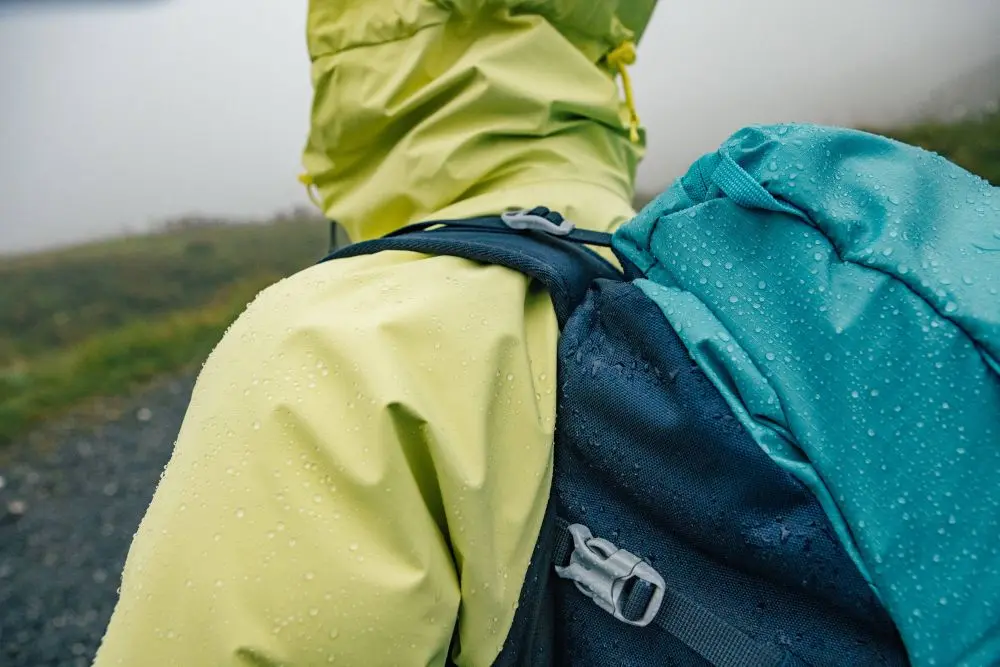
Rain cover

Waterproof rain protection: real-world performance

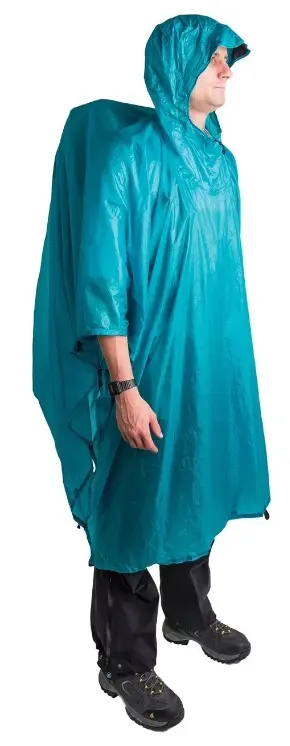
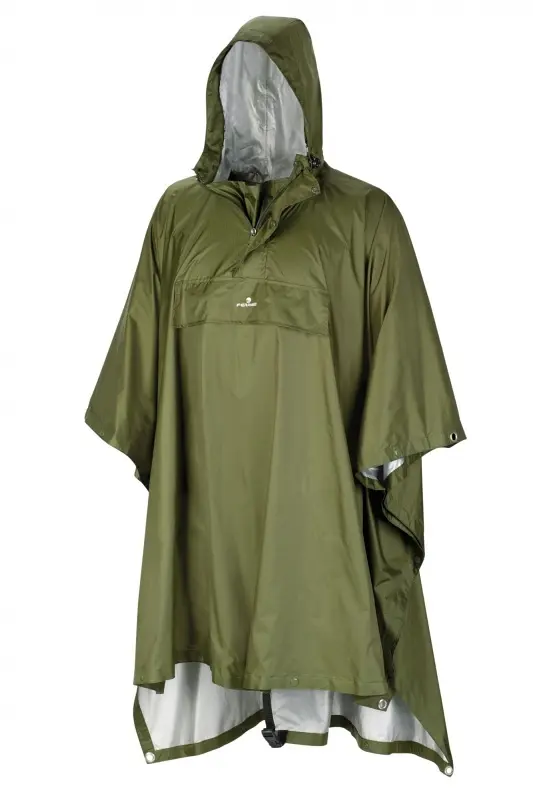
A rain poncho provides watertight protection, keeping you dry down to your knees. Although the lower legs remain exposed, most of your body is fully protected. Because the material is not breathable, its loose cut allows welcome natural ventilation. 

However, a poncho with sleeves causes more perspiration, while a sleeveless poncho leaves your forearms exposed to the weather. Hiking jackets, by contrast, often include a membrane that is both waterproof and breathable.

A rain jacket manages body moisture better and offers adjustable ventilation. However, waterproofing always has limits, and water may penetrate after sufficiently long exposure to heavy rain. 

This leakage problem also affects waterproof trousers.

Protection against wind and cold: a key factor when choosing a rain poncho or waterproof jacket

In gusts, the jacket and trousers combination has an advantage over a rain poncho. This detail often makes the difference to a successful hike:

  • In driving rain and cold weather, we favour a waterproof jacket paired with trousers for optimal protection and ventilation.
  • In very windy regions such as Iceland, a hiking waterproof jacket and trousers become essential.
  • In milder weather, we find a rain poncho more practical.

Practicality: ease of use and freedom of movement

Putting on and removing waterproof clothing quickly

When it starts raining on a hike, every second counts as you put on your waterproof clothing to stay dry. 

We find a rain poncho more practical because it is one piece to put on. It is easier with two people; alone with a large backpack, you need to get the knack.

If your rain poncho opens fully, there is a reliable trick for putting it over a large-capacity rucksack on your own:

  • Spread your poncho fully on the ground
  • Place your rucksack on it
  • Pick up both together and put them on your back

With a rain jacket, proper protection requires three separate steps: waterproof jacket, waterproof trousers and cover. Trousers that unzip make this easier. Quarter-zip versions require you to remove your footwear, wasting precious time in the rain.

Moving freely on different hiking terrain

On technical sections, such as rock faces, ladders and cabled passages, a fitted hiking jacket offers optimal freedom of movement, even in strong wind. Its ergonomics are better than a rain poncho's.

There are two major differences:

  • A versatile waterproof jacket allows you to regulate temperature without taking it off (using ventilation zips).
  • A rain poncho is larger and less delicate, so it also serves as a groundsheet for picnics or unpacking your rucksack.

Total weight: a realistic comparison between poncho and waterproof jacket

Ultimately, the weight difference is modest:

  • Quality rain poncho + lightweight windproof jacket = 550–700 g
  • Lightweight waterproof jacket + lightweight waterproof trousers with full-length zips + rucksack rain cover = 700–750 g

If every gram counts, the rain poncho retains an advantage. Some ultralight ponchos weigh under 300g for lightweight hiking, but at the expense of wind resistance and durability.

Cycling rain protection: specific challenges

Cycling in rain presents greater challenges than walking: speed, body position and exposure time create very wet and sometimes cold conditions. Here are some ways to address these challenges.

How speed affects poncho and jacket waterproofing

On a bike, rain strikes fabric harder than when walking, increasing the risk of water penetration. Models such as the men's Conrad jacket and its women's equivalent Vroni offer excellent waterproof protection while remaining thoroughly breathable.

From 20 km/h, wind resistance becomes a real challenge: unlike a rain jacket, a standard poncho turns into a sail. However, rain capes such as the Pro-x Bern are designed for this use, with straps to secure them easily at different points.

Range of movement 

Pedalling requires considerable freedom of movement, so room around the legs is an important consideration.

Wearing waterproof trousers and a jacket together can feel restrictive. A poncho leaves your lower legs wet but gives you greater freedom of movement.

The seated position

When seated with your arms extended: 

  • With a rain poncho, folds between your arms encourage pockets of water to accumulate, requiring occasional emptying.
  • With a rain jacket, the seated position exposes your lower back to rain. Technical rain jackets such as the Escape Bike Light Jacket or Conrad protect without restricting movement, with a sufficiently long lower back section, sometimes foldable using press studs.  

Protecting hands and feet effectively

Hands, particularly exposed to damp and cold, need protection while retaining dexterity. Waterproof gloves with a breathable membrane keep fingers warm while allowing good brake control. Some capes, such as the Bern, feature waterproof mitts extending from the sleeves, developed specifically for cyclists.

Cyclists often wear low-cut shoes, leaving their feet more exposed than hikers'. For feet frequently soaked by splashes, waterproof socks or cycling-specific gaiters provide simple, effective moisture protection.

Conclusion

At RayonRando, we choose our equipment carefully to suit real weather conditions. 

The rain poncho is our preferred option for practicality, while a complete waterproof jacket and trousers setup is essential in wind, low temperatures or on technical mountain hikes.

When cycling in the rain, we pay particular attention to protecting our hands and feet to stay completely dry. The choice between poncho and jacket depends mainly on your bike type, riding position and the expected intensity of rainfall.

FAQ

Is a waterproof jacket really suitable for hiking?

Yes. A waterproof jacket specifically designed for hiking offers optimal weather protection. Choose a backpack-compatible model with a breathable membrane and ventilation openings: you get excellent protection while effectively releasing perspiration during exertion.

How should you dress effectively for hiking in rain?

Follow the three-layer principle: a technical base layer to wick moisture, an insulating mid-layer if needed, and a waterproof outer layer. Add waterproof trousers, watertight protection for your pack and suitable accessories to keep your body dry in all conditions.

Which poncho should you choose for hiking?

For hiking, choose a tough nylon poncho long enough to protect your thighs and compatible with a backpack. Sleeveless models are better ventilated in summer, while sleeves add warmth in windy weather. Full-zip models are more practical but slightly heavier than pull-on versions. 

What is the real difference between a rain cape and a poncho?

A rain cape is generally larger and looser than a poncho, offering better backpack coverage. A poncho is more compact and easier to put on. Both are waterproof but non-breathable, with natural ventilation. Rain jackets often have a breathable membrane to manage body moisture better while hiking.

Product comparison
Compare
Rayon Rando advice