





When the weather deteriorates in metropolitan France, discovering warmer countries is tempting. But the tropics bring more than sunshine: they also have unwanted companions, mosquitoes.
Besides the immediate discomfort, they carry diseases such as dengue, malaria and Zika. It is therefore important to protect yourself from bites as much as possible.
Here are some first-hand experiences and tips to:
- Reduce your exposure to risk;
- Use suitable accessories and repellents for protection;
- Limit discomfort if you are bitten.
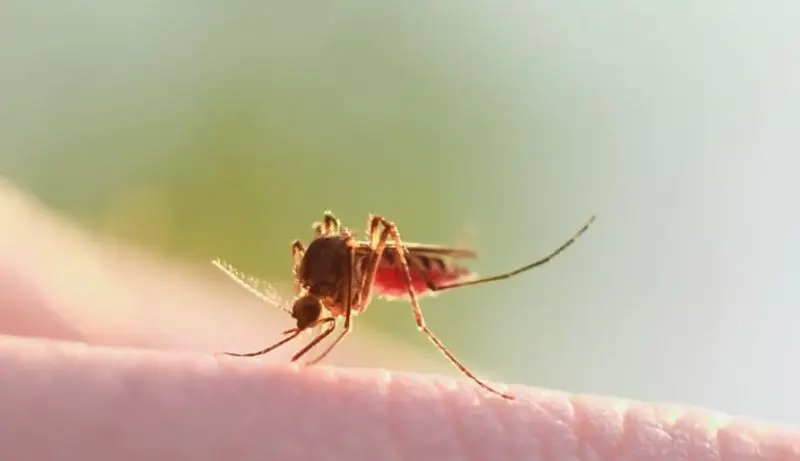
Good habits to reduce exposure to bites:
It can sometimes feel as though mosquitoes attack all the time. In reality, there is a peak time: dusk, when mosquitoes are particularly aggressive and swarm. It is therefore strongly recommended to take shelter as daylight fades. Once night has fallen, this swarming diminishes considerably.
You can then leave your hiding place, taking a few precautions with your clothing:
- Choose loose-fitting clothing. Mosquitoes will find it much harder to sample your blood.
- Next, opt for long-sleeved tops and lightweight, closed shoes. Avoid short-sleeved shirts, vests and sliders: during the day, exposed skin will attract more than just sunshine…
- Finally, some studies suggest mosquitoes are attracted to specific colours: red, orange, black and cyan blue. They apparently associate these with our skin. Bear this in mind when packing your clothes.
Using suitable equipment to prevent mosquito bites:
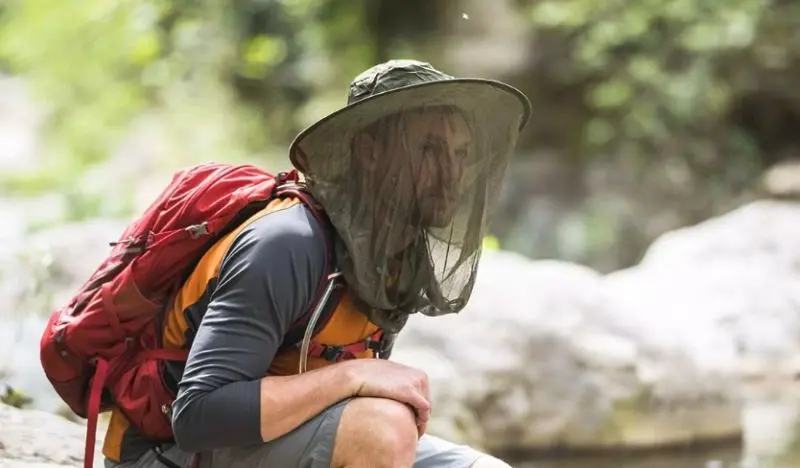
The head net
Even during the day, some areas can be infested with mosquitoes. For these potentially brief encounters, we recommend always keeping a head net tucked away in your backpack. This very lightweight, compact accessory protects your face from painful bites.
The bed mosquito net
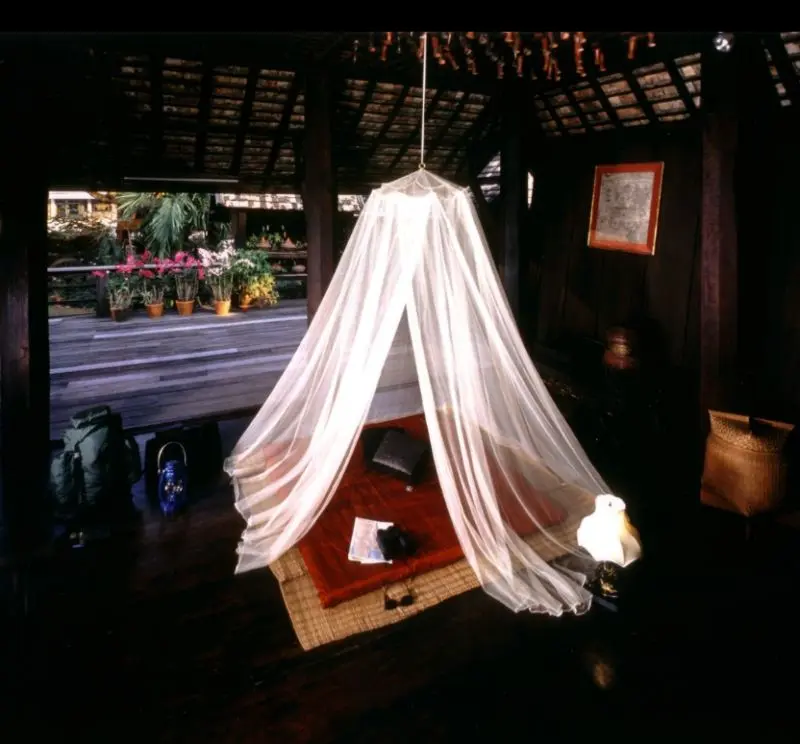
Beds do not always come with one, but this equipment can make all the difference to a good night's sleep. Choose a net with a fine mesh.
You can buy nets already treated with repellent for greater effectiveness. However, because of EU standards, untreated nets are more common. In this case, you may be able to apply a repellent specifically designed for fabrics yourself.
Take care with children and pregnant women, checking repellent contraindications carefully.
The hammock mosquito net
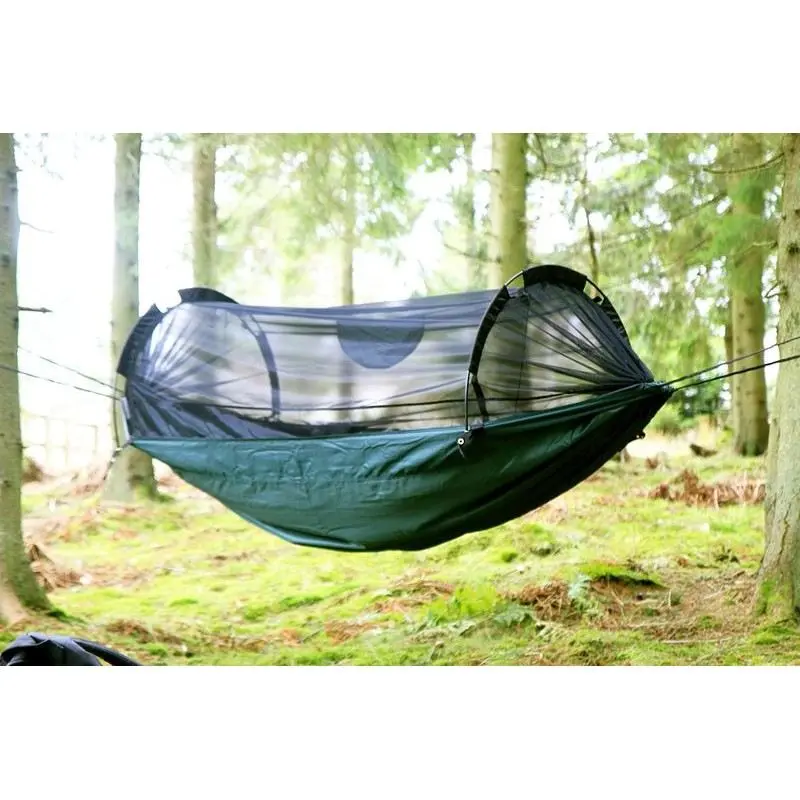
For nature lovers spending the night in a hammock, a dedicated mosquito net is available. It completely encloses and seals your hammock. If you have not yet bought your hammock, models with integrated mosquito nets are also available.
Chemical skin repellent: very effective, but not for everyone
The most effective mosquito repellents are based on DEET (a molecule specifically developed to repel many insects, at concentrations of up to 50%).
They are available as sticks, roll-ons or sprays. With sprays, avoid spraying the face.
DEET is often used in repellents labelled “Tropical”.
However, because of their active ingredient, they are strongly discouraged for pregnant women and children under 12. In this case, a “natural” repellent should be used.
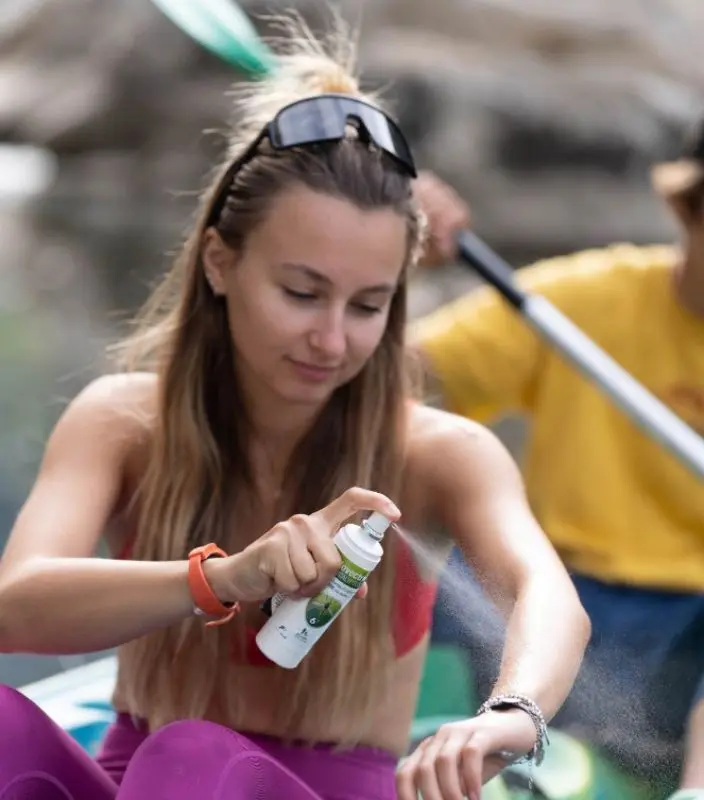
Natural skin repellent: better tolerated by everyone, but requires regular application
These natural, plant-based products (geranium, citronella, eucalyptus and so on) are effective, but do not last as long as chemical repellents. You therefore need to be diligent about reapplying them. For example, natural repellents generally do not protect you all night. Simply observing how close mosquitoes get to your skin can alert you.
These repellents are particularly recommended for children and pregnant women. Also note that natural products often have a stronger smell than chemical products, which may bother some people.
Area repellent: only as an additional measure
Whether it is a mosquito coil (effectiveness depends on air currents), a UV lamp (effectiveness depends on power and battery charge) or similar systems, remember that these mosquito-control systems alone will not prevent bites. They do, however, help reduce mosquito numbers.
We recommend these “comfort” products more for countries such as France, where disease risks are far lower than in the tropics.
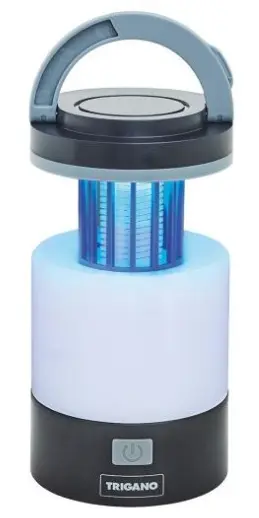
Rechargeable mosquito-repellent lantern - Trigano
Treated socks
Along with wrists, ankles seem to be a favourite area for mosquitoes. Do not neglect this area when applying repellent, for example. To give yourself every advantage, wear socks treated with repellent.
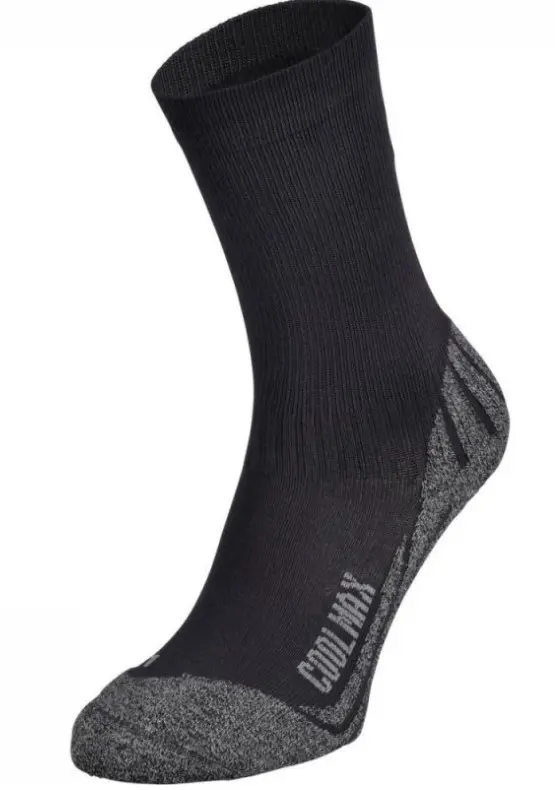
Insect-repellent treated socks - Careplus
Browse our mosquito sprays, repellents and nets
Reducing discomfort if you are bitten:
If mosquitoes still manage to bite you despite these precautions, several options can quickly soothe the itching. Always try to resist scratching, otherwise you will worsen the sensation and the damage caused.
Piezoelectric bite relief, such as Mousti click:
Tested and approved by the Rayonrando team, this small, unassuming device quickly relieves bites using piezoelectricity. Click several times on the bite so that the electrical arc neutralises the itching. Given its small size, it would be a shame not to put it in your backpack!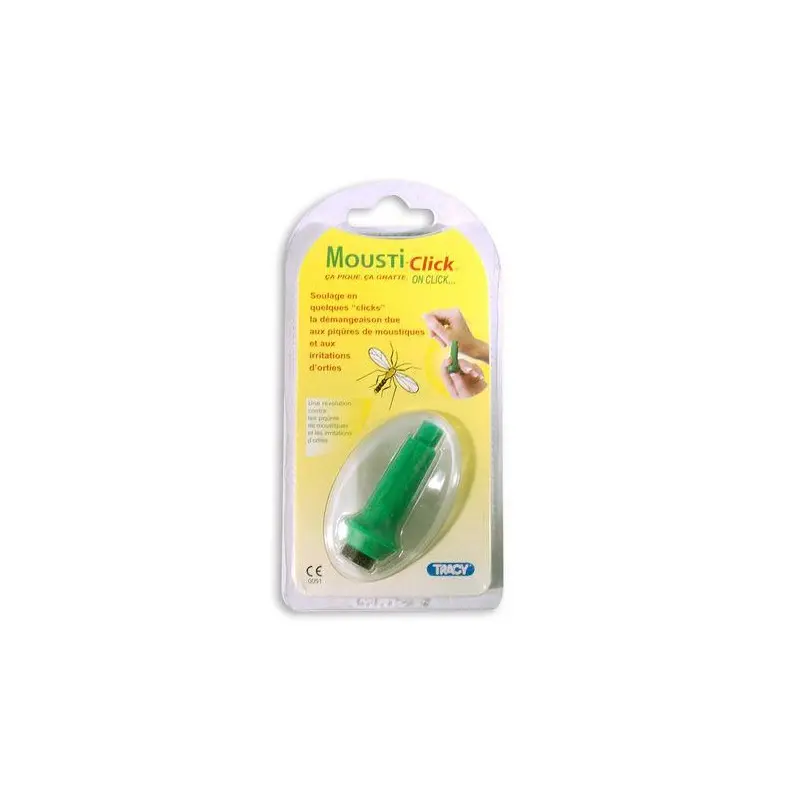
Soothing balm:
In stick or gel form, apply it directly to bites to quickly reduce itching. It often comes in a very compact container that is easy to carry.
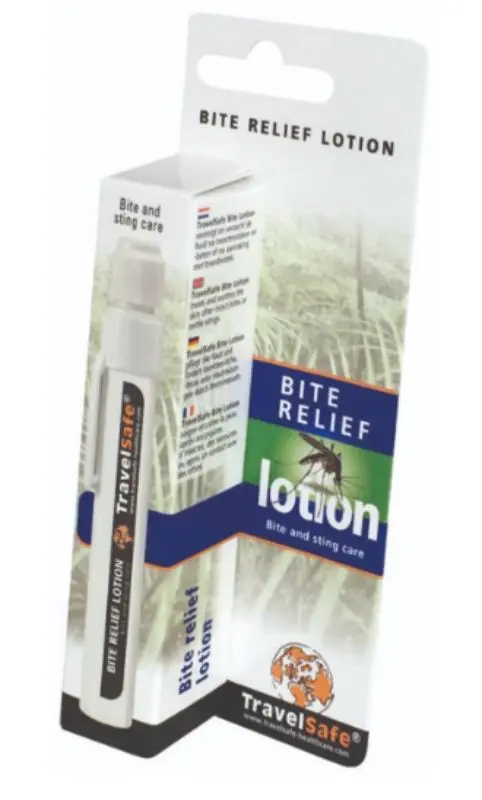
Bite relief soothing balm - Travel Safe
White Tiger Balm:
This balm often brings to mind muscle preparation or relaxation. But White Tiger Balm can also soothe insect bites. Shortly after application, you feel warmth followed by complete relief from itching.
Please note that Tiger Balm (white or red) is strongly discouraged for pregnant women and children.
These solutions relieve itching but do not reduce the risk of disease.
Conclusion:
Once equipped, try out your clothing and accessories before leaving for the tropics, particularly repellents applied directly to the skin.
For children, pregnant women and people with particular sensitivities (allergies or skin conditions), it is useful to seek advice from a pharmacist.
If your dates are flexible, remember that tropical regions have “wet” and “dry” seasons, when mosquitoes may be less prevalent.
Finally, find out about any ongoing epidemics before departure, and consult your doctor if needed.
Enjoy your trip to the tropics!