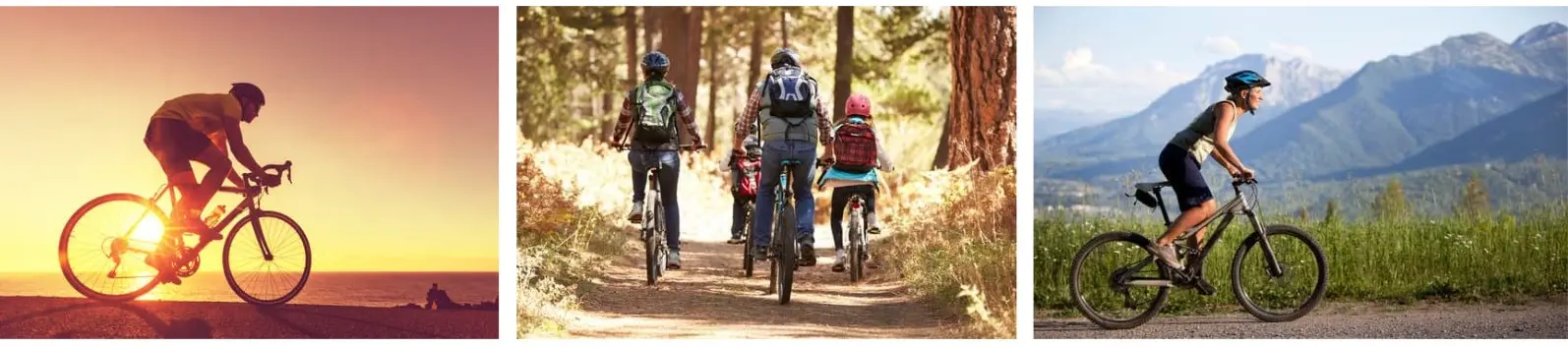
Discover essential advice for summer cycling: optimal hydration, managing effort in hot weather and choosing routes suited to sunny conditions.

Summer is the perfect season to explore beautiful cycling trails. However, to cope with the heat and stay well hydrated, you need to know the right habits to maintain performance and comfort. This guide explains the best practices to adopt.

You will discover how to identify the first symptoms of dehydration and how to moderate your effort according to the heat. Cycling even in intense heat is possible, provided you wear lightweight clothing and use the right tactics. Plan regular breaks to enjoy summer outings safely.

Modern hydration bladders and hydration systems allow you to drink continuously during long cycling sessions in the heat or while hiking. Choose a lightweight, antibacterial, easy-to-clean hiking hydration bladder to manage heat better and effectively prevent dehydration.

How much water should you drink when cycling in summer?

Drinking regularly is your best protection against dehydration when cycling in hot weather. Do not wait until you are thirsty, as this often means your body is already struggling. RayonRando.com now explains how to get your hydration levels right and how to identify dehydration symptoms. We also recommend suitable equipment to avoid drinking warm water.

Optimal drinking frequency and volume during exercise

The amount of water to drink per hour of cycling varies with effort intensity, outdoor temperature and your build. The golden rule is to drink 200 to 250 ml every 15 to 20 minutes, even if you do not feel like it. This broadly corresponds to 600 to 750 ml per hour. In extreme conditions, increase these quantities slightly for your safety.

  • Recommended hourly intake: aim for 600 to 750 ml of water or sports drink for every hour in the saddle.
  • Drinking frequency: try to drink every 15 to 20 minutes to maintain steady hydration.
  • Without feeling thirsty: make yourself drink regularly even without thirst, as this warning signal often arrives too late during intense effort.

Isotonic drinks, rich in electrolytes such as sodium and potassium, are often more effective than plain water on long rides. They help slow dehydration, prevent cramps and stabilise fluid reserves. Red berry and caffeine hydration tablets and lemon hydration tablets are easy to carry and very useful on long, hot days.

For a 2- to 3-hour ride, carry at least 1.5 litres of water for a safety margin. Also identify water sources ahead of time so you can refill easily.

Avoid alcohol and overly sugary fizzy drinks before or during exercise, as they encourage dehydration and harm performance.

Choosing the right cycling hydration system

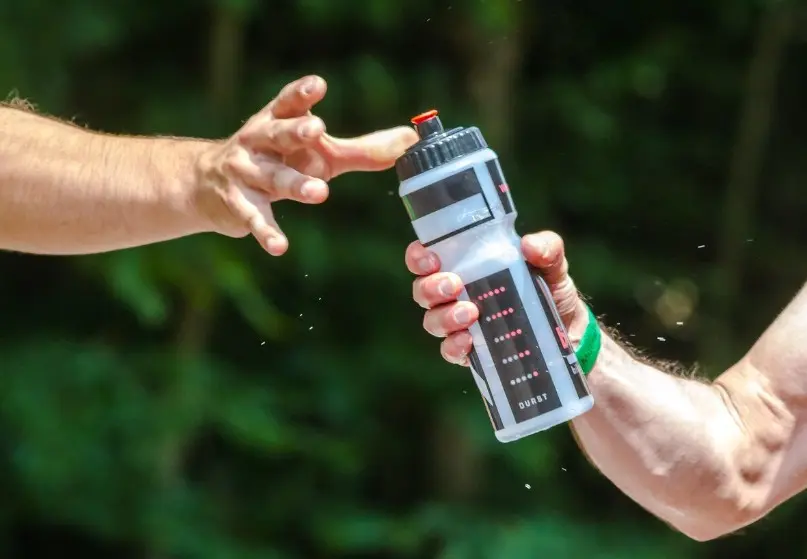
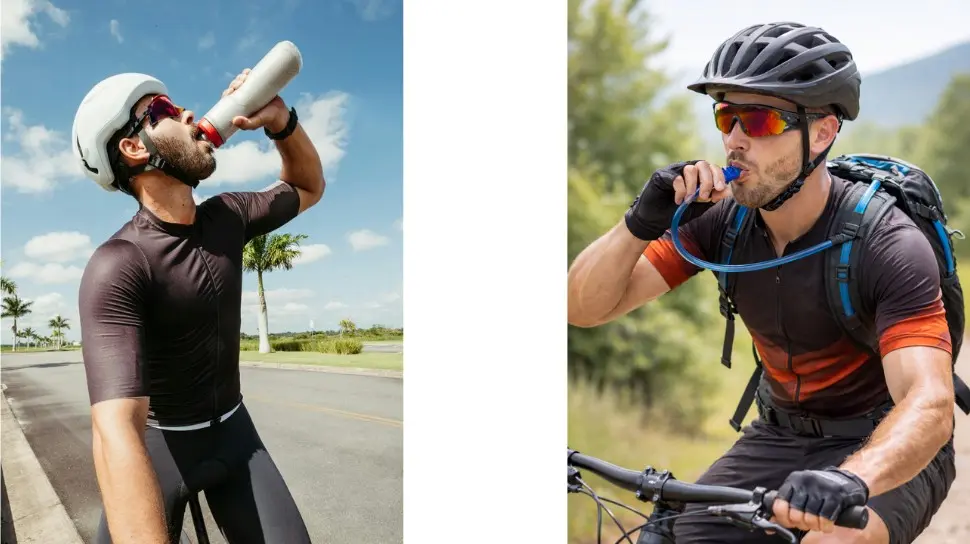
Two main options are available: a classic insulated bottle or a hydration bladder with a tube. Both systems ensure continuous hydration, ideal for long days cycling or hiking in the sun. 

Hydration bladders are lightweight, bacteria-resistant and easy-to-clean reservoirs when fitted with a wide opening.

They fit neatly into backpacks with a drinking-tube outlet, allowing you to drink regularly to prevent dehydration in summer. Easy access to water is crucial: a practical system encourages drinking without having to stop. 

A tip: after drinking, blow into your hydration bladder's tube to push the water out. This avoids a mouthful of warm water next time.

Choose a 2-litre water bottle or hydration bladder and clean it frequently to prevent microbial growth.

Finally, for long routes without refill points, a light but durable extra reservoir may be useful, such as the Watercell ST 6L water carrier or Watercell ST 10L water carrier.

Choosing the right cycling hydration system

Dehydration often develops subtly, without striking initial symptoms. Recognising early signs lets you act before it becomes critical. Even experienced cyclists must stay alert.

  • Intense thirst and dry mouth: the first indicator, signalling that your body already has a water deficit.
  • Unusual tiredness and heavy legs: this means your muscles are starting to lack oxygen and energy.
  • Dizziness or light-headedness: serious symptoms requiring an immediate stop, preferably in the shade.
  • Very dark urine or lack of sweating: reliable signs that dehydration is advanced.

Overheating, particularly a feeling of intense heat around the head, requires an immediate stop to rehydrate and cool down. If you experience confusion, headaches or loss of coordination, stop everything immediately. Get into the shade and drink slowly in small sips, calmly assessing your condition. Remember that your safety always comes before sporting performance.

When should you avoid cycling in summer?

The time of day you set off greatly influences how your body copes with heat. Watching your timing is as crucial as staying hydrated. Choosing an early-morning start, for example, or waiting until late in the day, transforms your outing by limiting heat-related risks. This is a fundamental strategy for staying safe while preserving the pleasure of the ride.

Plan rides around daily temperatures

Favour early-morning starts, ideally before 9:00, or wait until evening, after 18:00, when light levels drop and heat eases. A good cycling heat-adaptation plan always begins with this careful choice of timing. It is essential to avoid peak heat between midday and 16:00, when the sun is highest and health risks increase considerably.

If the forecast predicts over 35°C with a high UV index, it is wiser to postpone your cycling session. This threshold is no accident: above it, even with impeccable hydration, your body struggles to regulate its temperature. Watch humidity too: humid heat increases the stifling sensation and prevents sweat evaporating properly.

Time slotAverage temperatureHeat riskRecommendation
6:00 to 9:00 (morning)15 to 22°CVery lowIdeal for long rides
9:00 to 12:0022 to 28°CLow to moderateAcceptable with vigilance
12:00 to 16:00 (peak)28 to 35°C+High to very highDefinitely avoid
16:00 to 19:0025 to 30°CModerate to highPossible with careful hydration
19:00 to 21:00 (evening)18 to 24°CLowVery favourable for exercise

Adjust departure time to the forecast. A cloudy late morning can still be pleasant for cycling, while clear skies at 14:00 pose real danger. Check the weather the day before and plan accordingly.

Choose shaded, refreshing routes

Your chosen route directly affects the heat you will experience. Wondering how to avoid overheating? Prioritise shaded routes through woods, forests or valleys. Vegetation filters sunlight, offering temperatures 5 to 10°C lower than on exposed roads.

  • Forests and woodland: permanent shade and better natural ventilation.
  • Near water: following a river or lake provides a pleasantly cool atmosphere for cooling down.
  • Valleys and hollows: these landforms tend to retain cool air and reduce direct sun exposure.

Identify sheltered places such as villages or forest edges in advance for breaks. Stopping for 5 to 10 minutes in the shade every half-hour slightly lengthens your journey, but greatly improves recovery. To ensure drinking water at these stops, specialist equipment such as a Lifestraw or filter bottles is recommended for hiking water filtration.

Protect your head with suitable headwear

Good sun protection for your head and face is essential for effective temperature regulation. On a cycling trip in very hot weather, wearing lightweight, ventilated headwear is crucial. Choose a UV-protective cap with a wide peak to protect your neck and face.

Choose technical, ventilated materials that allow air to circulate around your scalp. Models with a removable neck flap are very practical: remove it in mild weather and deploy it when the sun beats down. Opt for quick-drying technical polyester fabrics to stay comfortable despite sweating, and remember that a soft bucket hat packs easily into a pocket during unplanned stops.

Managing effort and fatigue in high temperatures

Exercising in high temperatures requires careful pacing. Pushing too hard inevitably speeds overheating and dehydration. Start gently, then gradually increase intensity while listening closely to your body to preserve endurance.

Adapt your pace and plan regular breaks

Begin at a moderate pace before considering an increase according to your condition that day. Short, frequent shaded breaks are key to managing hot-weather cycling fatigue. Adjust to actual temperature rather than rigidly following a predetermined programme.

Repeated short stops benefit your body more than one long break. They help stabilise core temperature and provide ideal opportunities to drink regularly. Use them to check urine colour and assess your general condition.

Monitor heart rate during exercise

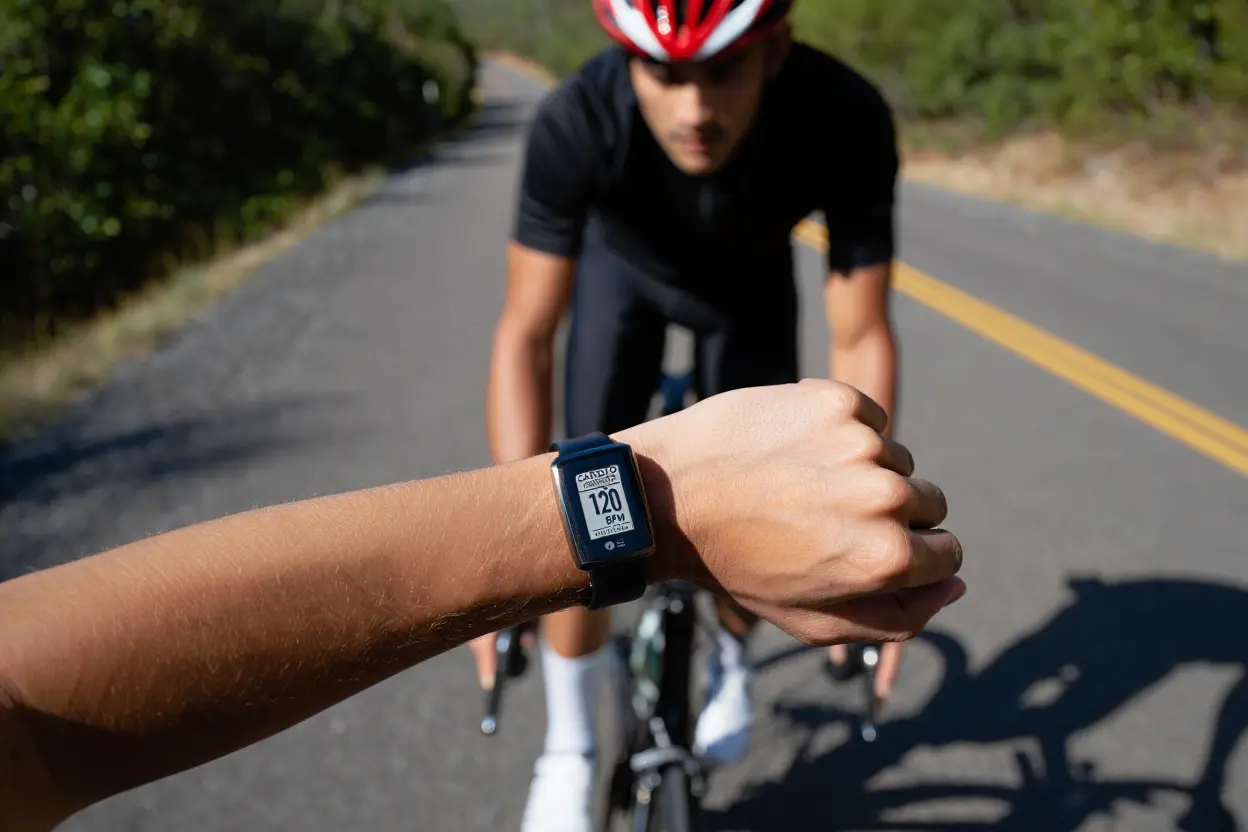
Heat naturally raises heart rate even without greater exertion, as your heart works harder to cool your body. Cycling at 35 degrees therefore requires careful monitoring with a connected watch.

  • Intensity adjusted for heat: rather than just a number, pay attention to how you feel. Your heart rate should remain moderate and your breathing comfortable.
  • Warning sign: if your pulse accelerates for no apparent reason, slow down immediately to avoid overheating. It is sensible to stop at the first signs, find shade and hydrate properly.

Moderating effort reduces heat stress and ensures you finish your ride feeling well.

Equipment to avoid overheating

Your equipment choice is crucial for optimising sweat management and keeping you safe. Suitable technical clothing helps wick sweat away and regulate body temperature. Always favour lightweight, breathable clothing that does not absorb moisture, unlike cotton.

  • Ideal material: choose technical polyester or merino wool, known for their moisture-evaporating properties.
  • Light colours: white or grey reflects sunlight better than black.
  • Suitable fit: slightly loose clothing improves natural ventilation without restricting movement.
  • Sun protection: UV-protective fabric or sunscreen prevents sunburn, which makes you feel hotter.

Remember to apply SPF 50+ sunscreen to exposed areas, such as your neck and arms. Sunburn raises your internal temperature and needlessly drains energy. On hot-weather outings, reapply every two hours to maintain optimal protection. Finally, cooling techniques such as a damp headband provide welcome relief during breaks. Cycling remains a real pleasure when these basic guidelines are followed.

Frequently asked questions

What is the temperature limit for summer cycling?

It is generally advisable to avoid cycling when temperatures exceed 35°C, particularly with a high UV index. Above this threshold, heatstroke risk rises considerably, even for experienced cyclists. Your safety also depends greatly on ambient humidity.

For example, with humidity above 80% at 30°C, your body finds it much harder to regulate temperature through sweating. If these two factors combined become too intense, postponing your outing is more prudent. Check heat indices in weather forecasts for a precise idea of actual conditions.

How should you hydrate when cycling in summer conditions?

The golden rule is to drink regularly, ideally 200 to 250 ml of fluid every 15 to 20 minutes, without waiting for thirst. For a two- or three-hour ride, carry at least 1.5 litres of water. On long rides, favour isotonic drinks over plain water to better prevent dehydration.

These drinks provide essential electrolytes that help prevent cramps. Take small sips throughout your effort and strictly avoid fizzy drinks or alcohol. An insulated bottle is a good investment to keep drinks cool and encourage more frequent hydration.

Can you cycle in a heatwave or very hot weather?

It is possible, but riding in hot weather carries significant risks. When temperatures exceed 35°C in strong sunshine, your body struggles to maintain its internal temperature. If you absolutely must cycle in these summer conditions, set off early in the morning or late in the day.

Choose shaded routes and significantly reduce your effort intensity. Take frequent breaks in the shade and apply durable sun protection. Sometimes the safest decision is simply to wait for milder conditions for your outing.


Product comparison
Compare
Rayon Rando advice