The choice of small backpacks is almost endless. But many are basic models with widely varying specifications. They can disappoint hikers through unsuitable capacity or usable space, discomfort and muscular tension, or insufficient features…

Whether hiking for 2 hours or a full day, RayonRando explains the criteria to consider and offers examples to help you choose the right day hiking backpack.

In most cases, a 20 to 30 L backpack is all you need.

First, let us look at the exceptions:

A daypack under 20 litres may suit you:

  • if you carry very little: a water bottle, lightweight rain jacket, snack or sandwich, mini first aid kit and not much more.
  • if you need a compact, particularly narrow pack to retain plenty of freedom of movement for fast walking, rocky sections and similar situations.
  • if you are an ultralight hiking enthusiast, minimalist by nature.

A 35 to 40-litre backpack may suit day hikes:

  • If you carry some bulkier items: winter clothing, a bridge or even DSLR camera, binoculars — in short, more specific needs than a simple summer walk;
  • If you want a slightly more versatile pack for both hiking and weekend trips.

But in most cases, a 20 to 30 L backpack will carry everything you need for a day: 2 water bottles or a hydration bladder, picnic, fleece and compact rain jacket, small first aid kit and small items such as snacks, phone, keys, wallet, compact camera and sunscreen.

How do you choose a daypack's capacity? 22, 25 or 28L? Do not rely too much on the figure: it is not standardised and means different things across brands and packs. A 24-litre Gregory may be larger than a 28 L Millet. Look at the other features instead, and if you are unsure about capacity, around 28 to 32 L is normally suitable for a day hike.

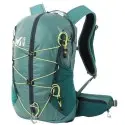
Wanaka 18 backpack

Ultralight hiking pack with a full-length central zip. Highly breathable rigid back with a ventilation channel. Water-repellent pack.
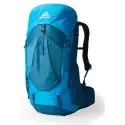
Stout 35 backpack

Ultralight, highly ventilated backpack. Adjustable back and hip belt system to suit every body shape.
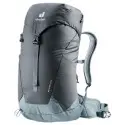
Ac Lite 22 SL backpack

Comfortable, very lightweight women's backpack with a mesh back. Well equipped. Ideal for day hikes.
Does a daypack need a hip belt?

Many 20 to 30 L backpacks do not have a proper hip belt, just a simple strap or a small section of belt extended by webbing; some have no strap at all. Others have a proper wraparound hip belt like a trekking pack, only thinner and more flexible.

A proper belt lets you carry the pack's weight on your hips, with stability and better long-term comfort. Without a belt, the weight rests entirely on your shoulders and the pack is less stable.

How do you choose?

If you choose an 18-22 L pack, you plan to put little inside, so your load will be light. A hip belt matters less. It is often absent or of limited use anyway, because the pack is fairly short.

If you choose a 25-30 L pack, both of the 2 options are possible:

  • With a light load, 3 or 4 kg though this varies from person to person, you can comfortably carry the weight on your shoulders alone and may appreciate the freedom of movement.
  • With a heavier, bulkier load, perhaps 6-7 kg, a hip belt really comes into its own: comfort, stability and no pain or tension in the shoulders and back.
  • Above 30 L, the pack's volume and size make a hip belt very useful, with a few exceptions such as seeking volume combined with extreme lightness.

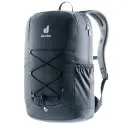
Gogo hiking backpack

Urban design with carrying comfort suited to day hikes.
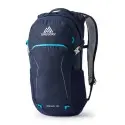
Nano 18 backpack

A very lightweight backpack with good breathability! Practical for day walks in town or in the mountains.
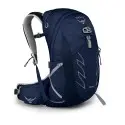
Talon 22 backpack

Lightweight yet well-equipped hiking backpack. Breathable close-fitting back and ultra-comfortable hip belt.
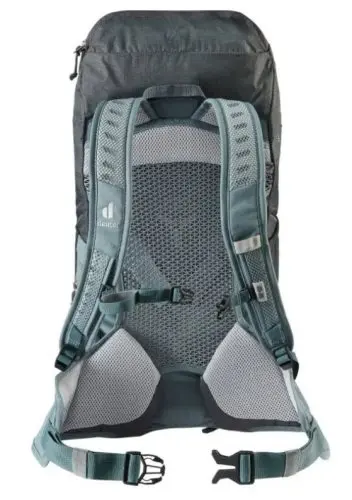
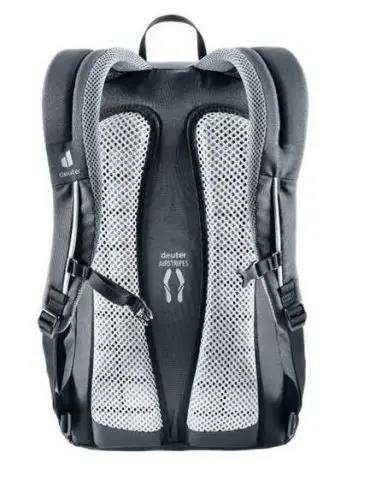
Which daypack back system gives you the right comfort?

Flexible or structured back?

Simple backpacks often have a flexible, even floppy back with basic foam padding. Structured backs have a back plate or even a frame.

In use:

  • Flexible backpacks are lightweight and compact. More affordable, they are useful if you carry very little or want to pack them inside a travel bag. However, they offer little comfort.
  • Structured backpacks provide firmness and load stability, as well as effective load transfer onto the hips when fitted with a hip belt. They are therefore much more comfortable and practical. We recommend them for regular use and a full pack load. They are slightly heavier, but this generally matters less for a pack under 30 L.

Mesh back or close-fitting back?

Structured mesh-back packs have a frame and mesh panel that allow air between the wearer and the pack, unlike close-fitting backs that sit against the body.

In use:

  • With a close-fitting back, you can be more confident of stability and carrying comfort. These are the ones we recommend most often.
  • Mesh backs are particularly useful if you perspire a lot. They work well with light loads, but are less comfortable than close-fitting backs with heavier loads because the weight sits further from your back and shifts your centre of gravity slightly. The back is generally more rigid. The main compartment may hold less because of the curved frame.

Adjustable or fixed back?

Most small packs have fixed backs, meaning the shoulder straps are sewn onto the back, while some are adjustable: you can alter the height of the shoulder straps on the back.

In use, these adjustable backs are very welcome if you have a short or long back. For every body shape, they allow carrying comfort to be adjusted precisely. This is especially useful with a hip belt and a well-filled pack.

However, this increases weight and price, so it is less useful if you carry little and are of intermediate size. At RayonRando, we state the empty pack's height and its compatibility with the wearer's back length whenever this information is available.

Pack 25 hiking backpack

A lightweight, well-equipped backpack. Ideal for a short hike.
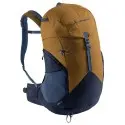
Jura 24 hiking backpack

Day hiking backpack with a tensioned mesh back and hip belt. Also ideal for cycling.
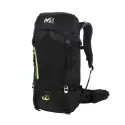
Ubic 30 backpack

Ergonomic, versatile backpack for hiking, mountaineering and travel, with a comfortable carrying system. Designed to attach all kinds of mountaineering equipment. 100% recycled.
What storage and practical features should a daypack have?

Lid or U-shaped zip opening for the main compartment?

Packs with lids offer better protection from the weather. The lid covers the main top opening. It generally has a zipped pocket for quick access to small items.

U-shaped zip openings unzip completely around the top. They are practical for combined hiking and urban use, or hiking and travel, especially if you want to carry flat rectangular items such as a laptop or magazines, and for easier access to the contents.

Less commonly, packs have suitcase-style access, with a U-shaped zip on the front, which can be useful for combined hiking and travel use.

Which extra pockets?

Open side pockets are practical for water bottles.

    Open front pockets may be sufficient for a small rain layer or a map.

    A smaller zipped pocket, accessed from the top or front, is very useful for small items such as a phone, keys or sunscreen that you do not want loose at the bottom of your pack.

    Extra zipped pockets on the sides or hip belt can be useful, but bear in mind that the smaller the pack, the less they hold.

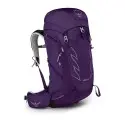
Tempest 30 women's hiking backpack

Lightweight women's backpack with a well-ventilated contact back, adjustable in height. Ideal for walks or day hikes.
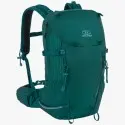
Summit 25 hiking backpack

Affordable, very well-equipped backpack with a tensioned mesh back. Ideal for day hikes.
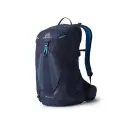
Miko 25 hiking backpack

Highly ventilated, lightweight, comfortable and well-equipped backpack. Ideal for short hikes and urban use.

Conclusion:

Weigh up the criteria presented here according to your day hiking and walking activities:

- If you want a backpack 100% for hiking, it makes sense to prioritise carrying comfort, with a structured back and hip belt. A main opening with a protective lid may be more practical.

- If you want versatility for hiking and town, a hip belt matters less. It can get in the way over a winter jacket and thick clothing. Large zipped openings may be more practical, as may a padded compartment or organiser.

- If it is a daypack to complement your travel bag, compactness when empty may be an important criterion.

Finally, weigh up the useful capacity and comfort level against the weight and volume of your load. The more you carry, the closer your daypack criteria will come to the features of a trekking pack.

Product comparison
Compare
Rayon Rando advice