Just a few years ago, Osprey and Deuter were almost always the names mentioned when choosing a hiking backpack. Yet American brand Gregory has gradually established itself as one of the market leaders thanks to a simple strength: exceptional carrying comfort combined with technical packs that are tough and particularly well designed.

For nearly 50 years, Gregory has developed backpacks for every outdoor activity, from day hikes to treks lasting several weeks. Renowned for the quality of its carrying systems, ventilated backs and numerous innovations, the brand appeals to occasional hikers and experienced trekkers alike. Careful construction, durable materials and a lifetime warranty reinforce Gregory packs' reputation for reliability.

Whether you are looking for a lightweight daypack, a versatile model for several days on the trail or a true trekking pack capable of carrying heavy loads, Gregory offers a range for every need.

In this guide, RayonRando presents the best Gregory backpacks for hiking, trekking and travel. Discover the features of the brand's main ranges and our advice on choosing the model best suited to your activity, in both men's and women's versions.

Why choose a Gregory backpack?

A specialist in carrying systems for nearly 50 years

Founded in 1977 by Wayne Gregory, the brand was built around a simple idea: a backpack should adapt to the hiker, rather than the other way round.

Since its beginnings, Gregory has focused its expertise on ergonomics, fit and load distribution. This specialism has made it one of the most popular brands among hiking, trekking and travel enthusiasts.

Gregory continues to innovate to improve carrying comfort while offering tough, durable packs.

Comfort recognised by hikers and trekkers

Gregory's reputation rests above all on comfort.

The brand's packs are designed to distribute the load effectively between shoulders, back and hips. Wraparound hip belts and ergonomic shoulder straps reduce pressure points, even on long days of walking.

This carrying quality makes a difference when the pack is loaded for a multi-day trek or a hike with wild camping.

Gregory technologies that improve carrying comfort

Several technologies contribute to Gregory packs' reputation:

  • FreeFloat: a system that lets the hip belt follow the body's natural movements.
  • FreeFloat A3: a premium development offering even greater freedom of movement.
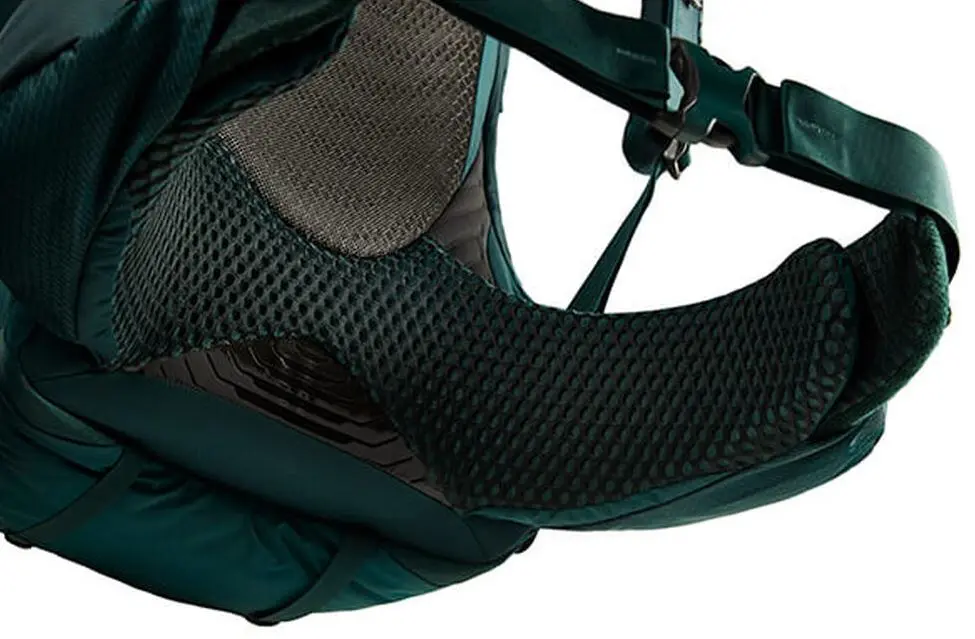
  • Ventilated mesh back: encourages airflow and reduces perspiration.
  • Personalised adjustments: precise back-length adjustment to suit your body shape.
  • Ergonomic hip belts: better weight distribution onto the hips.
These innovations provide an excellent balance of comfort, stability and ventilation.

Construction details specific to Gregory backpacks

At Rayonrando, when advising customers, we often explain that Gregory hiking backpacks have their own distinctive construction details:

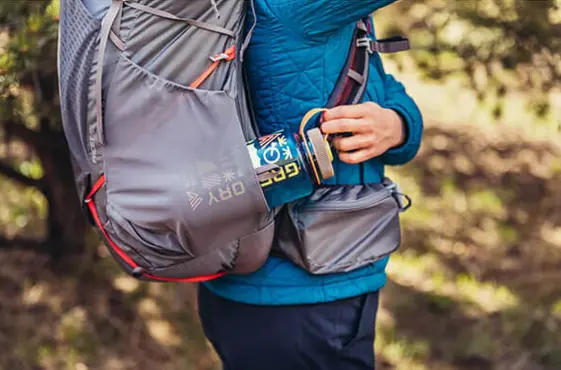
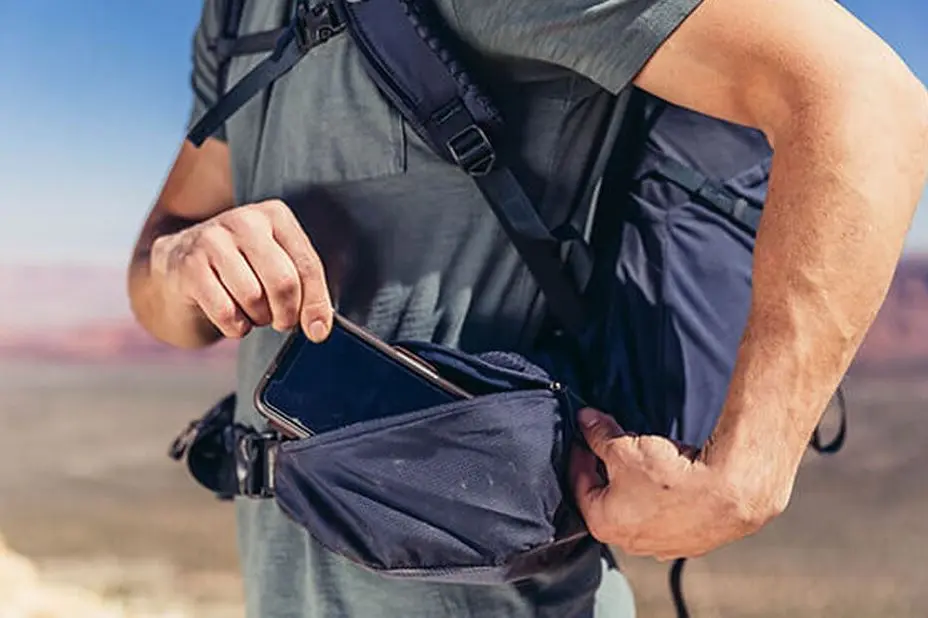
  • Large hip belt pockets: in an age of oversized smartphones, these roomy pockets can accommodate many models. This is especially welcome if you often use your phone to take photos or check your position. Never take a smartphone hiking? These large pockets are still very handy for small accessories or the day's snacks.
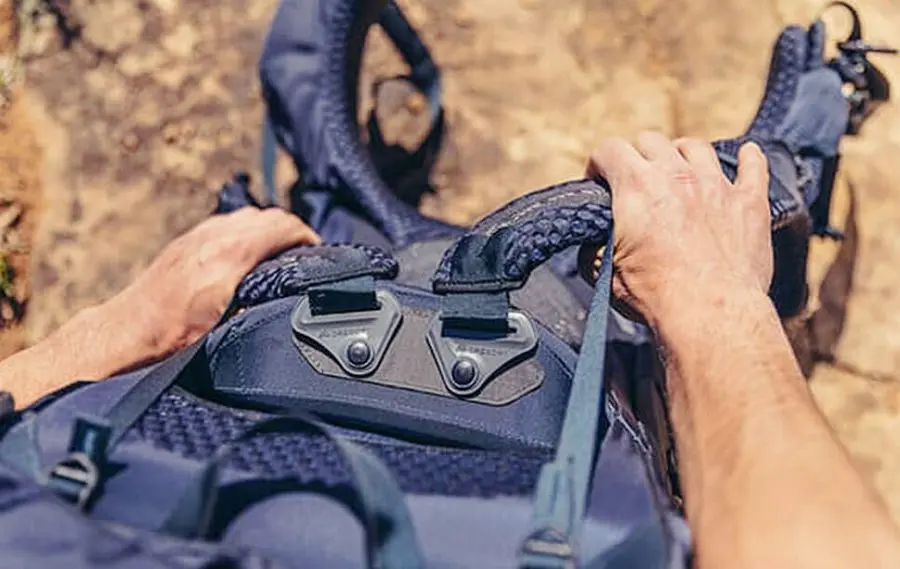
  • A very wraparound hip belt: the hip belts on Gregory backpacks are longer than average. Hikers often appreciate this coverage, which protects and rests securely on the hips. It also makes the pockets all the more accessible.
How to choose your Gregory hiking backpack

For day hiking

For an outing of a few hours or a day hike, a capacity of 15 to 30 litres is generally sufficient.

The following ranges are particularly suitable:

  • Nano 18: a very lightweight backpack with good breathability. Practical for day walks in town or in the mountains. 
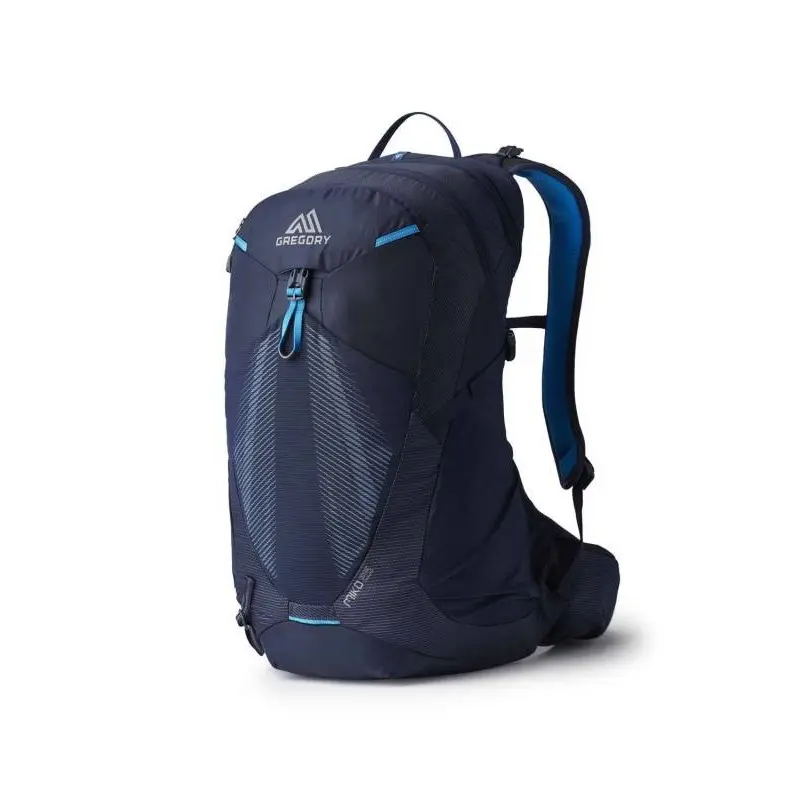
  • Miko 25: a highly ventilated, lightweight, comfortable and well-equipped backpack. Ideal for short hikes and urban use.
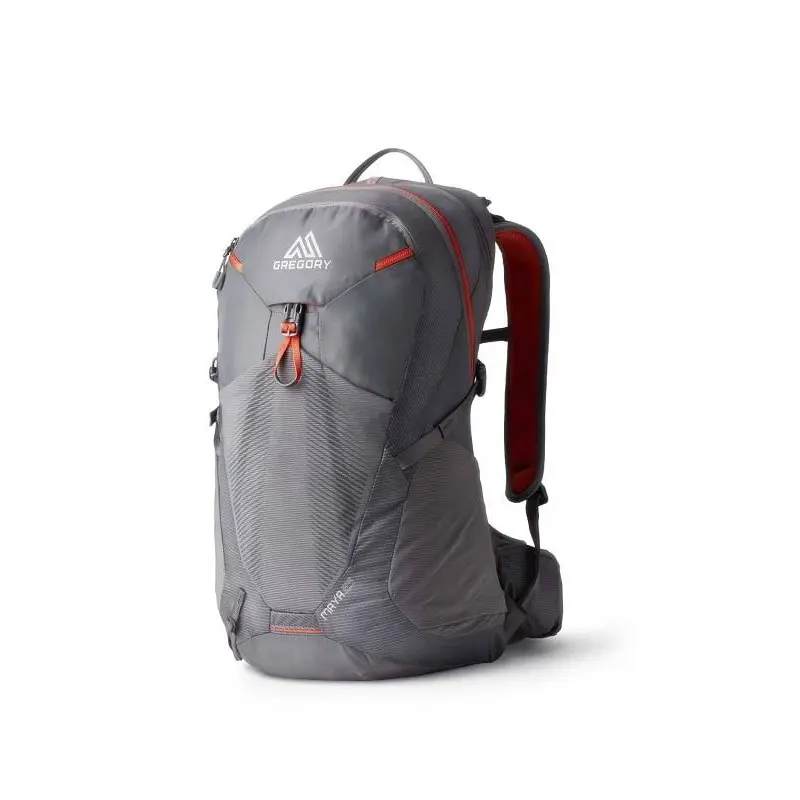
  • Maya 25: a flexible, highly ventilated, lightweight and well-equipped backpack. Adjustable back length. Ideal for short hikes and urban use.
  • Citro 24: a lightweight backpack that prioritises carrying comfort with a mesh back and hip belt. Well-designed storage.
  • Juno 24: a lightweight women's backpack that prioritises carrying comfort with a mesh back and hip belt. Well-designed storage.

These models prioritise lightness, ventilation and quick access to equipment.

For 2 to 3-day hikes

For hut-to-hut hiking or lightweight touring, a capacity of 30 to 45 litres offers an excellent balance.

The most suitable models are:

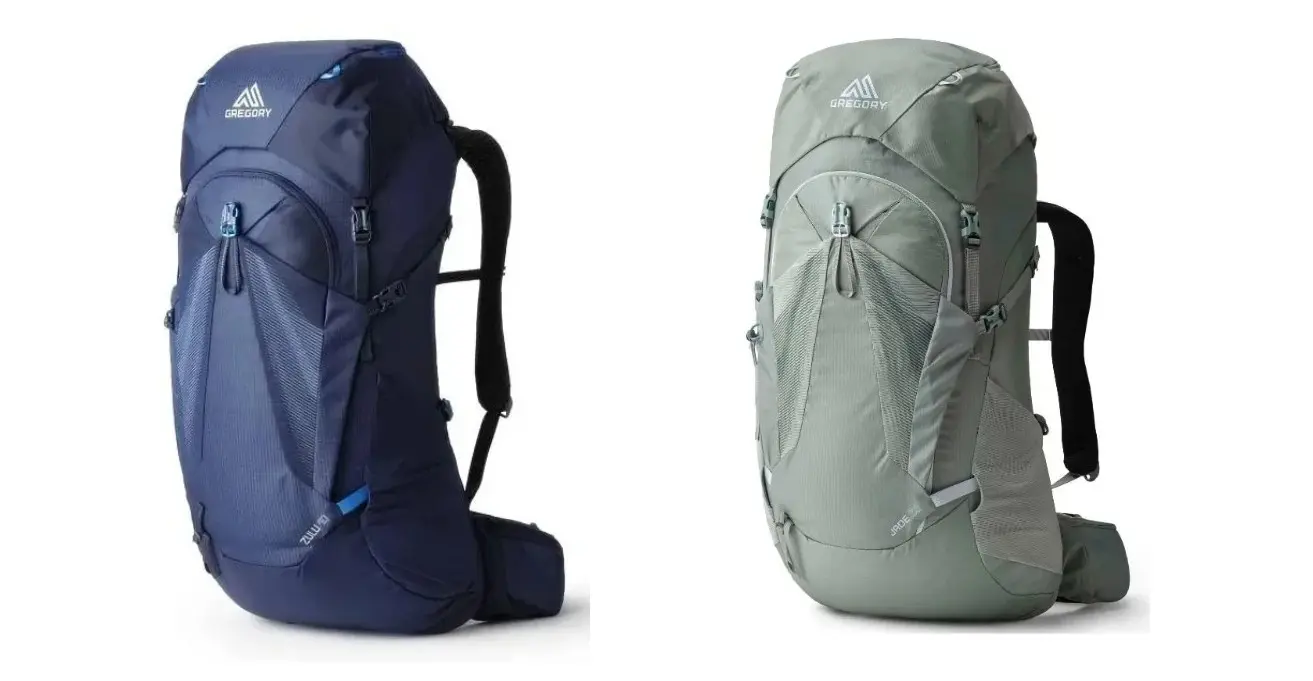
  • Zulu 40: a lightweight hiking backpack, both comfortable and well ventilated thanks to its tensioned mesh back, made from tough materials.
  • Jade 38: a lightweight 38 L women's hiking backpack, both comfortable and well ventilated thanks to its mesh back, made from tough materials.
  • Focal 48: a backpack combining comfort, lightness and optimal ventilation with tensioned mesh. Suited to long hikes when you want to minimise weight.
  • Facet 45: a backpack combining comfort, lightness and optimal ventilation with tensioned mesh. Suited to long hikes and the female body shape.

They offer more capacity while keeping weight reasonable and carrying comfort excellent.

For multi-day treks

For GR long-distance trails, multi-day crossings or trips with a full set of equipment, a capacity of 50 to 65 litres is preferable.

Gregory options include:

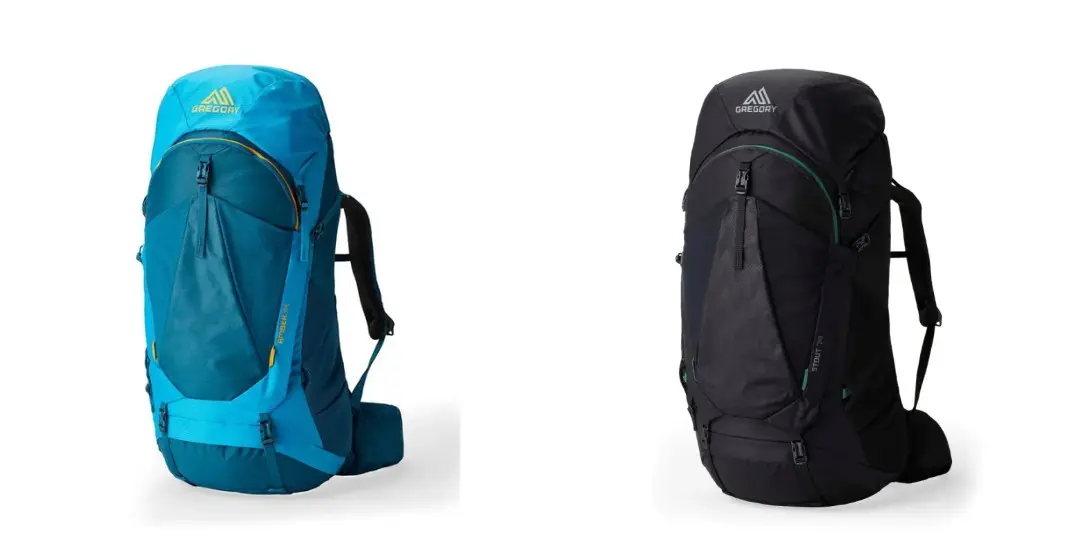
  • Stout 55: an ultralight, highly ventilated backpack. Adjustable back and hip belt system to suit every body shape. Suitcase-style opening.
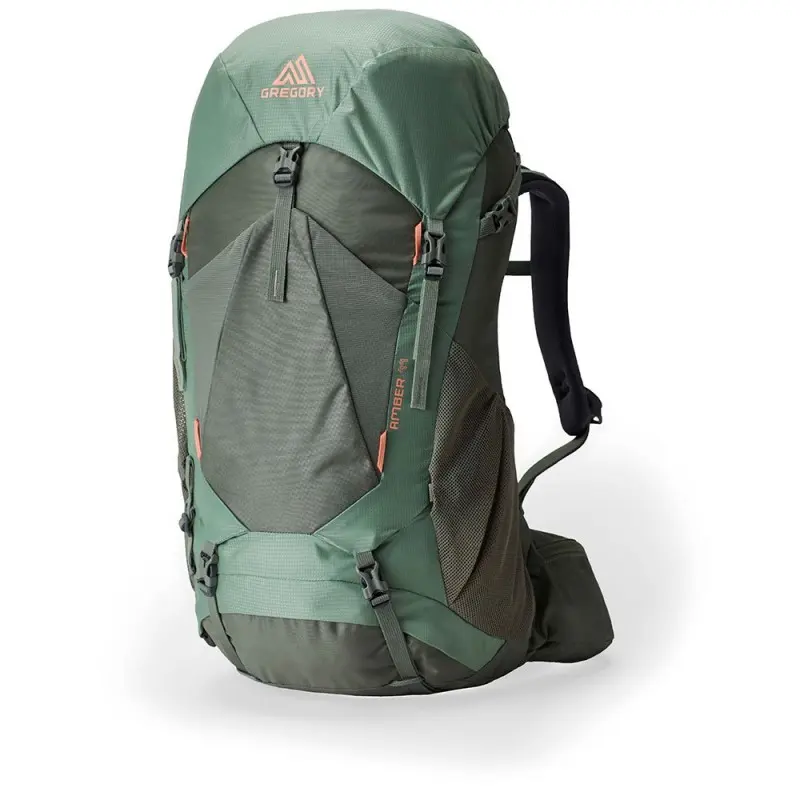
  • Amber 54: an ultralight, highly ventilated women's backpack. Adjustable back and hip belt system to suit every body shape. Suitcase-style opening.
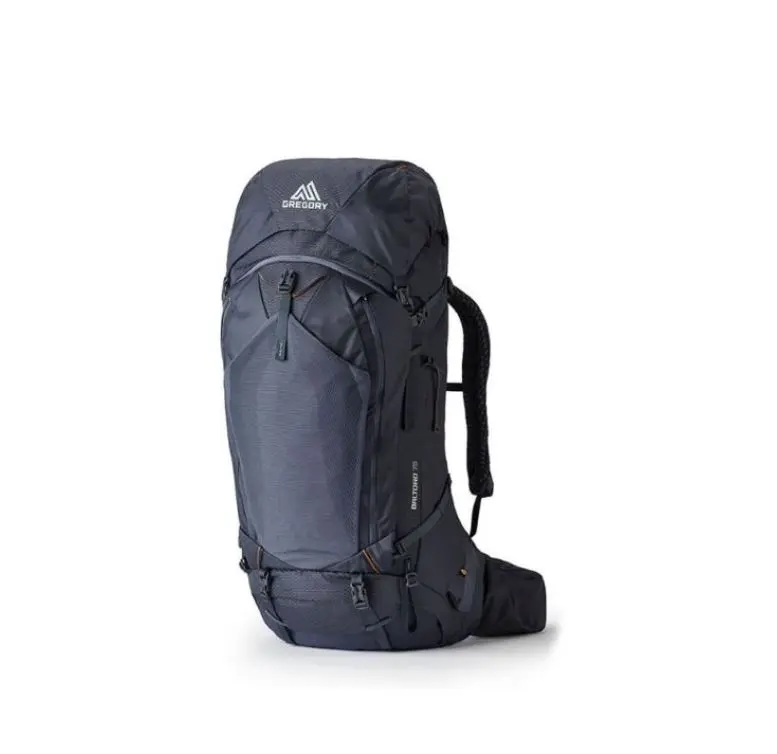
  • Baltoro 65: a very comfortable backpack with an ergonomic back and plenty of accessories. Suitcase-style opening for greater convenience.
  • Stout 70: an ultralight, highly ventilated backpack. Adjustable back and hip belt system to suit every body shape. Suitcase-style opening.

These packs easily carry clothing, sleeping gear and hiking equipment.

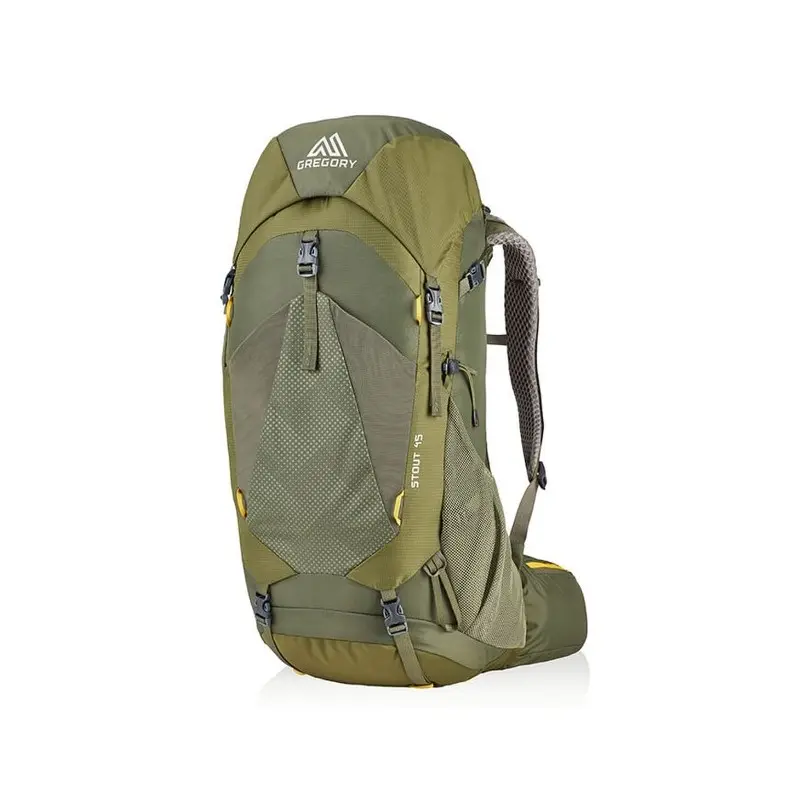
Balancing lightness and carrying comfort over several days: Stout and Amber

Continuing along the Camino de Santiago this year? Or setting off self-sufficiently on the Stevenson Trail? Your hiking pack needs to strike the right balance between lightness and carrying comfort. These are the strengths of the Amber backpack and Stout men's backpack:

  • An excellent balance of capacity, comfort and weight: just 1.4 kg for the Amber 44 or Stout 45. With a proper frame, comfortable back and adjustable, comfortable hip belt, it handles the load over the long term.

A full set of features:

Front suitcase-style opening from 54 L for the women's model and 55 L for the men's model.

  • 1 bottom access point + tent attachment straps
  • 2 large hip belt pockets
  • 2 side mesh pockets for water bottles.
  • 1 front mesh pocket with a clip for a rain jacket.
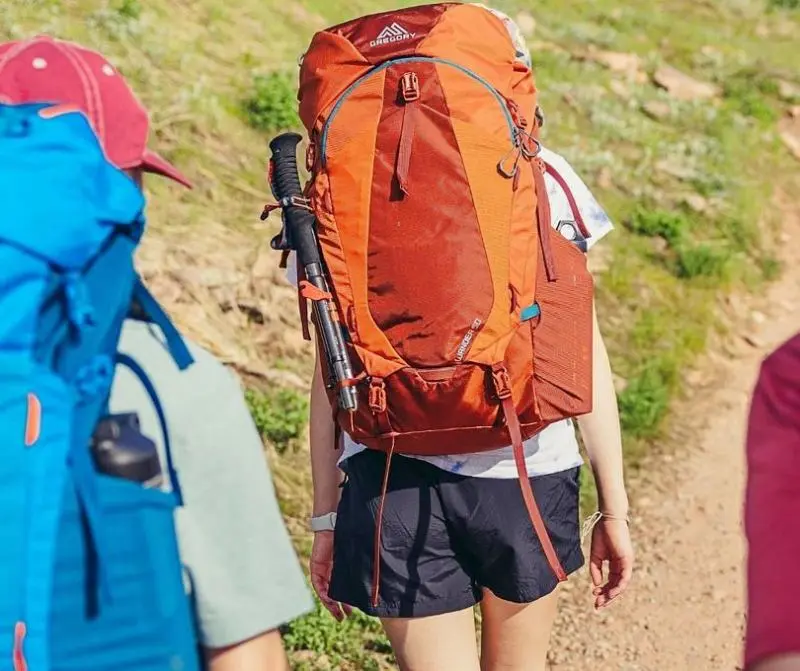
  • 1 trekking pole holder
  • Removable rain cover

Available in several capacities from 35 L to 70 L, there is one to suit your activity: a small capacity for nights in mountain huts or a large capacity for long self-sufficient trips.
Comfort first, with a full set of features for long treks: Baltoro

Preparing to cross the Alps, Pyrenees or Corsica, or planning a long point-to-point hike? Or do you simply have lots of equipment to carry, for wild camping, photography, video and more? Your next backpack must then handle a substantial load over many long days. It needs to stay comfortable over time, with well-designed pockets and access points to make everyday life easier. The Gregory Baltoro backpack meets all these criteria:

Highly effective load transfer, thanks to its strong frame, wraparound hip belt and pivoting shoulder straps. The latter reduce the effects of the load on you as you walk.

Optimal carrying comfort with an adjustable back, generously padded, ventilated hip belt and shoulder straps. The hip belt can be extended if needed.

Features designed for long treks 

  • Bottom access with tent attachment straps
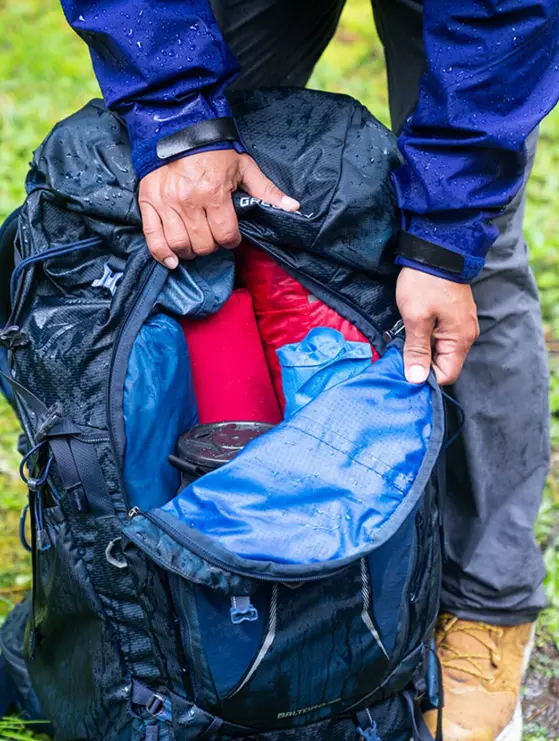
  • U-shaped front suitcase-style access
  • 1 front mesh pocket with a clip
  • 2 zipped front pockets
  • 1 side mesh pocket + 1 bottle holder
  • 2 very large hip belt pockets
  • 2 zipped lid pockets + 1 zipped pocket underneath with a removable rain cover
  • 1 front trekking pole holder

Caring for a Gregory pack and extending its life

A Gregory hiking pack is designed to last many years if properly cared for.

To extend its life:

  • clean it with lukewarm water after particularly dirty outings;
  • avoid machine washing;
  • let it dry naturally out of direct sunlight;
  • store it somewhere dry;
  • check the condition of straps and zips regularly.

Regular care preserves the materials, foam and adjustment systems while maintaining the pack's performance over the years.

Conclusion

Thanks to its long-established expertise in carrying systems, Gregory has become a benchmark in hiking and trekking backpacks.

The Zulu and Jade ranges appeal through their versatility, while Baltoro packs excel on long expeditions and with heavy loads. Whatever your experience, choosing a Gregory pack means choosing comfort, reliability and durability for all your outdoor adventures.

FAQ

What is the best Gregory backpack for hiking?

The Gregory Zulu and Gregory Jade are among the brand's most versatile models. They offer an excellent balance of comfort, ventilation and weight, making them suitable for day hikes and multi-day treks alike.

Which Gregory pack should you choose for a multi-day trek?

For a multi-day trek with wild camping or a substantial load, the Gregory Baltoro, Deva, Stout and Amber are particularly recommended. Their carrying systems are designed to carry heavier loads comfortably over long distances.

What is the difference between the Gregory Zulu and Gregory Jade?

The Gregory Zulu is designed for the male body shape, while the Gregory Jade is adapted to the female body shape. The two ranges share the same carrying and ventilation technologies but feature specific adjustments to the shoulder straps, hip belt and back length.

Are Gregory backpacks comfortable?

Yes, Gregory backpacks are renowned for excellent carrying comfort. Thanks to advanced suspension systems, ergonomic hip belts and precise adjustments, they distribute the load well, even on long hikes.

What capacity of Gregory pack should you choose?

Capacity depends on your activity:

  • 15 to 30 litres for day hikes;
  • 30 to 45 litres for 2 to 3-day outings;
  • 50 to 65 litres for multi-day treks;
  • 65 litres and above for expeditions or long self-sufficient trips.

Gregory or Osprey: which brand should you choose?

Gregory and Osprey are among the best hiking backpack brands. Gregory is often appreciated for comfort under load and very wraparound hip belts, while Osprey is known for the lightness of certain models and effective ventilation systems.

Do Gregory packs come in women's versions?

Yes, Gregory offers many ranges specifically developed for women, including Jade, Deva, Amber, Facet, Maya and Juno. These models have a fit adapted to the female body shape to improve carrying comfort.

How long does a Gregory backpack last?

With regular care and normal use, a Gregory backpack can accompany a hiker for many years. The quality of its materials and robust design contribute to its excellent lifespan.

Product comparison
Compare
Rayon Rando advice