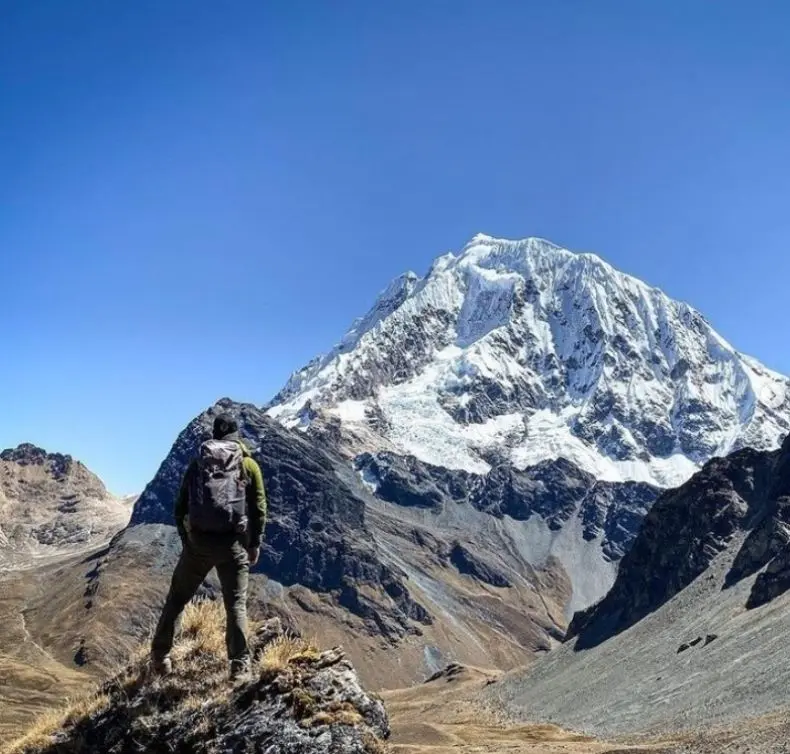
There are many possible unexpected incidents when hiking: severe weather, injury, illness, getting lost or broken equipment. A small mishap can sometimes put us in danger if we cannot deal with it.
Besides my first aid kit, I therefore never go hiking without various safety accessories. Here is a short list of what I generally use. It is an example, without claiming to be exhaustive or suitable for every situation.
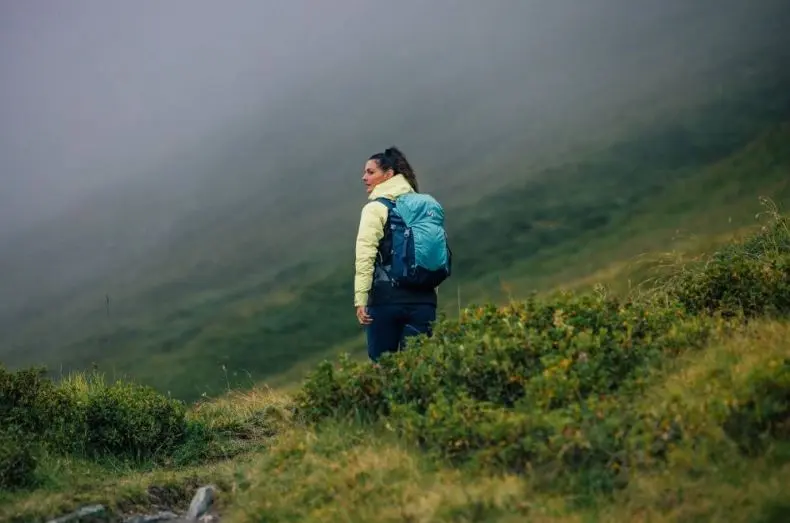
Signalling when you need help:
Mobile phones do not always have reception. You may need to climb to a ridge or descend to call for help, which is not always possible.
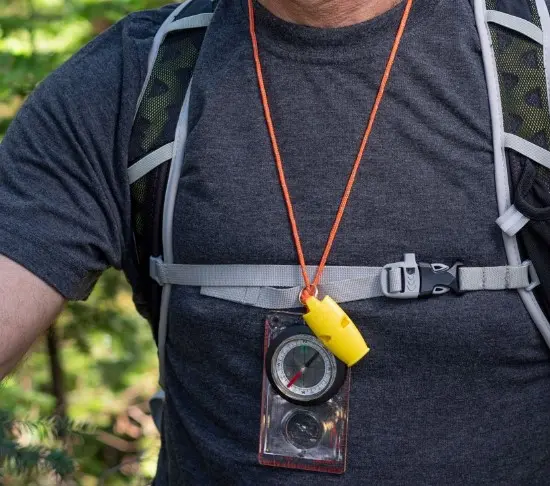
I also always carry a whistle, attached to my rucksack shoulder strap. After a fall, it lets you signal your position even if you lack the strength to shout. It can also help locate a companion who took a different path at a junction. You can agree a code (2 blasts = “I am staying here, come to me”; one blast = “I am coming, wait for me”).
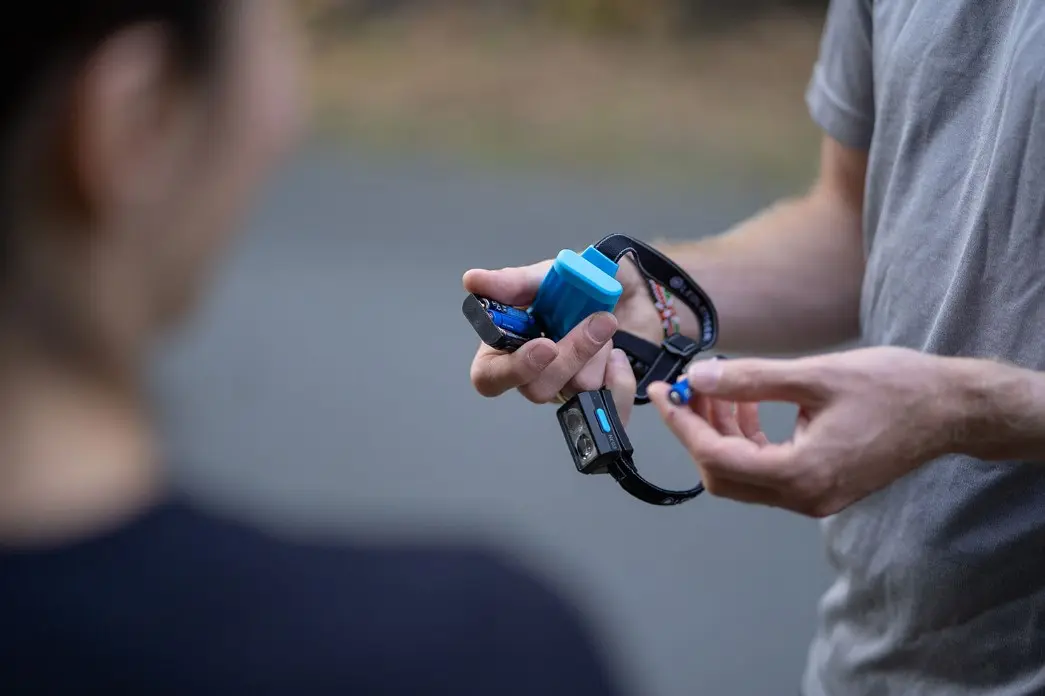
Night-time or bad weather:
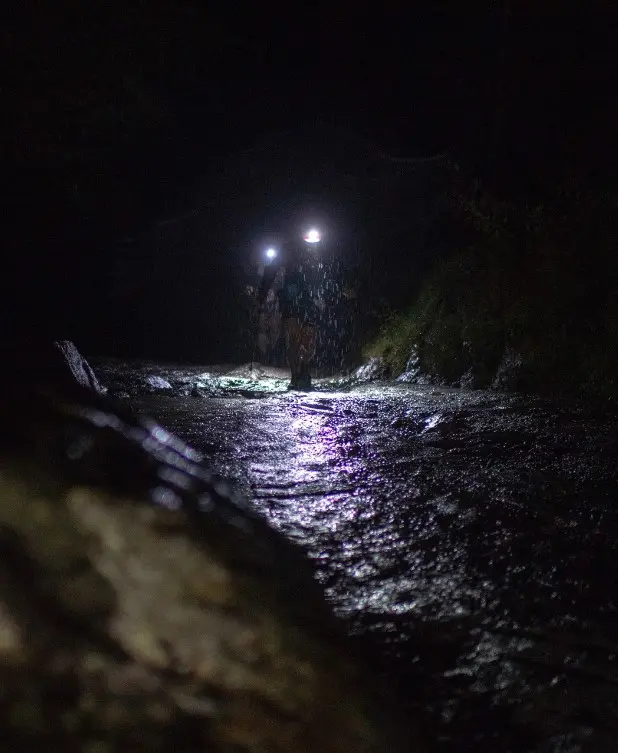
- A head torch signals your position at night. Carry spare batteries as a precaution. Flashing mode attracts attention while using less battery power.
- Visible clothing, a bright rain cover or rucksack, etc.
If travelling alone, consider a personal locator beacon, or PLB, to request help via a satellite signal.
Protection:
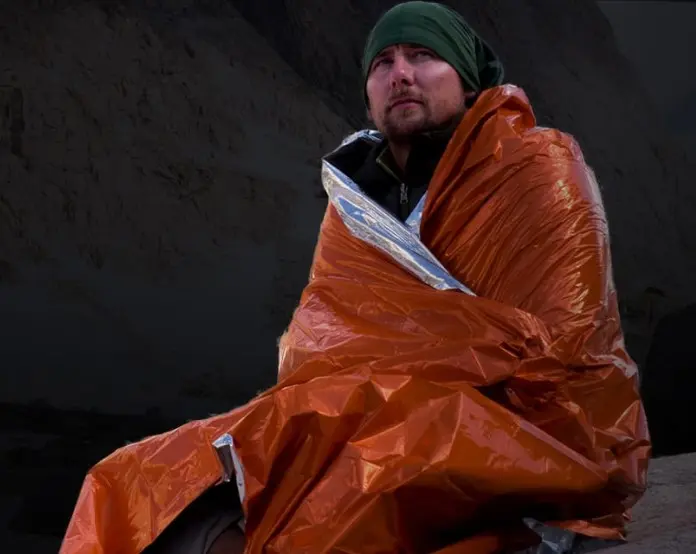
If unable to move, injured or ill, you need protection against cold, even in midsummer. Pack:
- Emergency blanket
- Hat, gloves, warm clothing
- A very lightweight tealight can warm you once you are under the emergency blanket.
- For exposed hikes, particularly in winter, an emergency shelter may be useful.
Finally, an unusual but possible situation: pepper spray may be effective if you meet a large furry creature in Canada or Eastern Europe, for example.
Keeping going when something goes wrong:
Always pack a little more than you actually need. Keep emergency supplies in reserve:
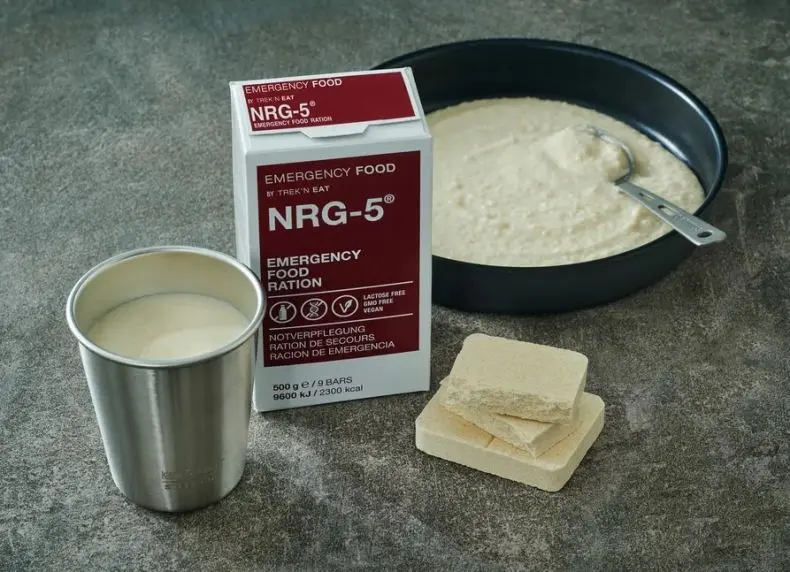
- A small energy reserve, such as energy bars or less tasty but effective emergency rations;
- A water reserve. Running out can quickly become critical.
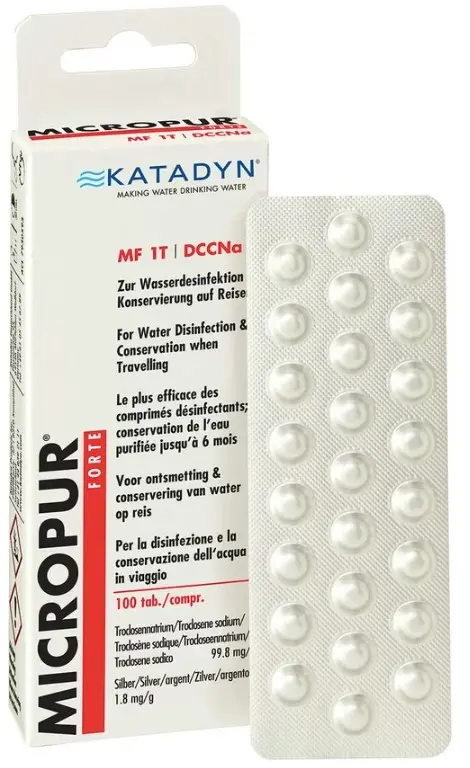
- Micropur tablets. To treat questionable water before drinking.
Finding your position when lost:
You probably have GPS on your smartphone. In France, the Géoportail app provides IGN 1/25,000 maps on your phone. Using flight mode and checking your position only when unsure of the route can extend battery life. Before setting off, check that the whole hiking area displays correctly.
However, this alone is insufficient: your GPS may stop working through battery failure or a fall.
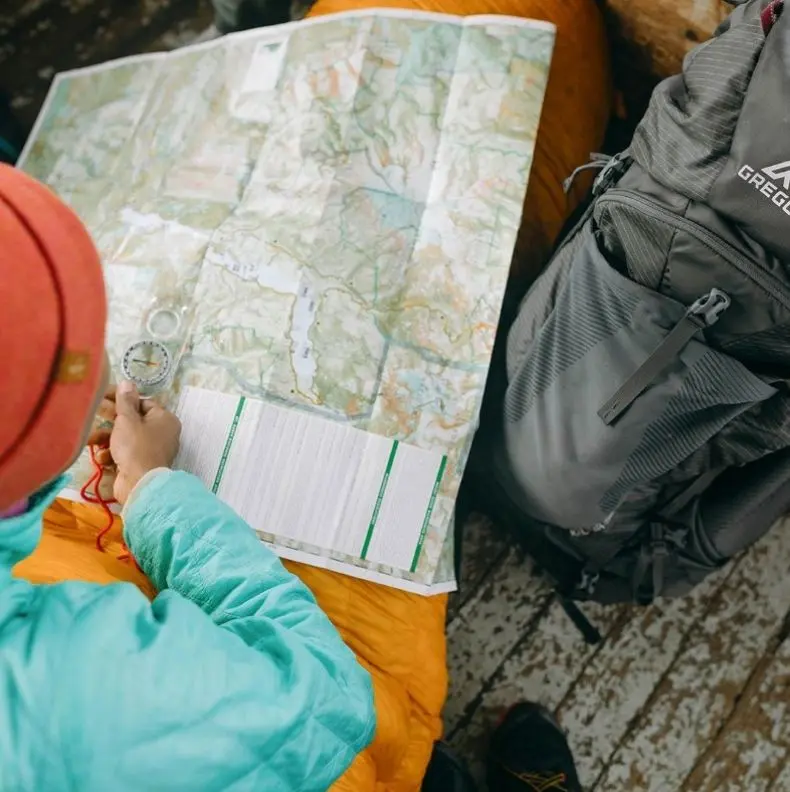
Carry a map, preferably IGN 1/25,000, a compass to use it properly and, if possible, an altimeter. A map is useful beyond GPS failure. If you must change route (snow-covered pass, worsening weather, illness), finding an alternative on a small GPS screen is difficult. A map provides an overview to identify another route without necessarily retracing your steps.
Dealing with equipment failure:
Some equipment failures quickly become problematic: a detached boot sole or broken rucksack shoulder strap, for example. You need to make an improvised repair to continue.
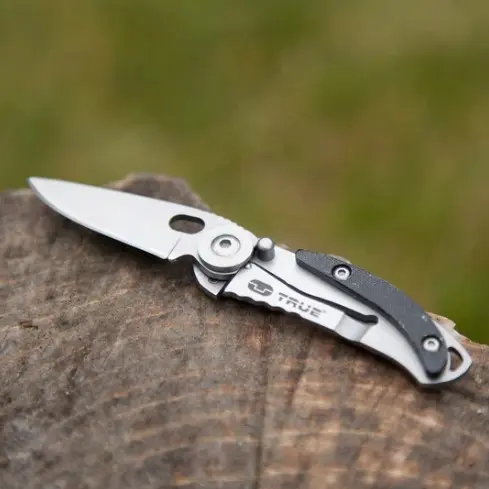
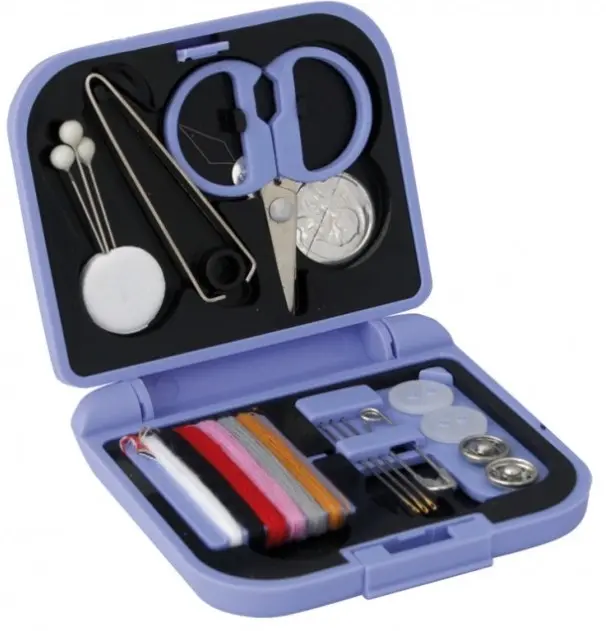
Besides a pocket knife, I consider a small repair kit essential: cord, elastic adhesive bandage, waterproof self-adhesive patches or duct tape (take a small roll or wrap some around a pencil or lighter, for example), medical tape, needle and nylon thread, and a shoelace. These let me repair many things.
Conclusion:
Safety equipment never gets used, of course — until the day you need it. When saving weight, you may feel tempted to discard the hat you carry everywhere but have never used in summer.
But in hiking, lack of preparation leaves few options when something goes wrong in the wrong place at the wrong time.
My small survival kit therefore stays in my rucksack, within easy reach.