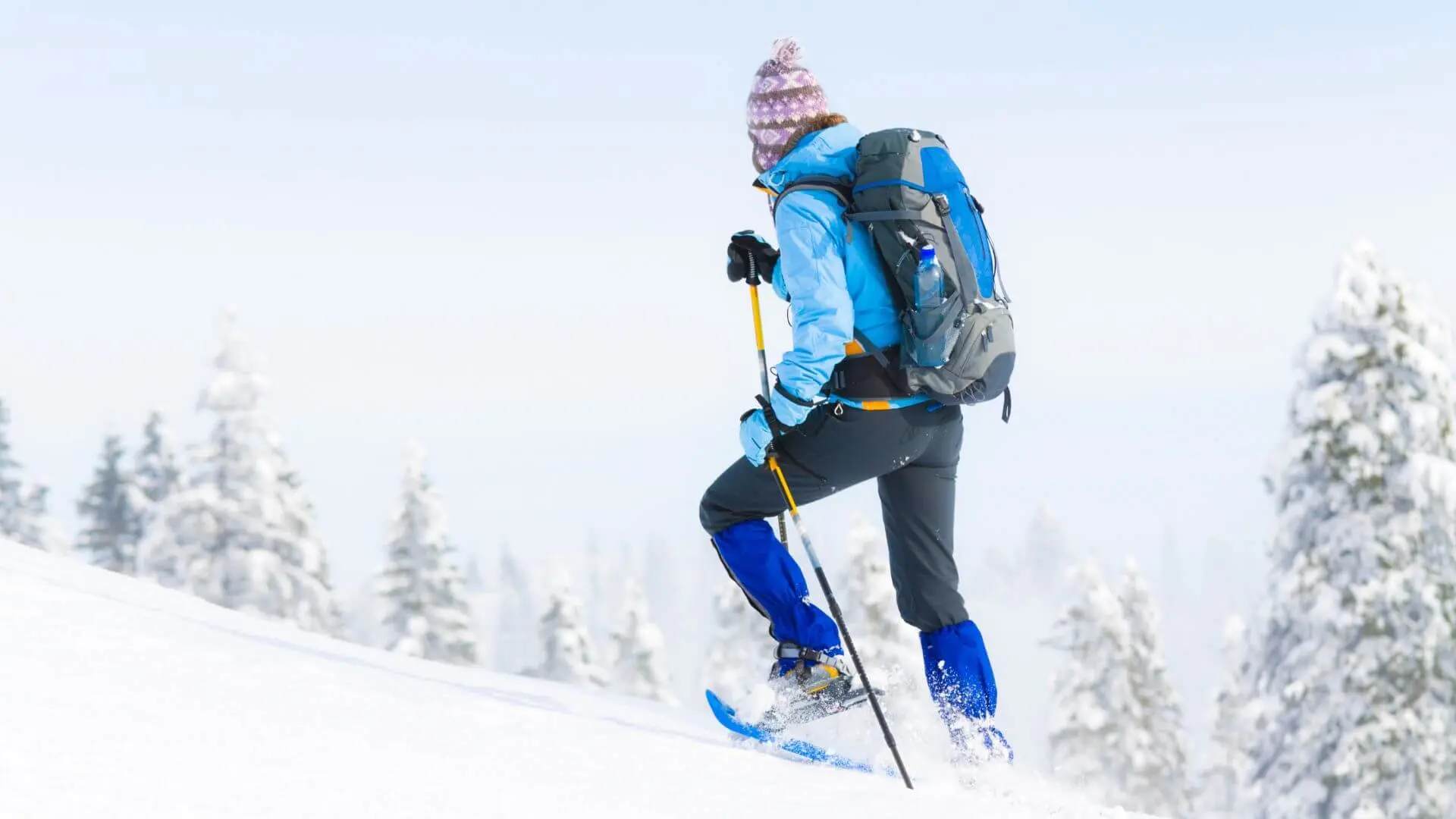
You have your snowshoes, but while packing your suitcase or hiking backpack, are you unsure about suitable equipment and clothing for snowshoeing? Rest assured, it requires far less investment than ski touring. But walking for hours in a cold, snowy environment still requires several precautions to choose suitable equipment and make snowshoeing enjoyable without getting frozen or soaked!

Rayonrando helps you ask the right questions to choose carefully your footwear, clothing, backpack, poles and other snowshoe hiking equipment.

What footwear should you wear for snowshoeing?

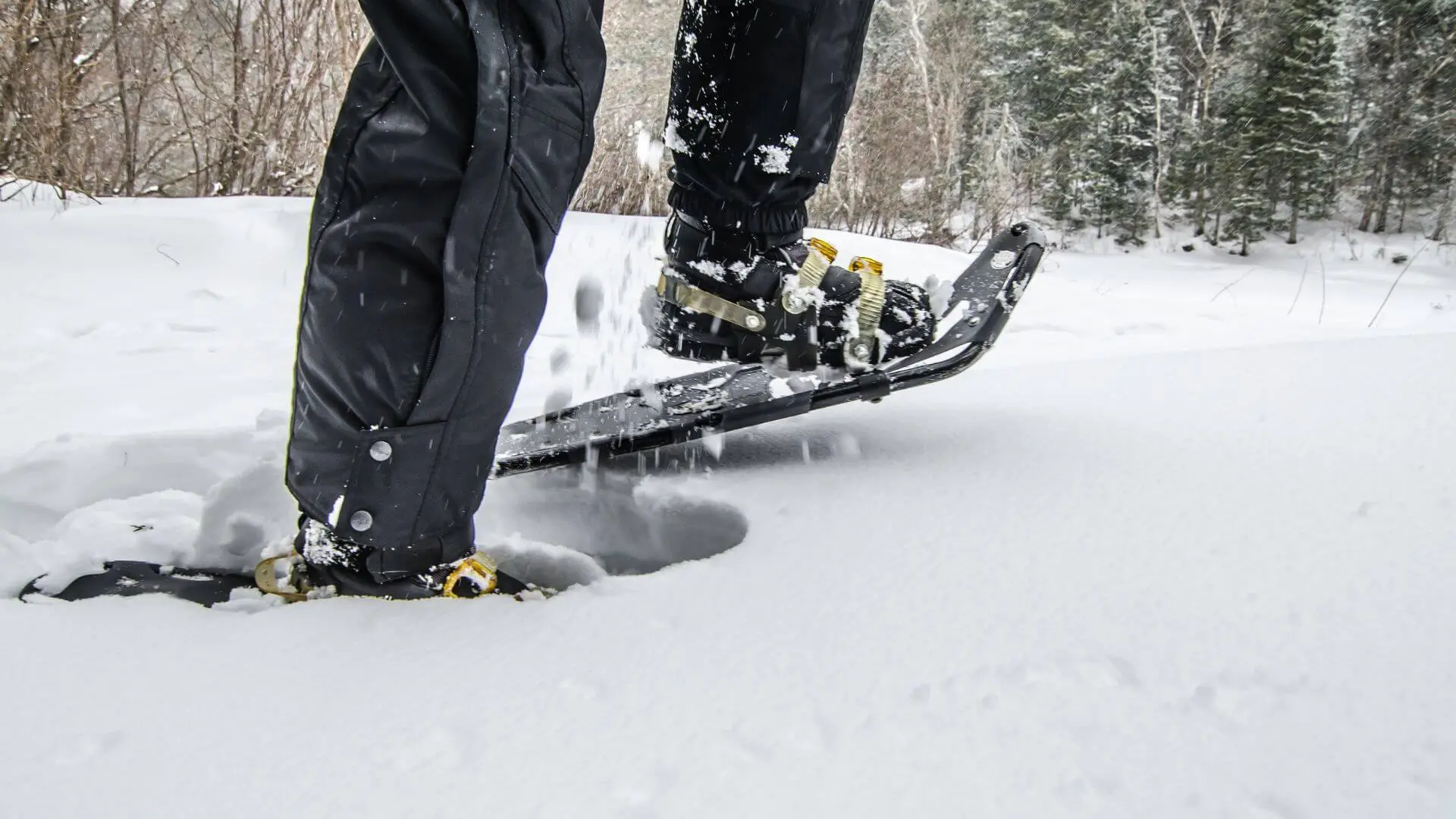
When choosing footwear for snowshoeing, consider above all the cold, wet snow. The aim is to protect your feet, keeping them dry and warm. High-cut footwear is most suitable. It limits snow entry and also works better with snowshoe bindings.

Snowshoeing footwear must also be waterproof and breathable. Choose a membrane such as Goretex or double-layer leather construction.

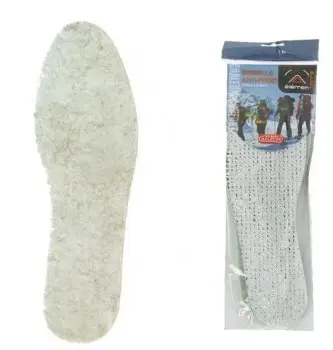
For thermal insulation, a sufficiently thick leather or nubuck upper improves warmth compared with synthetic uppers. The tougher leather or nubuck exterior also withstands more rubbing and pressure from snowshoe bindings. A thick sole reinforces insulation underneath. For greater comfort, use insulating insoles such as the Elementerre Altai.

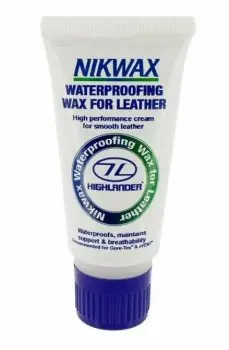
If your boots are older, apply a cream, such as Nikwax waterproofing, to restore water resistance. Constant moisture will put them to the test.

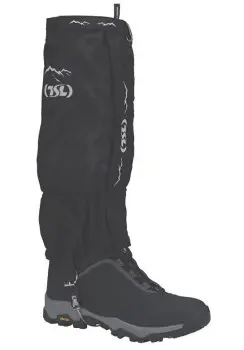
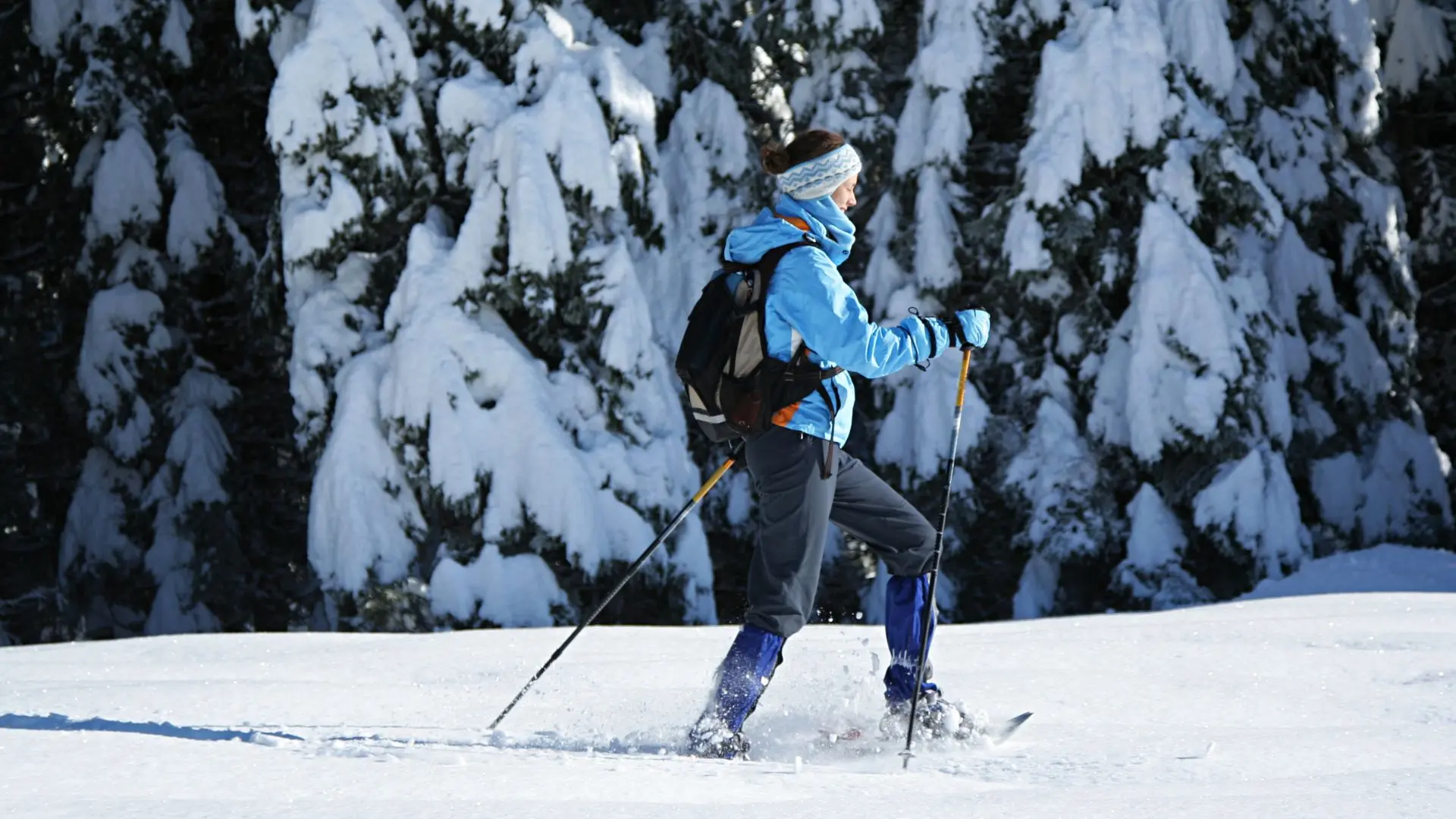
Finally, sufficiently high gaiters, such as TSL High Trek L, are essential to prevent snow entering your boots. Mini gaiters may suffice if you only walk on groomed trails.

How to dress for a snowshoe hike

Walking through snow on snowshoes in winter requires a different effort from summer walking in shoes on firm ground. Your body quickly heats up and perspires while the outside temperature is very low. Clothing therefore needs to be warm, naturally, but also highly breathable.

A first layer: warm, breathable and close-fitting

Prioritise thermal underwear: briefs, leggings and a long-sleeved top. Merino wool is ideal for warmth and regulating perspiration and odour. I recommend a fabric weight between 200 and 260 g, depending on how much you feel the cold, such as the Icebreaker Merino 260 Tech LS ½ zip. A merino/synthetic blend is also possible if technically developed enough to trap insulating air while remaining breathable to remove perspiration, such as the Millet Drynamic Warm LS Tee.

A second layer: insulating and breathable

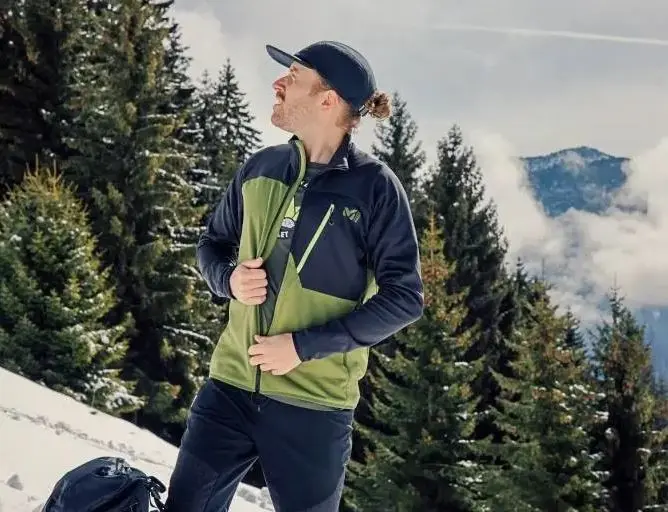
As in summer, during exertion this layer must be warm enough but also highly breathable. Otherwise, you risk becoming soaked with perspiration and chilled as soon as you slow down. A technical fleece of suitable thickness for your sensitivity to cold is ideal, such as the Millet K Lightgrid Jkt.
For breaks, bring a much thicker layer. Here, maximum thermal insulation is all that matters; forget breathability. A thick fleece or down or synthetic insulated jacket will do.

Extremities

In intense cold, your extremities are the coldest areas as the heart focuses blood flow on vital organs. But you need your feet and hands! Bring thick, breathable socks, such as Monnet's Trek Confort. For hands, depending on your sensitivity, use thin liner gloves, such as Elementerre Slavey, with thicker windproof, breathable gloves.
Your head is different: it can heat up quickly during effort. You need to limit this heat loss with a hat of suitable thickness for your cold sensitivity and hike. In a shaded forest in the morning, temperatures can be very low! A good intermediate hat is the Elementerre Pootlass. Remember a neck tube too.
Finally, bring a spare top and socks, kept dry in your backpack. Warming up during a break can be difficult with sweat-soaked clothing, or after stepping into a stream through a snow bridge — speaking from experience!

Which trousers for snowshoeing?

Depending on the weather, snowshoeing trousers can be warm and breathable softshell, such as Millet Lapiaz, or the same as for summer hiking, with leggings underneath if needed. Remember that legs generate plenty of heat during exertion, so choose according to how much you feel the cold.
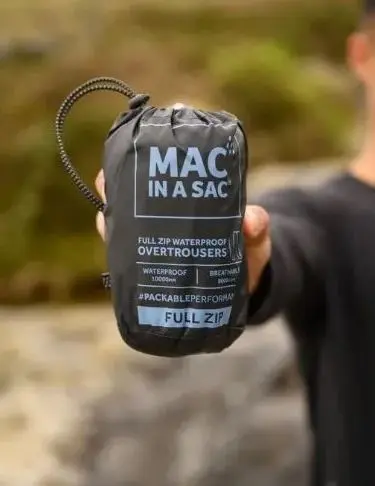
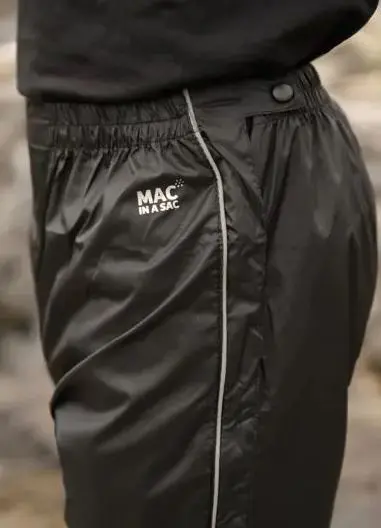
On days of heavy snowfall, breathable waterproof trousers can be worn over non-waterproof trousers. Models with a full-length zip can be opened at the thighs occasionally to release more perspiration, such as Mac in Sac Full-zip trousers.

Which jacket for snowshoeing?

A snowshoeing jacket must protect against moisture and wind, so you can use your summer jacket. A 3-layer waterproof jacket offers slightly more insulation.
Avoid all-in-one ski-style jackets: they are often far too warm for your exertion and the heat you generate.

Which backpack for snowshoeing?

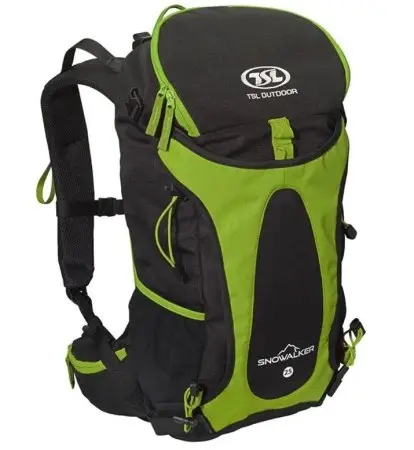
Your backpack capacity should suit a day trip or several days of snowshoeing. However, choosing a sufficiently large hiking pack, 25-30L, may be sensible so you can attach snowshoes when removing them for snow-free sections.
If you snowshoe regularly, consider a pack that makes attaching snowshoes easy, such as the TSL Snowwalker 25.

Which poles for snowshoeing?

Snowshoeing poles must be long enough and practical to handle. Compared with summer use, you can increase pole length to compensate for sinking into snow, unless you only use groomed trails. To limit sinking, winter baskets, much wider than summer ones, are essential. Otherwise, you may have a miserable day!
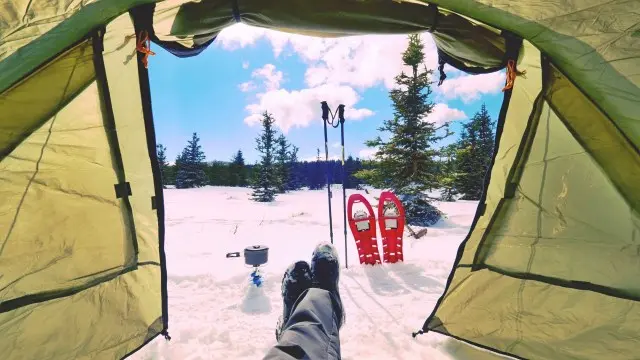
Ease of handling also matters. With thick gloves, twist-lock sections quickly become awkward to tighten, whereas lever-lock poles such as TSL Hiking Alu Compact 3 Light are much easier to operate.

What other equipment for snowshoeing?

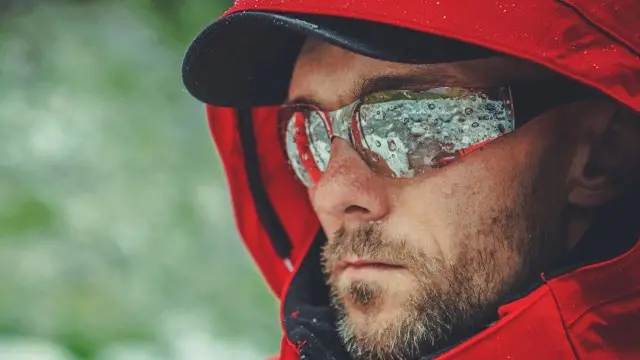
  • Category 4 sunglasses: do not underestimate sunlight reflected by snow; it is intense, especially at high altitude. Choose a close-fitting model to prevent light entering at the sides.
  • A Thermos flask: heavier than a standard bottle, but it lets you drink a warm or hot beverage, for example the Thermos Everyday 1L. Drinking very cold water is not only unpleasant but can cause stomach ache.
  • A shovel: not your garden shovel but an emergency shovel such as the Ferrino Dru shovel. This is optional, of course, but very effective for building an igloo with your children or a bench for your lunchtime picnic!
  • A sit mat or foam seat: ultralight, this simple pad, such as the Thermarest Z-seat, lets you sit insulated from the cold during a picnic.
    On the bench you have built yourself, facing the mountains, it is a very welcome luxury!

Conclusion

To equip yourself well for snowshoeing, think first about cold and moisture. Also consider perspiration from exertion: you need breathable clothing and spare layers. Finally, remember how quickly you cool down during breaks.

Your equipment should prioritise temperature regulation, as well as freedom of movement while walking and comfort during breaks.

Finally, alongside the usual safety items, keep your smartphone and backup battery protected from cold: batteries dislike sub-zero temperatures. Snowy landscapes are beautiful, but can be disorientating, and we may consult our phones frequently for GPS and photos!

Product comparison
Compare
Rayon Rando advice