





There are several factors to consider when choosing a hiking stove, but their importance varies with your needs and conditions of use:
- Weight and packed size, especially if you want to hike as light as possible
- Stove output, depending on whether you simply want to heat water or cook for longer, and on the volume to be heated.
- Stability, depending on the size and weight of the cookware and its contents, and therefore the number of people to feed.
- Maintaining heating efficiency if wind or cold is expected.
- Fuel type (gas, liquid or solid hydrocarbons, wood, alcohol), depending on local availability and your needs for power, practicality or independence.
These criteria overlap and are not always easy to prioritise. RayonRando.com therefore offers this list of the best hiking stoves to help you choose the one that best suits your needs.
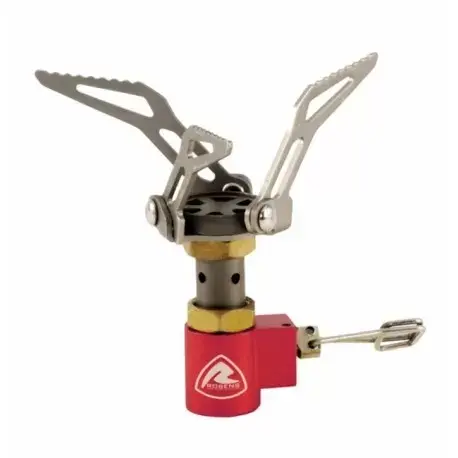
The lightest: Robens Fire Midge stove
Very light (45 g) and compact, it is ideal for ultralight hiking. However, we think its pot supports suit cookware for 1 or 2 people (up to 1.2 L, for example). Larger pots may be unstable.
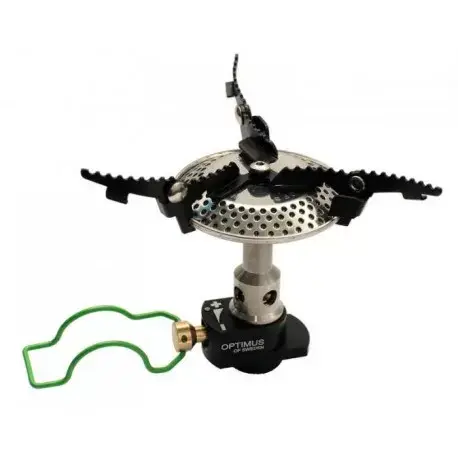
Lightweight performance: Optimus Crux Lite stove
This classic hiking stove is ultralight (72 g), while offering very satisfactory heat output (3,000 W) and stability.
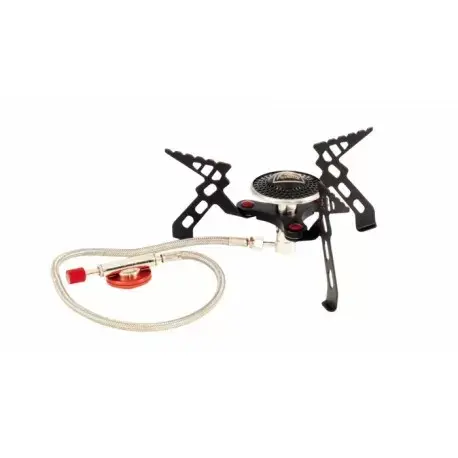
The most stable: Robens Fire Beetle stove
This remote-canister stove provides a secure base and low centre of gravity. Very practical when using large pots, cooking for more than 2 people and stirring without tipping anything over.
Affordable and effective: Elémenterre Flam stove
Neither the lightest nor the most compact, the Flam stove works well and is suitable as a first stove on a tight budget.
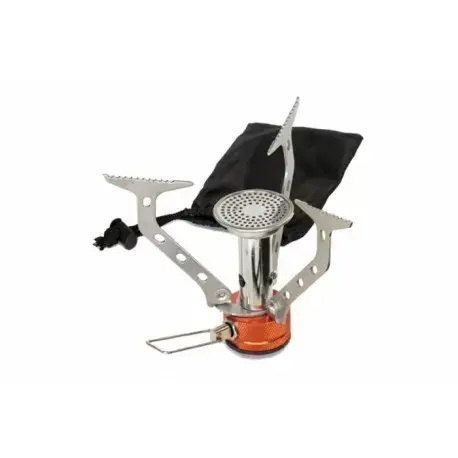
Cold-weather performance: Optimus Vega stove
This stove's power heats substantial quantities quickly. It lets you cook faster and limits energy loss from prolonged heating. Ideal for cooking for several people or when you need high heat.
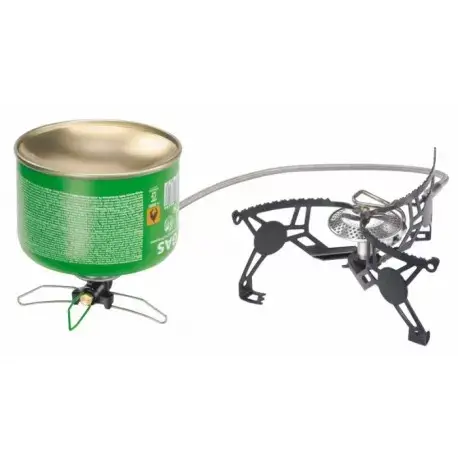
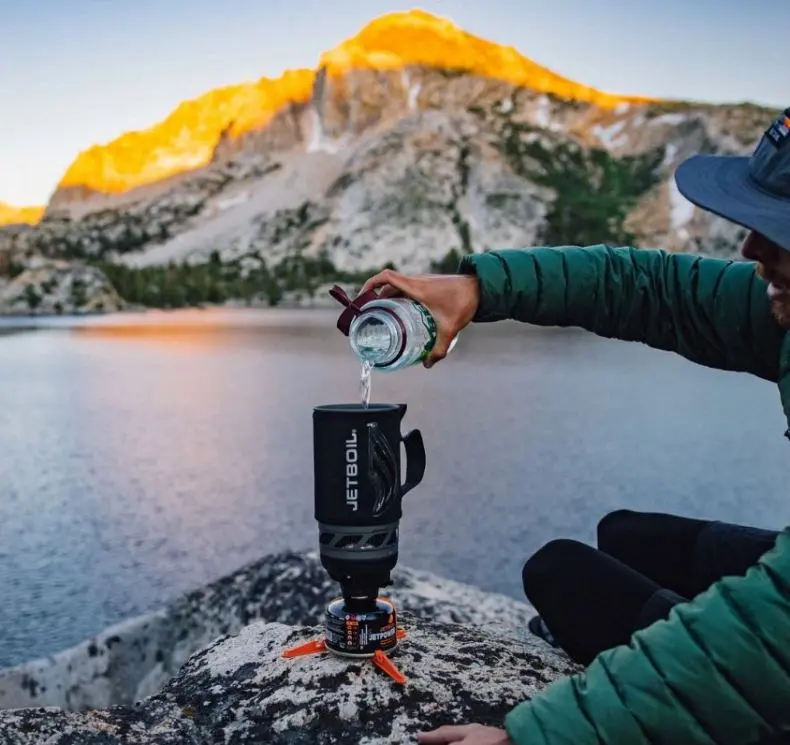
The best efficiency in all weather: Jetboil Flash stove
A major advantage is that the flame is fully protected from wind, while the pot attached above it has a heat exchanger to capture as much heat as possible. Heating is much faster than on open stoves. It suits camping in windy or cold weather, or at altitude.
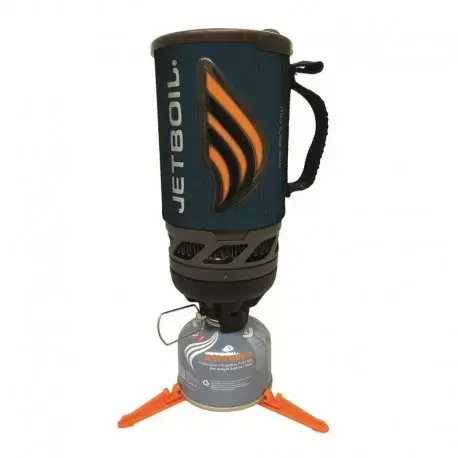
Lightweight all-in-1: MSR Pocket Rocket 2 Mini Stove Kit
A good option for a compact, lightweight rucksack: everything fits inside the pot. This setup works well for one person and may suit 2 if you only need to heat a little water.
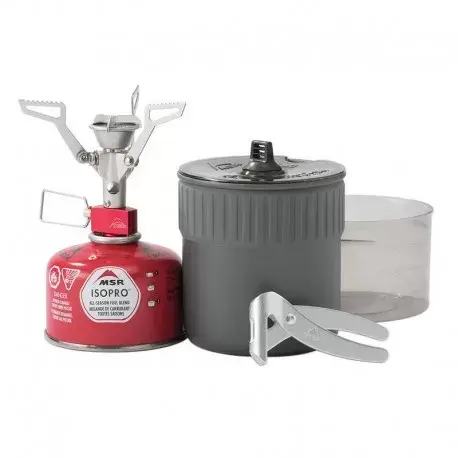
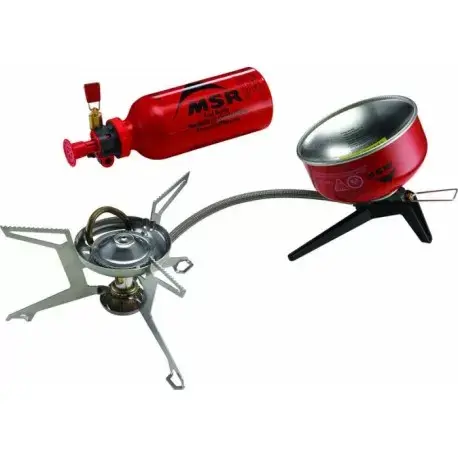
The versatile option: MSR WhisperLite Universal multi-fuel + gas stove
This stove runs on gas wherever you can find it, providing the most powerful, cleanest heating, and lets you switch to another fuel where canisters are unavailable. Well suited to longer trips abroad.
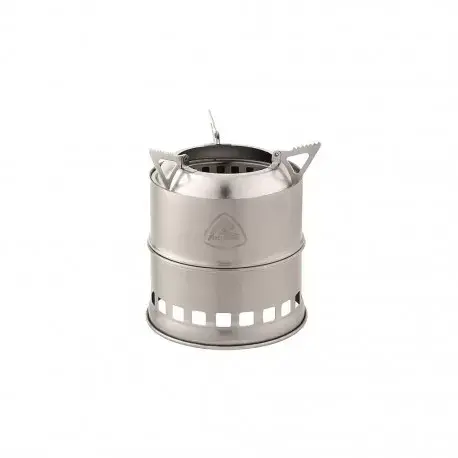
The self-sufficient option: Robens Lumberjack wood-burning stove
With this stove, you do not need to visit a village with shops occasionally to buy fuel. You should generally find wood everywhere. However, cooking takes longer and you must feed the stove regularly. Fine for reheating; cooking takes longer. Choose foods that cook fairly quickly.
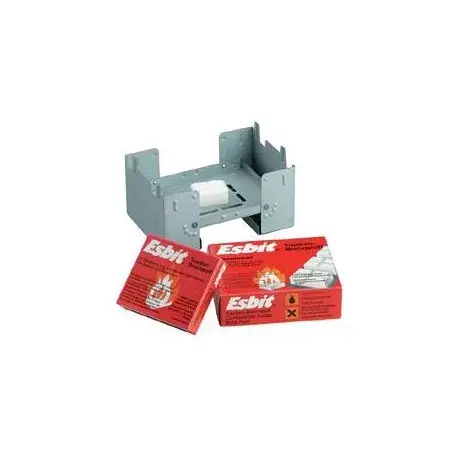
A backup for soup or coffee: Esbit pocket stove
Tiny, compact and lightweight, this little stove is a backup option. Excellent for heating soup or coffee, but not really suitable for cooking or simmering.
Conclusion:
A stove needs fuel. Your ability to find gas is therefore an initial criterion when choosing a stove.
Next, consider practicality. If you use your stove 2 times a day for 2 weeks, it should be simple and reliable.
For good efficiency, RayonRando also offers 2 useful small accessories:
- A canister stabiliser helps prevent your pot tipping over when serving soup.
- A windshield improves heating efficiency.
Finally, a small piezo gas igniter is useful so you do not rely on a lighter, which may fail, or matches.