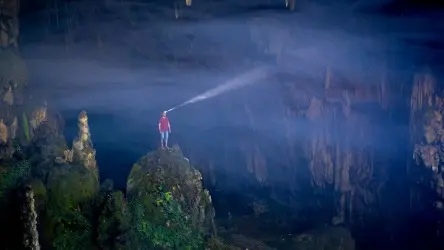
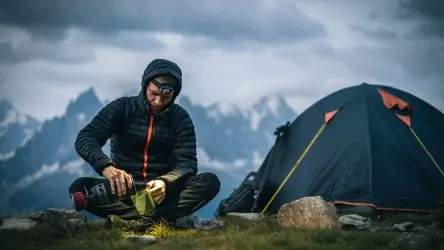
Although brightness is often a key criterion, study each torch's output/runtime table rather than choosing on maximum output alone.

If unsure, focus on a “medium” output with sufficient runtime for your activities.

Petzl remains France's benchmark brand, with reliable head torches offering good value. Other specialists, such as Nebo, also provide excellent visual comfort, superior light quality and strong output/runtime ratios.

Whatever my head torch's runtime, I never leave without spare batteries or an additional rechargeable battery. Beyond lighting, your head torch is part of your safety equipment. Some ultra-trail races even require a second head torch.

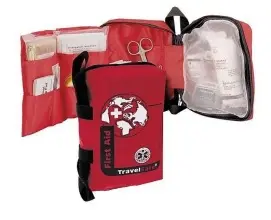
Why carry a first aid kit?

Tripping on a rock, a bad night after eating a local shepherd's cheese, or picking up ticks: unpleasant experiences ranging from discomfort to needing urgent assistance.

On a hike, however, you may be far from civilisation, with difficult access and even trouble getting phone reception to contact the emergency services.

It is important to have equipment to act quickly on minor injuries or deal with an emergency before more extensive care is available.

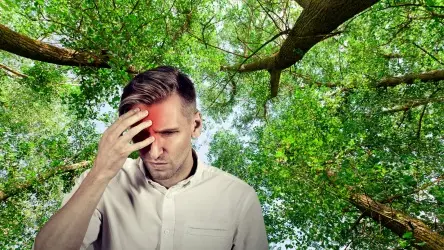
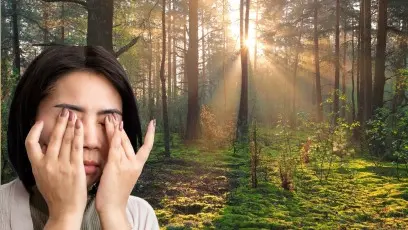
A fall with severe bleeding clearly needs immediate treatment, but more common problems, such as grit in an eye or a severe headache, can also jeopardise your hike.

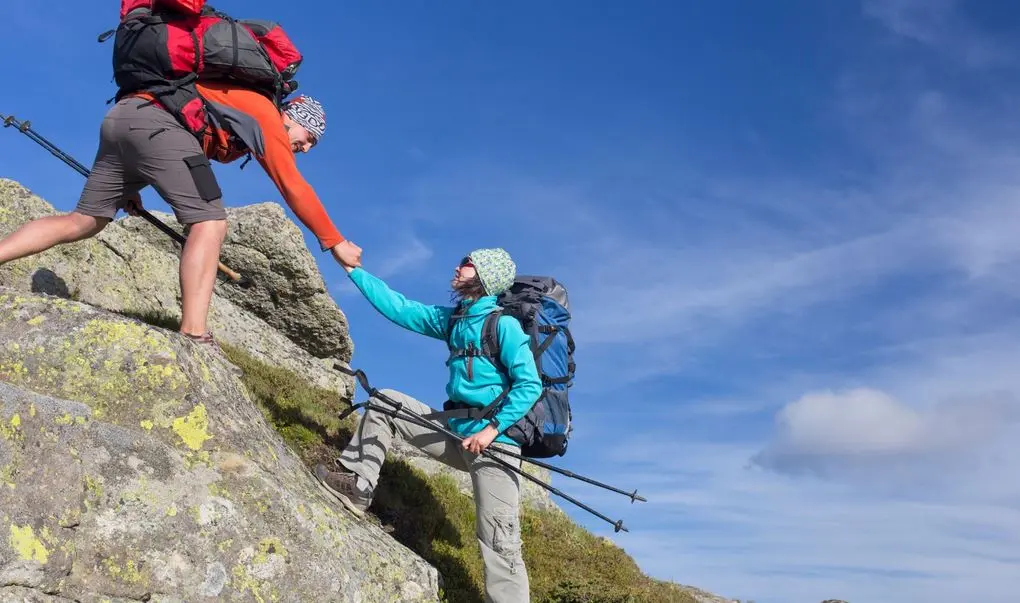
Remember that your first aid kit may one day help someone else in difficulty.

What should your first aid kit help you do?

Every item in your first aid kit has a specific purpose. For each situation you might encounter when hiking, we suggest equipment to address it.

Prevent rubbing / blisters

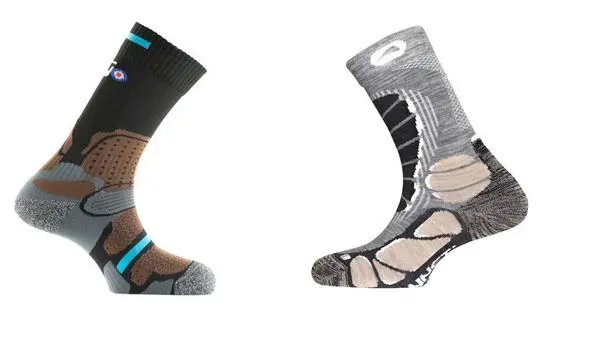
Prevention is better than cure, especially for your feet, a hiker's most important tools. Alongside double-layer socks to limit rubbing and blisters, add a few accessories to your first aid kit, such as anti-chafing cream or silicone toe protectors.

If a blister has already formed, we recommend dressings such as Compeed.

Read our full article on how to prevent blisters when hiking.

Treating bruises and cuts / wounds

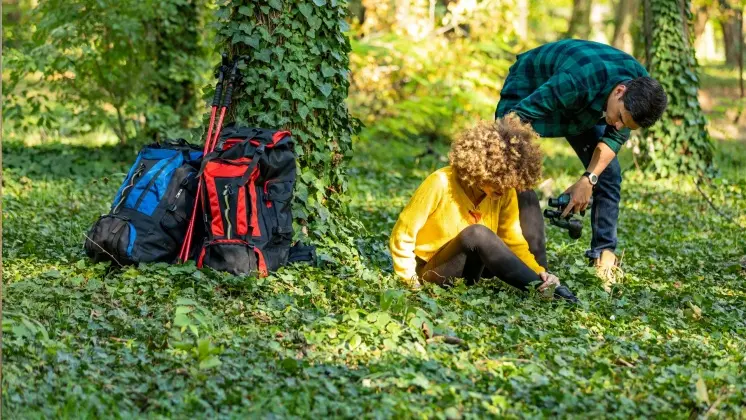
Falls, with or without wounds, are among the main hiking accidents.

  • Bruising without a wound: homeopathic Arnica is a lightweight, compact option for treating it.
  • Cuts can happen when climbing awkwardly over a fence or when your knife slips. Pack antiseptic (convenient single doses are sold in pharmacies), a few gauze swabs, basic dressings (I recommend cut-to-size ones) and wound closure strips to hold the edges together if the wound is shallow.
  • A bleeding wound: antiseptic, gauze swabs, haemostatic dressings and medical tape.

Tweezers may also help remove thorns or stones embedded in your skin.

When handling a wound, wash your hands and the wound with soap as far as circumstances allow.

Preventing dehydration

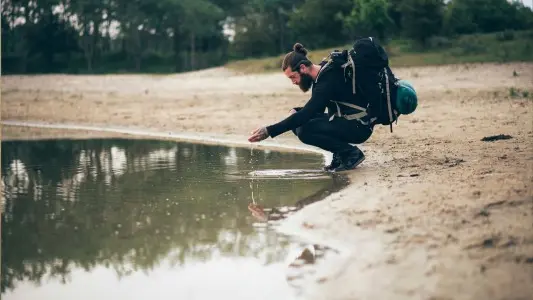
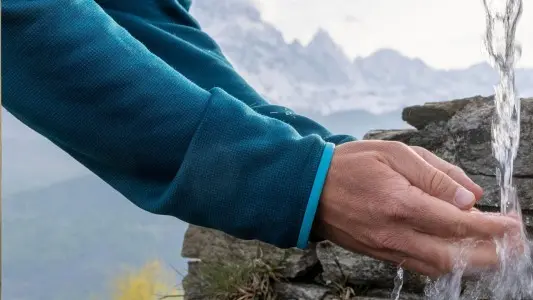
You need water, but must also ensure it is safe to drink. When only questionable puddles remain, you need reliable treatment against viruses and bacteria: Micropur Forte tablets.

Treating sprains and strains

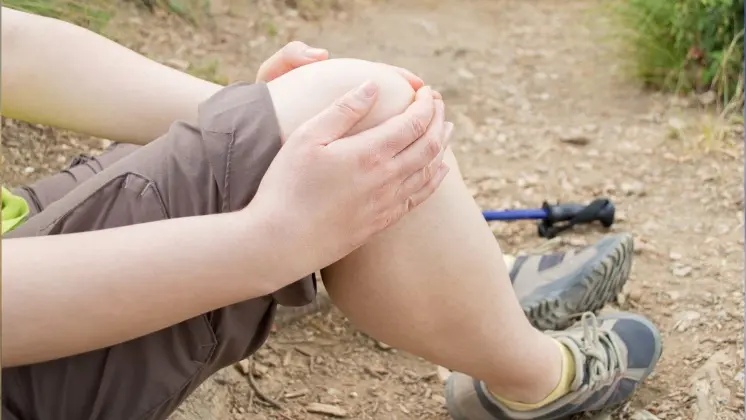
Sprains and strains resulting from awkward footing or falls can receive 1st aid. The simplest approach is to stabilise and support the joint with a bandage such as Elasto Strap. This adhesive bandage is widely used for joint, muscle or ligament injuries. A full roll, 5 cm wide, is needed to strap a joint. It can also be used for minor repairs.

Relieving headaches and pain

Carrying a few paracetamol tablets is sensible. Besides headaches, they may help ease more intense joint pain, for example, until you reach a pharmacy.

Treating indigestion and diarrhoea

Contaminated water or cheese that initially seemed fine can upset your stomach and bowels! Initially minor problems can lead to dehydration. You can pack products to mix with water such as Smecta and Spasfon. Drink water regularly in small quantities. An antidiarrhoeal may also help stop diarrhoea.

Treating eye discomfort

Sometimes seemingly trivial accidents make continuing your walk very uncomfortable. Add 1 or 2 single doses of saline solution: welcome when grit will not leave your eye or wind and sun irritate your eyes.

Preventing sunstroke

Besides normal sun-protective clothing, pack a compact tube of sunscreen (SPF 50) and lip balm. Adjust the quantity to your sensitivity, altitude and hike duration.

Treating burns (sun or stove, etc.)

At 2,000 m, sunlight has a different effect than at the beach, especially at midday. If sunburn occurs early in a multi-day hike and your skin is sensitive, treating the burn is preferable. Carry a small tube of Biafine.

Stove accidents, much rarer but more painful, also call for this type of treatment. First, cool the burn as much as possible, by immersing your hand in water, for example.

Treating and soothing insect bites and stings (wasps, ticks, etc.)

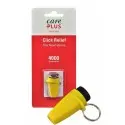
A tick remover is essential in a first aid kit. Depending on your hiking environment, consider insect repellent too (such as CarePlus DEET 15 ml). For bites and stings, at RayonRando we particularly like Click Relief for almost instant itch relief.

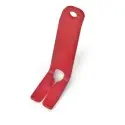
Ticks-2-Go tick remover

Tick remover with two notches to help ensure correct tick removal.

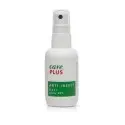
DEET insect repellent spray 15 ml

A miniature DEET insect repellent spray. Odourless.

Click Relief

Piezoelectric device to relieve the burning and itching sensation of insect bites and stings.

Staying warm when unable to move

Simply take an emergency blanket, a tealight and a lighter. This lightweight, compact trio helps you stay warm in an emergency when movement is difficult.

A head torch for signalling

After an accident, you may remain unable to move until nightfall. A head torch with a flashing mode helps signal your position to rescuers.

Optional: relieving muscle fatigue

We have all experienced it: the 1st days of hiking can be demanding and cause muscle pain. A cream such as Tiger Balm can be applied in the evening to soothe muscles or in the morning to “warm up” before activity. Some essential oils, such as wintergreen, may also relieve muscle fatigue.

Your personal medical conditions

Remember medication for your own conditions and always carry a reasonable reserve in case your hike lasts longer than expected.

Conclusion:

There are 2 common pitfalls when assembling a hiking first aid kit:

  • Removing an item to save weight because you have never needed it. Do not take this risk: your kit should cover all common hiking problems, including those you have never experienced personally.
  • Overestimating quantities: if a problem persists, you will quickly return to civilisation for treatment. Carry only enough to manage the problem until you can access care. Avoid equipment or medicines you do not know how to use.

If relevant, include a note in your first aid kit that someone else can read, listing all health information needed when calling for help. Add emergency numbers too (thinking clearly is harder when panicking).

Waterproof first aid bags are available (generally slightly heavier), but a small waterproof pouch for medicines vulnerable to water is also worthwhile.

Finally, your smartphone may one day help you contact rescuers for yourself or someone else. Always keep some charge available. A compact emergency power bank can be a wise purchase.

Product comparison
Compare
Rayon Rando advice