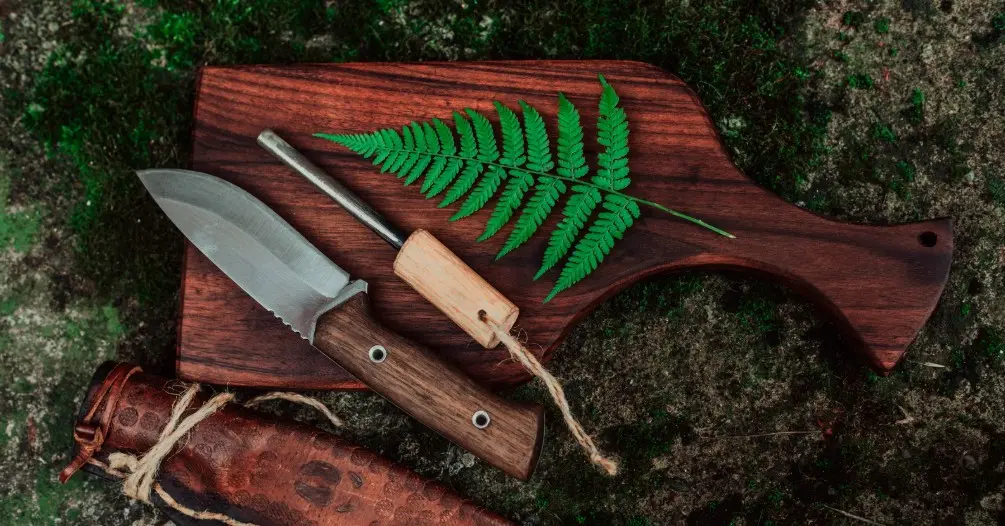
The knife holds a special place in survival. Compact, robust and versatile, it is often presented as the indispensable tool capable of handling every situation. Some television programmes and many bushcraft videos even suggest a simple knife is enough to survive for several days in the wild.

Reality is more nuanced. Although a knife is indeed extremely useful, it cannot meet every essential survival need on its own. So is surviving with only a knife really possible? Or is it primarily a myth sustained by the romance of adventure? Here is what you need to know.

Why is the knife considered the ultimate survival tool?

A versatile tool that is easy to carry

Few items offer so many possibilities in such a compact size. A survival knife can cut wood, prepare food, make repairs, create improvised tools and help build a shelter.

Its low weight and toughness explain why it is among the first items recommended for survival kits. Whether hiking, trekking or practising bushcraft, it serves many everyday purposes.

The knife at the heart of bushcraft techniques

Bushcraft relies largely on the ability to use available natural resources. In this context, the knife quickly becomes a central tool.

In particular, it allows you to:

  • prepare firewood;
  • carve stakes;
  • make utensils;
  • cut cord;
  • fashion various tools from branches.

This versatility explains why the knife is often considered the centrepiece of survival equipment.

What you can actually do with a knife in a survival situation

Prepare wood to light a fire

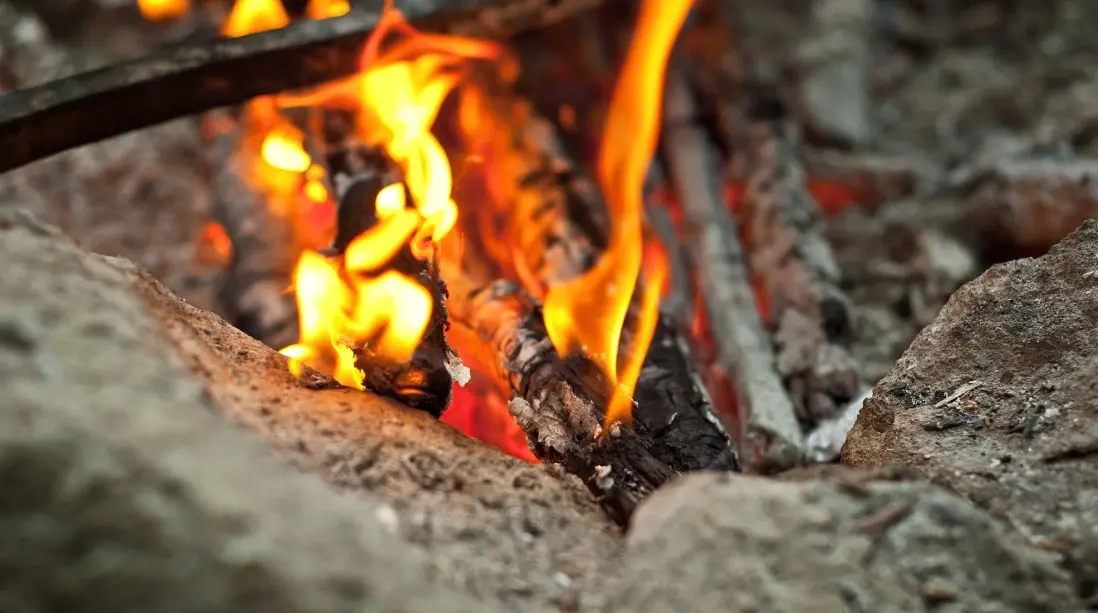
Fire plays an essential role in survival. It provides warmth, dries clothing, cooks food and boosts morale.

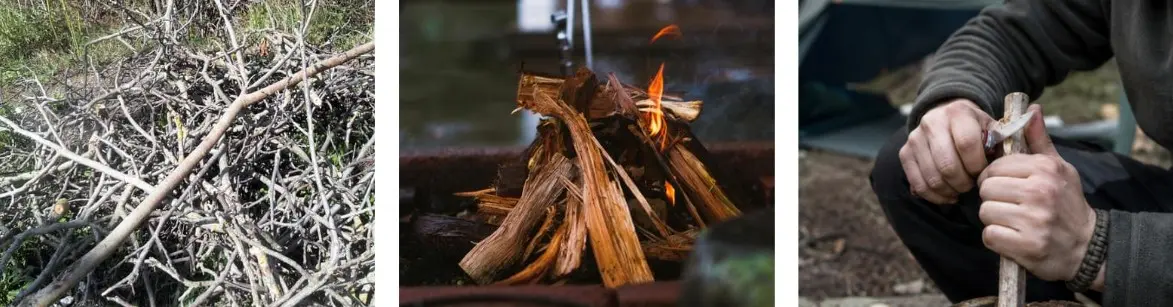
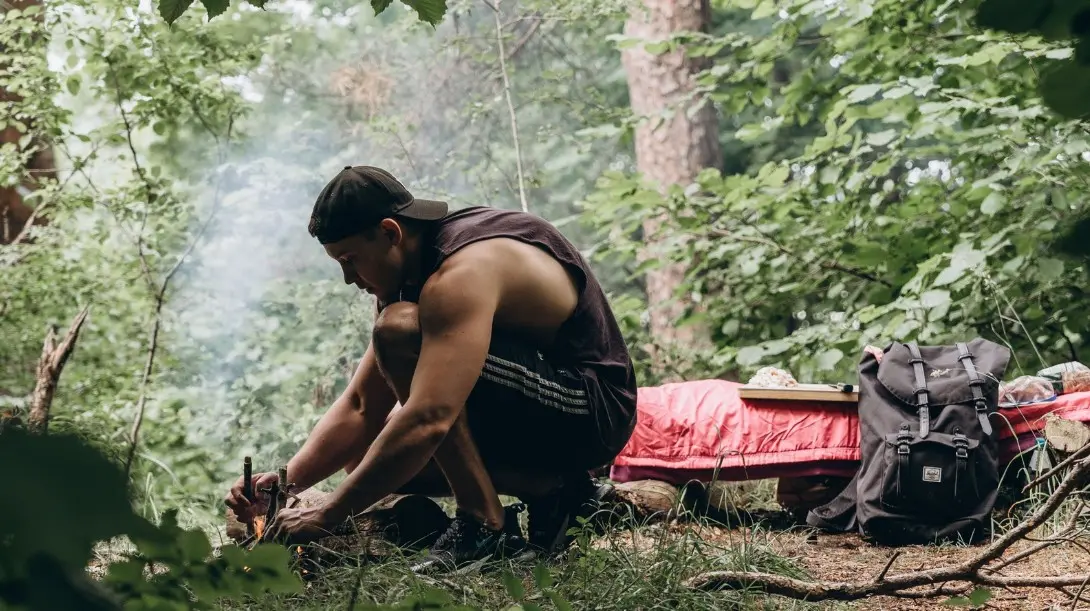
A bushcraft knife can prepare kindling, make feather sticks and split wood by batoning to reach the dry core of a damp branch. It also makes it easier to gather certain natural fire-lighting materials.

Although it does not directly produce a flame, it greatly helps with fuel preparation.

Build a makeshift shelter

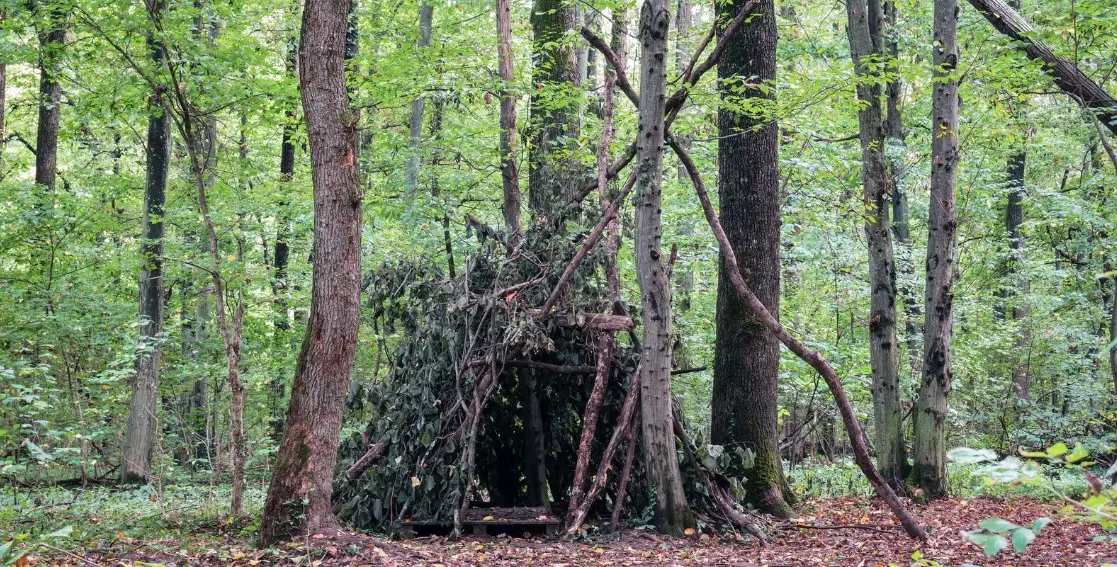
A knife lets you cut branches, carve stakes and prepare the various components needed to build a rudimentary shelter.

With enough time and available materials, you can create a structure that limits exposure to wind or precipitation. Naturally, the shelter's quality depends as much on your skills as on the tool used.

Prepare food

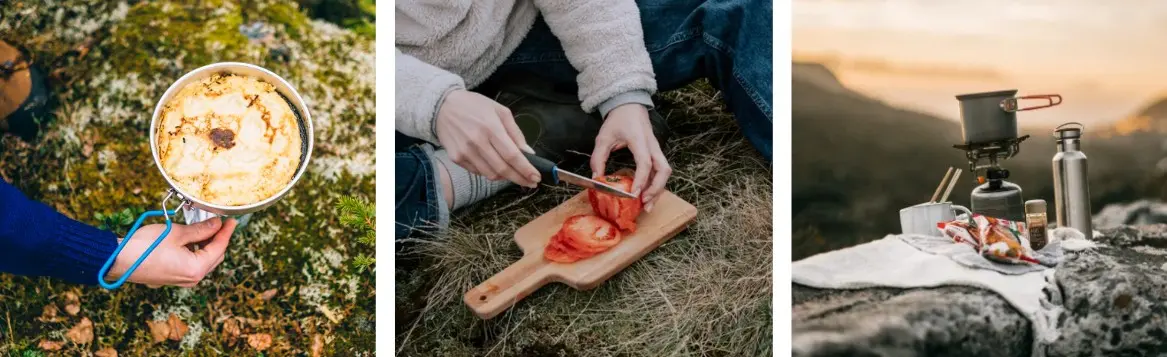
A survival knife can clean a fish, prepare game or cut food carried in your backpack.

It can also make rudimentary tools for fishing or gathering food. Although finding food is generally not the immediate priority in a survival situation, this function remains useful over a longer period.

Make improvised tools

One of a knife's greatest strengths is its ability to help you make other tools.

From simple branches, you can make:

  • stakes;
  • walking sticks;
  • spoons;
  • supports for use around a fire;
  • rudimentary fastening systems.

This ability to transform available natural resources is a real advantage outdoors.

The limits of surviving with only a knife

Finding water remains the main challenge

Water is often the top priority in a survival situation.

A knife neither filters water nor makes it drinkable. It can help access certain natural resources, but cannot remove potentially present bacteria, viruses or parasites.

Without filtration or purification, drinking contaminated water can quickly cause serious health problems.

Fire is not guaranteed

Owning a knife does not automatically mean you can light a fire.

When wood is wet or weather poor, producing a flame can become particularly difficult. Even experienced practitioners sometimes struggle in certain situations.

A knife helps prepare fuel, but does not replace an effective means of ignition.

Navigation remains difficult

If you become lost, a knife provides no direct solution.

Without a map, compass or GPS, finding your way or reaching an inhabited area can become difficult. Navigation knowledge helps, but cannot fully compensate for a lack of suitable tools.

Protection from cold remains limited

Cold is one of the main dangers in the natural environment.

Even with an excellent survival knife, quickly building an effective shelter takes time and considerable energy. In some conditions, particularly in the mountains or persistent rain, this energy expenditure can become problematic before the shelter is even finished.

A knife helps build a shelter, but does not replace immediate protection from the elements.

What minimal equipment effectively complements a knife?

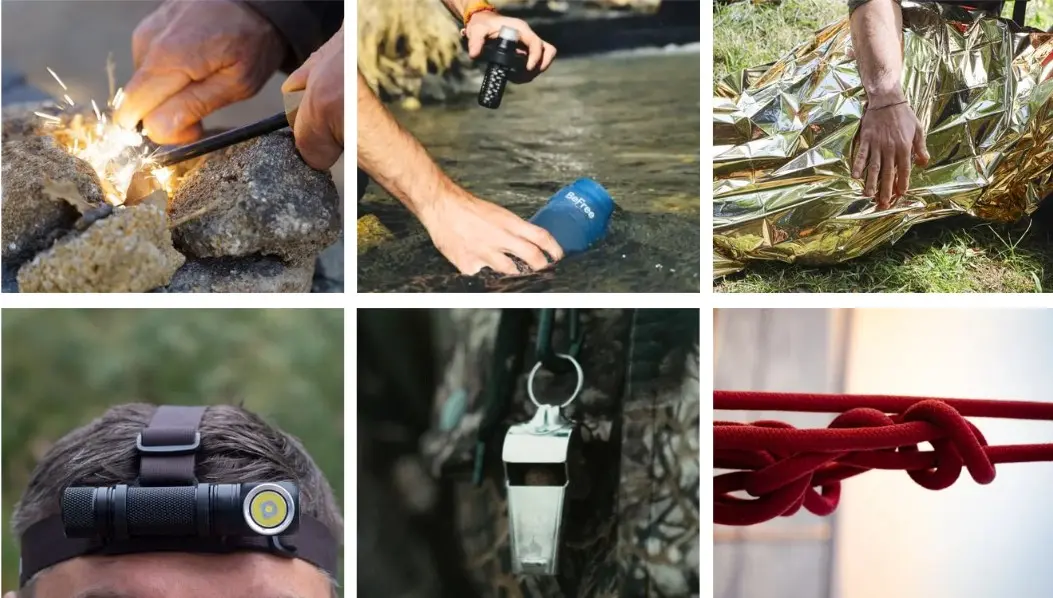
A knife becomes much more effective when combined with a few simple, lightweight items.

To build a minimalist survival kit, RayonRando considers it sensible to add:

Cord deserves special mention. It makes shelter-building, makeshift repairs and many useful bushcraft systems considerably easier.

For only a few hundred extra grams, this equipment greatly increases your chances of staying dry, warm and properly hydrated.

What matters more than the knife: skills

Knowing how to prioritise survival needs

One of the most common mistakes is focusing on finding food when other needs are far more urgent.

In a survival situation, you generally need to prioritise:

  • protection from the elements;
  • access to water;
  • maintaining body heat;
  • signalling;
  • food.

Knowing this order of priorities helps you make better decisions.

Knowing basic techniques before you need them

Survival skills cannot be improvised.

Lighting a fire in rain, building an effective shelter or finding a suitable location takes practice. The better mastered these actions are before an emergency, the easier they are to reproduce under stress.

Mental resilience: an often underestimated factor

Stress, fatigue or isolation can seriously impair your ability to think.

People who manage to stay calm generally make better decisions and use their available resources more effectively.

In survival situations, mental resilience is often as important as equipment.

Surviving with only a knife: myth or reality?

In the vast majority of situations, surviving with only a knife is closer to myth than reality.

The knife is undoubtedly one of the best survival tools available. It can prepare wood, build a shelter, make tools and perform many essential tasks. However, it provides neither drinking water nor immediate protection against cold, wind or rain.

An experienced person may sometimes manage temporarily with a simple knife in a favourable environment. But this remains exceptional and depends heavily on the conditions encountered.

In practice, survival means, above all, being able to hydrate and protect yourself from the elements. A knife alone cannot meet these two fundamental needs.

Rather than seeking a miracle tool, it is better to develop your skills and assemble a coherent set of equipment that meets essential needs.

Conclusion

The survival knife is an extremely versatile tool that deserves its reputation. It makes many tasks easier and is an important part of any outdoor kit.

Even so, believing it is enough on its own for long-term survival is largely a myth. Water, protection against the weather and the user's skills remain much more decisive.

The best approach is to view the knife as part of a broader system combining minimal equipment with solid practical knowledge.

FAQ

Can you survive several days with a simple knife?

In some favourable situations, yes. An experienced person with survival skills can use a survival knife to build a shelter, prepare firewood or make various tools. However, surviving several days with a simple knife remains difficult. Access to drinking water, weather and temperature often matter far more than the tool itself.

What is the best survival knife?

The best survival knife is, above all, one suited to your intended use and conditions on the ground. For survival and bushcraft, fixed-blade models are generally preferred for their toughness and ability to handle demanding work such as batoning or tool-making. A good knife should work wood, prepare food and withstand intensive use.

A Swiss Army knife is also an excellent outdoor tool thanks to its versatility and many integrated functions. However, its main blade is generally shorter and thinner than a dedicated bushcraft knife or fixed-blade survival knife. This design limits its effectiveness for demanding tasks, particularly intensive woodworking or shelter-building. It remains very useful as a multifunction hiking knife or as a complement to a main knife.

Is a knife enough to make a fire?

No. A bushcraft knife helps prepare fuel, make tinder shavings or use a firesteel, but does not automatically produce fire. Without a suitable fire starter or sufficient skills, getting a flame can be very difficult, particularly with damp wood or poor weather.

What equipment should you carry alongside a knife?

To effectively complement a survival knife, carry a few lightweight items: a water bottle, water filter, fire starter, emergency blanket, cord or paracord, head torch and whistle. This minimalist survival kit offers much greater safety with very little bulk.

Are survival programmes realistic?

Survival programmes often show real techniques that can be very interesting to discover. However, they generally simplify some difficulties encountered outdoors. Finding drinking water, managing cold, fatigue and lack of sleep are often harder than they appear on screen. In hiking and bushcraft alike, preparation always matters more than spectacular demonstrations.

Product comparison
Compare
Rayon Rando advice