How do you get the best sleeping comfort when carrying your bed in your backpack? This is important when trekking, as restorative sleep is needed to enjoy this endurance activity fully.

RayonRando shares the main factors for choosing the right hiking mat. Thermal comfort, support that is both firm and soft, stability: these are the ingredients for a good night's sleep. Fortunately, recent technological advances have achieved exceptional combinations of weight, comfort and insulation!

To choose a hiking mat, you need to answer several questions:

  • Inflatable or self-inflating mat?
  • What dimensions?
  • What insulation?
  • What weight and packed size?

Inflatable or self-inflating sleeping mat: which should you choose?

Many people still have preconceptions about these 2 types of hiking mat. Inflatable mats sometimes suggest something that rocks with every movement, while self-inflating mats sound as though they inflate entirely unaided.

Here are the comparative advantages of the 2 types.

Inflatable mats: comfortable, light and practical

Number 1 for comfort:

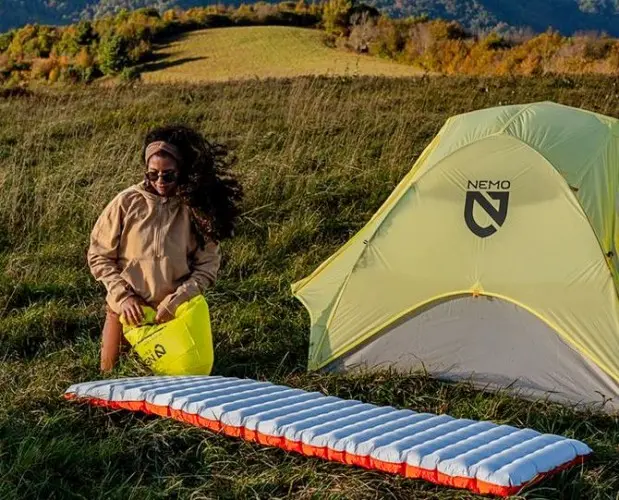
Brands have made enormous progress over the past decade, creating genuinely comfortable hiking mats. The outer fabric structure (small cells or shallow horizontal baffles) and internal construction provide a stable mat, far removed from beach airbeds that rock at every movement.

Adjustable comfort: changing air pressure lets you adjust softness easily to your build and habits (firm support with more air, softer cushioning with less). For your first uses, we recommend firm inflation, then lying down and releasing air until the support suits you. You can also sleep on your side without your hip touching the ground.

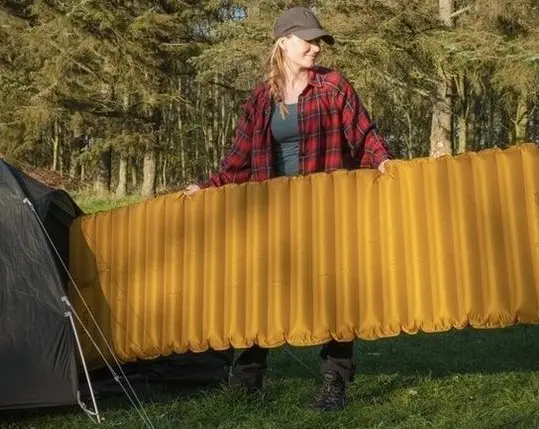
An inflatable mat can be very thick. In mountains, you cannot always choose perfect ground. Thickness cushions uneven terrain: 6, 8 or even 10 cm is welcome, particularly for someone with a rugby player's build.

Featherweight: little material and plenty of air make an inflatable mat lightweight. The lightest (around 400 g) generally use thin fabrics. Around 650–700 grams, thicker fabrics are available.

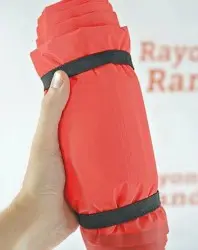
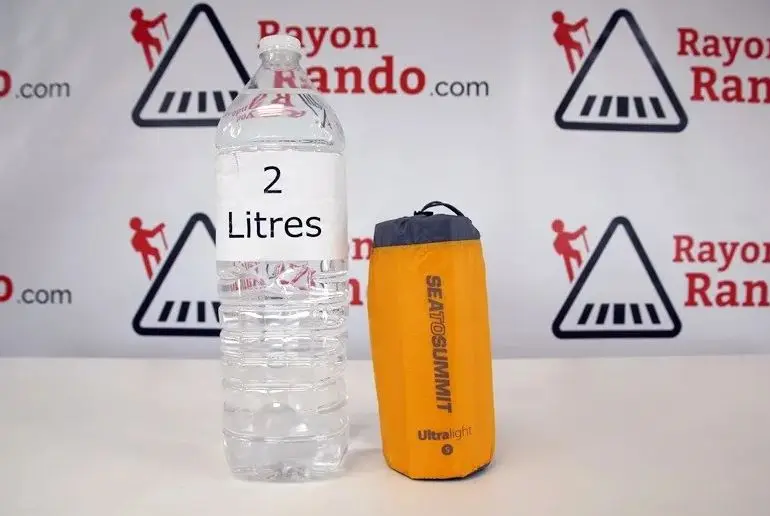
As compact as a water bottle: packed size is a major advantage. Unlike self-inflating mats, these contain no foam. Carefully divided air chambers mainly provide stability and insulation. Ideal for cycle touring, where every space counts!

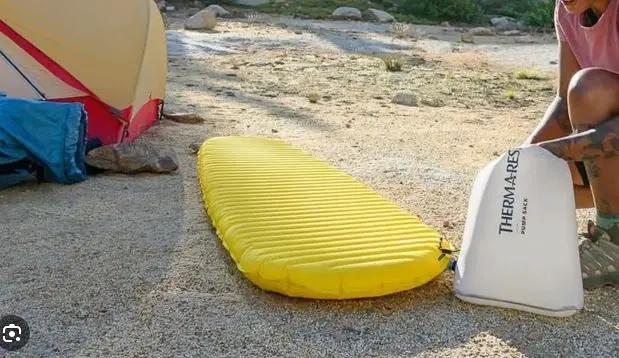
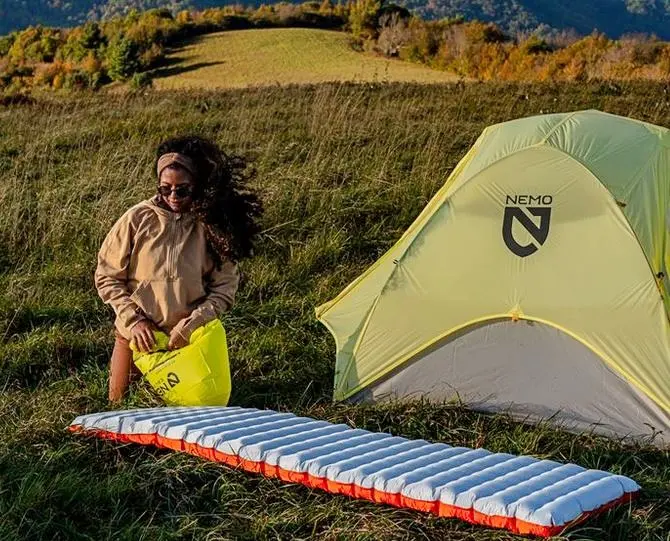
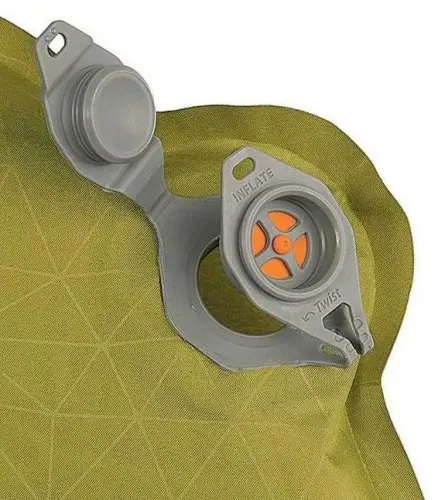
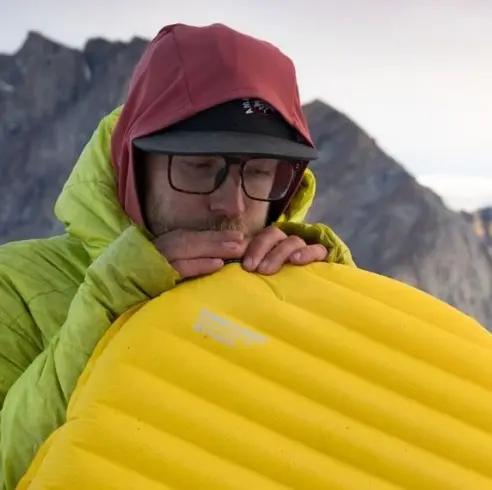
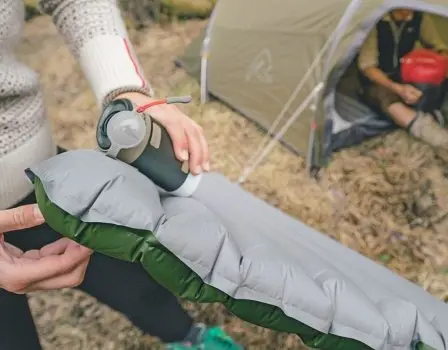
Practical and quick to inflate and deflate. Pump sacks transformed convenience immediately when they appeared. Weighing just a few grams, they inflate mats effortlessly in very few breaths. Read our article about this long-overdue invention.

Inflatable mats suit most hikers and cycle tourists. They tick the essential boxes: weight, packed size and comfort.

Self-inflating mats: reassuring and more affordable

When this technology appeared, it was a revelation: a mat inflating itself! In practice, it takes shape with little assistance, but you still need to blow air in for proper inflation.

Compared with inflatable hiking mats, it is less comfortable because it is thinner. You need to like firm mats and tolerate uneven or stony ground. Quick to inflate, but slower to deflate and pack, and generally heavier and bulkier.

Nevertheless, self-inflating mats retain some advantages:

  • Affordable. Starting below €100, they offer a budget alternative to technical inflatable mats.
  • Quiet. Internal foam reduces friction and associated noise, whereas some hikers notice every sound when moving on an inflatable mat.
  • Reassuring. The fabrics give an impression of strength and stability.

A self-inflating mat suits a 1st purchase if limited thickness does not worry you and quietness and a rugged feel matter more. It may be economical, but consider the weight / bulk in your rucksack and limited comfort, unless you like a very firm bed.

As you can tell, the RayonRando team strongly prefers inflatable mats.

Which dimensions for my hiking sleeping mat?

Length

For the best overnight recovery, choose a mat supporting you from head to toe. A 1m85 hiker on the RayonRando team uses a standard “regular” mat. At 1m83 long, these suffice with an improvised pillow.

In most cases, a regular mat (1m83) suits. Taller users should choose a long hiking mat (1m93 to 96).

If you sleep on your front, allow extra length.

To save weight, some choose 1m20 half-length mats. You need something beneath your legs: beware uncomfortable positions and insufficient insulation.

Width

Most models offer 2 widths: 51 cm or 64 cm. Why is this a comfort and insulation choice?

Those extra 13 cm often let your arms rest on the mat when sleeping on your back. The larger surface also provides a wider barrier against cold.

However, a wide mat is heavier than a standard “regular”, packs larger and may cause problems inside your tent.

A 2-person tent is not always wide enough for 2 mats of 64 cm. Set priorities between comfort, weight, packed size and tent compatibility.

Most people choose the standard “regular” 51 cm width.

Thickness

A very thick mat is not essential for comfort except for larger builds: 9 or 10 cm provides a large air volume to cushion uneven ground under a rugby-player-sized sleeper.

For a soft mat in all circumstances, thickness from 7 cm lets you lower pressure for softer cushioning while retaining enough depth.

How much insulation does my mat need?

A hiking mat's insulation is defined by its R-value. Our article What is R-value? explains everything.

Here are our suggested ranges as a guide:

Up to 2.5: summer mountains in mild to cool conditions, or lowlands across 3 seasons.

Between 2.5 and 4.5: mountains across 3 seasons in cold conditions (early spring or late autumn).

5 or more: the same conditions if you want reassurance or feel the cold. Otherwise, these ratings mainly suit extreme-cold expeditions or winter camping in our region.

What weight / packed size for my mat?

Higher weight / bulk can result from:

  • A longer, wider or thicker version
  • Choosing a self-inflating mat
  • Thicker fabric
  • A lower price with more basic materials.

A stronger mat made with 70 D fabric (yarn size), for example, feels reassuring and tolerates impacts better. But it weighs more. Acceptable for cycle touring, less so in a rucksack.

Thick fabric (such as 50 or 70 D) can suit larger users, who place greater pressure on the mat.

An ultralight, compact mat needs slightly more care. In every case, no inflatable mat is puncture-proof. Choose inflation locations carefully and watch for thorns and sharp objects on the ground or brought inside your tent.

For packed size, avoid choosing an excessively thin mat simply to save rucksack space. Too close to the ground with poor insulation, you may sleep badly.

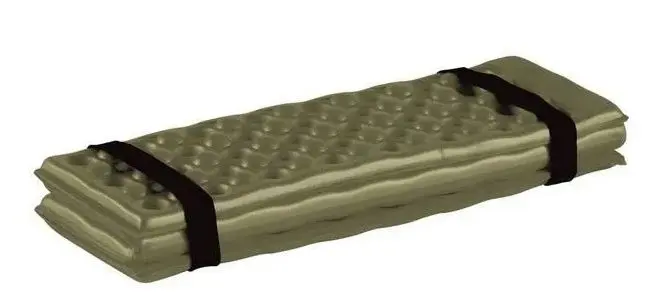
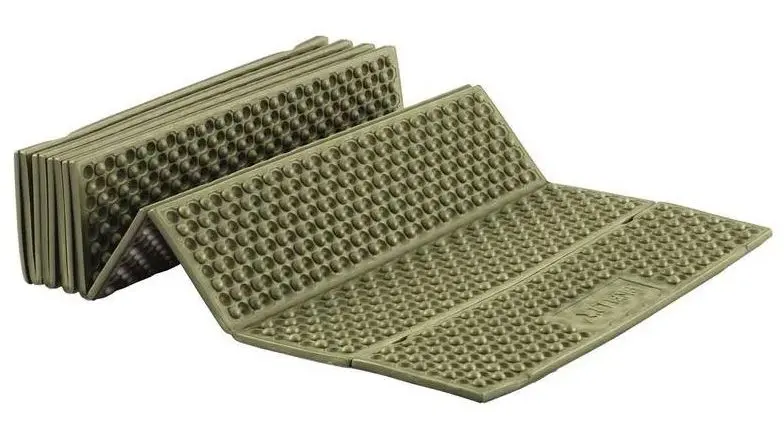
What about foam mats?

Mats from another era? Their disadvantages tend to make inflatable mats preferable:

Folding or rolled, they are very bulky.

Thin, with very limited comfort, especially on slightly uneven ground.

Poor insulation. This construction struggles to trap enough air for sufficient insulation.

Foam mats therefore seem unappealing.

Some hikers still use them because they retain advantages:

  • Puncture-proof. Sleep under the stars without worrying about sharp ground debris.
  • Convenient. Unfold one during lunch and be napping seconds later.
  • Affordable. Less technically complex than inflatables, they come at appealing prices.

For comfort, a foam mat may suit if you like a firm surface and tolerate bumps beneath your back.

Conclusion

If weight and bulk are both limited, lightweight inflatable mats are ideal and provide real comfort.

The lightest mats (under 400 g in regular size) suit dedicated gram-counters: thinner fabrics and less comfort. If weight matters less (cycle touring, for example), choose an inflatable with thicker fabrics: slightly heavier, but cheaper.

Self-inflating mats feel more reassuring but are less comfortable and practical than inflatables.

Before weight / bulk, remember that restorative sleep is essential to successful hiking: sufficient comfort remains the number 1 criterion.

To simplify your search, read our article on the best insulated trekking mats.

Product comparison
Compare
Rayon Rando advice