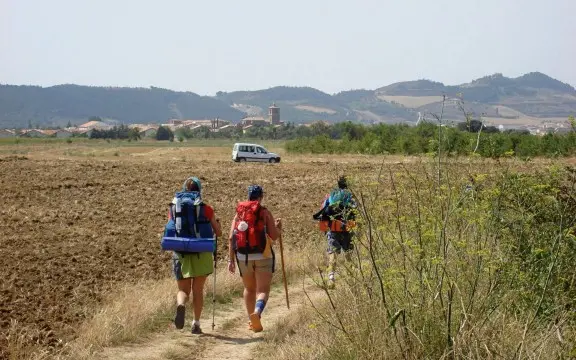
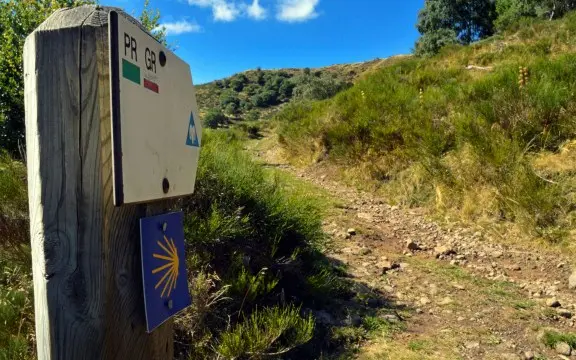
Whether you see it as a pilgrimage, a walk or a long journey, setting out on the Camino de Santiago is a special experience requiring careful preparation, particularly regarding equipment.
What equipment should you take on the Camino? Your choices depend on several factors: trip length, season, accommodation type (hostels or camping) and terrain along your route (lowland or mountain).
RayonRando offers detailed advice to help you select equipment suited to your needs.
This is not an endless inventory (we will not remind you to bring your glasses and payment card). We list essential equipment and items for which we have specific Camino advice or recommendations.
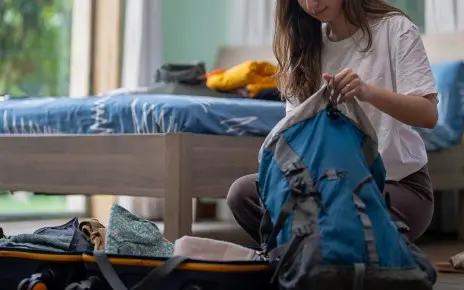
Before considering what to pack for the Camino, the 1st step is choosing the right backpack.

Which rucksack for the Camino? Choose comfort and avoid overloading!

Choosing a rucksack is crucial: it carries all your belongings throughout the pilgrimage.

  • Recommended capacity. For staying in hostels, a 30 to 40-litre rucksack is sufficient. If camping, choose 50 to 60 litres. Larger packs should not be necessary for camping, as food resupply is frequent and you need not carry large stocks.
  • Loaded pack weight: travelling light is an important aim, especially on long trips. Staying in hostels, a carefully packed rucksack can weigh around 7 kg. Camping, it may weigh around 12 kg: less than on a long-distance mountain trek, since food and water resupply is easier on the Camino.
  • Empty pack weight: beware, choosing a very light rucksack to save weight may reduce comfort. Over several days, a pack providing genuine carrying comfort (structured back, sufficient padding) matters. The lightest is not necessarily the most suitable.
  • Other useful features: read our article on choosing a rucksack. A well-ventilated back is welcome in hot weather, suitcase-style front access can be practical in hostels, and women's packs have back systems better suited to smaller builds, for example.

Which footwear for the Camino? A crucial choice

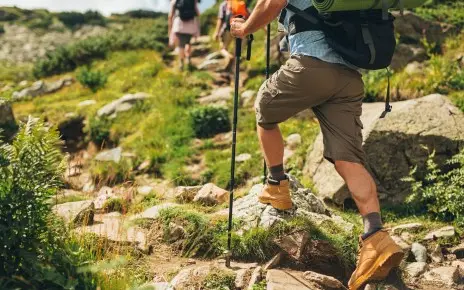
Camino routes mostly follow easy paths, straightforward terrain and moderate gradients. Mountain trekking boots are therefore unnecessary. However, some sections are rougher and more technical, including the Pyrenees crossing and parts of the Massif Central and Spain (particularly the León and Galician mountains).

Low-cut shoes or high-cut boots?

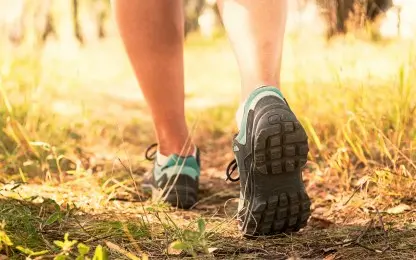
  • In most cases, low-cut hiking shoes are suitable: lighter and more flexible, ideal for flat or fairly smooth terrain and excellent on tarmac too.
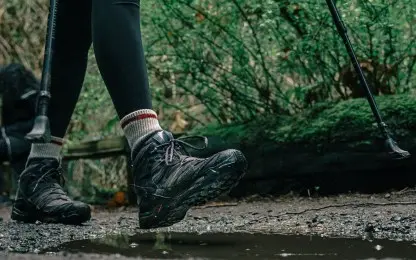
  • High-cut boots offer better ankle support, but less flexible movement and less comfort on tarmac. We do not particularly recommend them for the Camino except in specific cases: rough sections, a heavy rucksack (but why?) or a need for ankle and joint support. However, high-cut boots with fairly flexible soles and mid-cut footwear can retain a natural rolling movement.

Flexible or stiff?

  • Following the previous point, flexible shoes are comfortable and suit the easy terrain generally found on the Camino.
  • Stiff footwear offers little advantage on the Camino and can feel uncomfortable on tarmac (jarring underfoot). It provides better protection and support on difficult terrain, which is less common on the Camino.

Additional tips:

  • For a fairly long trip, it is useful and wise to wear your footwear before setting off, ideally with a loaded rucksack, to check fit and comfort.
  • Some walk in hiking sandals because the terrain is easy. If you are not used to this, play safe with closed low-cut shoes offering better foot support and protection.
  • Pack comfortable evening footwear (sandals to air your toes in summer, or light low-cut shoes comfortable enough for a village stroll). Lightweight running shoes can also work.

Weather protection: waterproof jacket or rain poncho?

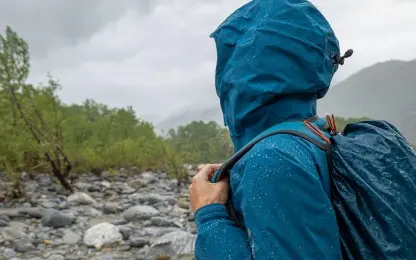
Weather can be unpredictable on the route. Effective protection against rain is important.

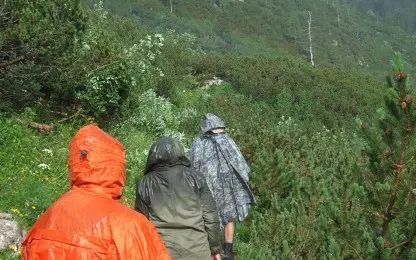
  • A waterproof jacket offers good protection with a closer fit. It is both waterproof and breathable. Add a rucksack rain cover and waterproof trousers.
  • A rain poncho covers both hiker and rucksack. You can dispense with waterproof trousers. It doubles as a groundsheet during breaks. However, pack a light windproof jacket for dry, windy weather or cool starts. A poncho catches more wind, but the Camino is not particularly exposed, so this is rarely problematic.
    Our full article “Rain poncho or waterproof jacket?” helps you choose between the 2 options.

What to wear on the Camino: lightweight, effective clothing

Travelling light is the key to comfort on the route. Besides waterproofs, here is the clothing and quantities we consider necessary and sufficient in the warmer season:

  • 1st layer: 2 quick-drying technical T-shirts + one evening T-shirt if travelling for more than a week.
  • Bottoms: 1 pair of zip-off trousers + one evening pair, kept dry and usable for walking if your hiking trousers have not fully dried after washing.
  • Which socks for the Camino? Foot comfort is essential. Take 2 good pairs of technical hiking socks for daytime and one evening pair (hiking socks or a less technical but warmer pair).
  • Underwear: your choice… That much? Are you sure? Choose something quick-drying.
  • Warm layer: 1 lightweight daytime fleece, ideally full-zip for easy adjustment. For evenings, a slightly thicker fleece or lightweight insulated jacket.
  • Cap or sun hat, and sunglasses.
  • Thin hat and neck warmer. Even in summer? Your choice: useful if the weather changes, but also if you become unwell. You quickly feel cold when injured or ill without shelter.
    This list varies by season. For longer trips, take multipurpose soap and wash regularly rather than packing extra clothes.

Essential accessories, excluding camping equipment:

Some accessories can greatly improve comfort and safety on the route:
For evenings:

  • Sleeping bag or liner: even indoors, you may need at least a liner or a lightweight sleeping bag. Sheets, blankets and cleanliness are not always provided…
  • Earplugs and an eye mask for dormitories.
  • Microfibre towel and wash mitt + a minimal wash bag. Multipurpose soap is very convenient (solid or liquid), covering body, hair, washing up, laundry and shaving. Some toilet paper and tissues are a sensible precaution.

On the route:

  • Hydration and nutrition. A water bottle or hydration reservoir and energy snacks are essential to maintain energy. A mug (particularly collapsible or with a carabiner) lets you drink straight from taps or springs. Drinking water is easy to find, so no filter is needed. Consider a few Micropur tablets for safety. A folding knife and spoon are always useful.
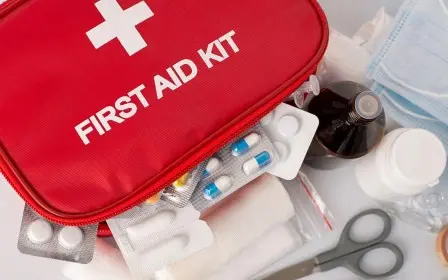
  • Safety. Help is never very far away on the Camino. Carry a first aid kit with essentials for minor injuries and emergencies (see our article). Remember an emergency blanket for accidents and elastic adhesive bandage for strapping an ankle if needed. A head torch is also necessary for late arrivals or accidents.
  • Repairs. Light, compact essentials: a shoelace, thread (including nylon), needle, cord and duct tape (multipurpose repair tape); elastic adhesive bandage and medical tape can substitute. Add safety pins and 2 clothes pegs (for socks still damp in the morning).
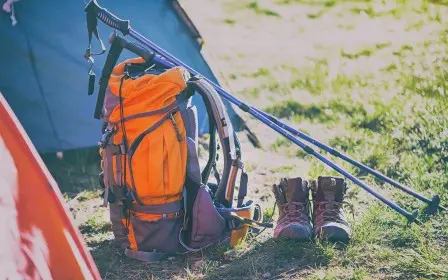
  • Walking poles? Very useful in mountains, but optional on the relatively easy Camino routes. They still ease joint strain, improve balance and reduce muscle fatigue, especially on rough terrain. Your choice…

Camping equipment:

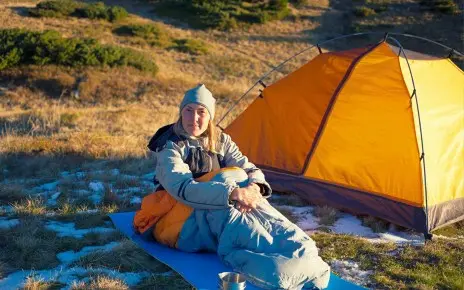
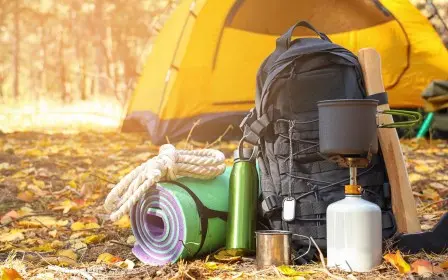
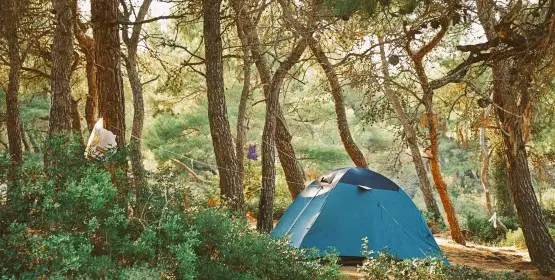
If sleeping in a tent, pack camping equipment similar to your trekking kit. The main difference is carrying less food because resupply is easy.

  • Hiking tent.
  • Sleeping bag: temperature rating depends on route and season. If unsure, a comfort rating between +5 and 0°C should work throughout spring / summer. A +10 to +5°C bag may suffice on lowland routes in midsummer with settled weather forecast.
  • Inflatable sleeping mat. Light, comfortable, compact.
  • Stove: cold evening and morning meals soon become tiresome on trips longer than a week. A small gas stove is most efficient. A spirit stove can serve as a backup for heating soup or coffee.
  • Cookware, plate, mug, cutlery.
  • A small supply of salt, pepper and oil is useful.

Conclusion:

The different Camino de Santiago routes are generally easy, well travelled and never far from a village or shop, simplifying planning. However, some mountain sections are harder or more technical. The journey's length and sometimes lack of experience can also create difficulties.  

This equipment advice should help you avoid 3 common pitfalls:

  • Carrying too much, with unnecessary accessories or excessive quantities.
  • Forgetting essentials.
  • Choosing unsuitable equipment (light but uncomfortable, for example).

Careful selection before departure can prevent excess weight. We also recommend several walks with your complete equipment before setting off, to identify significant problems and resolve them in time.

Product comparison
Compare
Rayon Rando advice