





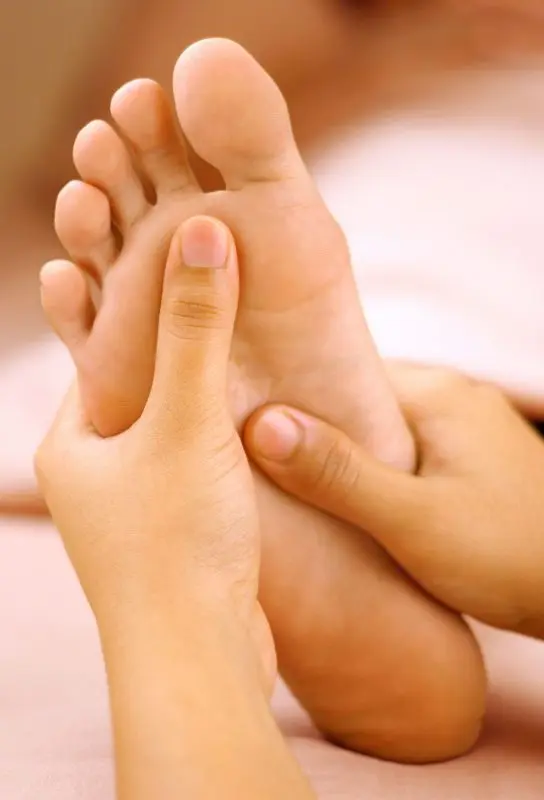
Friction and moisture are the 2 factors behind a major hiking nuisance: foot blisters.
On toes, heels and sometimes even under the arch, this separation of the skin forms a “bubble” filled with lymph. A foot blister usually bursts fairly quickly if you keep walking, causing a particularly unpleasant burning sensation that can even jeopardise your outing.
Knowing how to treat a raw blister is useful, but preventing it is even better. To stop blisters on your feet making you limp, RayonRando explains how to prevent foot blisters when hiking, and how to treat one if needed.
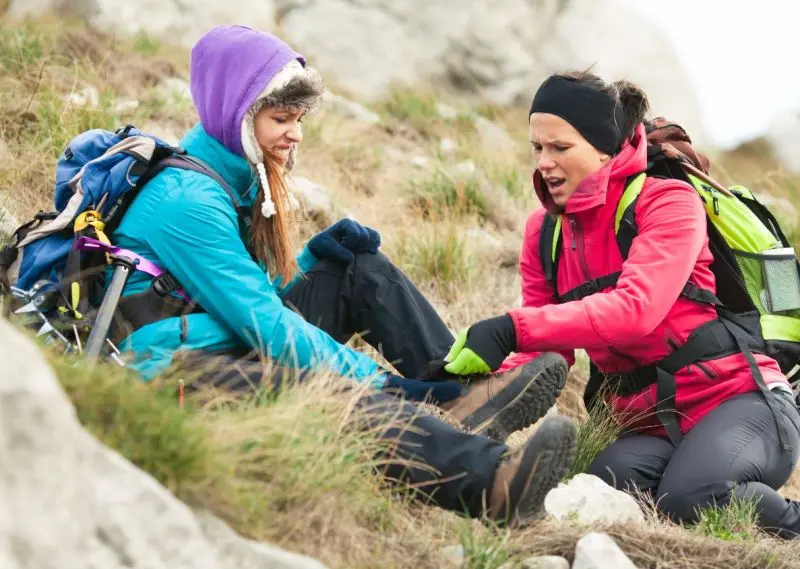
1) Before departure: suitable equipment to prevent blisters
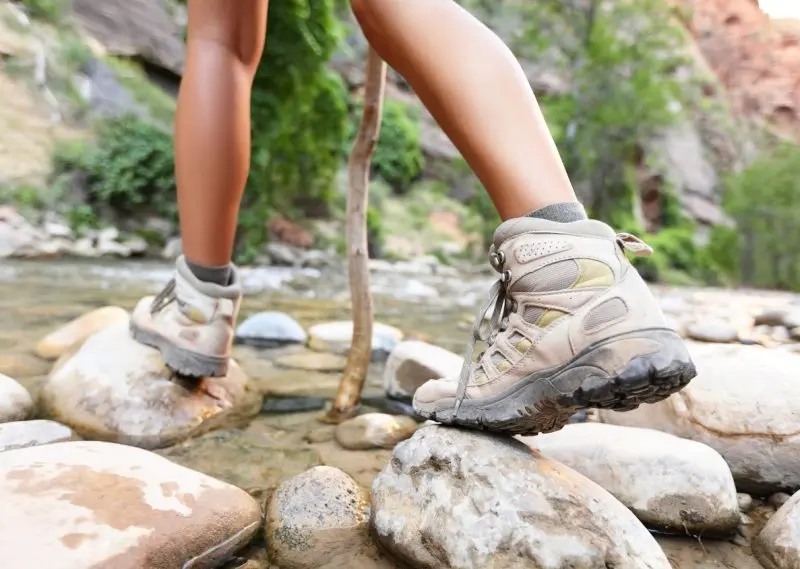
Which footwear helps prevent blisters?
If your footwear is new:
- When buying:
Wear your hiking socks when trying footwear on, rather than everyday socks. Pay attention to how it feels: pressure points on the sides, slightly limited toe room. All-leather footwear may mould a little to your foot, but you should not feel any real discomfort when trying it on.
If your foot moves slightly inside the shoe, take time to relace it. If the feeling persists, change size or model. In all cases, your foot must be securely held inside the shoe.
- After buying:
Take a short walk before your holiday, ideally including a descent. Pay attention to how it feels: pressure points, your foot moving or sliding on descents. You can then adjust what is adjustable: lacing (see below) and socks.
Previously worn footwear:
- Get it out before departure to check its condition. Watch for hardened, shrivelled leather (caused by excessive heat or drying near a heat source) and damaged stitching, particularly where the foot bends.
- Also check for soles that are too worn or unsuitable for the terrain ahead: poor grip means a foot that slips and may rub against the shoe.
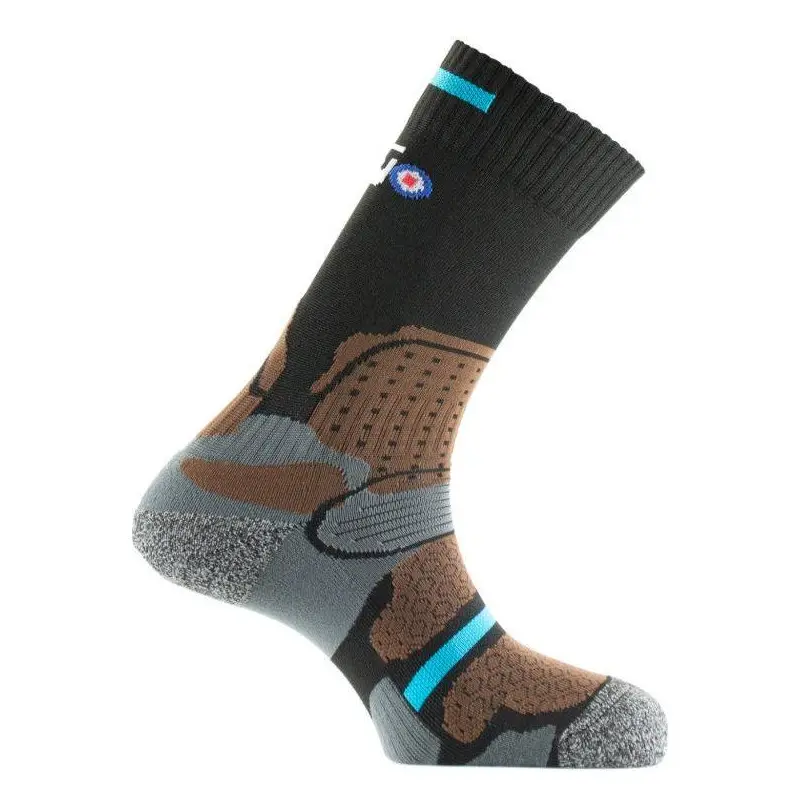
What type of socks helps prevent blisters?
Avoid everyday socks, particularly cotton socks, which retain moisture and encourage hot spots. Avoid overly thin socks if you know your feet are sensitive. Avoid overly thick socks: they need to fit well, otherwise your foot may slip with each step.
Choose hiking socks.
- Suitable material: synthetic fibre, merino wool or linen (often combined with synthetic fibre). These materials wick moisture away and help keep skin dry.
- The right fit: as well as the correct size, consider anatomical socks with different left and right feet. These hug the foot right to the toes, without excess fabric that can fold or rub.
Possibly socks with specific anti-blister construction:
- Double-layer socks have proved their worth, such as the Twin Trek from Monnet. They combine a thin inner sock that hugs the foot with an outer sock, against which the inner sock rubs instead of the skin. Avoid wearing 2 socks on top of each other: besides the extra thickness, this can make the foot move inside the shoe, create folds and trap sweat. Bad news for blisters…
- There are also hiking socks with a different knit at the toes and heels that resists friction (sometimes using reinforced yarn such as Cordura). The Trek Expert from Monnet is one example.
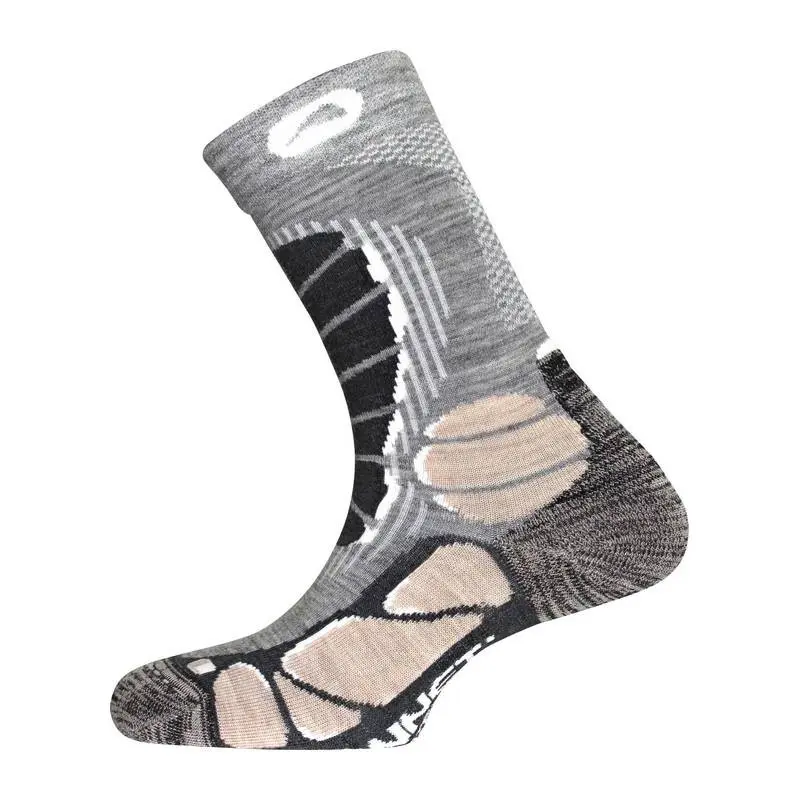
A small but important detail: trim your toenails. Overlong nails can create pressure inside the shoe.
2) During the hike: how can you prevent foot blisters?
How can you prevent rubbing inside your footwear? And, more specifically, protect your toes from friction?
Lace your footwear properly:
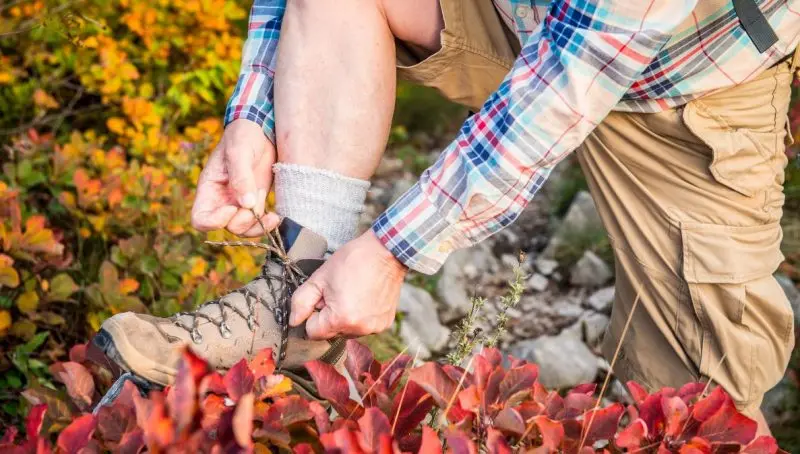
Your foot must be held perfectly securely inside the shoe. If you wear high-cut hiking boots, it is important to tighten the forefoot and upper separately:
- First tighten the forefoot and instep to prevent any rubbing at the toes. It may help to tap your heel on the ground first to ensure your foot is seated properly at the back of the boot.
- Then tighten the high upper to hold the heel in place. Your foot should not move or slide inside the boot.
Protect your skin:
- Creams and powders: wondering which cream to use for blisters? There are several, with different purposes. Skin-hardening creams are applied for several days before departure. For daily use, we like Meltonic anti-chafing cream; this organic cream made from natural ingredients is very pleasant. Talc-based powders (see Careplus powder) help dry the skin. Simple petroleum jelly can also reduce friction.
- As a preventive measure, apply elastic adhesive tape (possibly over a dressing) to an area you know is sensitive.
- Finally, air and dry your feet during breaks. Moisture softens the skin and makes it more vulnerable.
The biggest mistake: waiting!
You feel a hot spot on your foot but do not want to delay the group, or tell yourself you will check it at the next break or when you reach the bottom? This is the wrong response. As soon as you feel a hot spot developing, stop and check your feet.
Treat the blister if it has formed, but if it has not, do not wait: apply a dressing to the irritated area and cover it with elastic adhesive tape on clean, dry skin to stop friction immediately.
Or apply a blister plaster directly. Wondering when to apply a Compeed? As early as possible. You can leave it in place for several days if needed.
It is sensible to replace the dressing and tape the following morning, without waiting for hot spots to return.
Another precaution: if you have grit or sand inside your shoe, remove it promptly too. Any foreign object encourages poor foot positioning and friction.
At camp:
At the end of the day, dry your footwear. At a minimum, remove the insoles to dry. Wash and inspect your feet.
Avoid setting off again in wet socks. Carry a spare pair. I generally take 2 pairs of hiking socks and a lighter pair for the evening, so I always have a dry pair to start walking in.
3) During the hike: what should you do if you get a foot blister?
Too late: the blister has formed.
If you need to keep walking, you must stop friction and protect the wound:
- Puncture the blister with a disinfected needle if it is uncomfortable and has not already burst. But do not remove the skin, which continues to protect it. Disinfect it. At camp, some people pass a thread through to drain it. I have not tried this.
- It may be wise not to puncture the blister if it does not bother you when walking, so as not to increase pain or infection risk. Use your judgement.
- Clean, disinfect and dry if needed.
- Apply a second-skin blister plaster such as Compeed, or a standard dressing covered with elastic adhesive tape. This will stop friction and significantly reduce discomfort.
In the evening, check, clean, disinfect and allow the wound to dry.
For sleeping, a small dressing or even a sock may help ensure you do not rub the wound as you move during the night.
Conclusion:
Generally, preventing blisters requires paying attention to how your feet feel. A stable, securely held foot is less prone to blisters.
To avoid problems during your hike, the best advice remains to stop immediately at the first hot spot and address it before a blister forms.
On the trail, remember to adjust your lacing, particularly before a descent.
When hot spots begin, or when treating a blister, I find a standard dressing covered with elastic adhesive tape very effective. This remains thin and offers good protection.
For people prone to blisters, planning ahead is the best solution, and creams, powders and second-skin blister plasters are very effective.
Finally, using trekking poles, particularly downhill, stabilises the foot and reduces slipping and friction.