Is there a beautiful island with wild landscapes and coastline where you can hike at any time of year? Preferably affordable and without needing too much time off? Yes: Madeira is one of those little hiking paradises, easily reached from France, with a pleasant climate all year round.
Pack your backpack: Rayonrando shares useful information for discovering Madeira, the island of flowers.
Good reasons to hike in Madeira
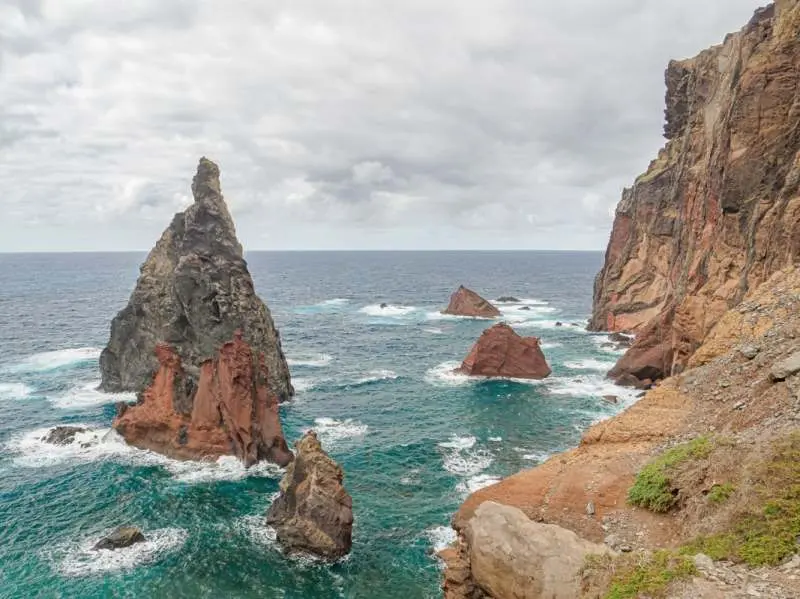
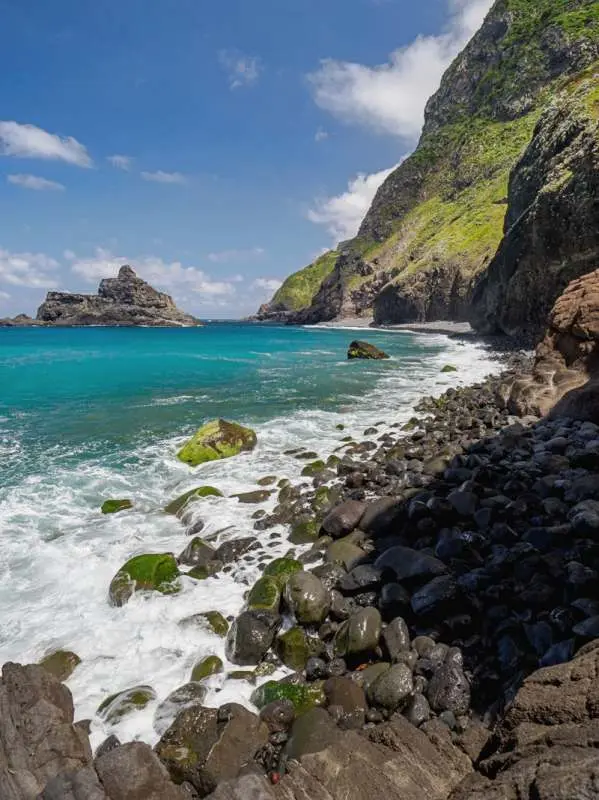
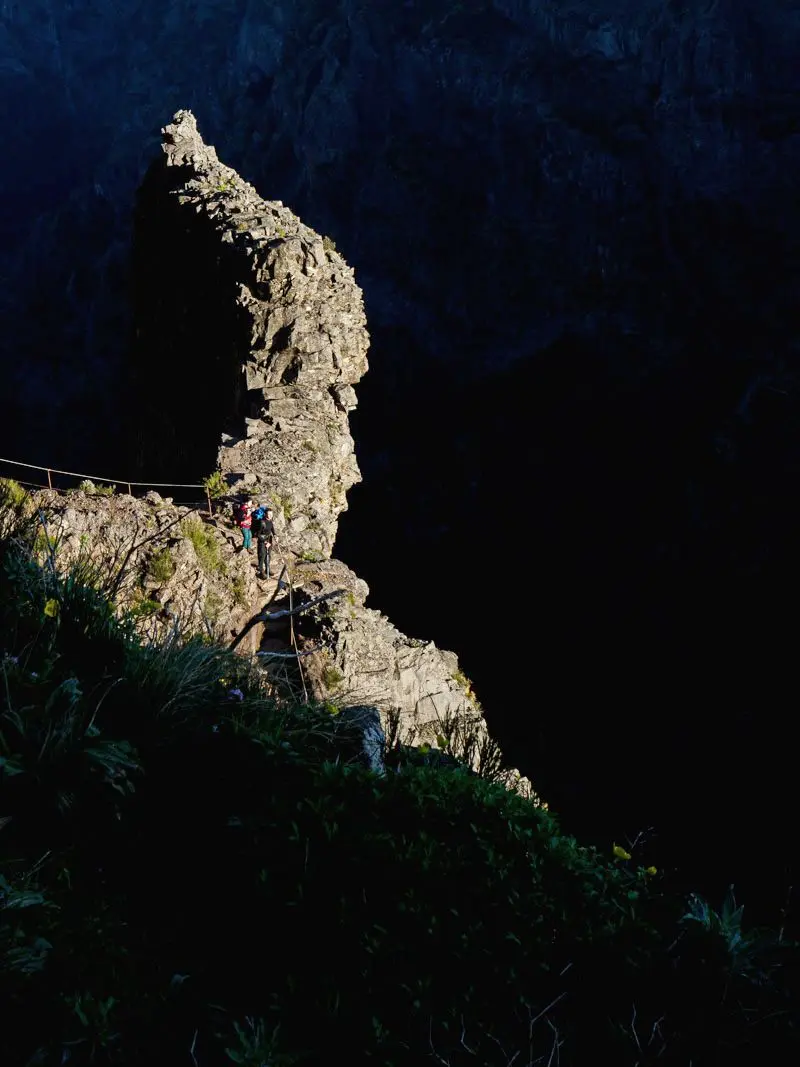
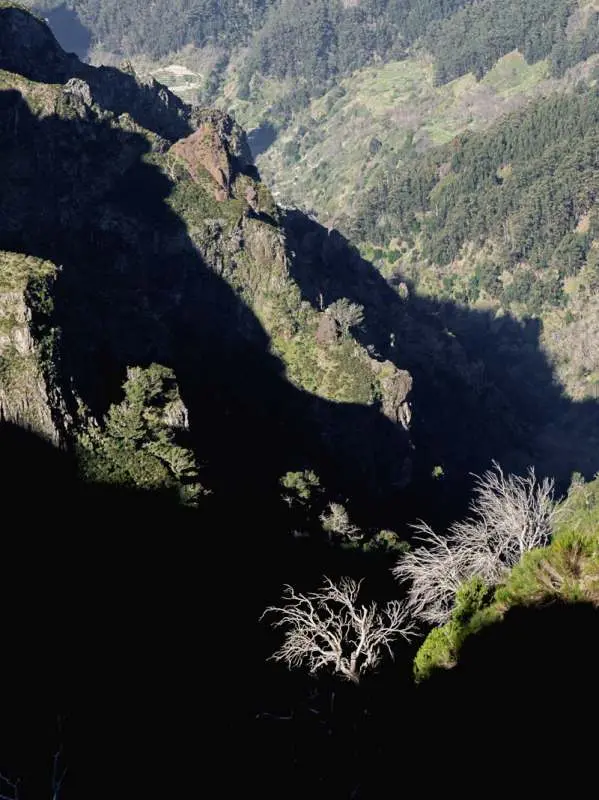
- It is truly magnificent! Within a relatively small area, around 56 km x 20 km, the island offers a great variety of landscapes, often spectacular. Rugged peaks, vertiginous trails through mountains or above the sea, cliffs and vertical walls, volcanic rocks in many colours, from dark shades to red, ochre and yellow, ancient forest and abundant flowers in spring and summer…
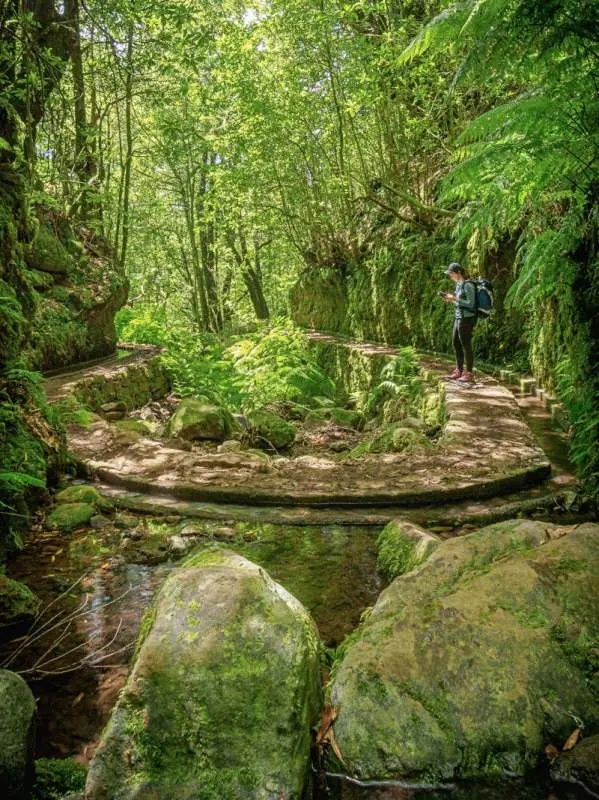
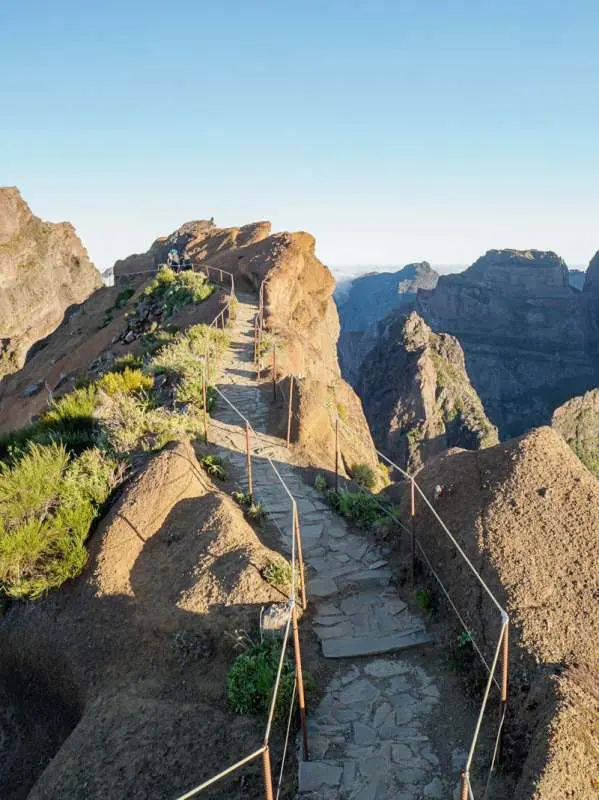
- The island is well equipped for hiking. Most trails follow levadas, irrigation channels cut into the mountains, sometimes along cliff faces. Main paths are well maintained, often protected by handrails on exposed sections, of which there are many, and frequently paved, with even surfaces and steps on some climbs.
- The climate allows hiking almost all year round.
- People are welcoming. Many restaurateurs and hoteliers speak French.
- It is a fairly affordable destination, for both flights and local living costs.
- And the food is good too: fish, including delicious swordfish, and Portuguese wines…
Our photo gallery should convince you…
Some hiking information:
A good map is available: Kompass at 1/50000, showing maintained hiking trails.
When to go?
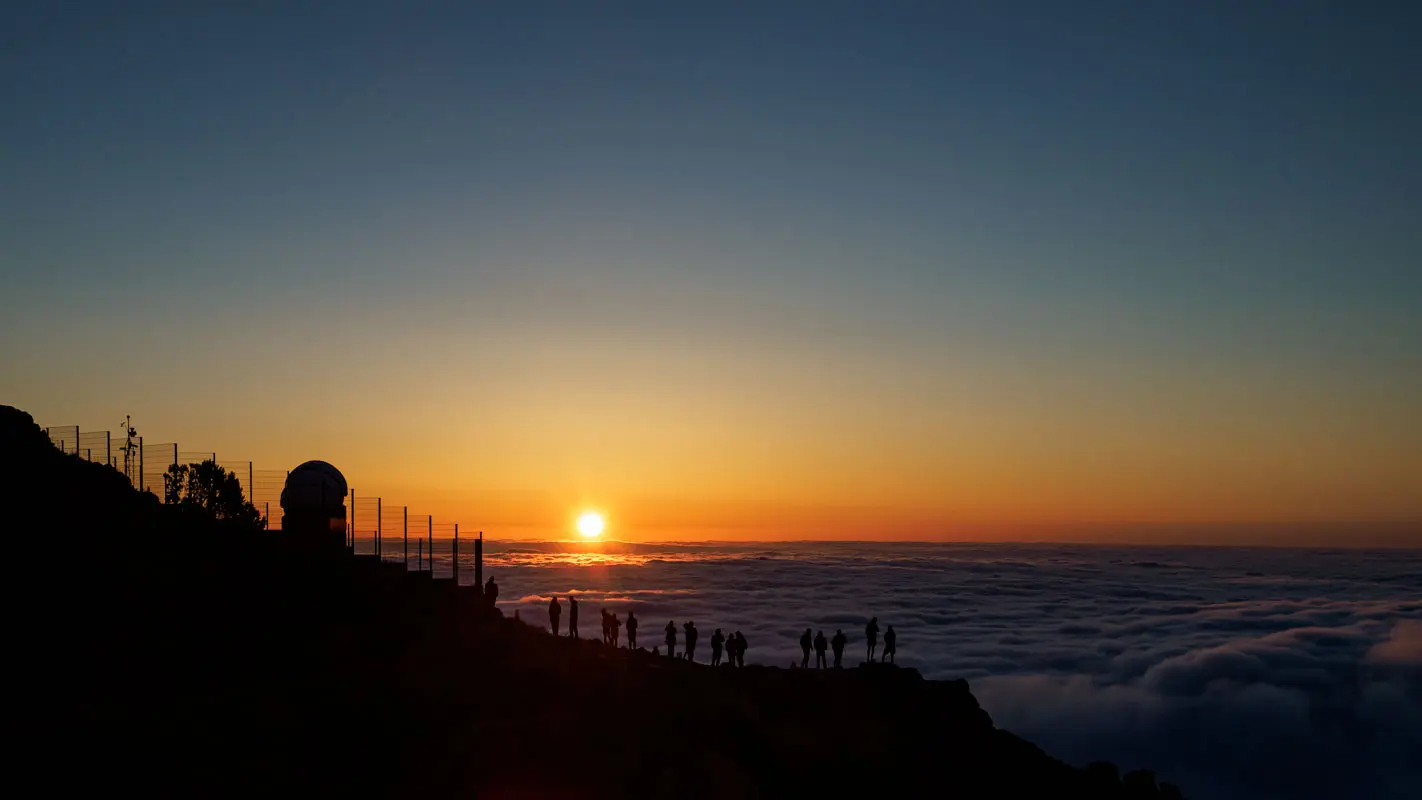
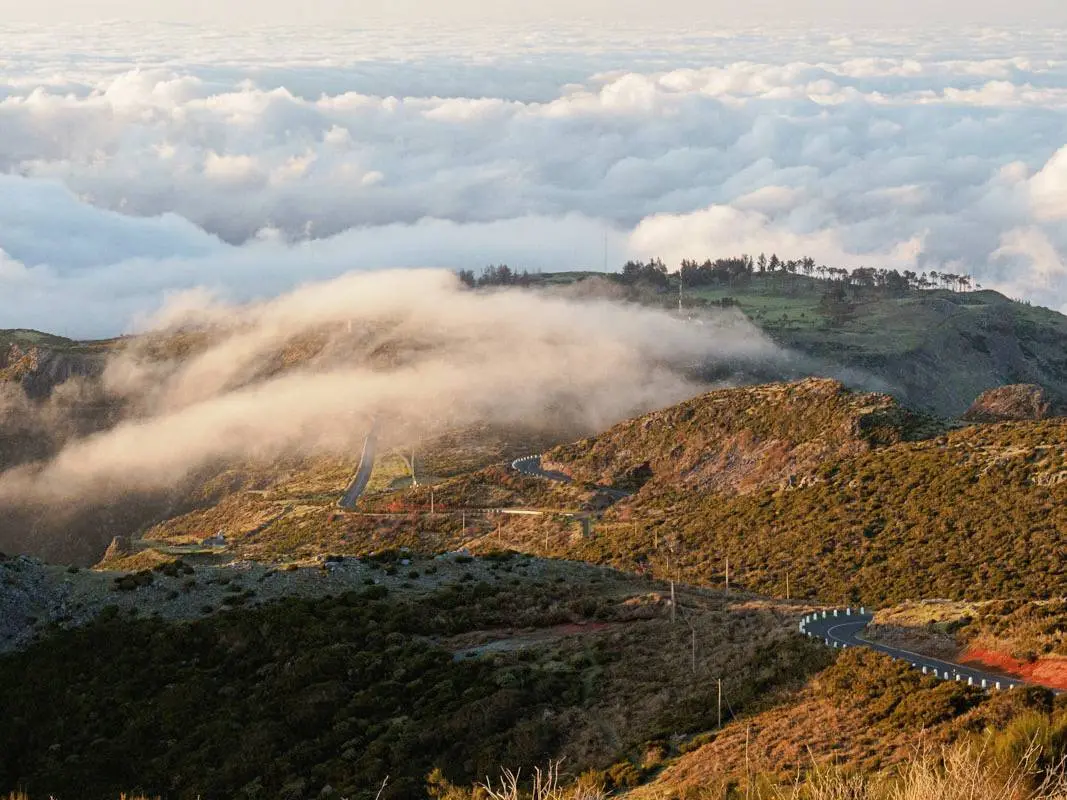
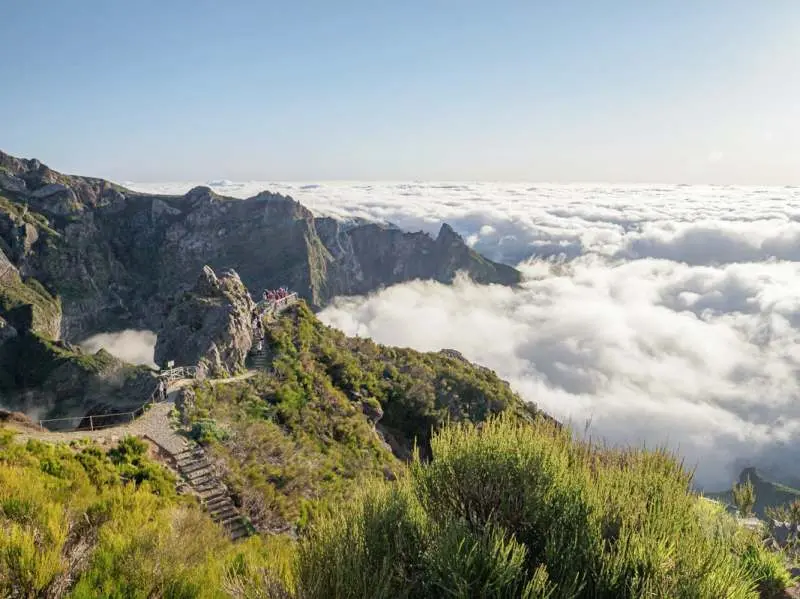
The particularly mild climate allows hiking almost all year. In spring and summer, the island must be covered in flowers, but tourists too! However, given the hotel distribution, tourism probably concentrates around Funchal. In October, there were few flowers, but it was very quiet… The weather remained pleasant: 25 °C by day, 21 °C in the evening by the sea, and 10-11 °C at 1,800 m. Sunshine alternated with cloud, but looking down from summits onto clouds clinging to the mountains has undeniable charm!
Getting around:
- For day hikes, hiring a car is the simplest, most economical option. Hire in Funchal rather than at the airport: we found a small car for €30 per day in Funchal, compared with up to €70 at the airport.
- There is a bus network, but services outside Funchal are infrequent and do not necessarily serve trailheads.
- There are plenty of taxis. They can be a good alternative for occasional journeys or reaching a trailhead for a multi-day hike.
Accommodation:
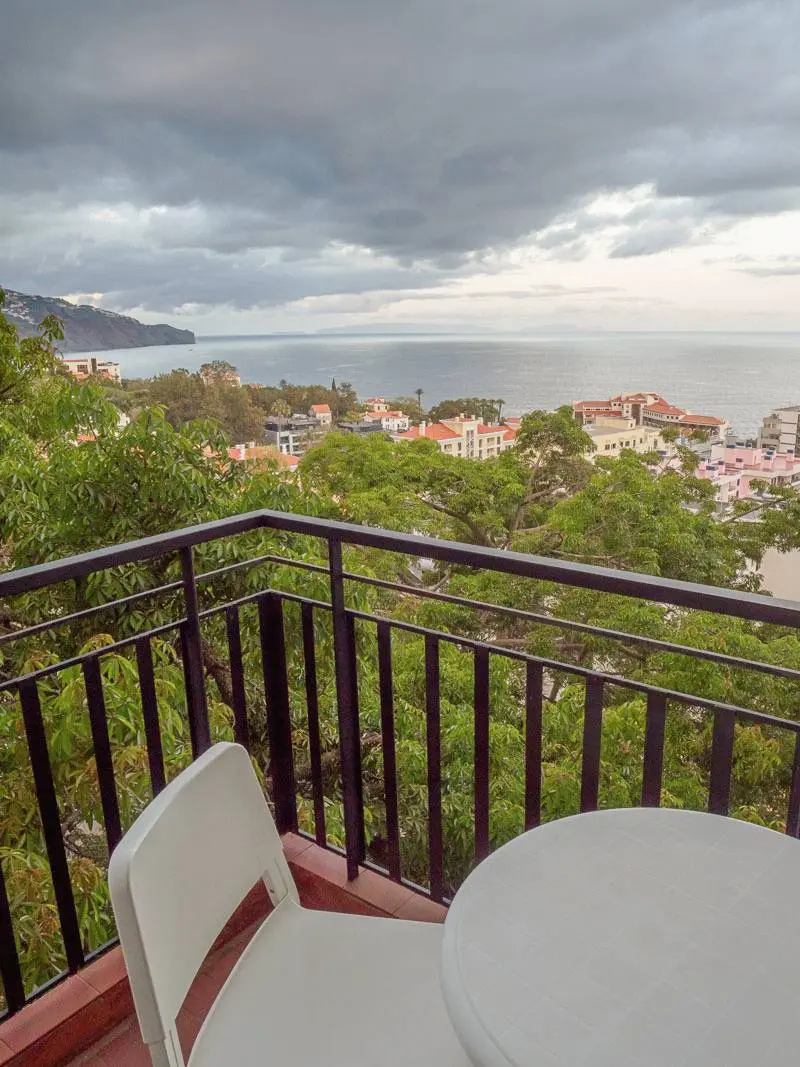
- Most hotels are near Funchal, but you can also find some in coastal villages around the island. Outside Funchal, there is often only one hotel in each town. In October, without ever booking, we found accommodation for €35 to €45 per night for 2, with a double room and breakfast, in 3-star hotels.
- For wild camping, the tourist office and guidebooks say you need prior permission from the forestry service in Funchal. However, when we asked that service, we were told no permission was needed — perhaps it is required in summer? Wild camping is allowed in the uplands, around the main peaks and on the Paul da Serra plateau; you simply need to make yourself known to any ranger you encounter. The hardest part is finding flat ground large enough to pitch a tent…
- We did not see any guesthouses.
What type of hiking?
- The island is ideal for day hikes. However, a multi-day route can also cross the island via its peaks.
- Difficulty: levada paths have gentle gradients and are therefore easy. Some sections require a head for heights, although reassuring handrails are provided. Away from levadas, climbs can be very steep, but never for very long: the island reaches 1,861 m. You sometimes need a head torch where levadas pass through mountain tunnels.
2 unmissable hikes:
- The vertiginous path linking the 2 main peaks, Pico Ruivo and Pico Areiro. Exposed paths and surprising geology: rock veins and ruined ‘ramparts’…
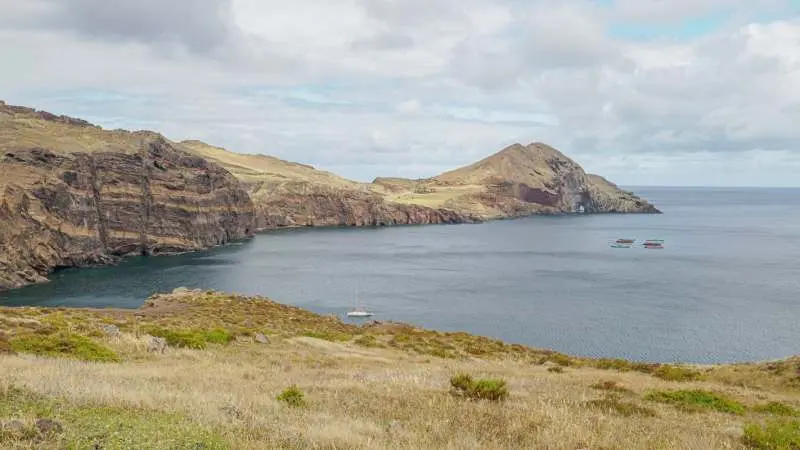
- Ponta de Sao Lourenço at the island's eastern tip. A tongue of cliffs amid the ocean. A festival of colours: blue sea and white foam mingled with red, yellow, black and ochre rock.
And the sea?
There are no sandy beaches on Madeira. You will find them on neighbouring Porto Santo, a 2h30 boat journey away, perhaps for relaxation at the end of your trip. However, Madeira has lovely seawater pools on the north coast. Some charge admission, others are freely accessible.