





Why go there?
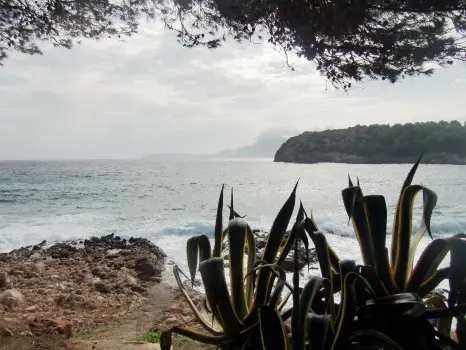
Does Mallorca bring to mind only sunshine, beaches and built-up coastlines? That would be a very limited picture. Mountains overlooking the sea, turquoise coves, beautiful towns and villages, works by 20th-century and contemporary artists: there is plenty to do!
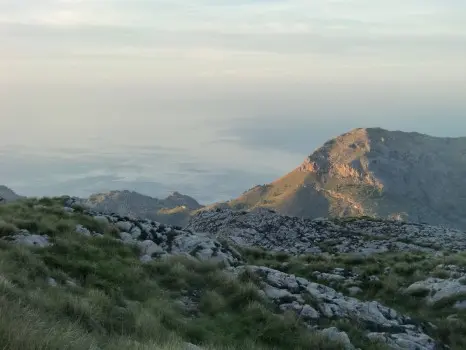
It is also a lovely hiking destination in autumn and spring. The beautiful Serra Tramuntana range rises to only 1,400 m, but starting at sea level still makes for substantial climbs.
The island suits a mixed holiday: half hiking, half sightseeing and wandering. You can largely avoid the overcrowded, built-up coastlines. We divided our time between hiking in the Sierra Tramuntana, visiting Palma and exploring the north.
The food is good too: fish, seafood, tapas, plenty of choice. Mallorcan wine is rather powerful, but tastes differ…
Which hikes in Mallorca?
The main hiking area is the Serra Tramuntana, occupying the entire western side of the island. The GR 221 crosses it.
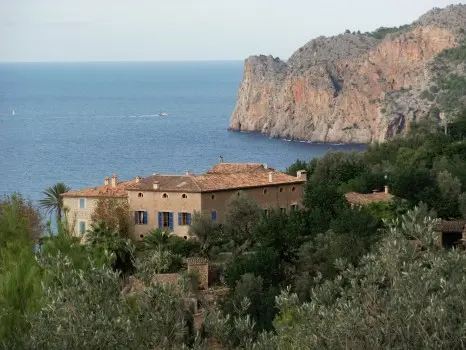
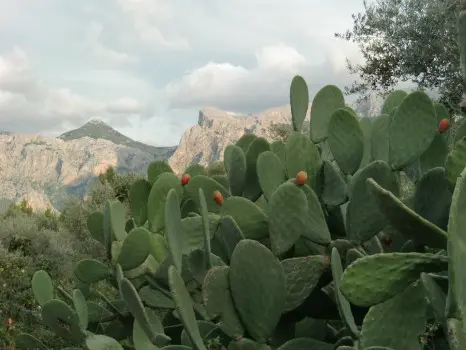
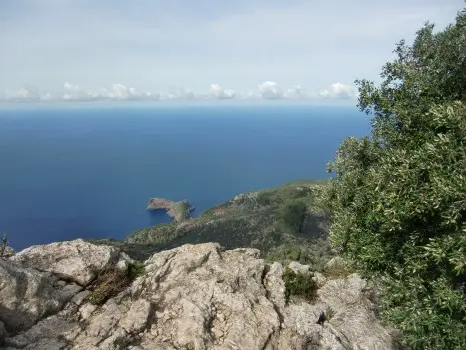
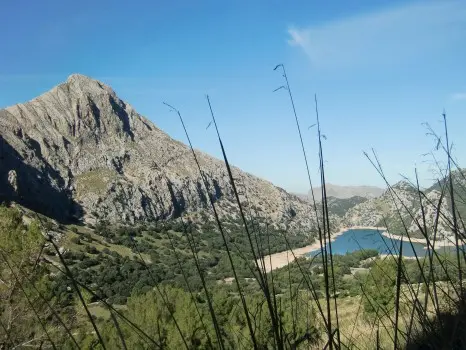
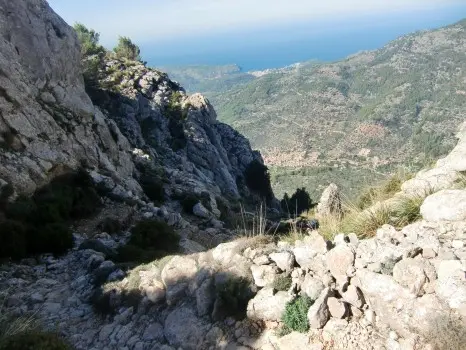
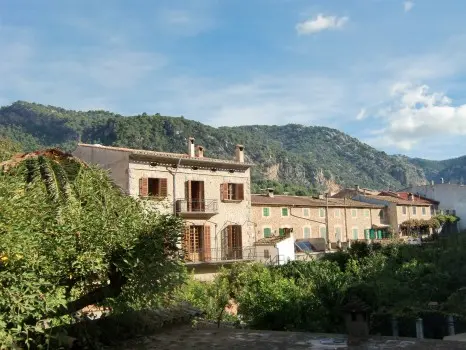
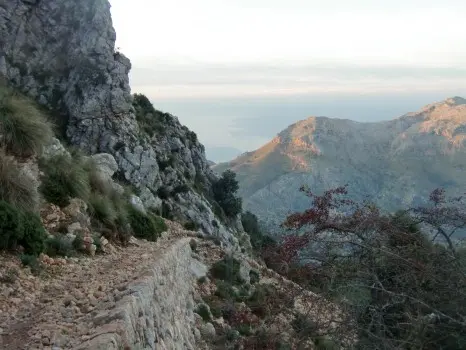
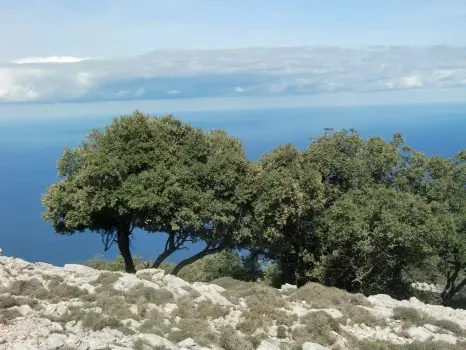
- We walked around 2/3 of the GR221 from Valdémossa to Pollença in 3 long days. I recommend the first 2: day 1 from Valdémossa through Deia to Soller, and day 2 from Soller through Fornaltux and Lac de Cuber to Lluc Monastery. Discover beautiful villages, dry-stone terraces, olive groves, orange and lemon orchards, and arid summits with superb coastal views.
- I do not recommend the last day from Lluc Monastery to Pollença: a long forest walk, pleasant but without views, followed by 8 km of flat walking, sometimes on unpleasant tarmac.
- It is also worth spending 2 days hiking around Soller, the ideal starting point for the finest scenery.
- From Valdémossa, you can do a day loop using part of our Valdémossa-Déia route.
- Around Pollença: a few out-and-back hikes to the coast or nearby low summits.
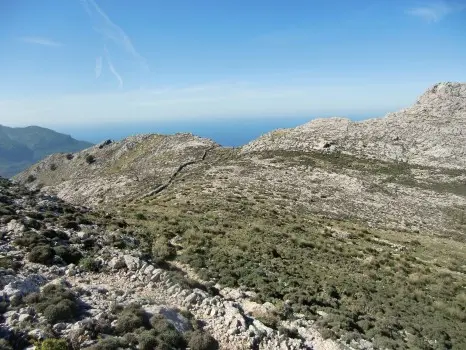
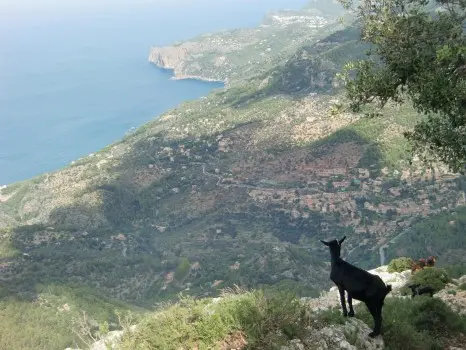
Some hiking information:
Maps and trails:
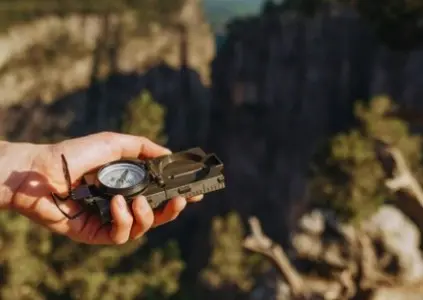
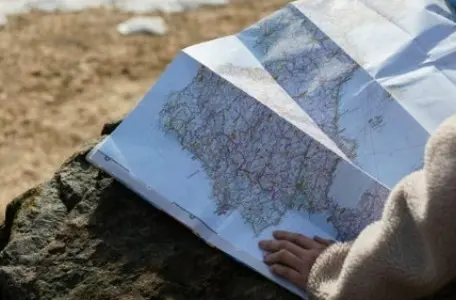
The GR221 is sometimes perfectly marked with wooden posts and signs, but elsewhere only a few cairns indicate the path. A cairn does not necessarily mean you are on the right route… A good map and compass are therefore necessary for long hikes.
When to go:
Not summer! The heat must be hard to bear. Spring and autumn are best. In October, daytime temperatures were between 20 and 30 °C.
Getting around:
- To tour the island and take short walks, hiring a car is probably best.
- If you focus on the west and want to hike point to point as we did, buses are simplest. Services are not always frequent, but getting around is straightforward and inexpensive.
Where to stay:
- We decided against camping. Firstly, there is no water outside villages! Secondly, at the end of the day you often find yourself near a village or on private land. There is only one official camping area near Lluc Monastery.
- There are 5 mountain huts on the island. We passed 2 in October that appeared closed.
- That leaves hotels, not necessarily cheap. Off-season bargains may exist in coastal complexes, which you will avoid if seeking nature. The most affordable places we found were Hotel Nadal in Soller, a small family hotel, and Lluc Monastery.
What to see after hiking:
Palma de Mallorca:
The island's capital and arrival point. A city well worth visiting. The old quarter is particularly pleasant to wander through, with plenty of sights. You can easily spend 2 days here.
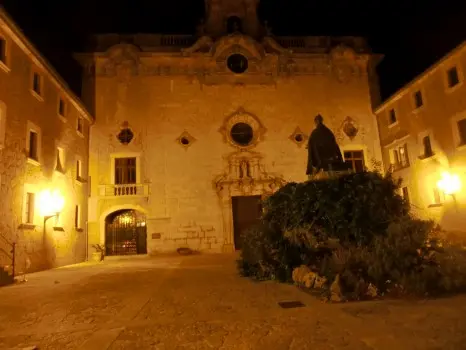
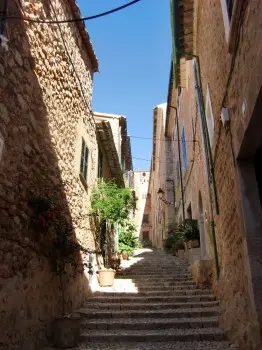
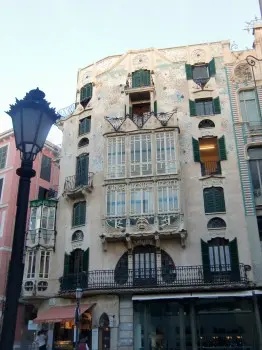
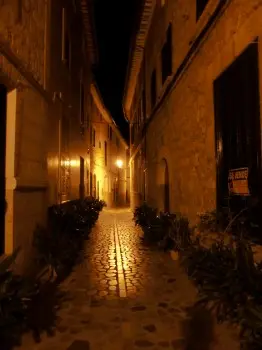
Narrow streets restrict or prevent traffic, making the old town particularly peaceful. At night it becomes even more charming under soft yellow lighting that seems standard in the island's old towns. Numerous little squares to linger in, fine façades, monuments and museums make it a very pleasant place to stay.
Palma Cathedral:
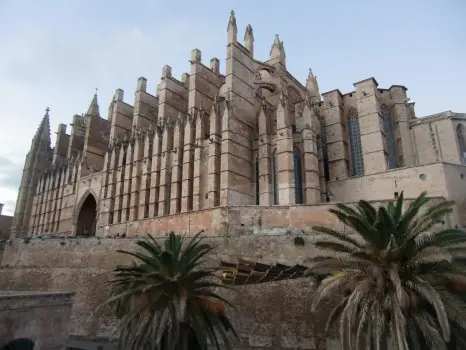
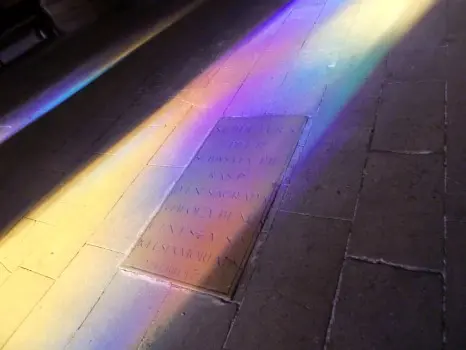
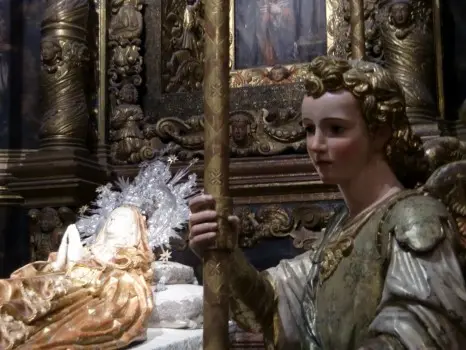
This is THE monument to visit in Mallorca! Imposing and majestic outside, with striking buttresses, it is simply magnificent inside. Visit in the morning, when sunlight through the large rose windows casts patches of colour everywhere. The pillars are particularly slender and soaring. The chapels vary greatly, some superb.
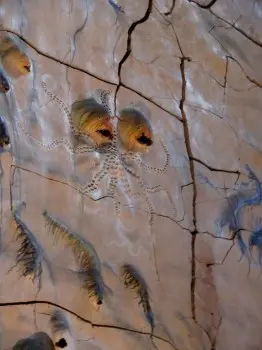
Palma Cathedral also successfully combines old and modern, with Gaudi's choir and the Chapel of the Blessed Sacrament, transformed in 2007 by Mallorcan artist Miquel Barcelo: striking and unusual, with sea creatures emerging from the walls.
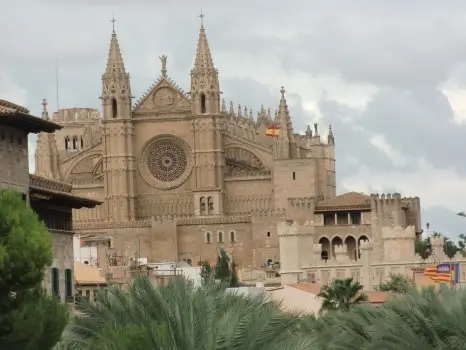
There are many museums and monuments to visit. Beware: opening hours can be very limited. We visited and enjoyed:
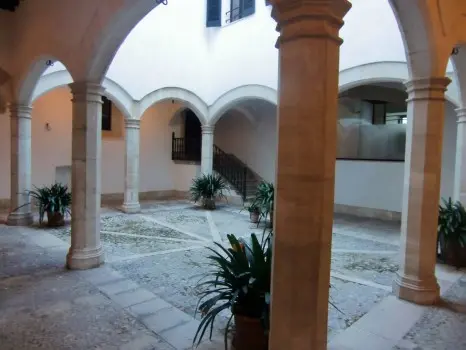
- March Palace, worth visiting for both architecture and art: its superb courtyard ‘furnished’ with sculptures, staircase and modern obelisk, Dali drawings and old maps…
- The Juan March Foundation museum, attractively displaying a few dozen contemporary works, including fine pieces by Miquel Barcelo.
- La Lonja, impressive for its slender columns, which during our visit housed a portrait exhibition on the building's floor (!) and a sculpture trying to swallow a light bulb…
- We did not see the modern art museum, reportedly worth visiting.
Northern Mallorca:
Pollença: the island's finest town alongside Palma! An ideal base, with an extensive old town almost free of traffic thanks to narrow streets. A delight to wander and sit at café terraces! Climb the 365 Calvary steps: good exercise first, then a fine perspective down the stairway and panoramic views over town and surroundings, including Cap de Formentor. Visit the main church and its surprising painted vault too. Several out-and-back hikes start from town.
Around Pollença:
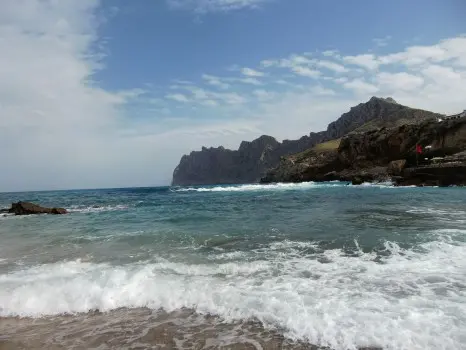
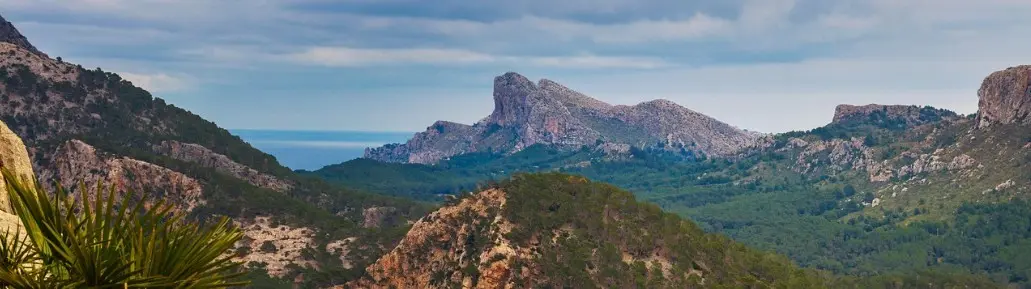
- Cap de Formentor: a long rocky tongue extending into the sea. Not easy to access by bus: we only reached halfway, but enjoyed fine views of cliffs and ocean. Also a chance to find little-developed coves for a swim in turquoise water.
Cala Sant Vicenz:
- Do not trust Lonely Planet: these are not the island's finest coves unless you completely ignore the tourist blocks all around. But looking out to sea, the turquoise-blue shades and imposing Punta de la Troneta cliffs are undeniably lovely. You can swim if the swell behaves.
Alcudia:
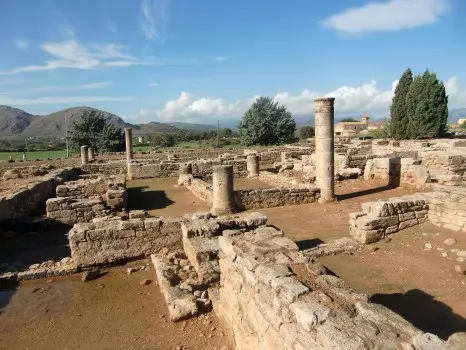
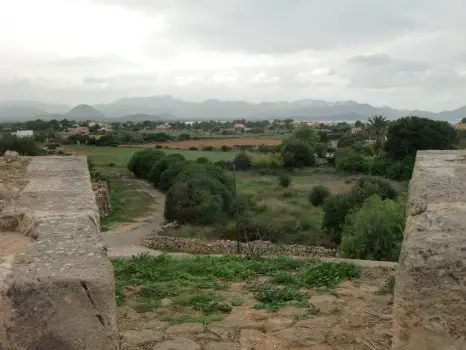
- Known for its medieval walls and Roman ruins, this town is worth seeing. It has less charm than Pollença, however: a pleasant stop, but for a longer stay I recommend Pollença. Walk the ramparts for views across rooftops and surroundings. Visit the church with its side chapel and unusual openwork east end, behind which runs the ambulatory. The Roman remains also deserve a visit, followed by the small museum in the old town on the same ticket, with reconstruction models, objects and sculptures found during excavations.
Port de Pollença:
- A built-up coast you can skip unless changing buses. You can swim here, but it is not the best spot.
FAQ
Where are Mallorca's finest hikes?
The UNESCO-listed Serra de Tramuntana is Mallorca's best hiking area. It includes the famous GR221, Ruta de Pedra en Sec, crossing the island's finest scenery between Valldemossa, Deià, Sóller, Lluc Monastery and Pollença. Discover mountains above the Mediterranean, terraced olive groves, characterful villages and many views over Mallorca's coves.
When is the best time to hike in Mallorca?
The best periods for hiking in Mallorca are March to June and September to November. Temperatures are pleasant, trails remain manageable all day and crowds are smaller than in summer. Avoid July and August for long hikes: heat becomes intense and mountain routes have few water sources.
Is the GR221 difficult?
Mallorca's GR221 is accessible to most physically fit hikers. Trails are generally clear, but some stages exceed 20 km with over 1,000 metres of elevation gain. Some sections are less well marked, making a map, GPS app or GPX track essential to avoid getting lost.
Can you hike in Mallorca without a car?
Yes. Exploring Mallorca on foot without hiring a car is perfectly possible. Bus routes link Palma with the main Serra de Tramuntana villages, such as Valldemossa, Sóller, Lluc and Pollença. Ideal for walking several GR221 stages or day hiking on a limited budget.
What equipment should you bring for hiking in Mallorca?
For successful hiking in the Serra de Tramuntana, bring suitable hiking footwear, sun protection, a hat, enough water, a map or GPS and a lightweight windproof jacket. Although summits reach only 1,400 metres, terrain is often steep and sun exposure can make routes demanding.
How many days do you need to visit Mallorca and hike?
A week is an excellent length of time to discover Mallorca's main sights. Spend several days hiking in the Serra de Tramuntana, visit Palma, explore Pollença and Cap de Formentor, and enjoy some coves. For the entire GR221, allow 8 to 10 days instead.
Is Mallorca a good hiking holiday destination?
Yes, Mallorca is one of the Mediterranean's best hiking destinations. Pleasant spring and autumn weather, varied scenery, the quality of the GR221 and rich heritage make it ideal for combining hikes, cultural visits and swimming. It suits sporty hikers and travellers seeking nature and discovery alike.