190 T polyester, 20 D nylon, PU coating, silicone, DAC poles, 3,000 mm waterproof rating… Does a tent's materials list leave you puzzled? This information can help you understand differences between 2 tents and make your choice.
Tent materials affect several key aspects: strength, protection from wind, rain and abrasion, weight and of course price.
In this article, Rayonrando helps you understand the materials and their role in different tent components:
- Roof and floor fabrics.
- Inner tent fabrics.
- Seams.
- Poles.
- Pegs.
- Zips.

Flysheet and floor fabrics

Flysheet and floor fabrics both need to resist water. Floor fabrics are almost always more waterproof and thicker, as they must also withstand abrasion, pressure points and prolonged water exposure.
Tent fabrics influence weight, strength and waterproofness. Two main types are used:

  • Nylon (polyamide): light, flexible, tear- and abrasion-resistant, but tends to stretch when damp. Premium lightweight and ultralight tents favour nylon, often treated against UV and moisture.
  • Polyester: heavier but cheaper than nylon. It is also more stable, less stretchy and less prone to water absorption. Commonly used for flysheets and groundsheets.

Nylon vs polyester comparison

CriterionNylonPolyester
WeightLighterHeavier
ToughnessExcellent tensile and tear strength, but may stretch when dampLess stretchy, but more stable and moisture-resistant
Sensitivity to water
Absorbs a little water but usually has a hydrophobic treatment.Does not stretch; holds its shape better in rain
UV resistanceUV-sensitive; requires specific treatmentBetter natural UV resistance
PriceMore expensive, especially with silicone coatingCheaper; accessible for mainstream tents

Understanding tent fabric specifications:

Denier rating (D)
Denier (D) indicates the thickness and strength of the yarn used in weaving. The higher the number, the thicker and tougher the fabric:
Take care comparing nylon and polyester

You can compare 2 nylons or 2 polyesters, but not nylon with polyester, as nylon yarns are finer and stronger.

20D: a very lightweight fabric used for ultralight tents. Such low ratings normally indicate nylon, as polyester yarns must be thicker for strength.

50 or 70 D: thicker fabric, either polyester or stronger nylon, used for three- or four-season tents needing greater toughness.
Thread count (T)
T (190T, 210T, etc.) indicates the number of threads per square inch. A 190T fabric is lighter than 210T, but a higher count generally means a tighter, stronger weave. You are more likely to find 190T on the flysheet and 210 T on the floor. Again, compare values only between 2 polyesters or 2 nylons.

Weaving techniques:
Manufacturers improve fabric strength with:

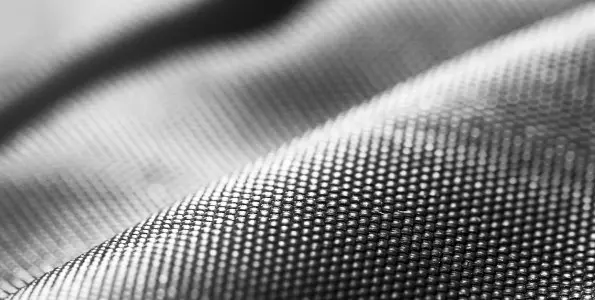
  • Ripstop weave: generally ripstop nylon. Recognisable by its grid appearance: a thicker yarn forms a lattice that increases tear resistance.
  • Taffeta weave: smooth and durable, it dries quickly.

What do tent waterproof ratings in Schmerber mean?

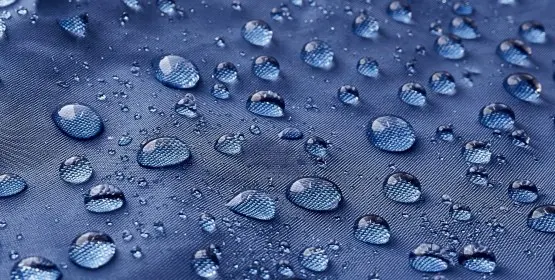
Fabric waterproofness is measured in Schmerber, the height of a water column in millimetres before water penetrates the fabric. Some reference points:

  • 1,200 mm: the lowest rating available, used for ultralight tents.
  • 3,000 mm: good waterproofness, suitable for three-season tents and often found on lightweight, rather than ultralight, tents.
  • 5,000 mm and 10,000 or more: advanced protection; ratings reach 10,000 mm for tough groundsheets and 5 to 6,000 mm for 4-season flysheets.

A low flysheet waterproof rating is not necessarily problematic, as rain runs off rather than accumulating.

Coating processes for waterproofing tent fabrics

Manufacturers improve polyester and nylon waterproofness through several processes:

  • PU (polyurethane) coating: the most common and economical fabric-waterproofing process.
  • TPU (thermoplastic polyurethane) coating: greater flexibility, wear resistance and durability than conventional PU, while retaining good waterproofness.
  • Silicone coating: more resistant to UV and tearing, often applied to both sides of premium fabrics. Sometimes PU coats one side and silicone the other.

Inner tent fabrics

The inner tent can use two fabric types:

  • Solid fabric (Nylon Ripstop, Polyester Taffeta): protects against wind and moisture.
  • Mesh (No-See-Um nylon or polyester netting): encourages ventilation and keeps insects out.

4-season tents generally have solid-fabric inners, while ultralight and 3-season models favour mesh to reduce weight and improve ventilation.
Some combine solid fabric below with mesh above: less breathable, but the solid fabric shields a person lying down from wind.

Seams

Seams are critical for waterproofness. Two techniques prevent water ingress:

  • Silicone-sealed seams: used on nylon fabrics for increased waterproofness.
  • Heat-sealed tape: applied to polyester fabrics to waterproof seams.
    Some manufacturers also treat stitching yarns with water repellent to limit absorption.
    A tip: if water seeps through nylon fabric seams, you can reapply silicone using this tube of liquid Silicone Seam Sealer.

Poles

Poles form the tent's structure. Different materials are used:

  • Fibreglass: economical but fragile and heavy, used only on entry-level models.
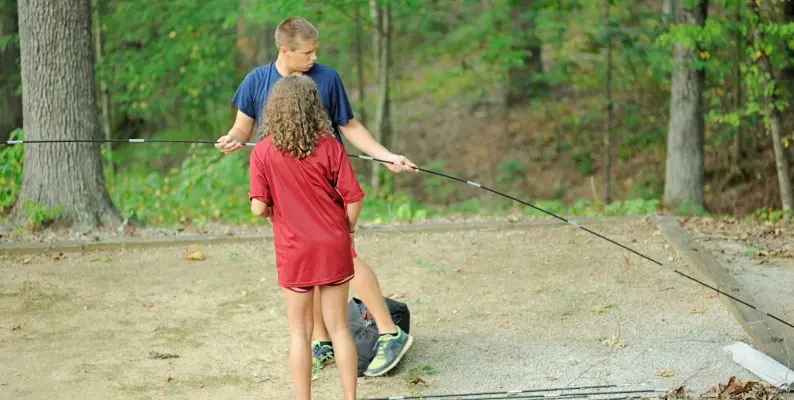
  • Aluminium (6000 and 7000 series): light and robust, the most widespread material for hiking tent poles. DAC aluminium poles are known for strength and anti-corrosion treatment, but cost more and are reserved for premium tents. The larger the pole diameter, the stronger it is. The most common hiking tent diameter is 8 mm.
  • Carbon: extremely light and strong, but expensive and rarely used.
  • Composite fibres (Easton Syclone): ultra-flexible and strong, returning to their original shape after deformation. Currently rarely used.

 Pegs

Pegs secure the tent to the ground and must suit the terrain. Materials include:

  • Aluminium: light and strong, most commonly used for lightweight tents.
  • Stainless steel: robust but heavy, reserved for family camping tents.
  • Titanium: ultralight and durable but expensive, so rarely used. However, titanium pegs can be bought separately to replace aluminium ones. Find them on rayonrando, such as these: Titanium tent peg
  • ABS plastic: inexpensive and suitable for soft ground, used only on budget camping tents.
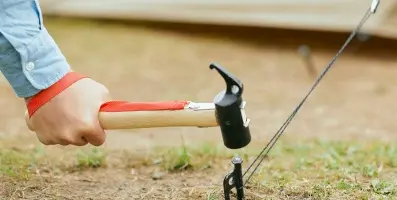
    Pegs come in V, Y, pin and hooked shapes, each suited to particular ground. For lightweight aluminium pegs, Y shapes are stronger.
    A tip: generally, do not hammer aluminium pegs in, as they may bend or break. Press firmly instead, using a stone or cap to protect your hand.

Zips

Zips must be robust and weather-resistant. Most tents use YKK zips, known for reliability. Sand remains their main enemy, potentially jamming them.
A tip: zips are a tent's weak point. Do not force them, or the slider jaws eventually spread and fail. If closing feels difficult, reposition pegs to reduce fabric tension rather than forcing it. If a zip fails, squeezing the slider jaws together can provide a temporary repair.

Conclusion:

Your tent's materials affect its toughness, protection and lightness.
Generally, the lightest materials are the most expensive and more fragile than simpler, tougher materials. Find the right compromise.
Finally, several precautions can extend your tent's life:

  • Avoid prolonged UV exposure, which damages the fabric.
  • On abrasive ground, protect the groundsheet with an emergency blanket underneath.
  • Follow our advice on using pegs and zips.

Product comparison
Compare
Rayon Rando advice