
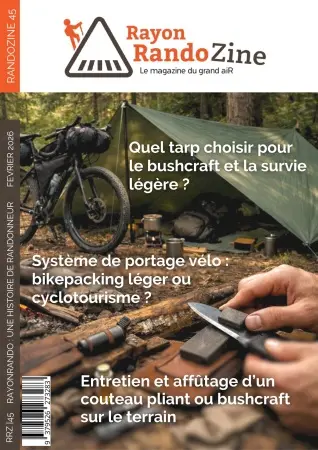
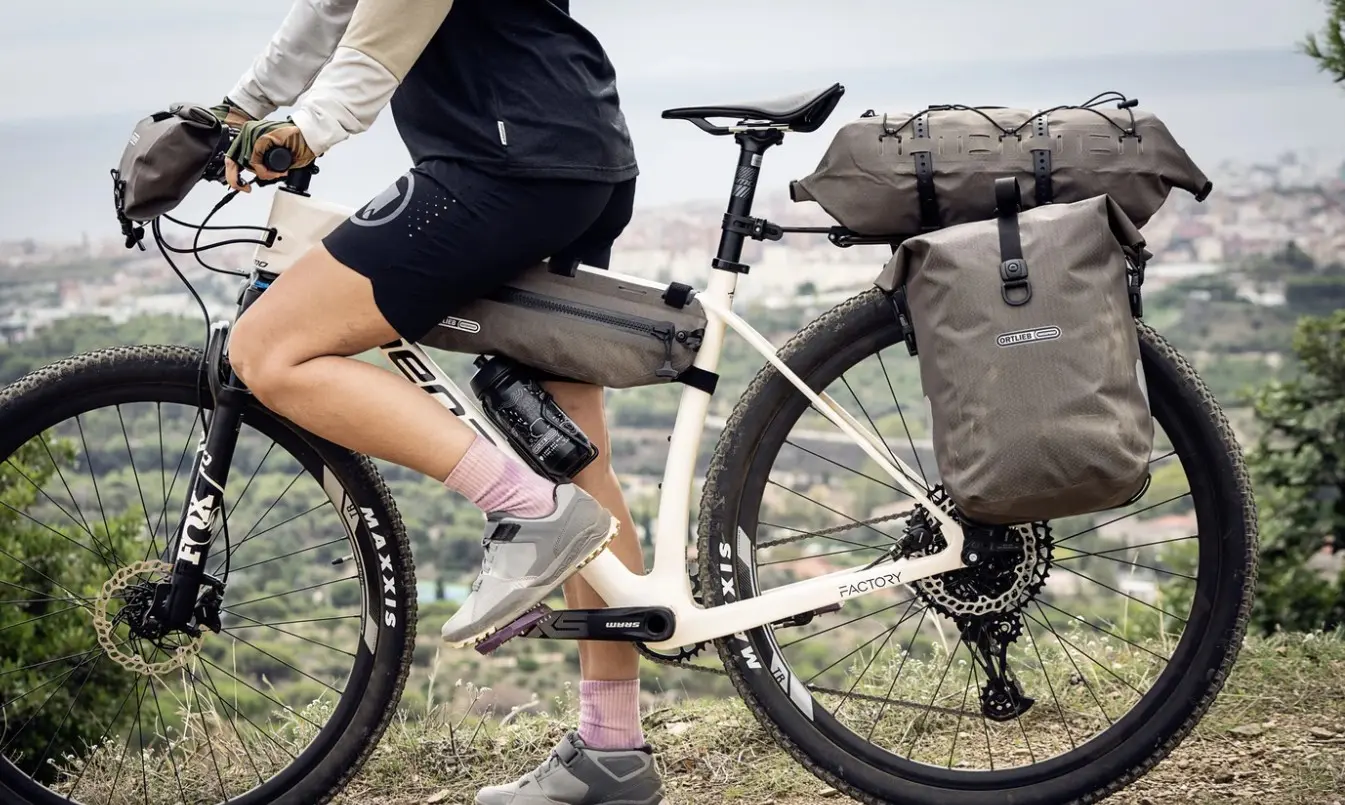
Bike luggage systems: lightweight bikepacking or cycle touring?

Choosing the right luggage system for your bike greatly influences comfort, self-sufficiency and enjoyment during your trip. The contrast between minimalist bikepacking and traditional cycle touring mainly concerns capacity, weight, mounting system, stability and handling.

And of course, fatigue! Their common ground? Carrying equipment efficiently without reducing the pleasure of riding.

This guide helps you choose according to your activities, terrain and trip length. The choice differs greatly between the Vélodyssée and Grande Traversée du Massif Central.

For each luggage option, we present the optimal capacity, recommended volumes and practical options to simplify packing. Whether spending a weekend on technical paths or two weeks on roads, you will know what lightweight equipment to take.

Bikepacking or cycle touring: how do luggage systems differ?

The main difference lies in the travel philosophy and luggage system. Bikepacking prioritises low weight and manoeuvrability over difficult terrain, such as tracks and rough ground, while cycle touring emphasises carrying capacity, comfort and self-sufficiency over long distances, usually on tarmac or firm surfaces.

Bikepacking therefore favours freedom over comfort, while cycle touring prioritises lasting comfort.
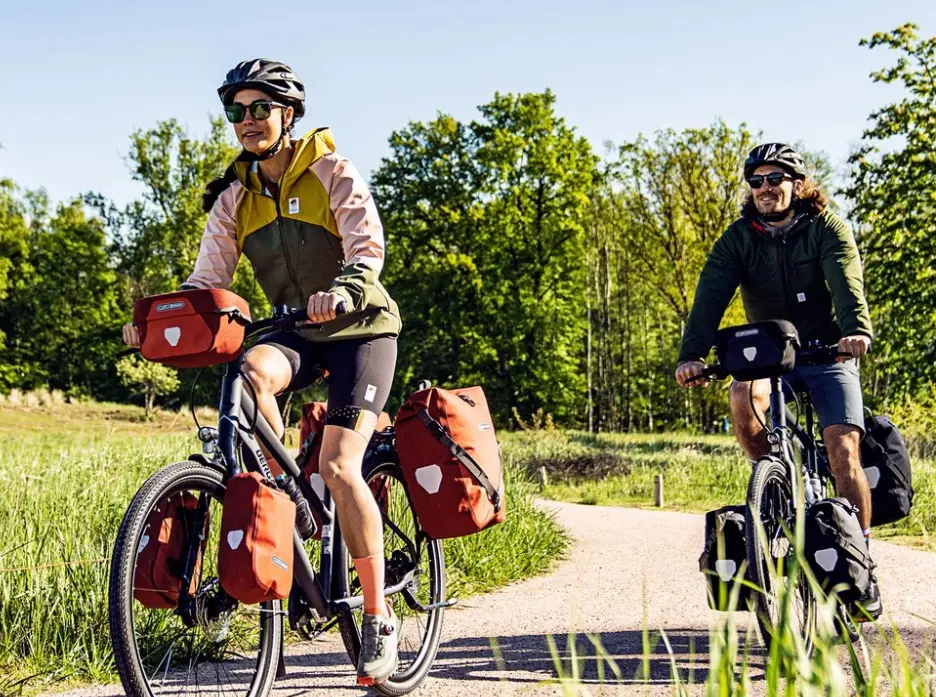
Benefits of minimalist bikepacking bags

Bikepacking bags attach directly to the frame, handlebars or beneath the saddle without needing a rack. This lowers the centre of gravity and preserves excellent handling even on narrow or steep trails. Discover how to choose the ideal luggage system for your route and actual needs.

[Read more...]

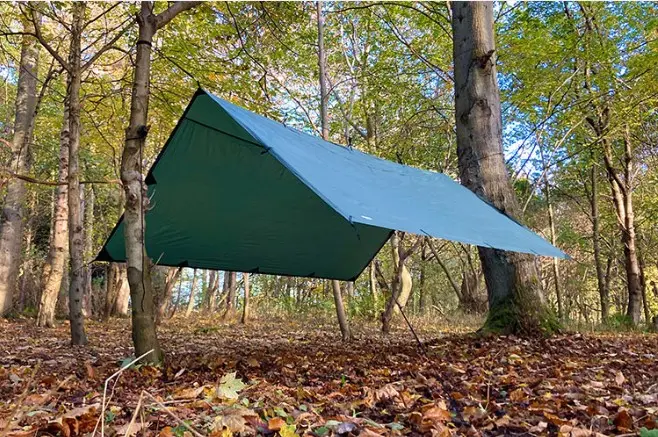
Which tarp for bushcraft and survival?

In bushcraft and survival, a tarp is much more than shelter. It is a versatile, light, reliable tool that can adapt to almost any situation when chosen and used correctly. Unlike a tent, it does not dictate a fixed use: you choose the pitch, orientation and protection level.

But this freedom has a downside: a poorly chosen tarp can quickly become uncomfortable or problematic, especially in deteriorating weather. Unsuitable dimensions, fragile fabric, insufficient attachment points: common beginner mistakes.

In this article, we explain how to choose a tarp truly suited to bushcraft and survival, according to your level and activities.

Why use a tarp for bushcraft and survival?

Tarps appeal for a simple reason: maximum possibilities with minimum equipment.

In bushcraft, they let you:

  • adapt to terrain, whether dense forest, clearing or slopes
  • develop pitching and weather-reading skills
  • remain discreet and self-sufficient

In survival situations, a tarp becomes safety equipment:

  • quick protection against rain and wind
  • shelter adaptable to the emergency
  • fabric that can serve other essential purposes

Unlike a tent, a tarp makes you think. That is precisely what makes it such a valuable learning tool.
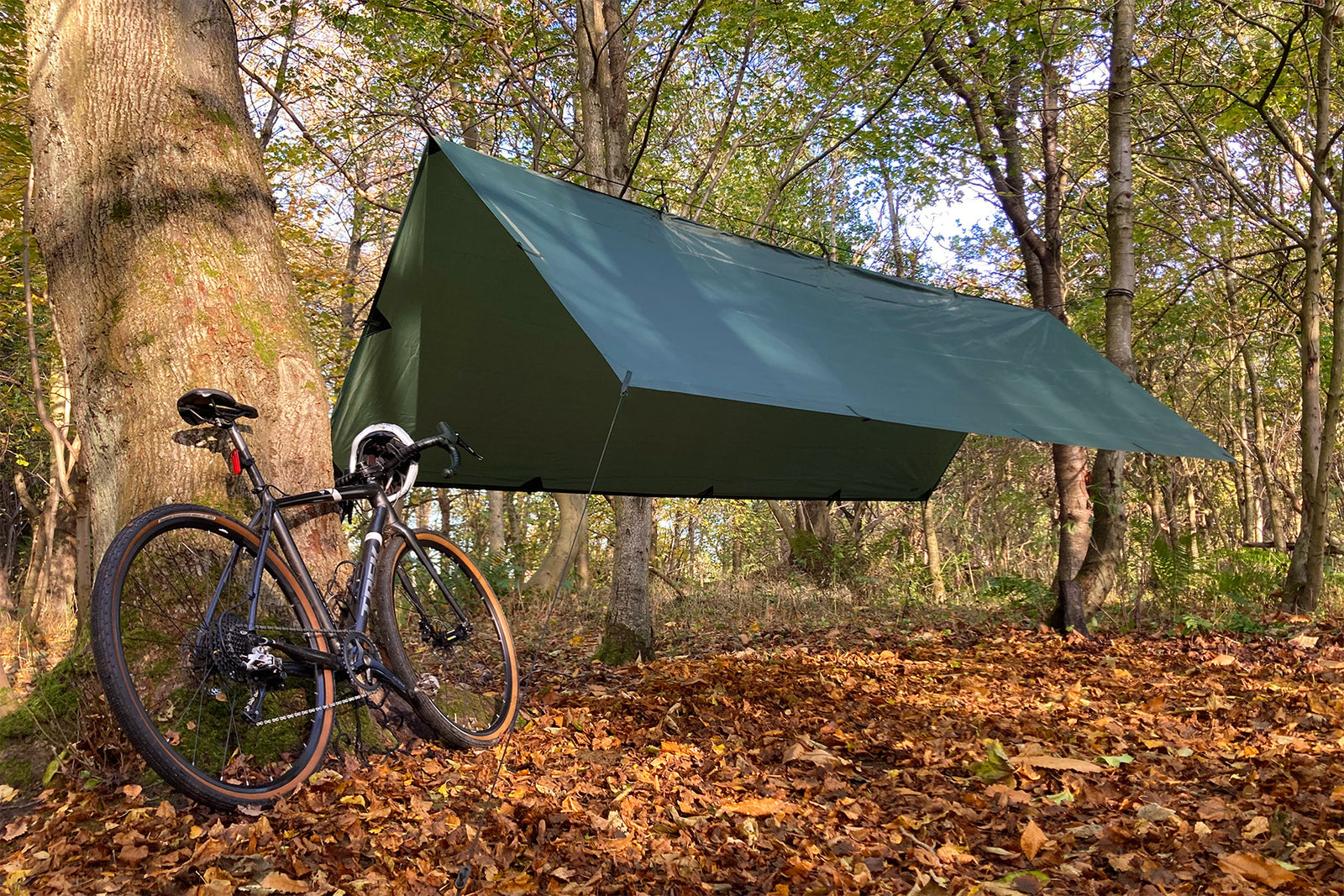
DD XL tarp

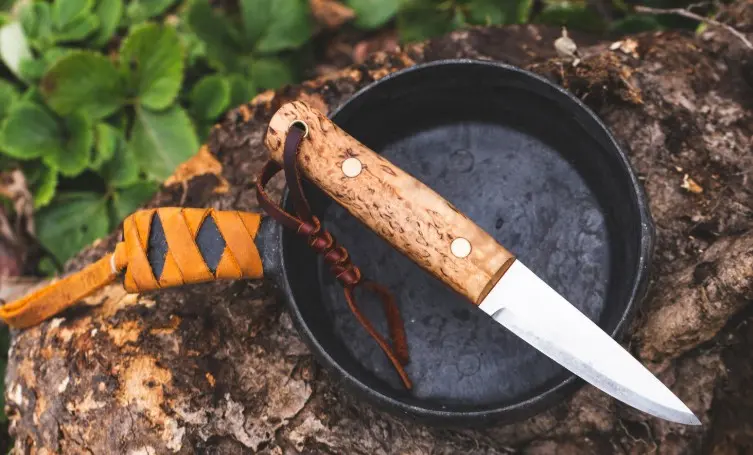
Caring for and sharpening a folding or bushcraft knife in the field?

A blunt knife is inefficient and dangerous on mountain hikes or woodland camps. Keeping your folding or bushcraft knife properly sharp is essential for precise cutting and safe field use. This guide presents techniques for effective blade care and sharpening with the right tools.

Discover how to choose a portable hiking sharpener and master the correct sharpening angle. RayonRando's experts share methods for maintaining an optimal edge without adding weight to your backpack.

Choosing a portable hiking sharpener

A quality portable sharpener transforms your outdoor experience. Light and compact, it restores a blunt blade's edge without bulk. The aim is a tool combining versatility and ease of use, even far from home.

[Read more...]

Product comparison
Compare
Rayon Rando advice