FAQ – Choosing your Camino route in France
Which is the busiest Camino route in France?
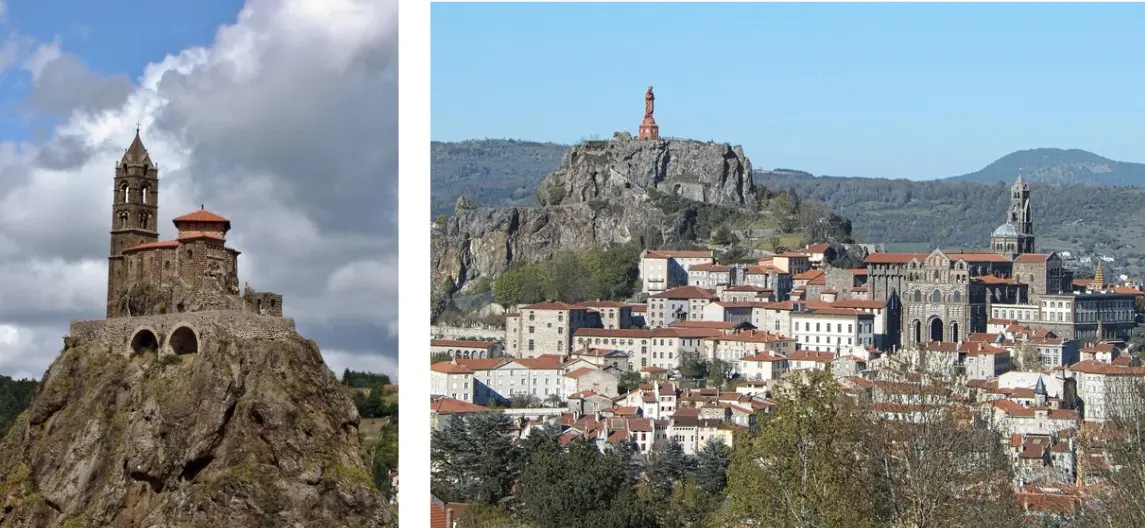
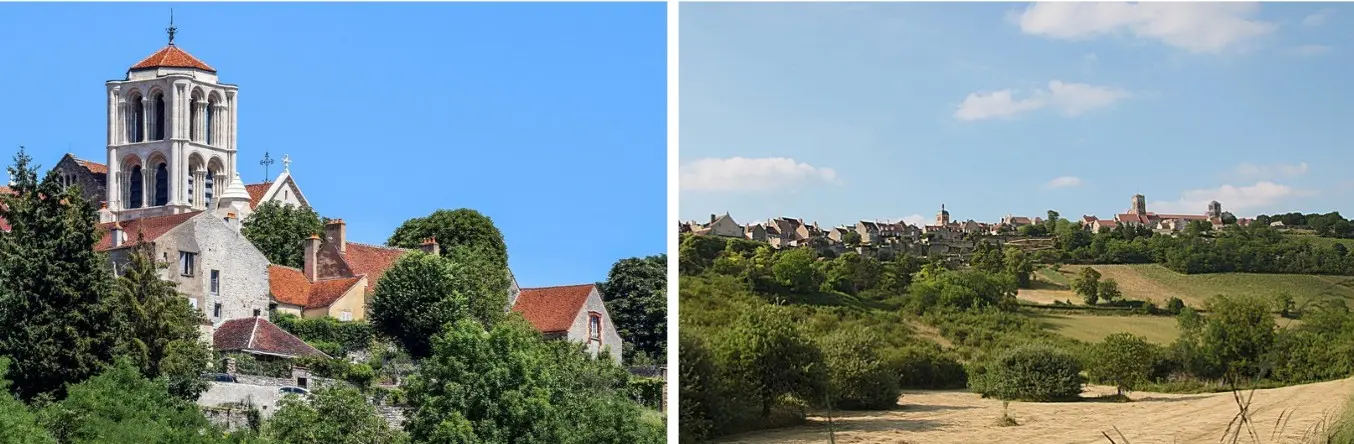
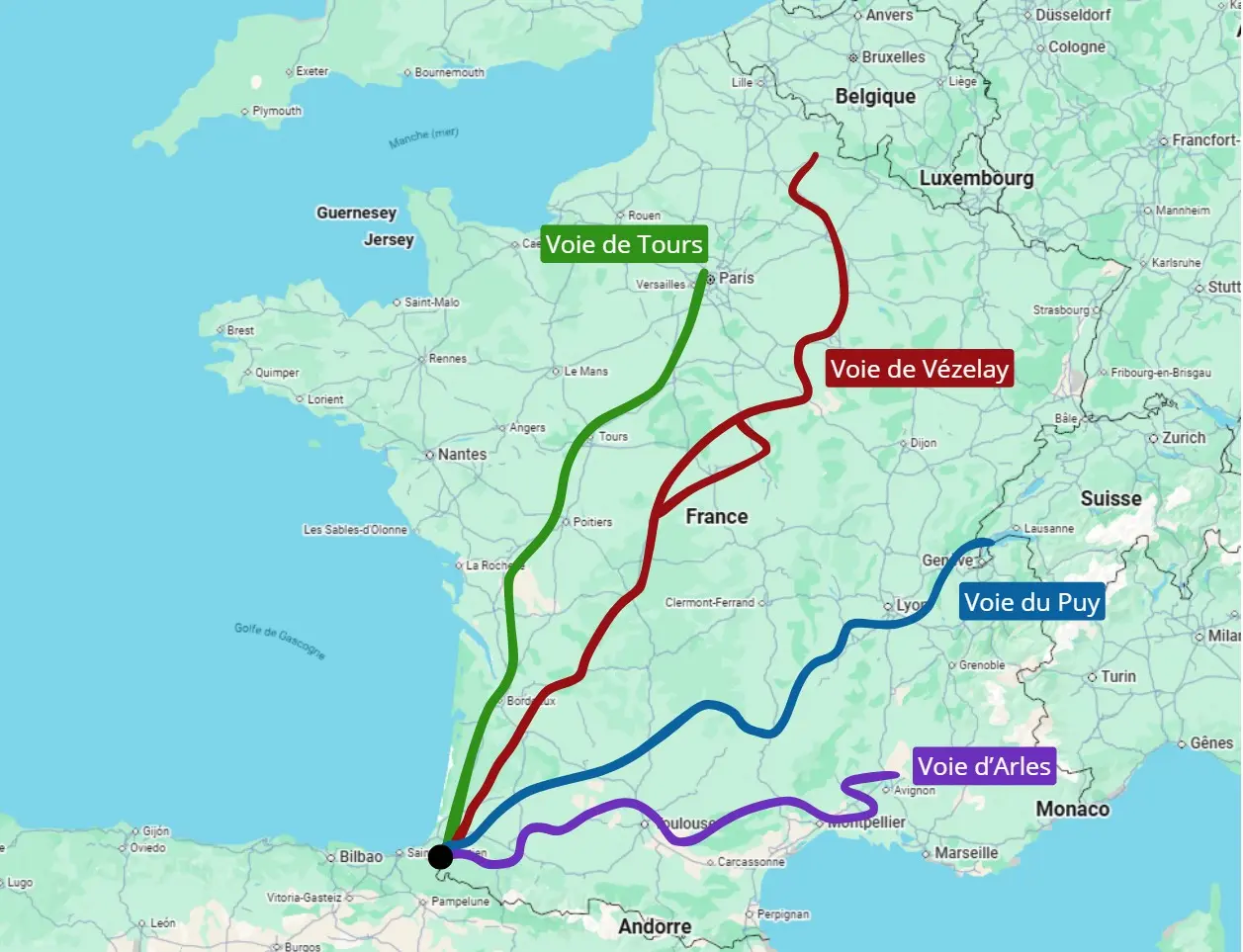
The Le Puy route (GR65) is unquestionably the busiest Camino route in France. It attracts tens of thousands of walkers each year, particularly between May and September. Its popularity stems from the quality of its waymarking, abundant accommodation and varied landscapes. The atmosphere is friendly and international. However, those seeking more solitude may prefer the much quieter Vézelay or Arles routes.
Which is the easiest Camino route for beginners?
In terms of physical difficulty, the Tours route is generally considered the easiest Camino route in France. The terrain is gentler, long stretches are easy underfoot and overall elevation gain remains moderate. This makes it a good choice for a first experience, a return to activity or walkers wishing to limit strain on their joints. That said, “easy” does not mean “effortless”: walking 20 to 25 km a day for several days still requires some preparation.
Which is the most beautiful Camino route in France?
The beauty of a route is subjective, but the Le Puy route is often described as the most beautiful Camino route in France for its variety. It crosses volcanic plateaux, steep-sided valleys, limestone plateaux and listed villages. The Arles route appeals for its southern light and Mediterranean landscapes, while Vézelay attracts walkers with its wild, peaceful character. The “most beautiful” therefore depends above all on your preferences: variety, light or solitude?
Which is the hardest Camino route in France?
The Arles route is generally considered the most demanding, particularly because of potential heat in spring and summer, and the crossing of the Pyrenees via the Somport Pass. The Le Puy route can also be physically demanding, with regular elevation changes and hilly stages. However, difficulty depends heavily on backpack weight, fitness, weather and daily walking time. A “moderate” route can become difficult if you set out poorly prepared.
Can you walk the Camino in France over several trips?
Yes, and this is common practice. Many walkers divide their Camino into several sections of one or two weeks, spread over several years. The major French routes suit this approach thanks to their accessibility by train or bus. It lets you progress at your own pace, without pressure, while keeping the route coherent. Just carefully note where you stop so you can resume at exactly the same point.
Do you have to be religious to walk to Santiago?
No. Today, most walkers undertake the Camino de Santiago for personal reasons: a sporting challenge, a need for a break, reflection, a life transition or simply the desire to walk from place to place. The spiritual aspect remains, but is no longer exclusively religious. The route welcomes believers, agnostics and non-believers alike. What matters is the personal journey, rather than the initial motivation.
When is the best time to walk a Camino route in France?
May, June and September generally offer the best balance of pleasant weather and reasonable visitor numbers. July and August bring crowds on the Le Puy route, with sometimes high temperatures, particularly on the Arles route. April and October can be very pleasant, but some accommodation gradually closes. The timing directly affects the overall experience, especially temperature comfort and accommodation availability.
How many kilometres should you walk per day?
The average is between 20 and 25 kilometres per day. This pace allows steady progress while limiting injury risks. Some prefer shorter stages (15–18 km) to enjoy the scenery and villages more, while others aim for 30 km or more. The key is to adapt your daily distance to your ability, the terrain of your chosen route and your recovery. On a Camino route in France, consistency matters more than performance.