Setting off by bike for several days, fully self-sufficient, offers a sense of freedom. But choosing the right wild camping equipment is essential to enjoying your trip fully. Unlike hiking, weight is not always the main criterion: packed size often makes the difference. A tent that is too long when packed, a bulky mat or a poorly designed cookware set can quickly make packing your panniers difficult.

The aim is therefore to find the right balance of compactness, comfort and weight. Your needs will also differ depending on whether you enjoy 

  • cycle touring with high-capacity panniers or 
  • bikepacking, where every available litre counts. 

Here is the equipment to prioritise for travelling light without giving up comfort at camp.

Define your type of cycle touring before choosing equipment

Before selecting your equipment, think about how you travel.

Cycle touring: prioritise comfort

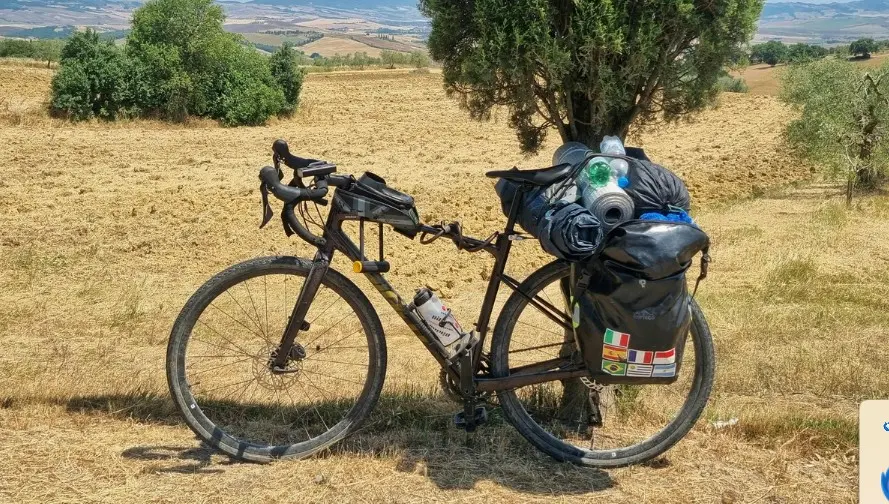
In traditional cycle touring, bikes generally carry two or four panniers offering substantial capacity. This extra room lets you prioritise comfort a little more.

For example, you could choose:

  • a slightly roomier tent;
  • a thicker sleeping mat;
  • a sleeping bag offering greater comfort;
  • a few welcome camp accessories, such as a compact folding chair.

Weight is still a factor to watch, especially on routes with lots of climbing. But it is often less restrictive than the space occupied in your panniers.

Bikepacking: every litre counts

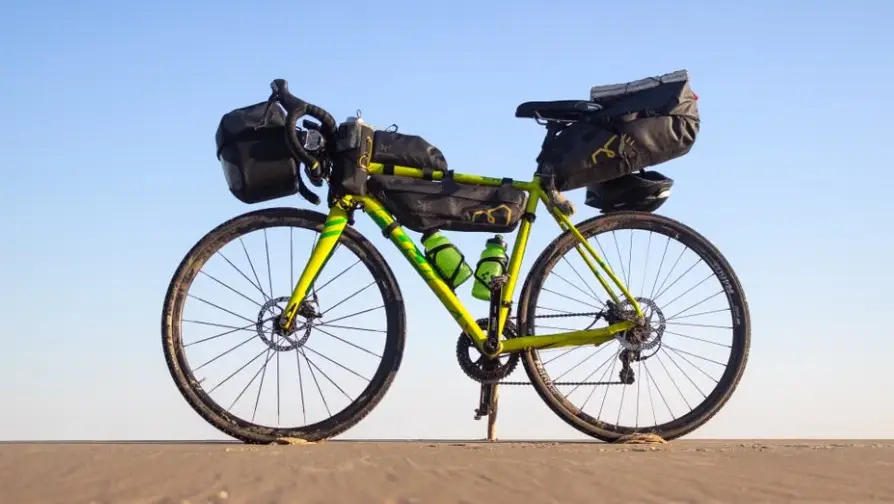
In bikepacking, saddle, frame and handlebar bags impose very different constraints. Available space is limited and every item must be chosen carefully.

The ideal equipment is then:

  • very compact when packed;
  • sufficiently lightweight;
  • tough;
  • multifunctional if possible.

A tent whose poles can easily be split between several bags, a mat taking up less than a litre or a cookware set that holds the stove and gas cartridge can save valuable space.

Your sleep system: the heart of wild camping

The sleep system makes up most of the equipment you carry. It also has the greatest effect on your recovery after a day in the saddle.

Choosing a lightweight tent for cycle touring

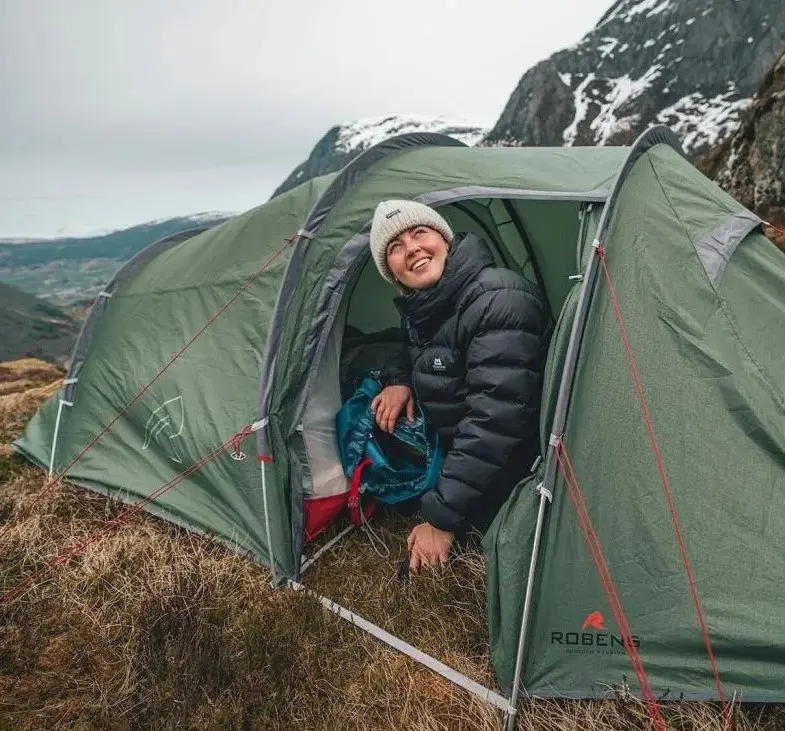
Above all, your tent should be compact when packed. Check not only its weight but also the length of its stuff sack, so it fits easily into your panniers or onto the handlebars.

Several criteria are particularly important for cycle touring:

  • quick pitching after a long stage;
  • good wind resistance;
  • excellent ventilation to reduce condensation;
  • a small packed size.

Tents with a large porch are an excellent choice for multi-day trips. They provide sheltered storage for panniers, somewhere to cook protected from rain while observing stove safety rules, and a much more pleasant living space when the weather deteriorates.

Find our cycle touring tents with large porches at RayonRando

Choosing a sleeping bag for the temperatures

Choose your sleeping bag primarily according to its comfort temperature, the temperature at which a person sleeps comfortably.

For most cycle tours from spring to autumn, a model with a comfort temperature between 0 °C and 5 °C offers an excellent balance.

There are two types of fill:

  • down, lighter and highly compressible, ideal when you want to reduce packed volume;
  • synthetic fibre, more affordable and better performing in damp conditions, but much bulkier.

Also consider using a compression sack or dry bag to reduce bulk further while protecting the down from moisture.

Discover our sleeping bags.

The inflatable mat: small packed size, real comfort

After several hours in the saddle, a good sleeping mat makes all the difference.

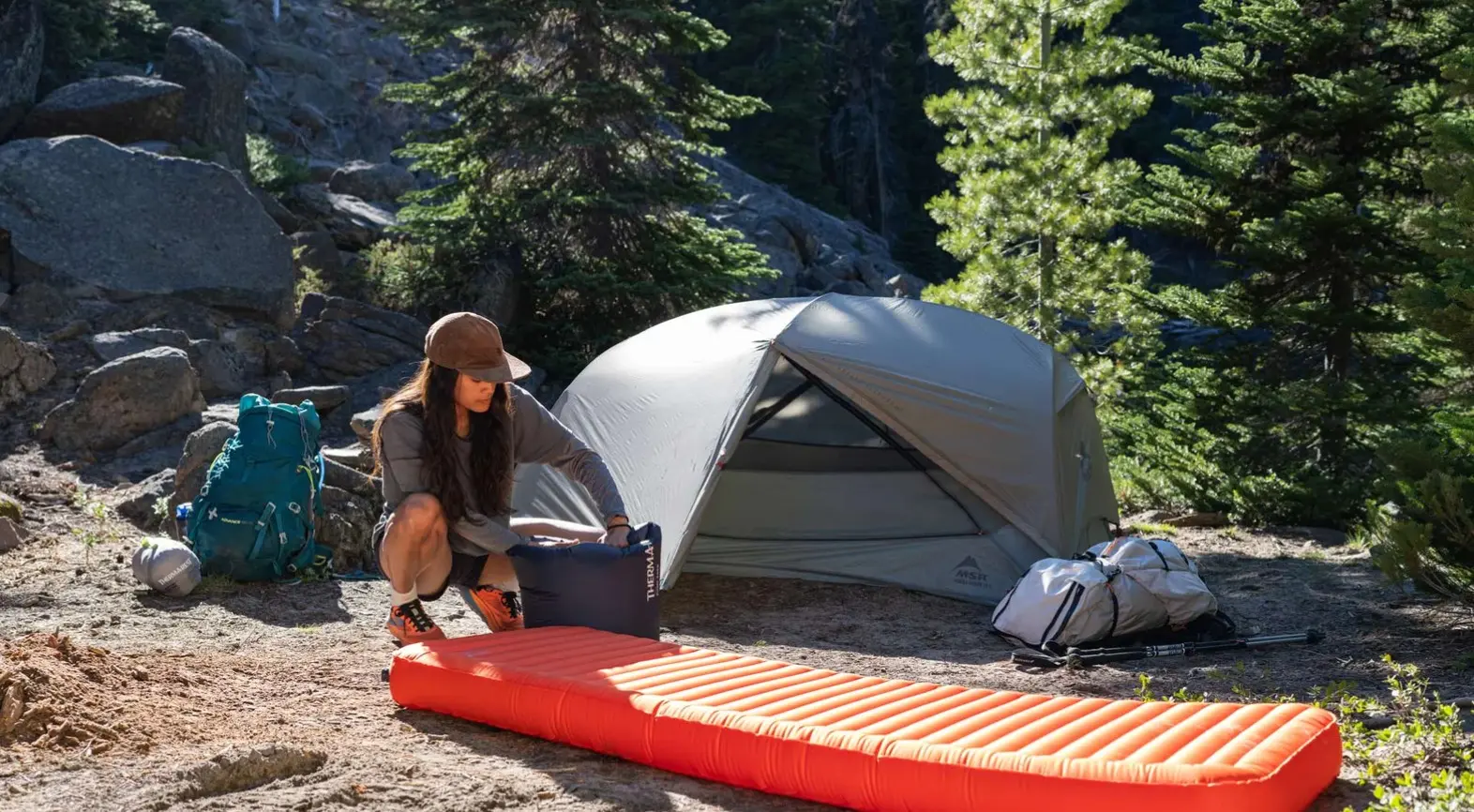
Modern inflatable mats offer an excellent balance between comfort and packed size. Some pack down small enough to fit in a one-litre water bottle while offering a thickness of 7 to 10 cm.

To choose well, look at:

  • thickness;
  • the insulation rating, or R-Value, for the season;
  • weight;
  • packed dimensions.

A good mat promotes quality recovery and helps you tackle consecutive stages in better condition.

Discover our comfortable sleeping mats.

Preparing meals without overloading your panniers

A hot meal in the evening or coffee in the morning makes a cycle trip much more comfortable. Fortunately, very compact equipment is now available.

A compact camping stove is enough in most cases

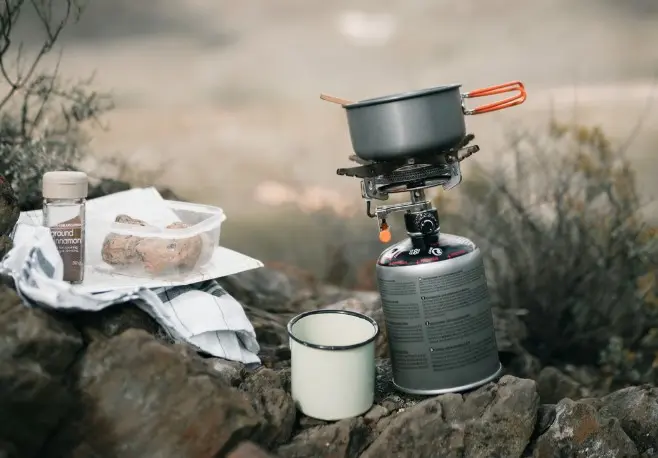
A gas stove remains the simplest solution for cycle touring and bikepacking alike.

Its main advantages are:

  • quick lighting;
  • easily adjustable heat;
  • little maintenance;
  • cartridges widely available in many regions.

To save space, choose a model that packs straight into your cookware set with a compatible cartridge.

A cookware set for one or two people

A 700 to 1,000 ml cookware set generally suits one person.

Anodised aluminium models offer excellent value for money, while titanium appeals to those seeking particularly lightweight equipment.

Choose nesting sets that can hold:

  • the stove;
  • the gas cartridge;
  • a lighter;
  • a small sponge.

This saves space while keeping your equipment neatly organised.

Managing water for wild camping and cycle touring

Water is often the trickiest thing to plan for on a cycle trip.

Most of the time, two water bottles or a hydration bladder are enough between resupply points. However, some more remote sections require you to carry extra supplies temporarily.

This is where collapsible water carriers become especially useful. Folded up, they take up very little space in a pannier. Once at camp, or before crossing a long stretch without water, they let you carry several extra litres without riding all day with that weight.

A capacity of 6 to 10 litres is particularly useful for:

  • cooking;
  • preparing drinks;
  • having a basic wash;
  • having water available until the next morning.

If your route passes through areas with frequent natural water sources, a filter or purification system can also reduce the amount of water you carry.

Small accessories that really improve comfort at camp

A few items take up little space but make evenings and nights much more pleasant.

An ultra-compact folding chair: a very welcome comfort

Once reserved for campers travelling by vehicle, folding chairs are now part of many cycle tourists' equipment.

Current models are surprisingly compact and fit easily into a rear pannier.

Being able to sit comfortably after a day of cycling really changes daily life: cooking, eating, reading or simply enjoying the scenery becomes much more pleasant.

This accessory is particularly appreciated by older travellers, as well as anyone who prioritises comfort at overnight stops. It is less often chosen for bikepacking, where every available litre is precious.

Practical everyday accessories

Other small items significantly improve comfort without adding excessive weight to your luggage:

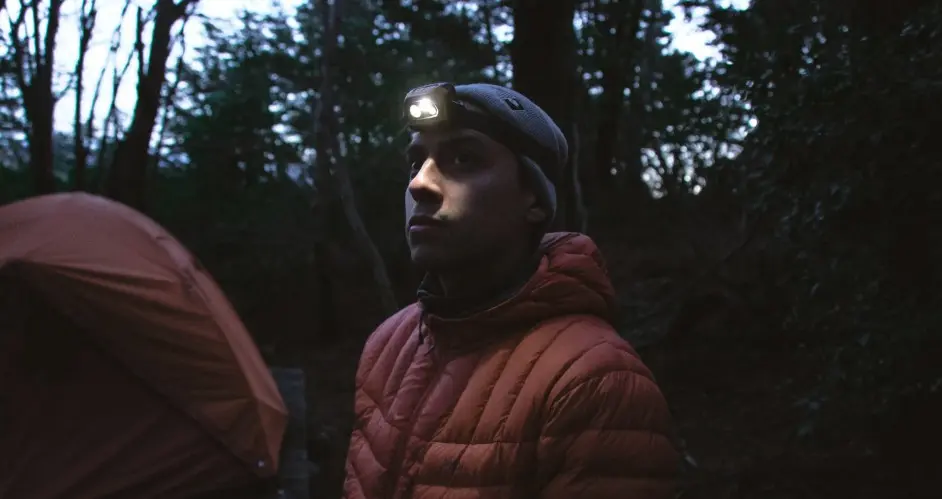
  • a head torch for cooking or pitching the tent at night; (petzl)
  • a power bank to recharge your phone and GPS; (sunslice)
  • dry bags to protect your sleeping bag and clothing; (drysacs)
  • a compact inflatable pillow; (outwell)
  • a quick-drying microfibre towel;
  • a minimalist wash bag.

These accessories take up little space but make life at camp much more pleasant.

Conclusion

The best wild camping equipment for cycle touring is not necessarily the lightest. In most situations, compact, well-organised equipment suited to your activity makes the difference.

For cycle touring, a few hundred extra grams can be more than compensated for by better comfort at camp. For bikepacking, the priority tends towards very compact equipment to make the most of every available litre.

By choosing your tent, sleep system, cooking equipment and water management carefully, you can enjoy your trips fully, whether a self-sufficient weekend or a long journey lasting several weeks.

FAQ

What wild camping equipment should you take cycle touring?

Essential equipment includes a lightweight tent, sleeping bag suited to the temperatures, compact inflatable mat, stove, cookware set, water-carrying system and a few comfort accessories such as a head torch or dry bags.

Which tent should you choose for wild camping on a cycle tour?

Choose a lightweight tent that packs compactly and pitches quickly. For multi-day trips, a tent with a large porch provides sheltered pannier storage and improves comfort at camp.

Which sleeping bag should you choose for wild camping on a cycle tour?

For use from spring to autumn, a sleeping bag with a comfort temperature between 0 °C and 5 °C generally offers an excellent balance of warmth, weight and packed size.

Which mat is best suited to wild camping on a cycle tour?

A compact inflatable mat is often the best choice. It offers excellent sleeping comfort while taking up very little space in your panniers when packed.

How do you carry enough water for a cycle tour with wild camping?

Supplement your water bottles or hydration bladder with a collapsible water carrier when stages have few resupply points. A 6 to 10-litre carrier provides enough water for camp without carrying this volume all day.

Is a folding chair useful for wild camping on a cycle tour?

Yes, especially for cycle touring. The most compact models provide a real improvement in comfort for cooking, eating or relaxing after a stage, with a now very reasonable packed size.

How does wild camping equipment differ for cycle touring and bikepacking?

Cycle touring allows slightly more comfortable equipment thanks to larger panniers. In bikepacking, the focus is on very compact equipment to make the most of the available space.

Product comparison
Compare
Rayon Rando advice