





Whether buying for yourself or as a gift, choosing binoculars deserves thought: the range is vast, with widely varying specifications and prices.
In this article, RayonRando helps you understand binocular optics and guides you through choosing a pair. Whether for birdwatching, hiking, cycling, boating or sports, you can identify the model suited to your activity in 3 steps:
- What are the main binocular specifications?
- How do you distinguish between 2 pairs of binoculars with equivalent main specifications?
- Which binoculars suit my activity?
What are the main specifications of binoculars?
- Weight and bulk:
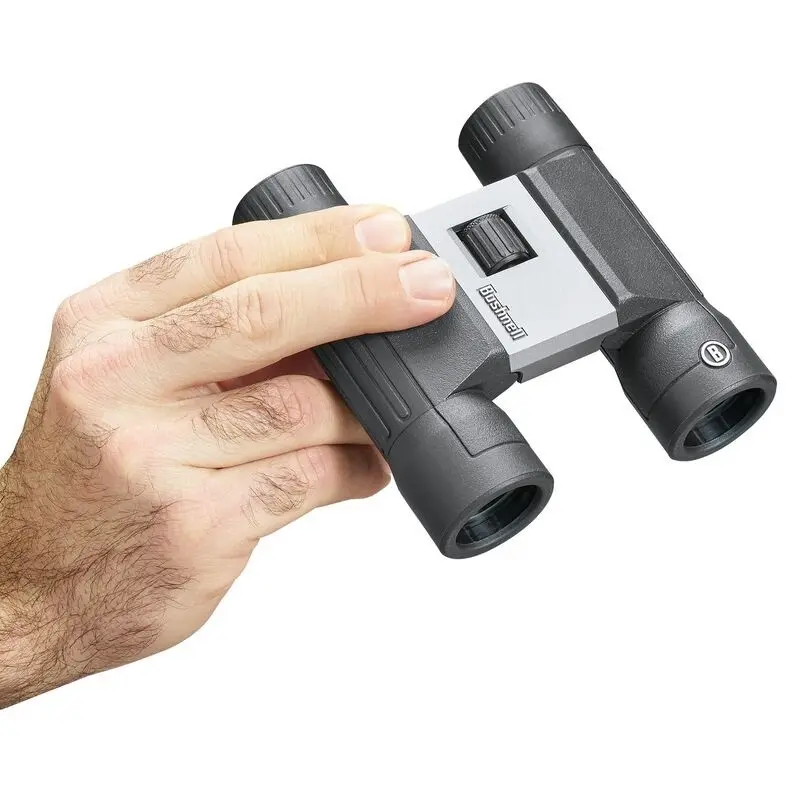
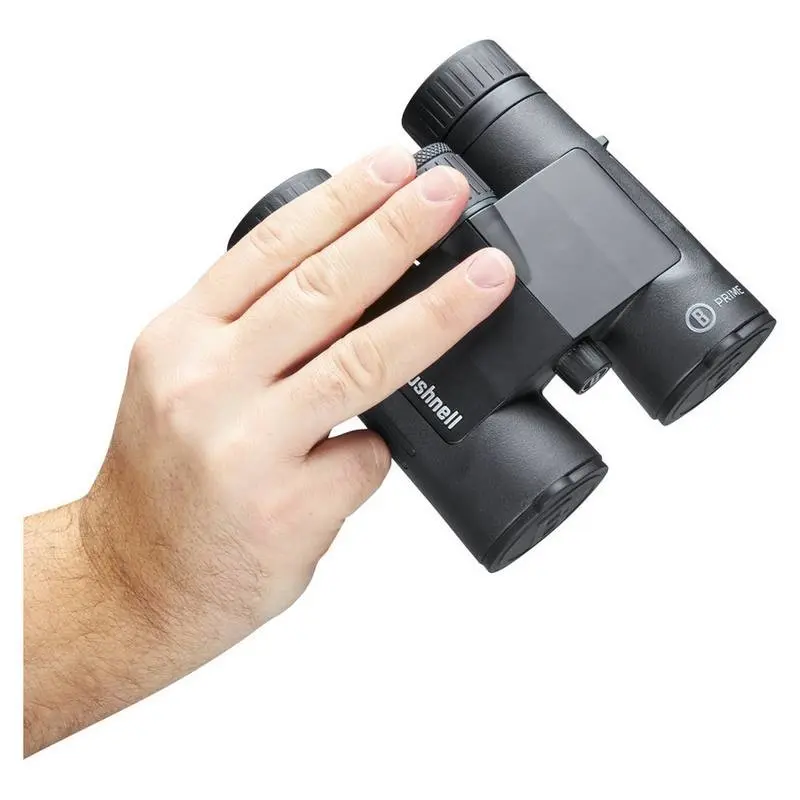
If carrying binoculars in your rucksack or around your neck for long periods, you will want a compact, fairly light pair.
However, compared with larger binoculars, they have a limitation: with equal lens quality, smaller optics gather less light than larger ones.
But compact binoculars with good optics can be as bright as a large pair with average optics.
- Magnification:
On the box or binoculars themselves, you will see 2 numbers such as 8 x 32, 10 x 42, etc. The 1st number indicates magnification.
Magnification of 8 or 10 is generally enough. Some binoculars offer higher magnification, but hand shake becomes much more noticeable. Unless you have specific needs, we recommend sticking to x8 or x10.
Variable-magnification binoculars adapt to different needs and conditions. Convenient, but less bright than fixed-magnification binoculars.
Magnification also directly affects field of view: the width of the area visible at 1,000 m.
The greater the magnification, the narrower the field of view. You focus more on detail than an overall view.
- Objective lens size:
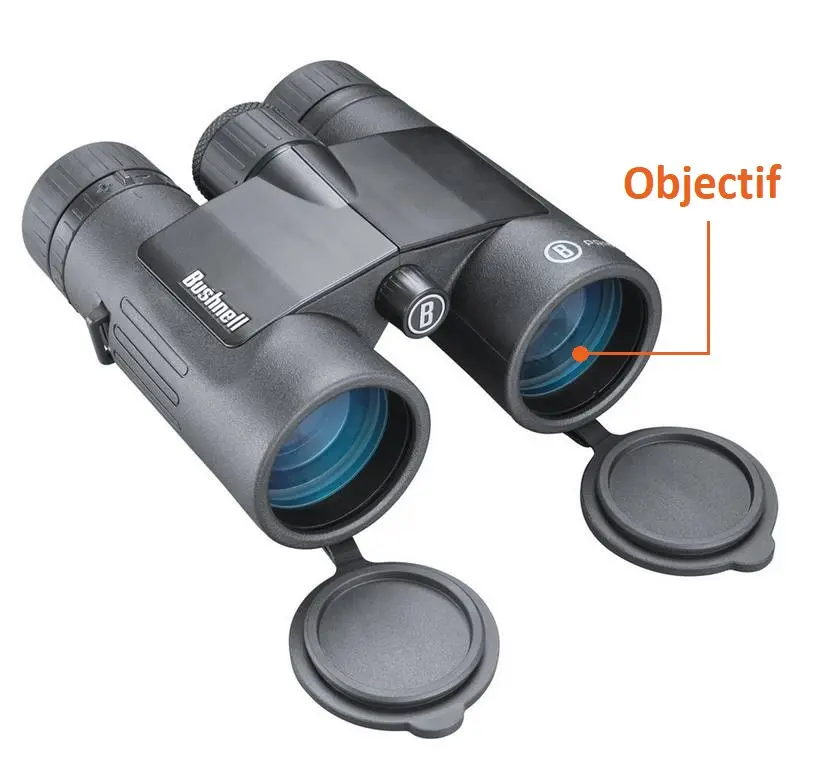
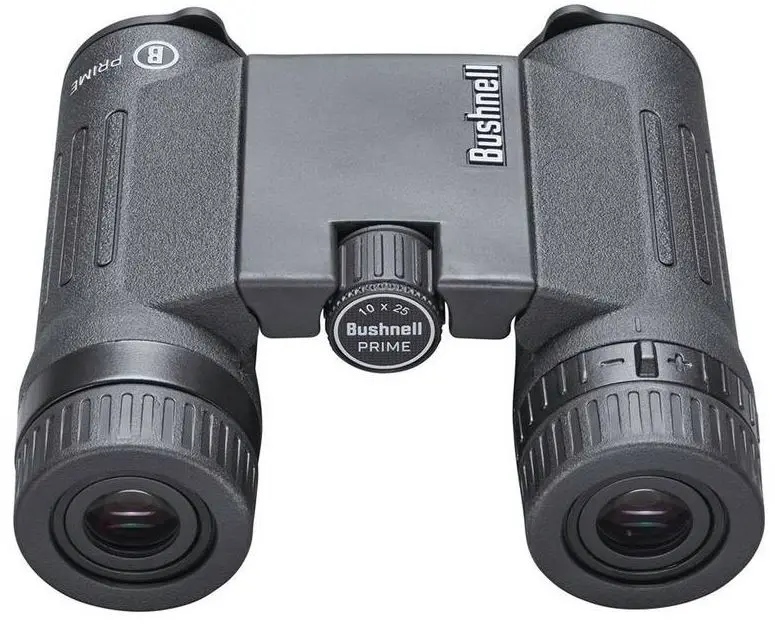
Returning to “8 x 32”, the 2nd number indicates objective lens diameter (see image), which also affects binocular size and weight. This diameter is usually between 21 and 50 mm. With equal lens quality, larger optics are brighter.
If weight and bulk are not constraints, larger binoculars may be worthwhile.
However, lens and prism quality determines brightness, sharpness and edge distortion. Choose according to your needs and budget, as prices rise substantially with quality.
- Exit pupil diameter:
The “8 x 32” marking also tells you the exit pupil diameter, where you position your eyes. A larger diameter makes viewing more comfortable.
The calculation is simple: for 8 x 32 binoculars, the exit pupil is 32 / 8 = 4 mm.
With a narrow diameter (10x25 binoculars, for example), you must look straight along the optical axis or dark shading may appear around the edges. Choosing magnification of 8 rather than 10 is therefore more comfortable with small binoculars (21 or 25 mm objectives).
Understanding optical quality to distinguish binoculars with similar specifications

After your 1st selection, you may have several models with similar specifications but sometimes substantial price differences.
Optical quality makes the difference and helps you choose the right model:
The optics consist of prisms and lenses. The quality and treatment of all these elements affect image quality (brightness, sharpness) and the lifespan of your binoculars.
Besides optical size, assess quality according to composition and construction:
Prism type (the optical system that turns the image upright)
- Roof prism: more compact and lightweight. Used in most binoculars.
- Porro prism: bulkier and heavier, but more affordable.
Prism material
- BK-7: the standard for budget binoculars
- BAK-4: less light loss and better image quality than BK-7
- SK15: very high quality, used in premium and therefore more expensive binoculars.
Prism and lens treatments
Various treatments improve light transmission and therefore image sharpness, while also preventing fogging, dirt and fine scratches. Lens treatments or coatings are therefore a good indicator of optical quality. ED glass lenses, for example, improve colour rendering. Such differences generally increase the price of higher-quality models.
Waterproofing and water resistance
- Some binoculars are sealed with O-rings and nitrogen-purged. Useful near water, but elsewhere too: preventing condensation preserves their optical quality.
- A water-resistance rating is sometimes provided: IPX7 is the maximum rating (withstanding immersion to 1 m for up to 30 minutes), while IPX4 indicates resistance to light rain and moisture generally.
2 additional criteria to finalise your choice:
Focusing
- Usually manual, using a central wheel. You precisely adjust focus to your eyesight and the subject you are viewing.
- Focus-free binoculars: no wheel is needed to adjust them to your eyesight. The scene is immediately sharp. This system is ideal for watching moving subjects at a distance without constantly refocusing, or for passing binoculars to someone else without them needing to adjust the focus. However, they are unsuitable for viewing nearby subjects, which will appear blurred. They have a minimum sharp viewing distance and therefore do not suit subjects just a few metres away.
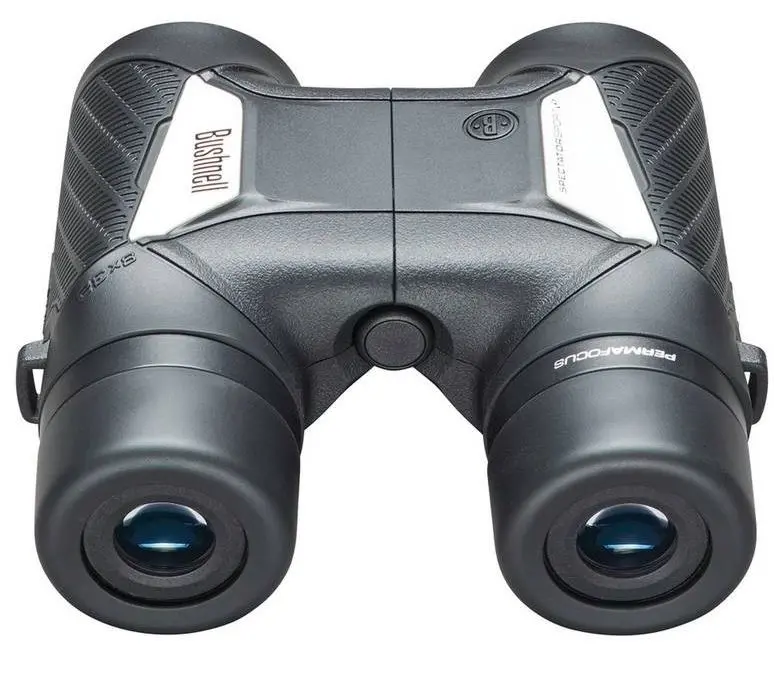
Retractable eyecups for glasses wearers
Around each exit pupil, retractable eyecups provide comfort for glasses wearers (prescription or sunglasses). They also shield the naked eye from stray external light.
- Without glasses: extend the eyecups to prevent your eyelids touching the lenses.
- With glasses: retract the eyecups to bring your glasses close to the lenses. This brings your eyes closer, maintaining a good field of view.
Which binoculars suit my activity?
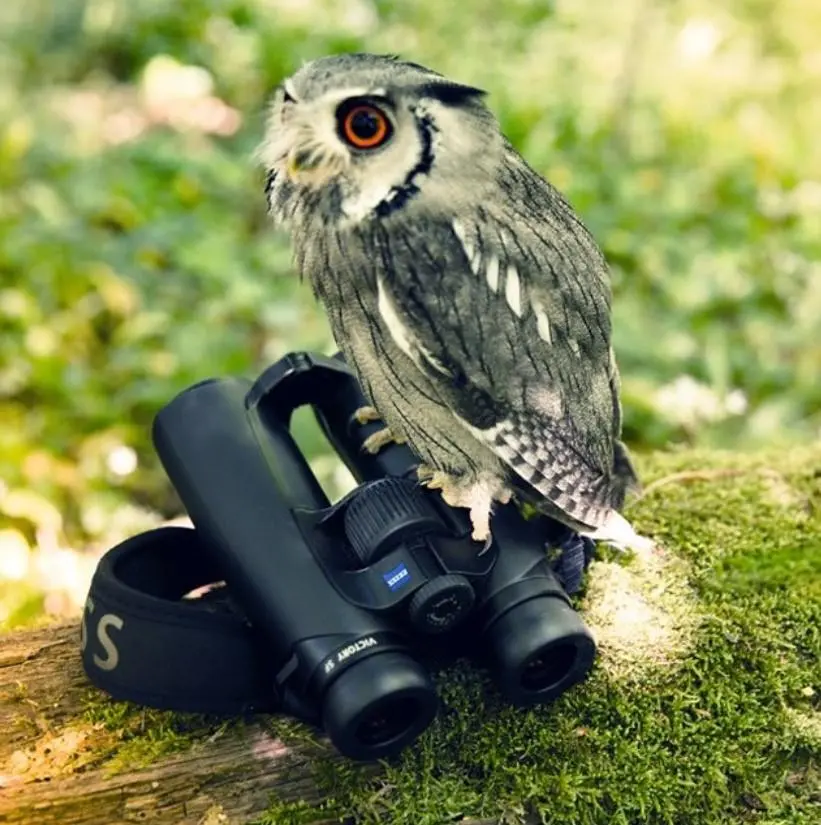
Boating
- Magnification and brightness: 8 x 50 or 10 x 50
Weight / bulk is less problematic than in other activities, so large, bright optics offer greater detail. - IPX7 waterproofing
- Retractable eyecups (you will often wear sunglasses)
- Lens treatments against marks (condensation, salt water) and glare.
Hiking
- Magnification and brightness: 8 x 25, 8 x 32
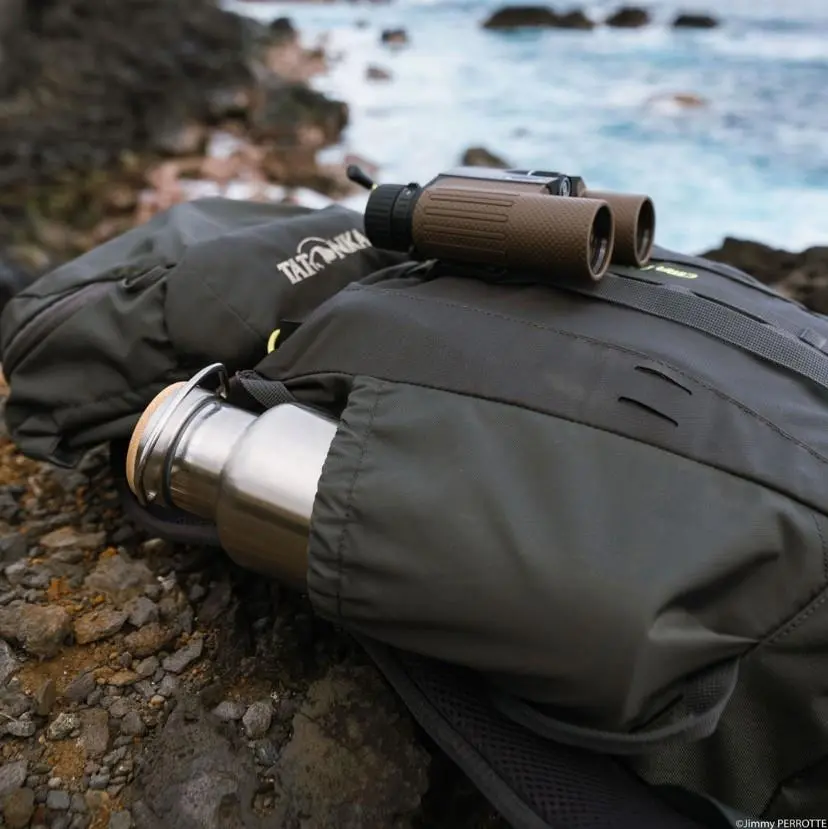
Weight / bulk is essential, especially on a self-sufficient trek. Magnification of 8 is preferable. For greater magnification, 10 x 25 binoculars are very compact and suit daytime observation of stationary subjects. Otherwise, choose brightness according to the time of day you plan to observe.
- Roof prism (more compact binoculars)
- Retractable eyecups (you will often wear sunglasses)
Cycle touring
- Magnification and brightness: 8 x 32, 8 x 42
You can afford slightly more weight than a hiker. Relatively compact 8 x 42 binoculars are therefore worth considering for greater brightness and detail.
- Roof prism (more compact binoculars)
- Retractable eyecups (you will often wear sunglasses)
Birdwatching
- Magnification and brightness: 10 x 42, 12 x 50
If you are not hiking long distances, less compact models offer higher magnification and excellent brightness. At high magnification, a support is preferable to limit image shake.
- Roof or Porro prisms, depending on space and budget constraints.
Observation at dusk or in overcast weather:
Optical brightness is essential: combine the largest possible lenses with high-quality optics (glass treatments, nitrogen-sealed binoculars).
Sports events or family use:
Focus-free binoculars suit watching sports events or airshows, for example. They are also useful for passing around the family to watch a bird of prey in flight.
Choose other characteristics, particularly optical quality, according to your budget and use (occasional or frequent, prolonged use).
Conclusion
You now know the main specifications to consider when choosing binoculars.
We recommend first identifying any weight and bulk constraints, then your magnification and focusing requirements. Finally, combine optical size and quality according to your activities and budget.
Discover our full binocular range here, and contact the RayonRando team by phone or email if you would like advice to finalise your choice.