





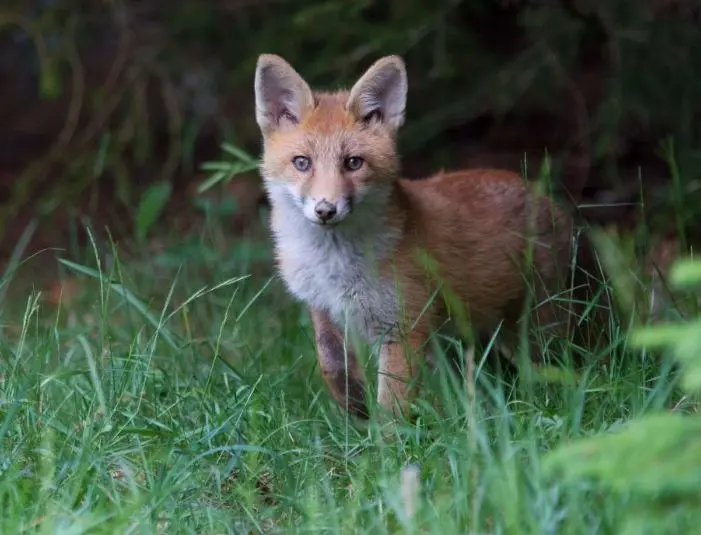
Raymond Rando, wildlife and food.
Raymond Rando! Behind this superhero name is a flesh-and-blood human: a hiker! Strong but sensitive, brave but cautious, he gladly shares his experiences. Today, Raymond Rando opens up about his relationships with wild animals, and his willingness to share food…
I knew it! I have always known. It is simple enough: do not store food in your tent! It attracts small, and sometimes large, animals that you would rather admire in photographs than in person. You do not see them during the day, but at night they find you and readily help themselves to your food supplies.
It took several unfortunate experiences to fully absorb and apply this principle:
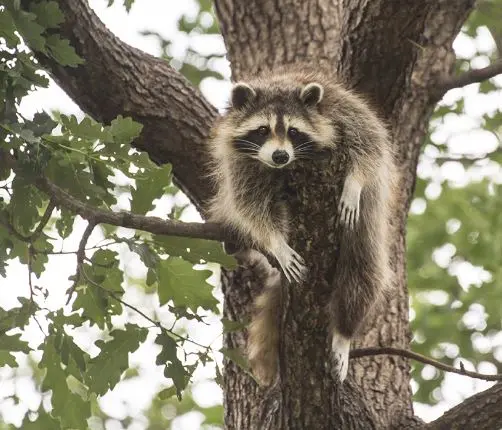
- It began in Canada's Algonquin Park. Despite bear warnings, we left food beside the tent. A raccoon, rather than a bear, woke us in the night. It preferred some delicious biscuits and left with the packet.
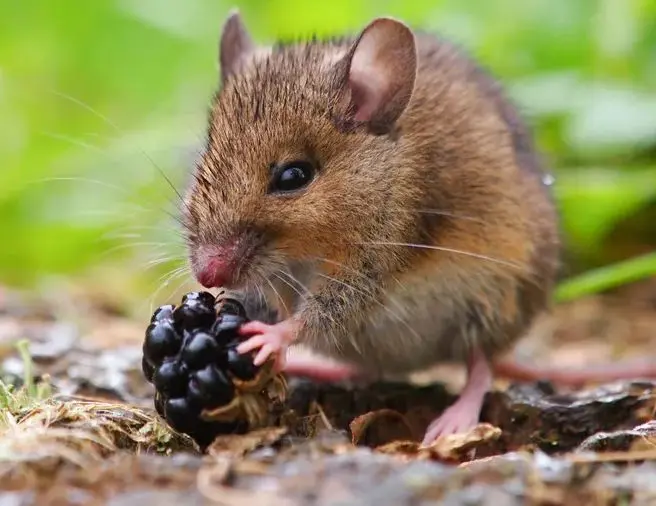
- Wildlife is scarcer in Iceland, but still hungry… A small mouse did not wake us, but had time to make a splendid hole in a good-quality rucksack, barely nibbling a packet of energy bars…
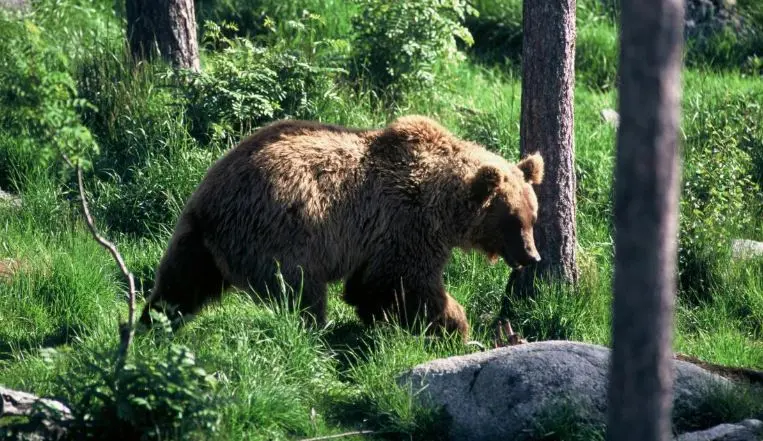
- To really understand, I had to camp in Slovakia. I ignored signs with bear symbols: the text was Slovak… This time, a bear really visited. After “gently” tearing away the rucksack stored under our tent porch, it calmly ate our supplies. It circled the tent for a very, very long time. Clearly not the most fragrant bear: when we could not hear it, we could smell it. A dreadful night…
Since then, I have understood: never store food in your tent! Smell is what reliably attracts them to the pantry.
So what should you do?
Here is what I do now:
- I store food in roll-top dry bags, protected and safe to leave outside. (Available at RayonRando.com.)
- I place the food bag well away from the tent.
- Whenever possible, I hang the dry bag from a tree overnight. Without a tree, I sometimes make a tripod from walking poles to suspend it (protecting against mice; use stones and gaps between rocks if worried about larger animals).
- I also use odour-proof bags for cheese, for example (like freezer bags but sealed against smells, available and effective at RayonRando.com).
- I also put scented toiletries (toothpaste, for example) in them.
- I hang rubbish up too if it contains used food packaging.
- Finally, I remember (well, sometimes I forget) to check for snacks still lurking in pockets or my rucksack.
- Where risks are significant, I also eat dinner away from the tent.
Is that enough?
Usually, yes, but it does not prevent an occasional surprise:
- On Réunion, food was protected, but I woke to find my silicone mug chewed and punctured, probably by something fond of soup traces.
- Some animals are simply curious: a Corsican fox bit a neighbour's toe, while an Egyptian fennec fox stole my socks (a sign of a refined nose, I think).
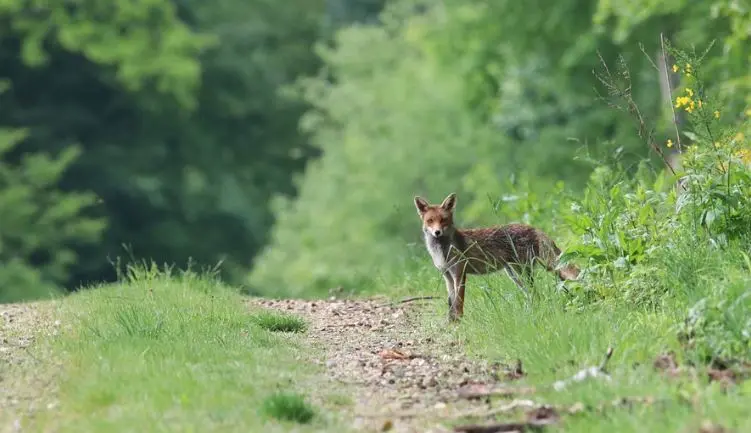
Animals have keen noses, and they are hungry! Sensible precautions help avoid sometimes unpleasant experiences.