4) Condensation in a hiking tent:
Condensation can be particularly unpleasant. Whatever tent you choose, it varies with the conditions: number of people, cold, humidity, camping near a watercourse and so on.
Several factors indicate whether a tent will be more or less prone to condensation:
Single-wall tents are, by definition, prone to condensation. They do not really belong in this article…
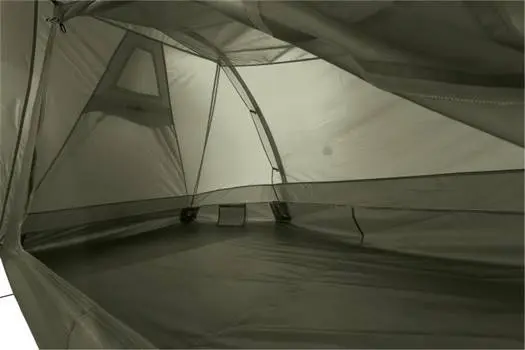
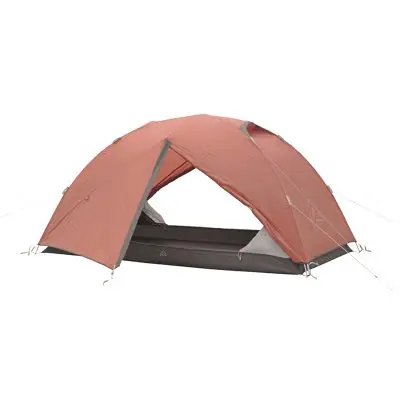
For double-wall tents, dimensions and internal volume matter. The larger the tent and the greater the headroom, the more water vapour can disperse.
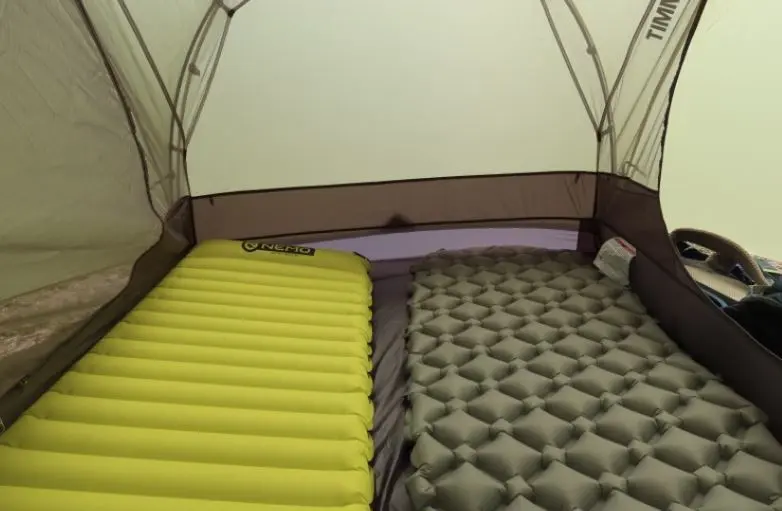
Similarly, sleeping alone in a 2-person tent generates less condensation than sharing as 2.
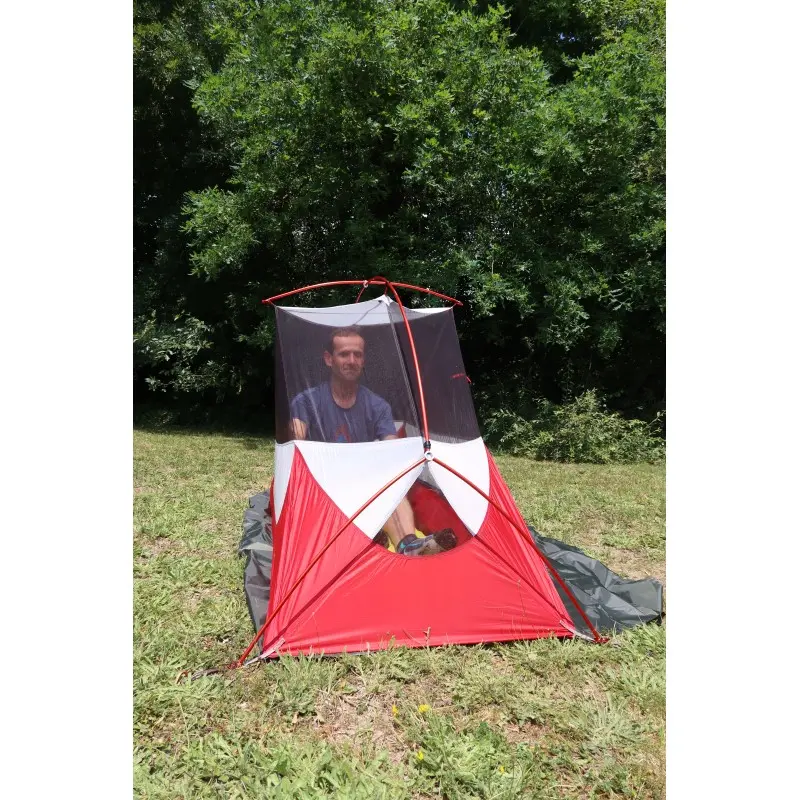
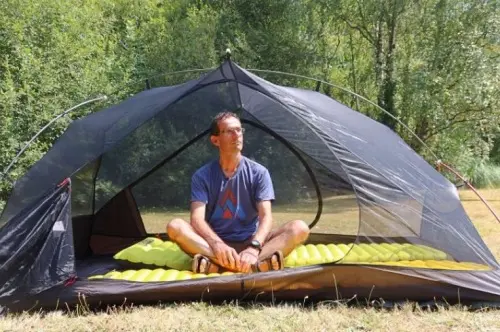
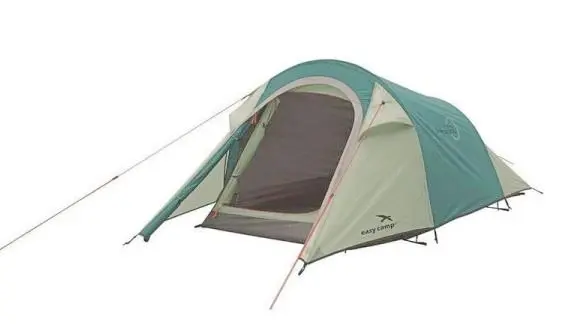
We have noticed that tents with a front porch produce little condensation. With the sleeper's head near the mesh door and porch, water vapour can probably escape more easily.
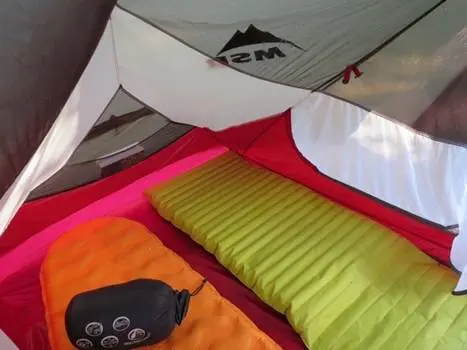
Tent ventilation can help water vapour escape, particularly with enough space between the outer and inner fabrics and airflow from below.
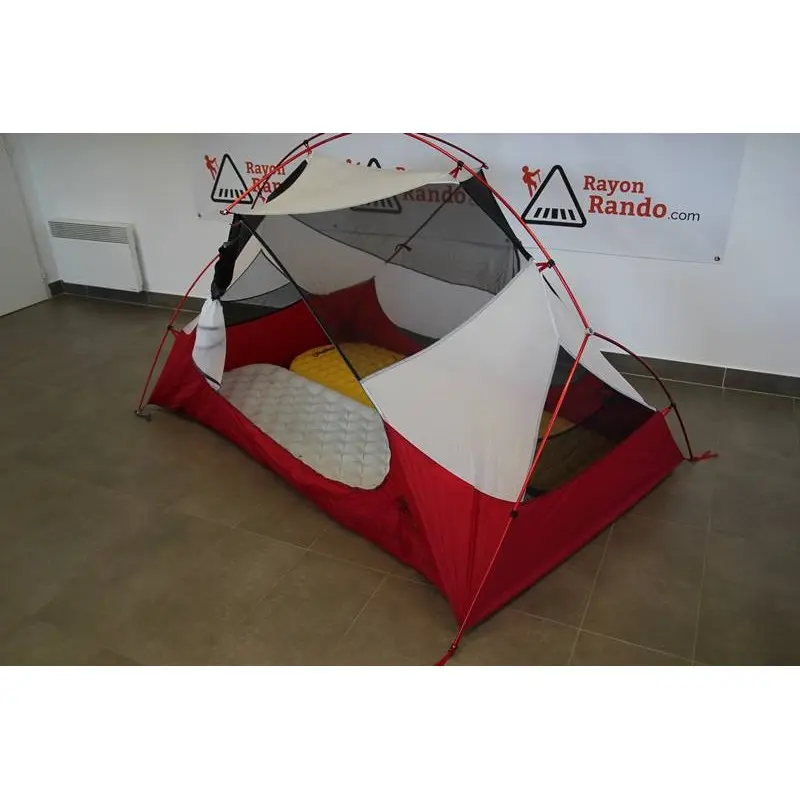
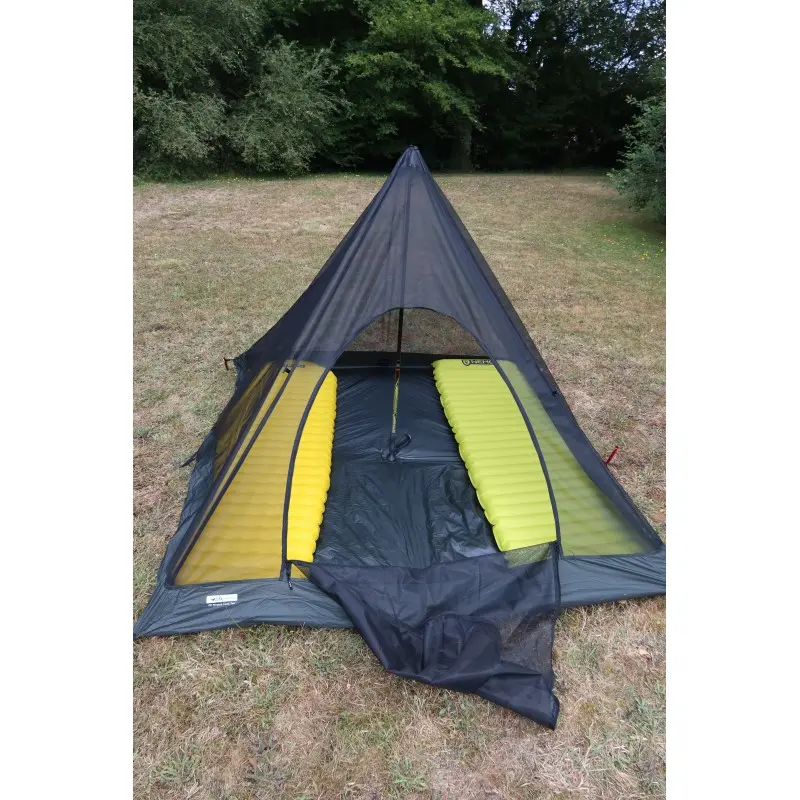
Finally, the inner fabric can catch and disperse condensation droplets before they fall on your head. For this reason, the top of the inner tent sometimes uses solid fabric rather than mesh.