Which backpack if you are short?

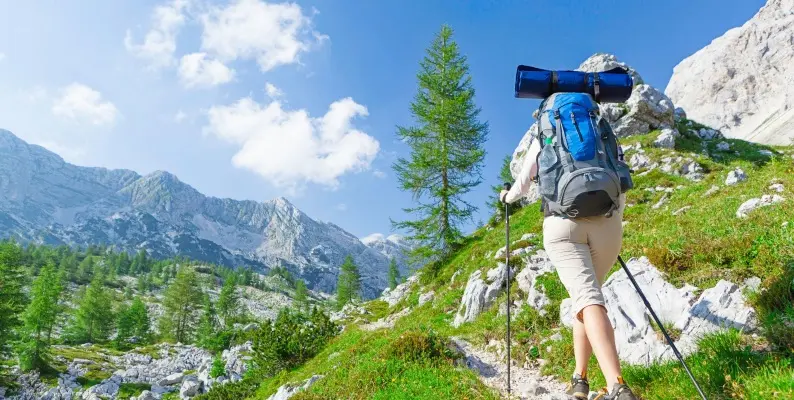
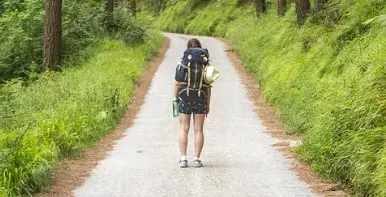
Choosing a backpack can be a sizeable problem… Especially if you are not tall.

For shorter people, finding a 10 to 20 L backpack is fairly easy. Up to 30 L, not every backpack fits, but it remains reasonably straightforward. Above 35 to 40 L, things become trickier.

In this article, we explain how to find a medium- to high-capacity trekking backpack suited to a shorter person.

How does Bernoulli's principle inflate your sleeping mat?

Remember a few years ago, when you finished a day's hiking tired, one small task remained to finish you off: blowing up your inflatable sleeping mat. Depending on the volume of the mat and your lungs, it sometimes took 30 to 40 breaths. Still, it could not do you any harm…

Today I inflate my Némo Tensor mat with 2 breaths… Have mats shrunk? No. Are my lungs bigger? Perhaps, but that would not explain why it works for you too.

A look back at one of the outdoor sector's major technical innovations of the past 10 years: inflating sleeping mats quickly without straining our lungs.
This feat seems so simple thanks to the pump sacks supplied with mats. Yet nobody thought of it earlier… It rests on an 18th-century discovery, Bernoulli's principle. Someone still had to invent the practical application…

What exactly is Bernoulli's principle?

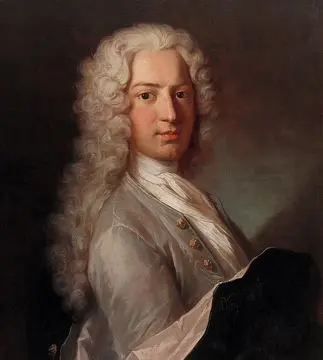
Daniel Bernouilli formulated Bernoulli's principle in 1738.

Want the unclear version? “In fluid flow, acceleration occurs simultaneously with a decrease in pressure.”

You look doubtful. Let me rephrase: the faster a fluid, such as air or water, flows, the lower its pressure.

So what? Lower pressure creates a force. In aviation, this contributes to lift on aircraft wings. That is not today's subject, but the wing's movement makes air flow faster above it than below. The faster air above therefore has lower pressure than the air below. This pressure difference “sucks” the wing upwards and helps the aircraft fly.

How do we get from aviation to a sleeping mat?

When I put my mouth directly on a mat's valve, I blow in only the volume of air in my lungs. So far, so clear.

According to Bernoulli's principle, blowing air from my mouth creates a fast airflow with lower pressure than the surrounding air. This draws in ambient air. I therefore move more air than I exhale. See the idea? If that larger volume entered a mat, I could inflate it much faster.

If it is still unclear, here is my short video demonstration using a bin bag:

You can repeat the experiment at home: it is astonishing!

A Therm a Rest invention, copied and especially improved by other brands:

Turning the principle into practice required an idea from leading hiking mat brand Therm a Rest.

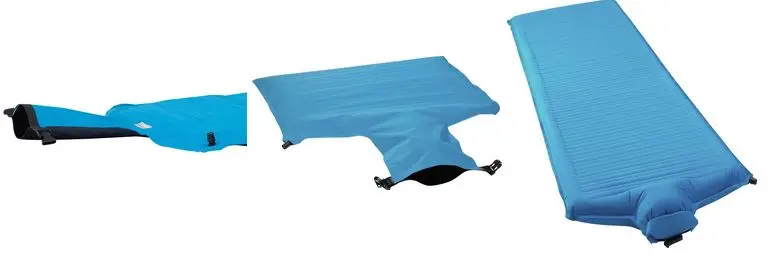
The 1st mats using the innovation had an inflation sleeve rather than a valve (in 2016, with the Therm A Rest NeoAir Camper SV). It worked well but had 2 disadvantages: the mat was heavier and not everyone understood the technique, making it awkward for some…
Photos of the therm a rest Camper SV mat:

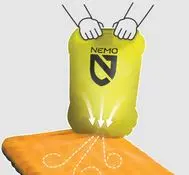
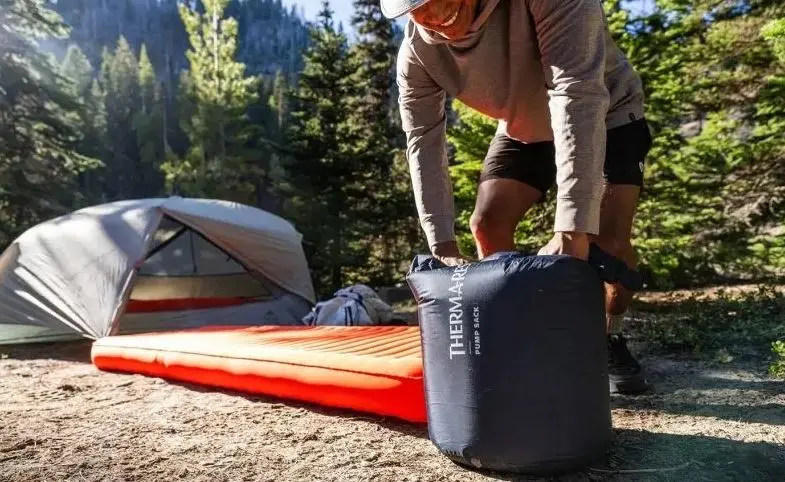
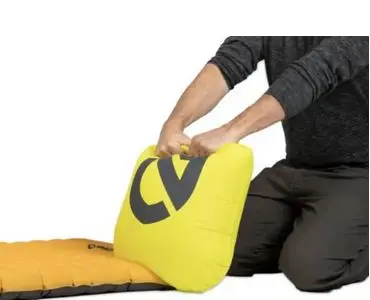
Competitors soon took an interest. Némo and Sea to summit in particular found a much more practical application: keep a one-way valve on the mat and connect a pump sack to it. Inflate the sack, then compress it with your hands to push air into the mat. Practical, clever, brilliant!

A short demonstration on a Némo mat, the most refined in this respect in my opinion:

The benefits of “Bernoulli” inflation:

First, it inflates your mat incomparably faster. Depending on the volumes of the mat and pump sack, only 2 to 6 breaths are needed, compared with 30–40 when blowing directly into the valve.

The other benefit is effortless blowing: no pressure is needed; instead, blow gently. So setting up camp takes no effort.

It is very quick and restful.

Why did nobody think of this earlier?

Once you see the application, it seems obvious. It uses a long-established principle that already had practical applications.

So why was it not invented earlier? That is asking too much: I have no idea.

Hiking mats began with foam, then self-inflating models, before lightweight inflatables appeared. Perhaps their widespread use prompted complaints from hikers with less lung power than you?

In any case, it is a real innovation with a real benefit for users. Many thanks to the unknown, daring inventor: a truly inspired idea.

Iceland: trekking from Landmannalaugar to Skogafoss

Iceland! A destination I rank among the very best places to hike.

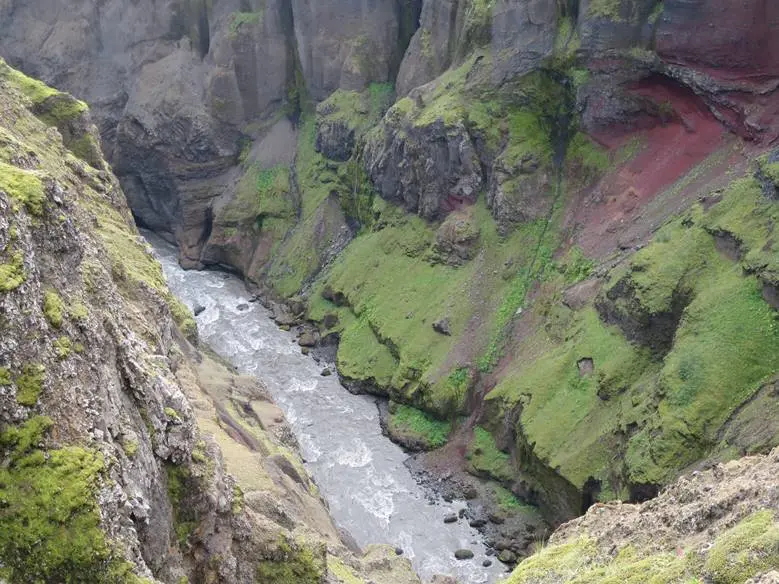
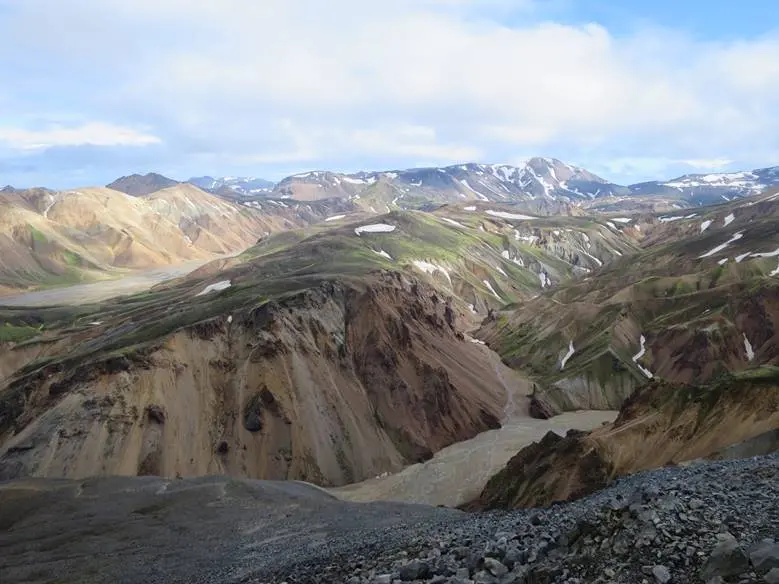
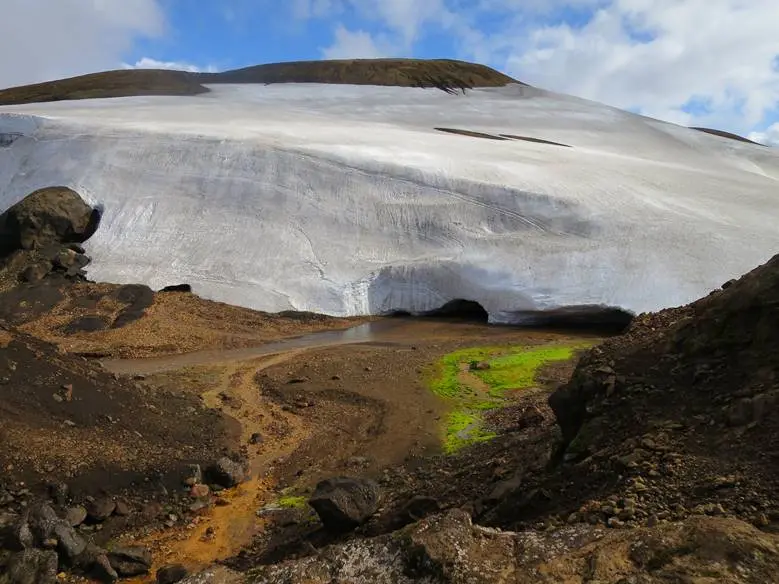
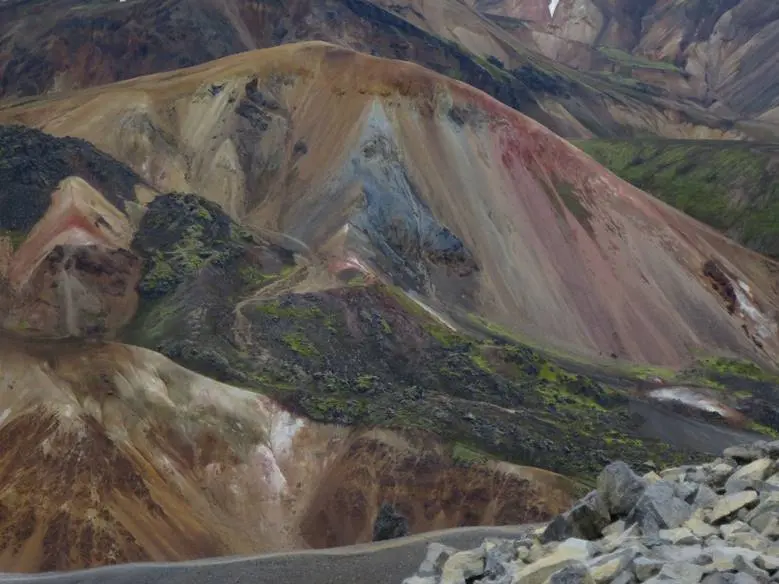
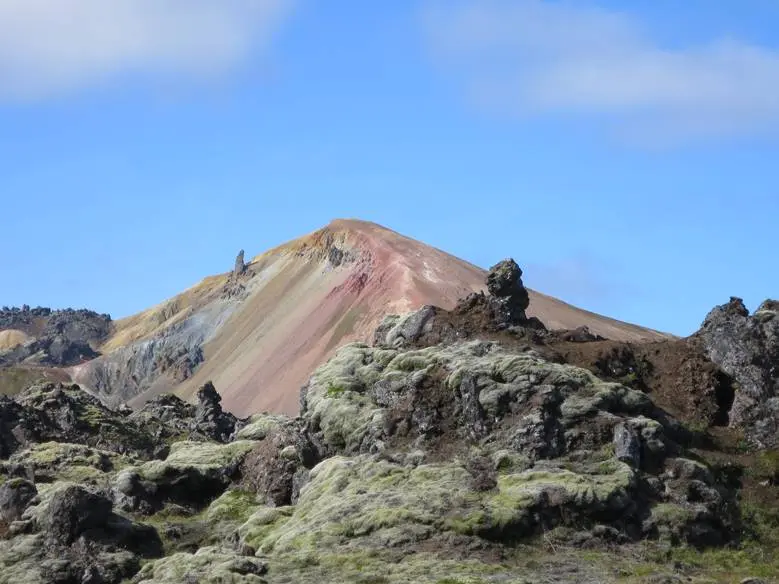
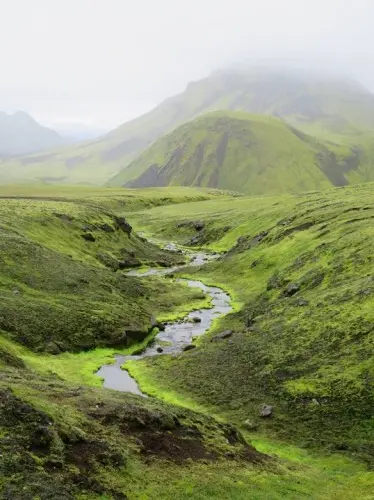
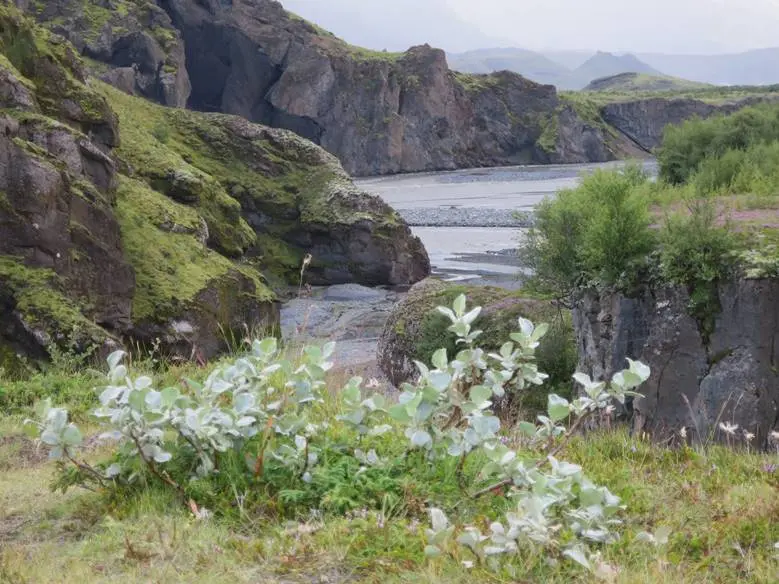
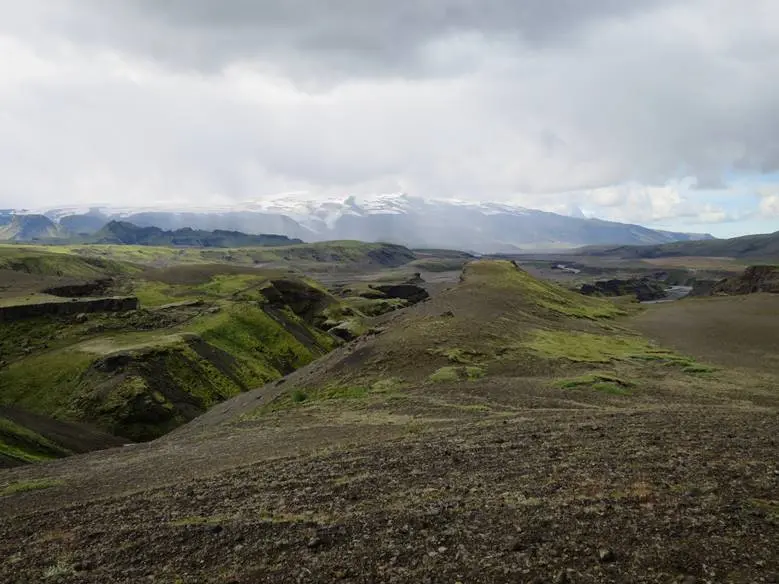
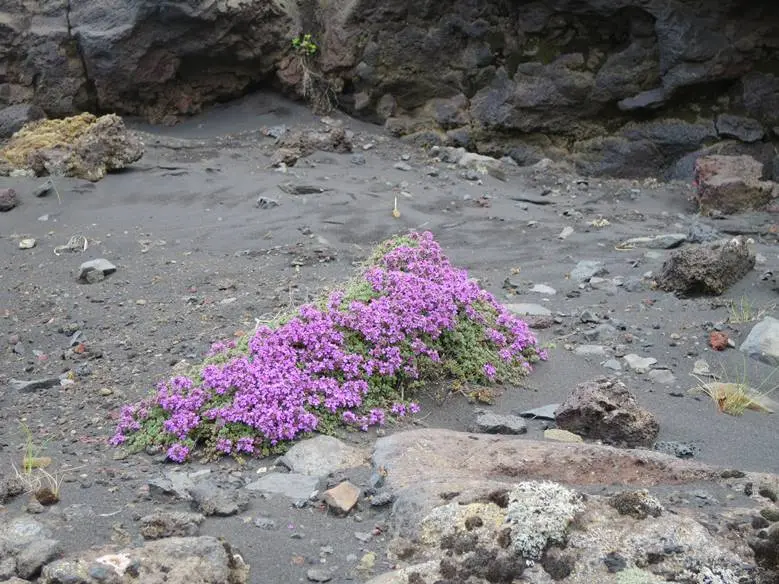
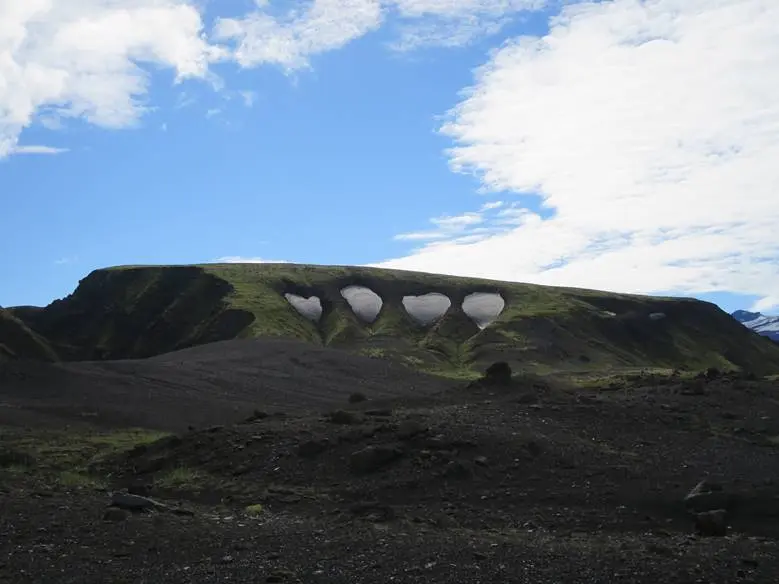
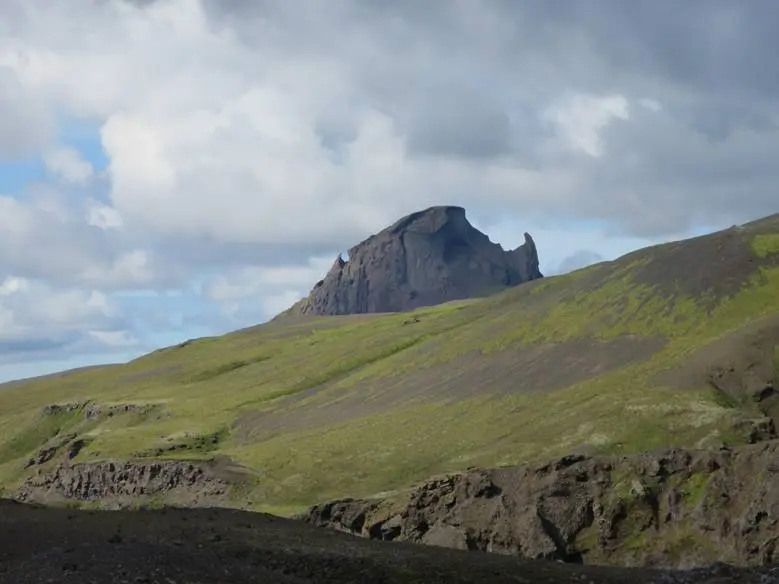
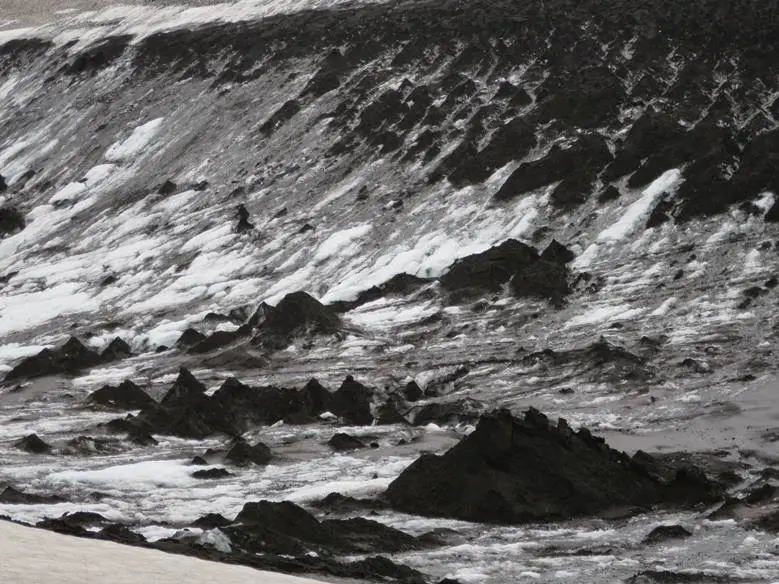
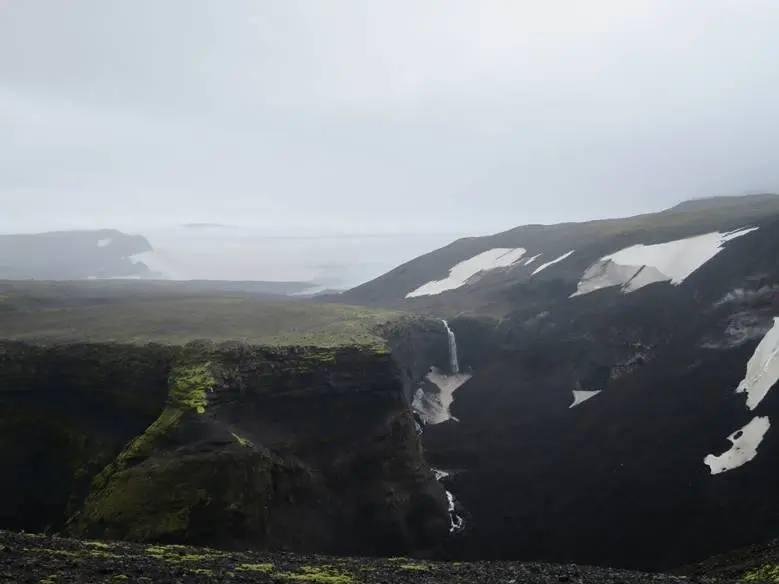
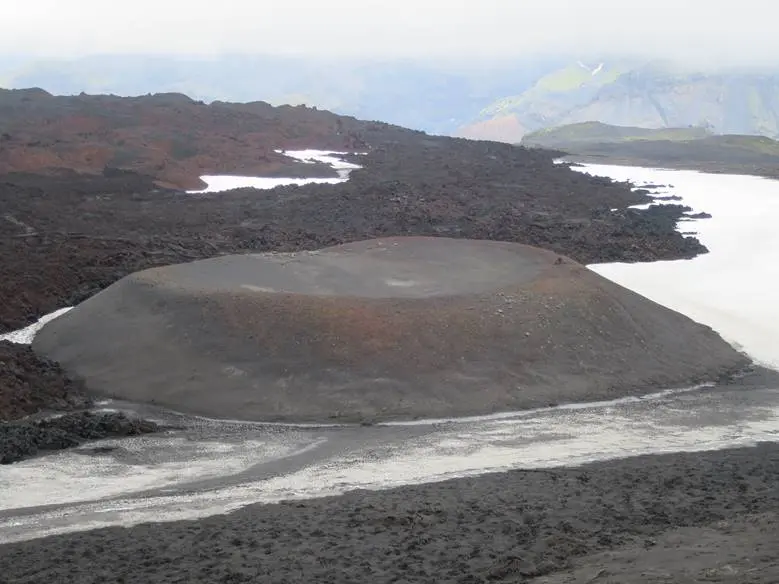
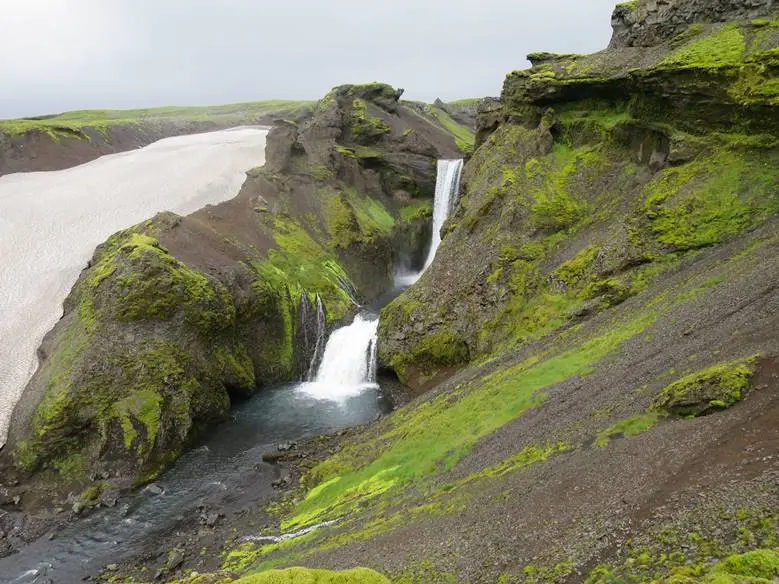
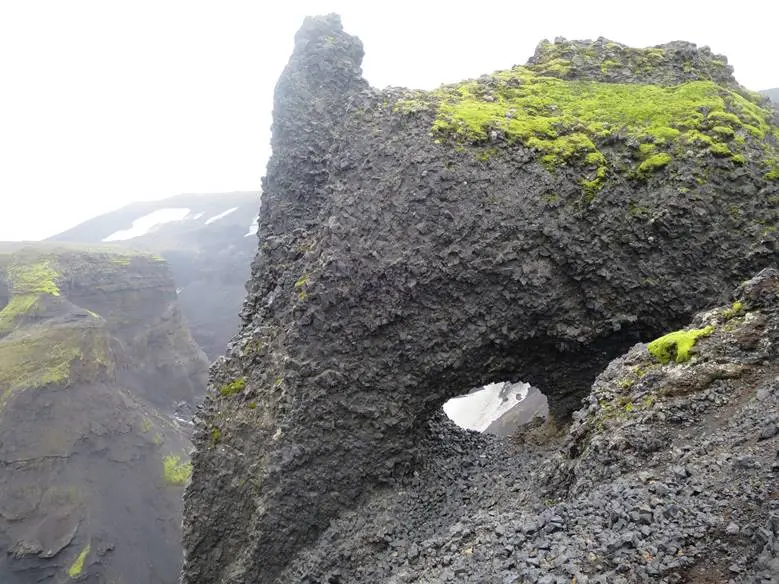
It feels like being at the origins of the Earth. A wild, turbulent land where lava seems ready to burst out at any moment. Glaciers resting on black ground with fumaroles escaping at their feet; improbable layers of red, green, blue and yellow, like my son's finger paintings; fluorescent mosses dotted with delicate white flowers; well-known hot-water rivers and well-hidden natural hot pools.

In short, it is wonderful!

Do you like cool weather? Find violent winds invigorating? Does rain revive you? Good: that is precisely Iceland's weather when it is fine.

Beyond these climatic quirks, which should not be underestimated, it is sometimes harsh but always charming.

Here I present the classic trek from Landmannalaugar to Thorsmorsk, also called the Laugavegur trek, where many stop. For me, it is well worth extending by a day to the sea at Skogafoss.

The advantages:

  • The trek is easily reached by bus from Reykjavik at both ends; it is in the island's south-east and can therefore be done even with only a few days available.
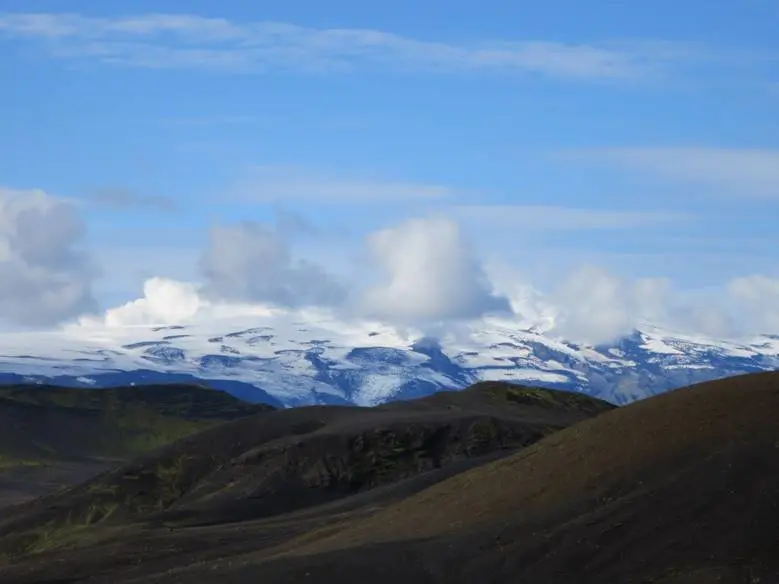
  • It offers enormous landscape diversity. The views are breathtaking. I still dream about them…
  • The route is well defined, with the choice of camping or staying in a hut every night.

Difficulties:

The terrain presents no major difficulty as far as Thorsmork, with often soft ground and moderate elevation changes. But bear these cautions in mind:

  • Consider the weather; delay the day's departure if fog settles, as getting lost is a risk;
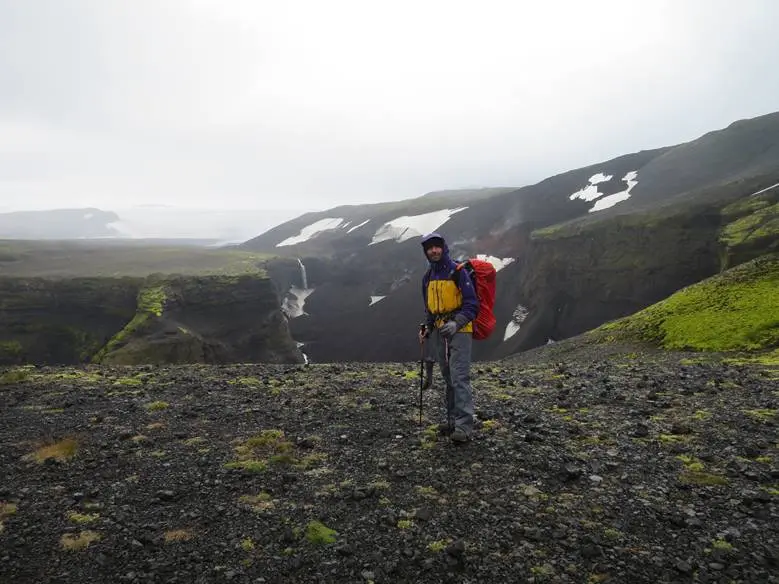
  • Be properly equipped for rain, wind and cold: waterproof jacket and trousers (forget the rain poncho), hat, gloves, warm clothing and so on. But also shorts, preferably convertible trousers, and swimwear.
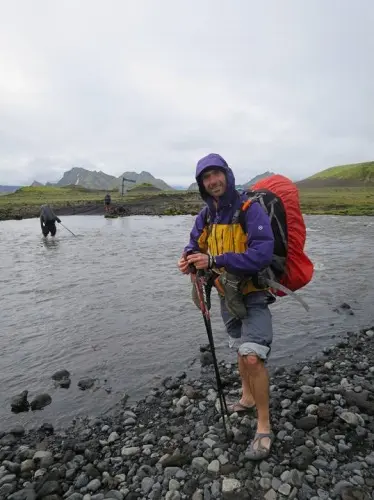
  • Expect to ford several particularly forceful streams with “invigorating” water. Finding a crossing point can take time. Bring water sandals.

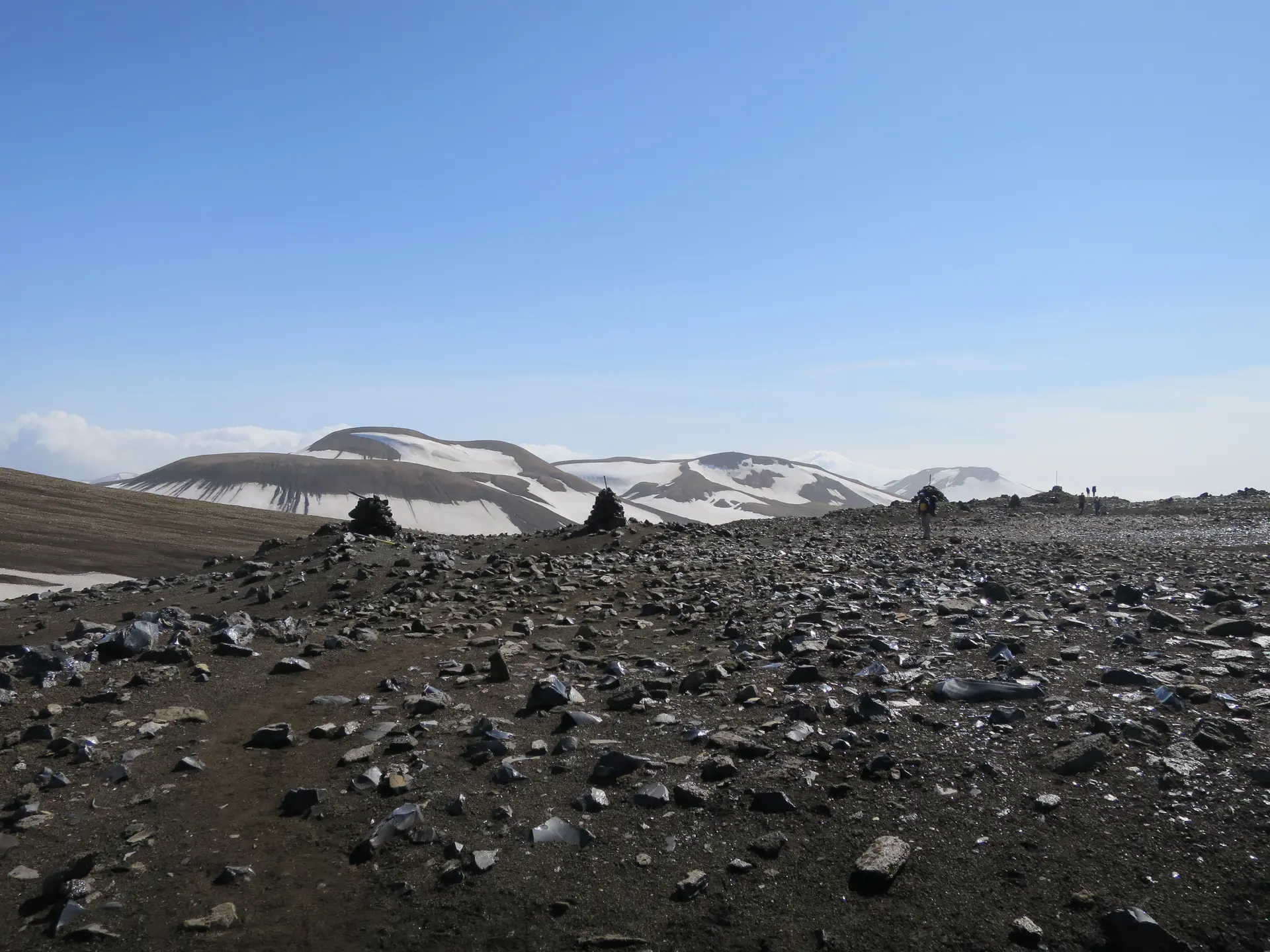
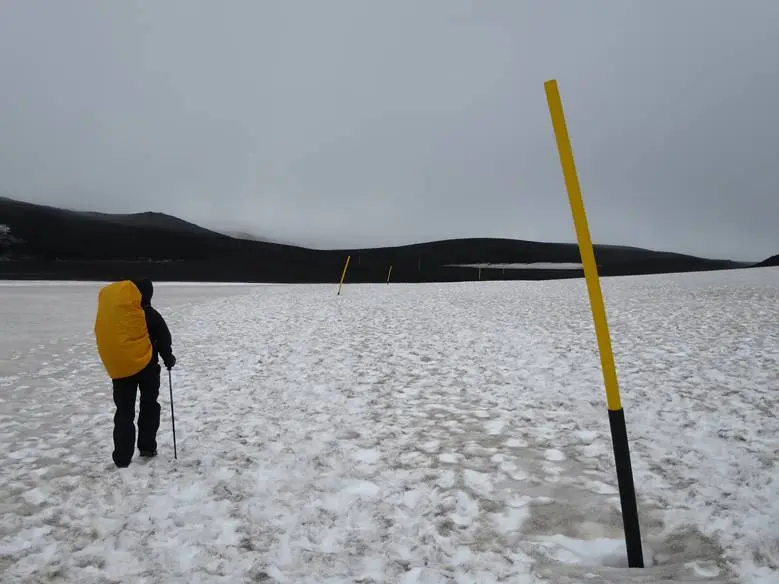
    The final stage between Thormsork and the sea is quieter and more exposed in its first part: higher ground, harder effort, more weather exposure, large yellow posts for navigation in fog, and several glacier tongues to cross. It is a big day. Avoid it if unsure of your abilities or if the weather really deteriorates. Some allow 2 days.

    The trek therefore takes 4 to 6 days.

    Direction: generally inland to the sea, starting at Landmannalaugar, with more descent than ascent. You can also reverse it and spend time in Landmannalaugar, as described below.

Starting at Landmannalaugar:

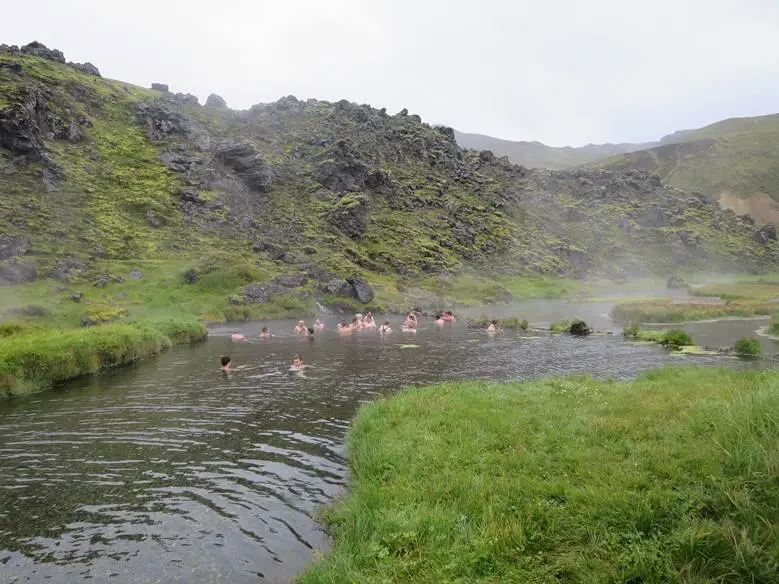
You will not feel alone at base camp, but the magnificent hot-water river is big enough for everyone. Bathing is delightful, and you can move around to choose your temperature: warm, hot, very hot or lightly cooked… The surroundings are fabulous and deserve an initial walk.

Here are the first 4 classic stages. Each reaches a hut for sleeping indoors or camping. They are not very long, but do not underestimate the possible weather impact, river crossings with their undressing and dressing ritual, or time spent admiring scenery and saying “wow!”

Stage 1: Landmannalaugar - Hrafntinnusker

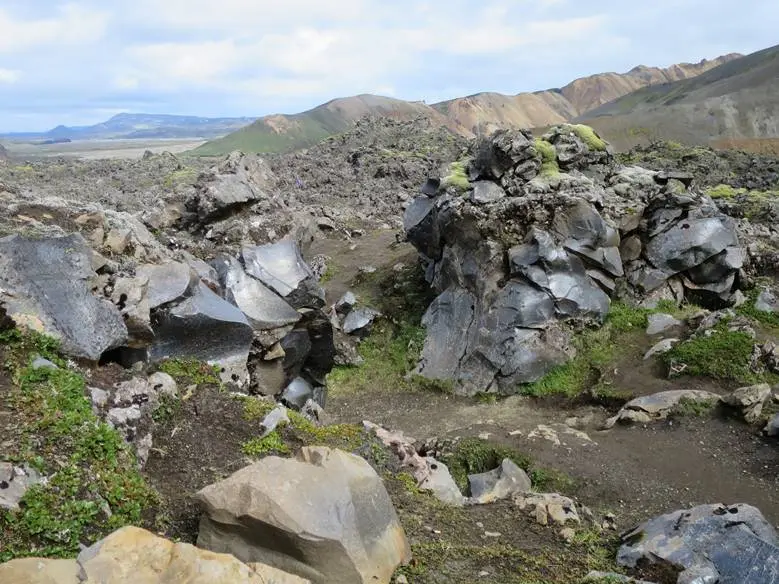
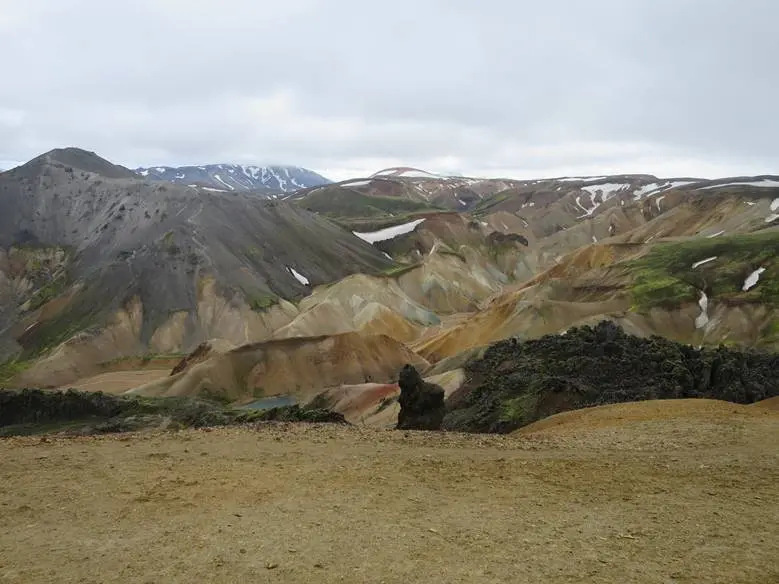
The wildest colour palette of the entire route. A proper geology lesson would help explain how it is possible. And black obsidian shining in the sun. Something for everyone.

Stage 2: Hrafntinnusker - Alftavatn 

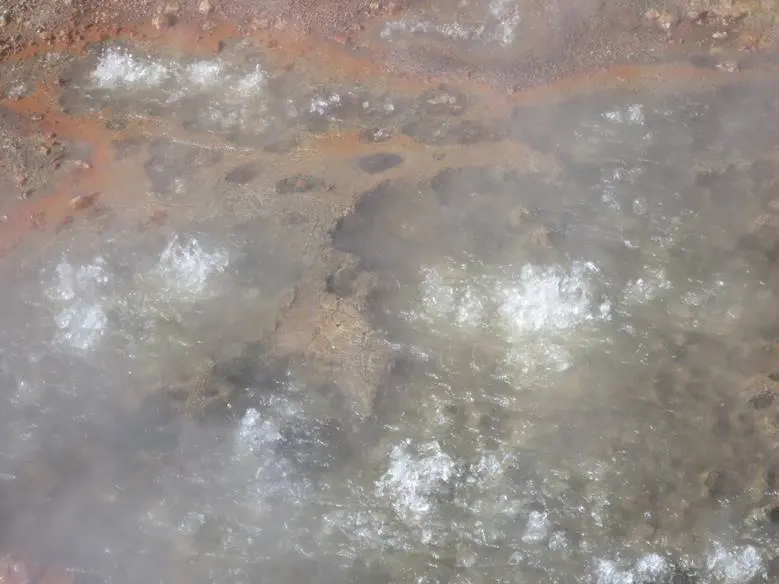
Fumaroles and bubbling pools, but also glaciers, lakes, black earth dotted with volcanic rocks and improbable flowers. Wow!

Stage 3: Álftavatn - Emstrur

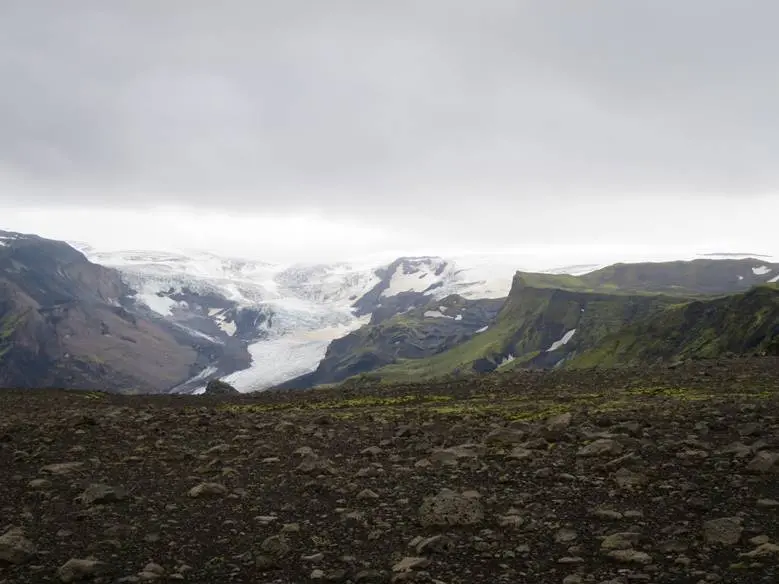
Among today's sights is a deep, multicoloured canyon followed near the end. Glaciers on the horizon. The renewed “joy” of fording streams…

Stage 4: Emstrur - Thorsmork

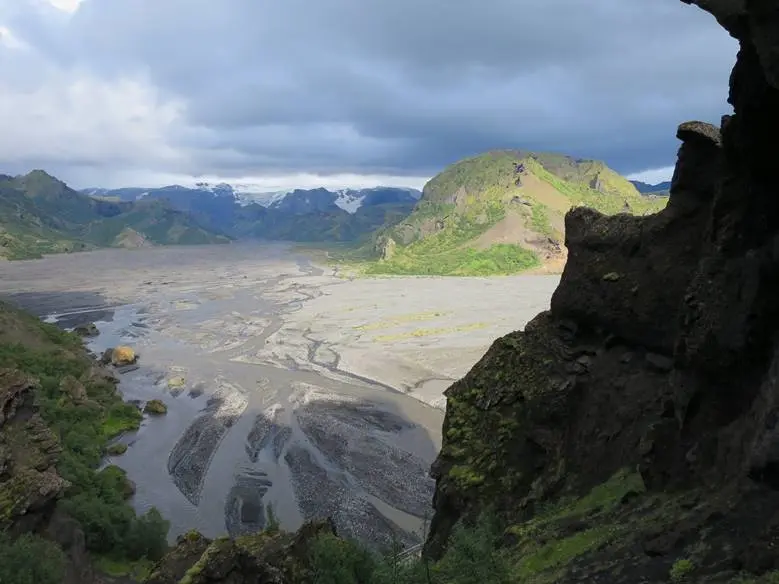
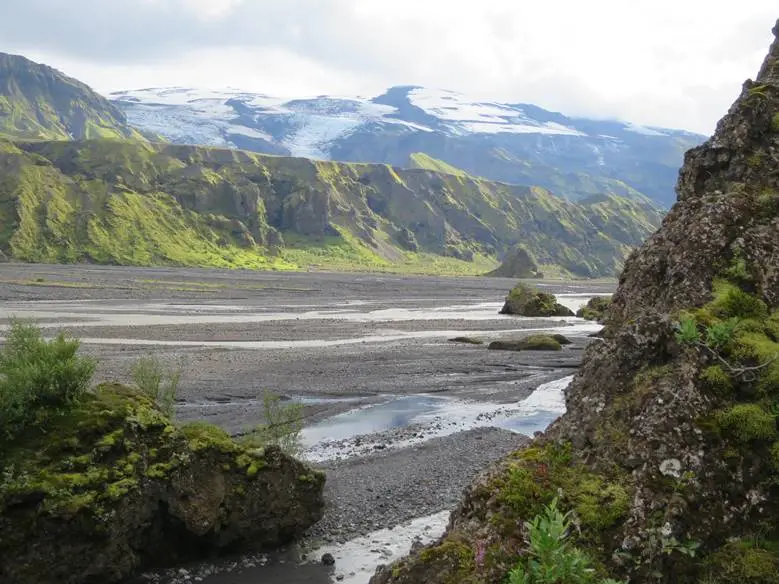
Around Thorsmork the scenery changes again, with unusual birch vegetation, followed by a riverbed as wide as a delta. If you have time, on the other side is a canyon whose vertical walls are completely carpeted in greenery.

Final stage: stop or continue?

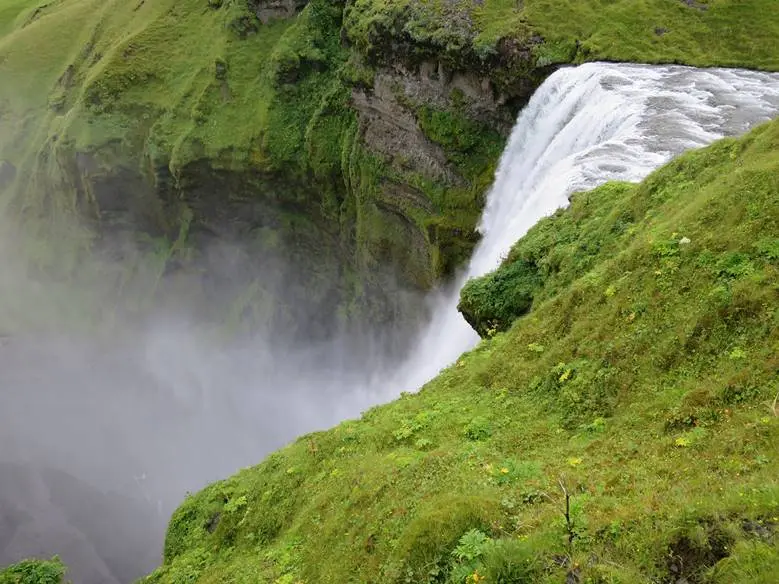
You can stop at Thorsmork and catch the bus, as many do. But this final stage is magnificent: a substantial 900 m ascent between glaciers, Fimmvorduhals pass, then a descent alongside 900 m of ever more impressive waterfalls. It ends at the enormous Skogafoss waterfall (62 m) and the coast. Different again, and so spectacular!

It is, however, a big hiking day, with a more demanding and exposed first section than the rest: climbing between glaciers, with yellow posts marking the way. Some do it in 2 days, totalling around 27 km with +1,100 m / -1,300 m. I have done it twice, each time in one long day, helped by the long daylight hours.

The choice is yours…

Receive RayonRandoZine:

Clear, concise articles:

  • Practical advice
  • First-hand experiences
  • Technical advice
  • Route guides & destinations
  • Books on hiking and long-distance journeys...

Subscribe!

You will receive 1 free magazine a month for 12 months.

No advertising. No marketing emails.

We would like your feedback:

If you have 3 minutes, tell us what you thought of this issue. It will help us improve future issues: Share my feedback

Product comparison
Compare
Rayon Rando advice