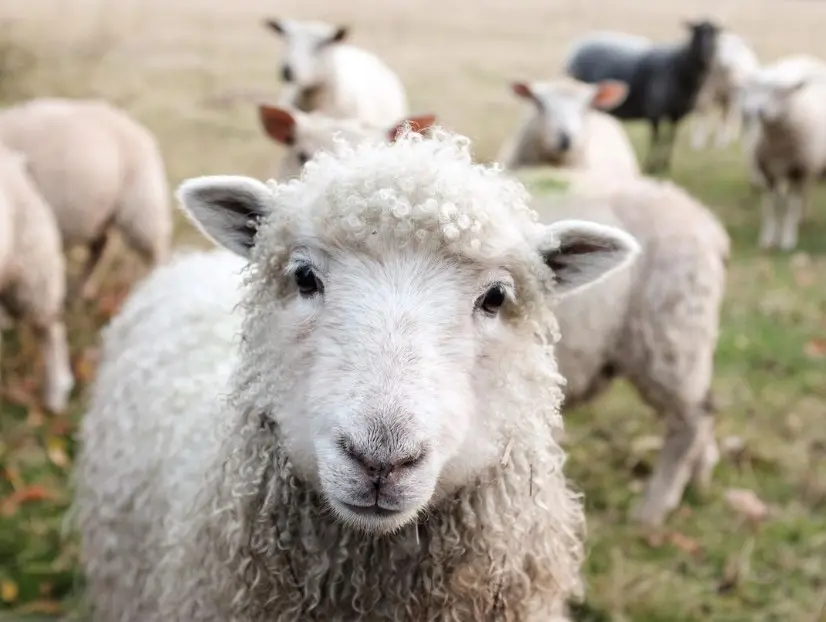
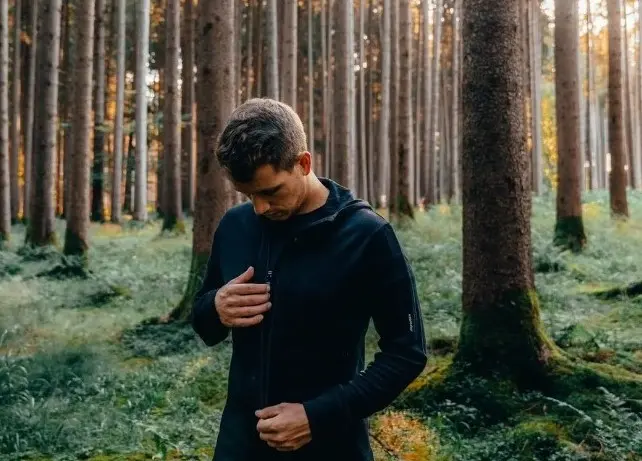
Merino wool for hiking: what are the benefits?

Discover why merino wool is ideal for hiking: temperature regulation, odour resistance and softness.

Socks, underwear and T-shirts: merino wool is a particularly popular hiking base layer. Hiking in cold or hot weather? Going for several days with limited changes? Want comfort during exercise and at rest? Merino wool ticks many boxes for hikers. But it also requires some precautions in use.

A brief overview of this popular natural material in 4 questions:

  • What is merino?
  • Where is merino used in hiking clothing?
  • What are the benefits of merino wool for hiking?
  • What are its limitations and precautions for use?

[Read more...]

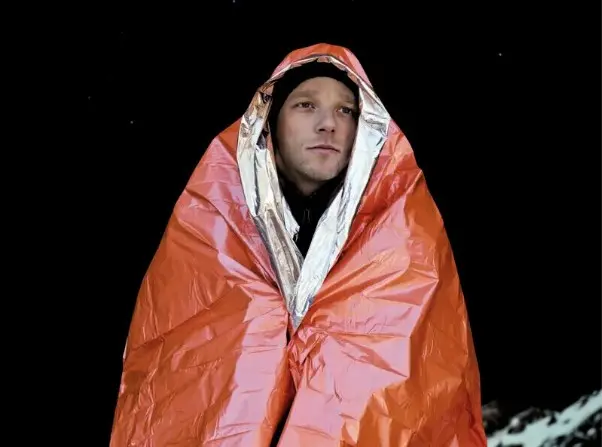
Sleeping warmly in survival situations: common mistakes and how to avoid them

Sleeping warmly in survival conditions depends on technique, not luck. Whether a hiker is caught by the cold or faces a genuine emergency, managing thermal insulation becomes essential to avoid hypothermia.

Night-time warmth rests on a precise balance: ground insulation, wind protection, moisture management and sufficient energy intake. Here are the most common mistakes and, above all, how to correct them effectively.

Why do you get cold at night in survival situations?

Before seeking solutions, understand why the body cools so quickly when sleeping outdoors.

The 4 mechanisms of heat loss

The human body loses heat in four main ways:

  • Conduction: contact with cold ground. This is the greatest loss when wild camping. Even in summer, the ground continuously absorbs body heat.
  • Convection: wind replaces the warm air around you, accelerating cooling.
  • Radiation: you naturally emit heat into your surroundings.
  • Evaporation: moisture from perspiration or condensation consumes heat energy as it evaporates.

In survival situations or cold-weather camping, conduction and convection are the two main enemies to control.

Another major factor is ambient humidity. At the same sheltered temperature, damp cold feels harsher and is harder to combat than dry cold.

Why night is more dangerous

At night, several factors combine:

  • Falling air temperature. Particularly in mountains, reversing thermal air currents bring cold air down from higher ground, potentially causing a sharper temperature drop than in flat areas.
  • Slower metabolism. The heart automatically slows when lying horizontally and during sleep.
  • No muscular activity, reducing heat production.
  • Lower energy reserves after long hours without food.

The body produces less heat while losses continue. This imbalance creates the problem.

Which temperature rating for your sleeping bag?

Whether sleeping on a boat, in a hut, in a hiking tent or under the stars, choosing a sleeping bag directly relates to the individual's warmth and comfort needs. During a visit to Rayonrando.com, our 1st step is to determine the sleeping bag temperature rating suited to you.

To choose the right sleeping bag temperature rating, RayonRando addresses 3 essential points:

  • What do the temperatures shown on a sleeping bag mean?
  • How do I distinguish my actual needs from the stated temperatures?
  • How do I choose the temperature rating suited to my actual needs? 

[Read more...]

Receive RayonRandoZine:

Clear, concise articles:

  • Practical advice
  • First-hand experiences
  • Technical advice
  • Route guides & destinations
  • Books on hiking and long-distance journeys...

Subscribe!

You will receive 1 free magazine a month for 12 months.

No advertising. No marketing emails.

We would like your feedback:

If you have 3 minutes, tell us what you thought of this issue. It will help us improve future issues: Share my feedback

Product comparison
Compare
Rayon Rando advice