





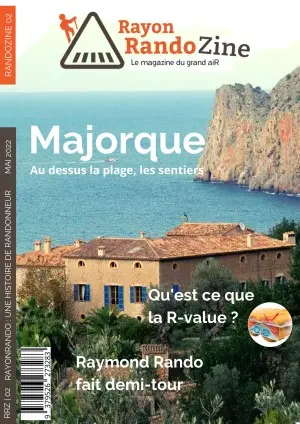
Contents no. 2 - May 2022:
Mallorca: trails above the beaches.
What is R-value?
Raymond Rando turns back.
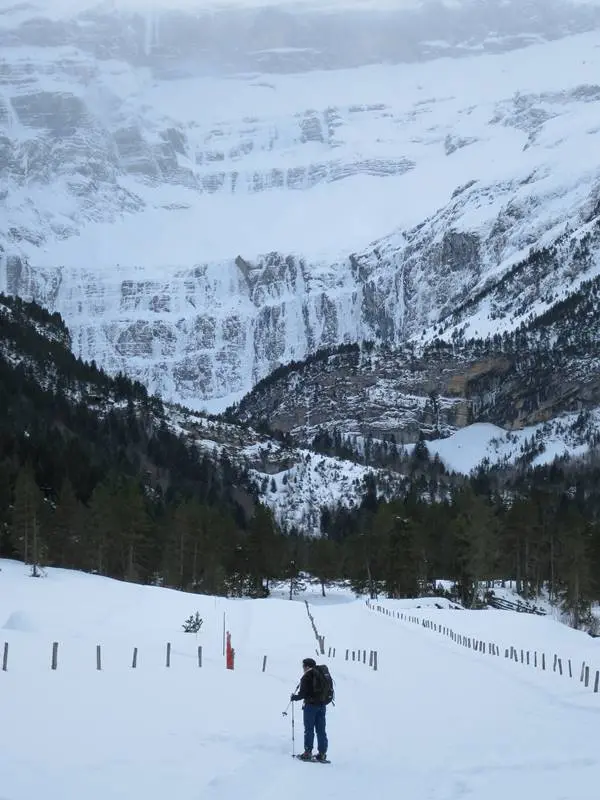
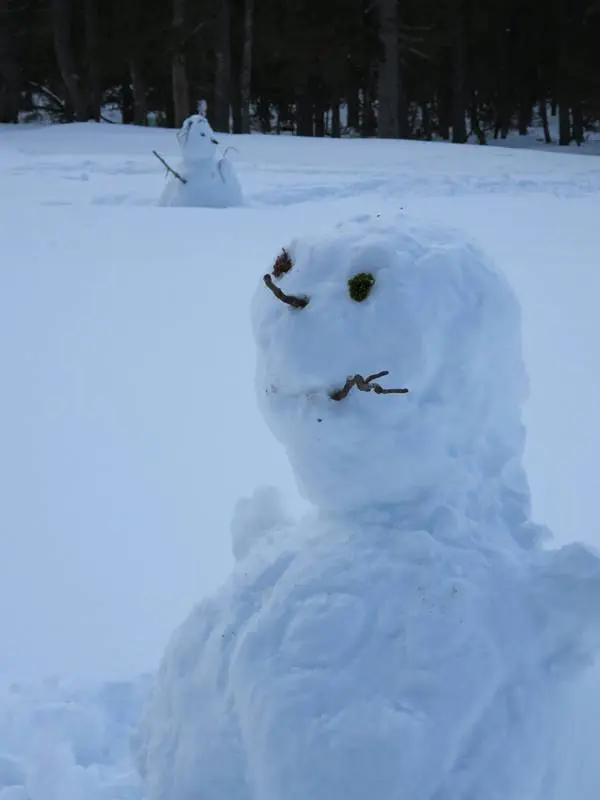
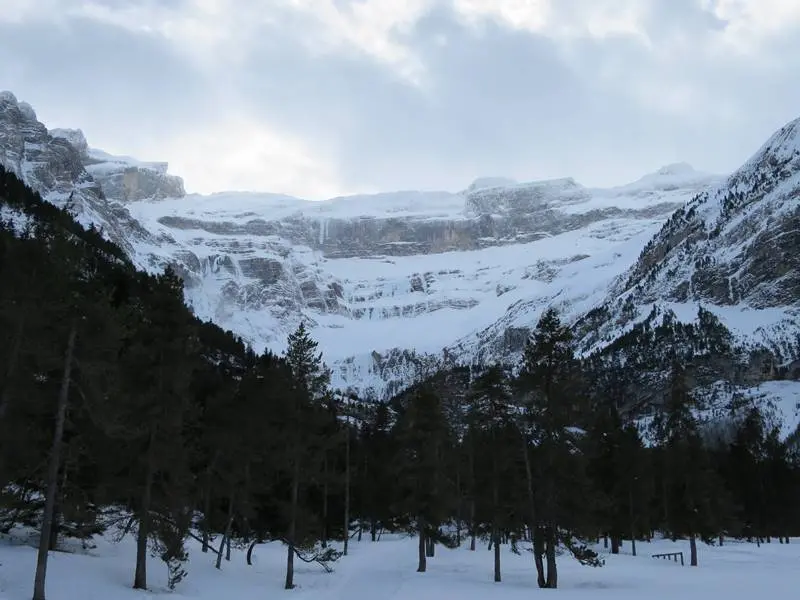
Photo portfolio: Gavarnie in winter.
 Mallorca:
trails above the beaches
Why go there?
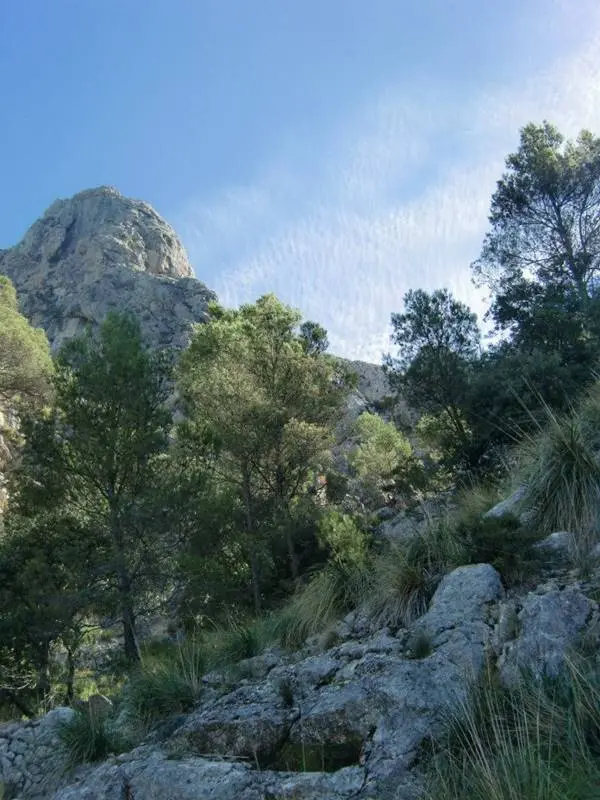
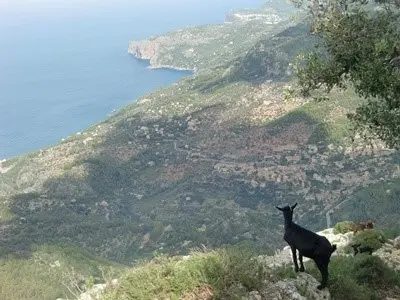
Does Mallorca bring to mind only sunshine, beaches and built-up coastlines? That would be a very limited picture. There are mountains overlooking the sea, turquoise-water coves, beautiful towns and villages, and works by artists from the 20th century and today. There is plenty to do!
It is also a lovely hiking destination in autumn and spring. The beautiful Serra Tramuntana range rises to only 1,400 m, but when you start at sea level, there can still be some substantial climbs.
The island is well suited to a mixed holiday: half hiking, half sightseeing and wandering. You can explore while largely avoiding the overcrowded, built-up coastlines. We divided our time between hiking in the Sierra Tramuntana, visiting Palma and exploring the north of the island.
And the food is good too: fish, seafood, tapas, there is plenty of choice. Mallorcan wine is rather powerful, but tastes differ…
 What is R-value?
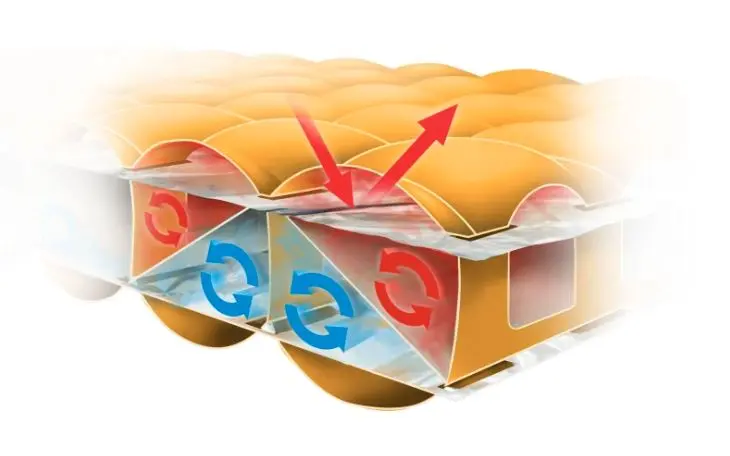
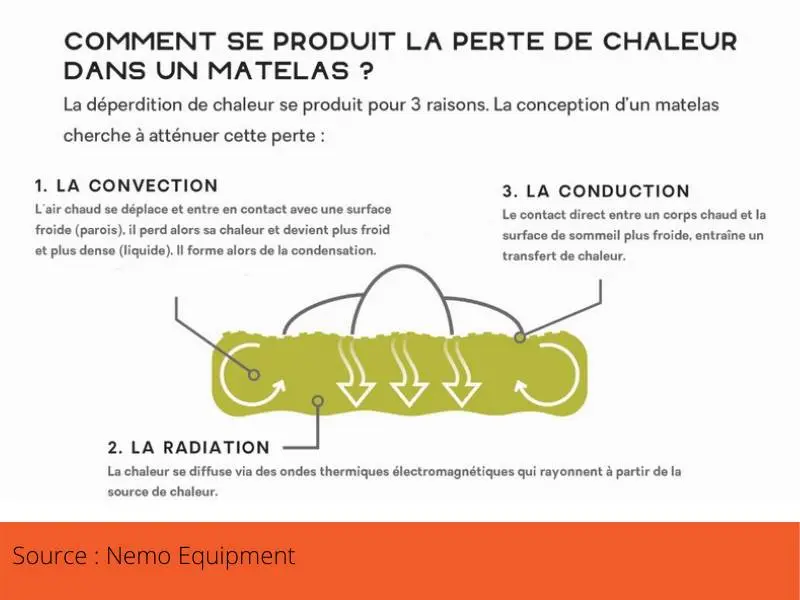
We are talking about sleeping mats, whether inflatable, foam or self-inflating, and insulation. R-value measures a sleeping mat's thermal insulation against the ground. Please note that a well-insulated mat does not warm you up but reduces heat loss from your body to the ground.
I explain how it is measured and how to use it.
To begin, here is a small diagram summarising how heat can be lost to the ground:
Read more
 Raymond Rando turns back.
Raymond Rando! Behind this superhero name is a flesh-and-blood person: a hiker! Strong but sensitive, brave but not reckless, he readily shares his experiences. Because every hiker has a Raymond Rando inside, trying to find their way...
Today, Raymond Rando turns back:
Overcoming my natural reserve, I have decided today to discuss a hiking taboo: turning back. Yes, it has happened to me too. More than once…
Some turnarounds, diversions and changes of plan:
I will not tell you everything, but here are a few examples of when I decided to turn back and change route:
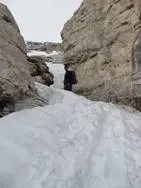
- In Tyrol, a superb route follows a rocky gully equipped with cables. When we come into view of it, a very steep wall of snow covers both rocks and cable. Without the necessary equipment, we take a different route.
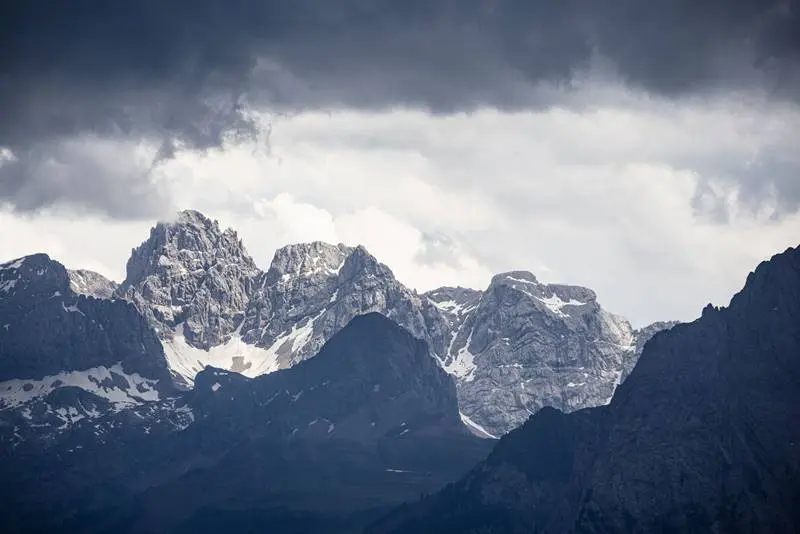
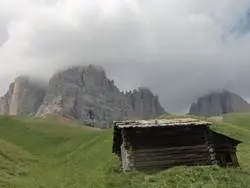
- In the Dolomites, we are due to climb and cross one of those superb block-shaped rocky massifs. From a distance, we can clearly see a hefty thunderstorm trapped against the mountain; we stay below and go around it.
- Iceland is paradise, apart from the wind. It blows so hard that we have to shelter behind a bank. Next comes a beautiful ridge path. Immediate take-off? Never mind: we turn back.
- In the Picos de Europa, my companion's thigh can no longer keep going. This time, the trek is over.
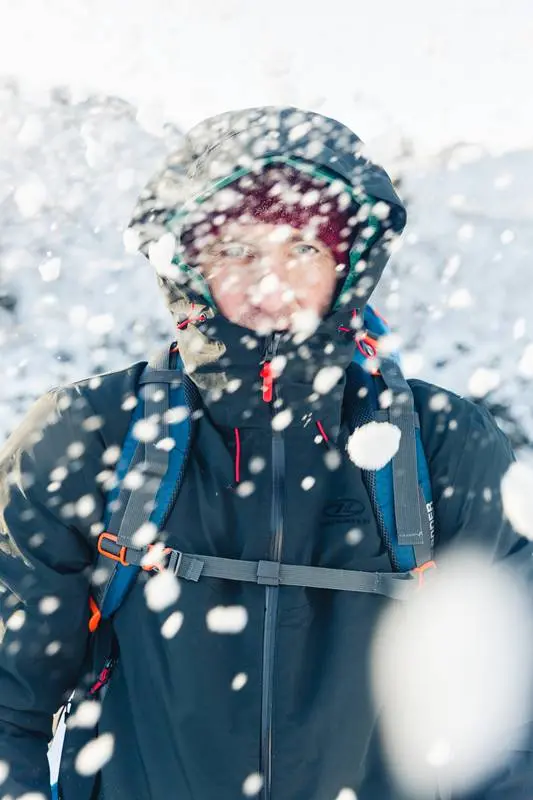
- In Norway, in rain and snow, my partner is so chilled that she can barely move, leaving us around 25 hours from our planned overnight camp. We descend as quickly as possible to a road accessible to vehicles, where a car saves the day and takes us back towards our route. One day's rest and we set off again, refreshed, on a slightly altered route.
- In Corsica, this time we learn before setting off that the Cirque de la Solitude and the Brèche de Capitello are closed because of excessive snow. We completely revise our original route.
Bad reasons not to turn back:
And yet, turning back is something I do not want to do!
There are certainly plenty of bad reasons not to turn back:
- My ego: in my own eyes, those of my friends or the people with me. What would I look like?
- Self-deception: “We have come too far to give up!” As though the danger ahead should be downplayed because of the effort and time already spent getting here.
- Sticking to the “plan”: “I said I would do the GR20, so I am not taking an alternative route. Besides, we will not have time to do everything!”
Mastering the art of turning back (and avoiding the need to):
Yes, it can be done! By working on a few points:
- Mindset: a route is a provisional plan, not an imperative for a successful life. Remember: you are on holiday! Sometimes you only need to shorten one day's walk to recover and set off again on the right foot. And a safer, quieter alternative can be pleasant too.
- Recognise danger as it approaches: difficult passages, threatening or uncertain weather, a hiker's physical condition, unsuitable equipment or broken gear. A good idea: talk to people you meet to find out what lies ahead.
- Plan ahead: consider possible setbacks (besides identifiable hazards, there are unpredictable factors: weather, unfamiliar terrain, uncertainty about your fitness or your companions' experience). Study alternative options, variations or other routes. One suggestion: a paper map is useful for its wider view of the mountain range and possible paths, rather than just a route marked on a GPS.
Ultimately, turning back when necessary may be the secret to a successful holiday. And it means you can look forward to your next hike with peace of mind.
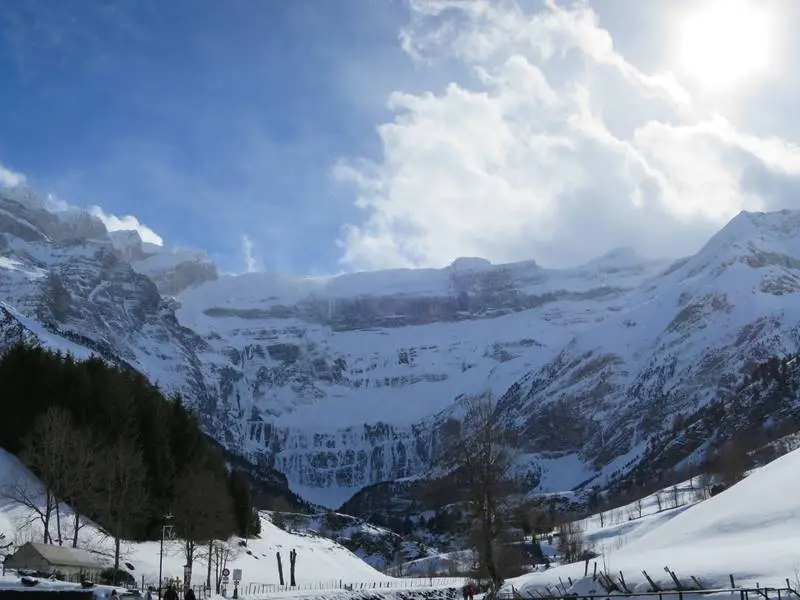 Photo portfolio:
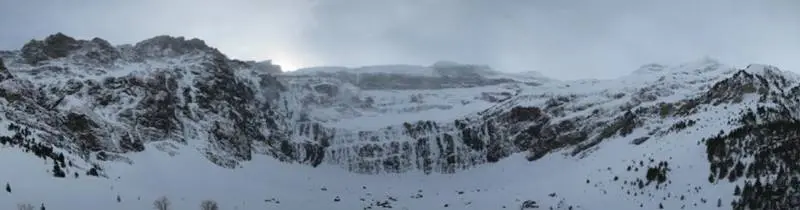
Gavarnie in winter
In RayonRandoZine no. 1, we told you about the cirques of the Hautes-Pyrénées, such as Gavarnie, Troumouse and Estaubé.
I recommended Gavarnie in winter. Here are a few photographs.
We would like your feedback:
If you have 3 minutes, tell us what you thought of this 2nd issue. It will help us improve future issues: Share my feedback
Coming next:
Here is what we are preparing for the next issue:
- Hiking around Briançon
- Low-cut shoes or high-cut boots?
- Adjusting your backpack
Receive RayonRandoZine:
Clear, concise articles:
- Practical advice
- First-hand experiences
- Techniques
- Route guides & destinations
- Hiking and long-distance travel literature...
You will receive 1 free magazine a month for 12 months.
No adverts. No marketing emails.