





Passing a flock guarded by a livestock guardian dog on a mountain hike is an enjoyable moment for some, while others dread being near animals that can reach our height. Often, however, it is the guardian dog's presence that causes fear.
This fairly common mountain situation raises important questions for hikers encountering a livestock guardian dog:
- How does a livestock guardian dog differ from a pet dog?
- Why is a guardian dog present among the flock?
- If it runs towards us barking, is it dangerous?
- What should I do if I meet one?
We answer these questions to dispel misconceptions and help make the encounter a calm one.
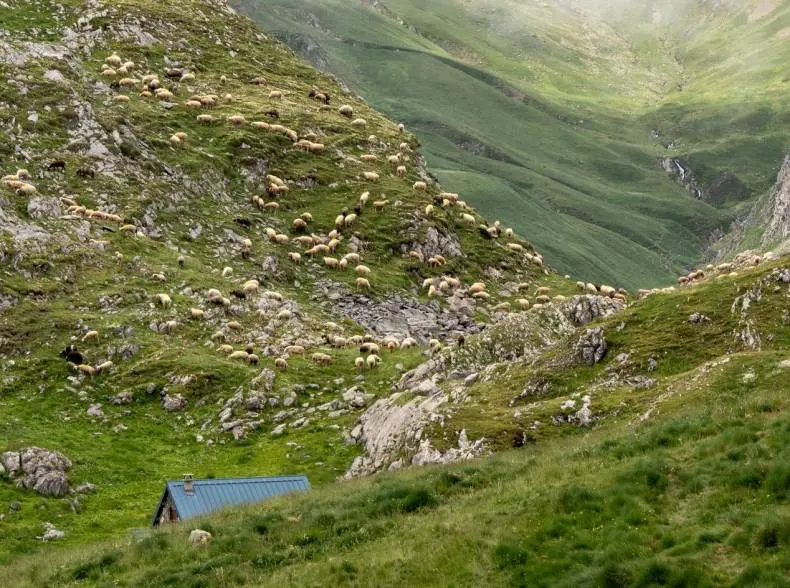
How does a livestock guardian dog differ from a pet dog?
Its main difference is its remarkable ability to protect the flock, partly inherited but mainly developed through its bond with the flock and training by the farmer or shepherd.
A guardian dog bonds with its flock from a very young age. Born and living among the flock, it forms an emotional bond and naturally wants to defend its family.
Guardian dogs are also very independent, unlike herding dogs that follow the shepherd's every instruction. This bond and independence often make intervention difficult for the shepherd during a confrontation.
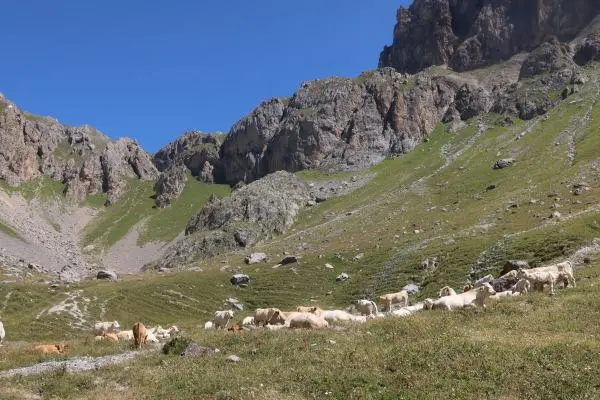
Why is a guardian dog present among the flock?
You will sometimes meet flocks without any dogs. In many cases, however, mountain guardian dogs watch over their flock day and night. They are there to keep the flock safe, not to attack everything that moves.
The flock often represents a farmer's whole life. Every animal has both financial and emotional value. Losing animals can seriously affect their livelihood and life. Explore our detailed resources to understand livestock guardian dogs better.
Threats to a flock are varied: bears, wolves or people. Keeping the flock safe and calm around these predators is vital. Guardian dogs fulfil this role. To a predator such as a wolf, a flock represents so much food that excitement can lead it to kill far beyond its needs. Farmers need guardian dogs to deter predators and protect the flock.
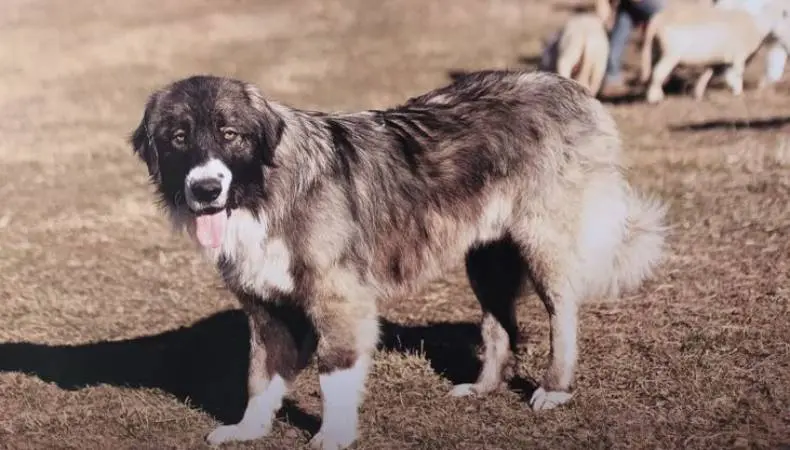
If it runs towards us barking, is it dangerous?
Impressive though they are, guardian dogs such as the Pyrenean Mountain Dog (Patou), Kangal or Anatolian Shepherd are trained to deter intruders from approaching, rather than to attack.
They are therefore neither attack dogs nor pets. Do not try playing fetch with one if you thought that might lighten the mood…
Their imposing build alone deters potential predators or intruders. However, if someone gets too close to the flock, they must react with powerful barking to stop the approach. The guardian dog indicates a boundary not to cross.
A direct confrontation may occur only if the intruder continues towards the flock or acts aggressively.
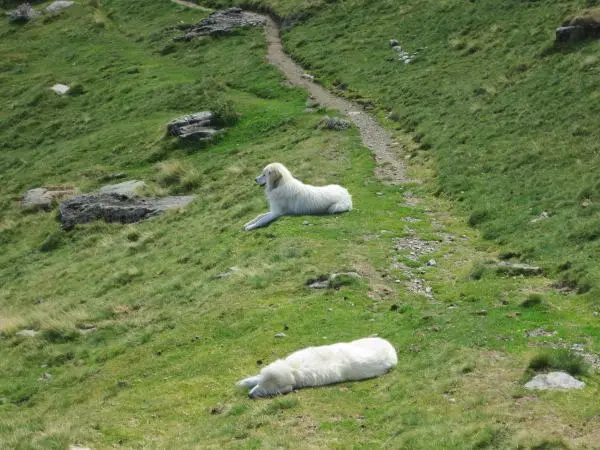
What should you do if you encounter a livestock guardian dog?
Most accidents result from inappropriate human behaviour towards the dog.
From first seeing the flock to a possible encounter with its dog, follow this behaviour to continue your hike calmly:
- Give the flock as wide a berth as possible. This often avoids confrontation. Occasionally leaving the beaten path can be enjoyable too.
- If going around is difficult, make the dogs aware of your presence. They work actively at night and sometimes need daytime rest, so avoid startling them asleep. Making yourself heard from a distance will not cause panic. The dog will bark and approach you.
- Remember this large dog comes to deter but also identify you. It can distinguish whether you are a threat.
- As the dog approaches, stop and face it, but avoid eye contact, which may be seen as a challenge. Speak calmly, acknowledging its protective work. To stay calm and maintain distance, put an object between you and the dog (jacket, cap, etc.). Holding it towards the dog allows contact through the object rather than directly with you.
- The dog will eventually recognise you as no threat and calm down. Then continue calmly.
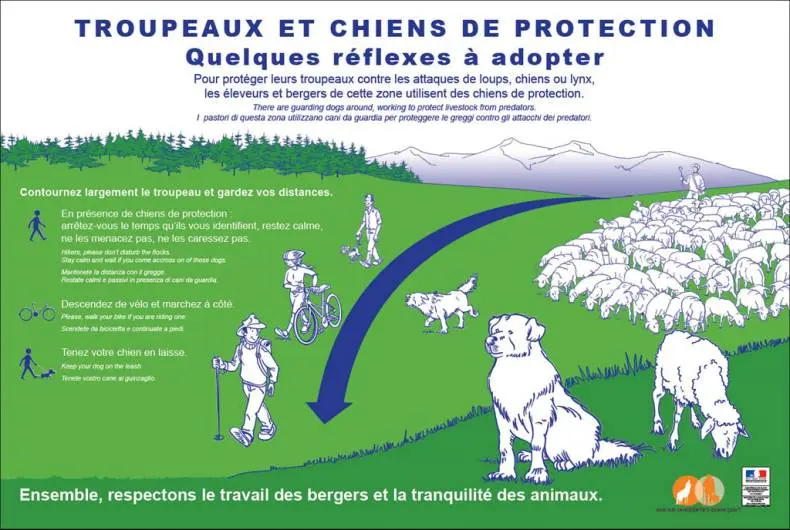
Also avoid the following behaviours, which risk confrontation:
- Walking towards the dog
- Throwing stones
- Shouting while staring at the dog
- Brandishing a stick threateningly
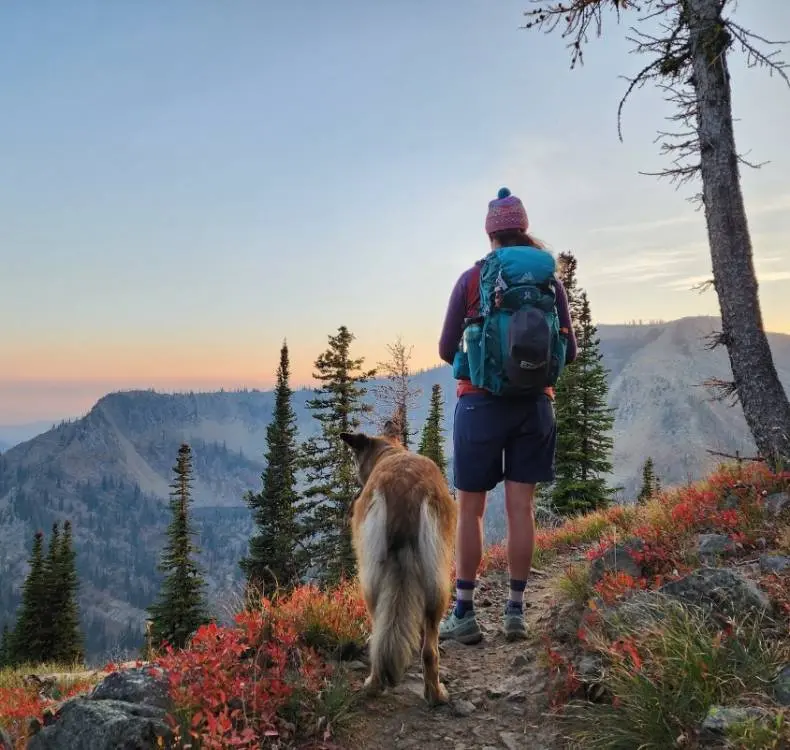
What if I am hiking with a pet dog?
A guardian dog may see your dog as a predator. Keep your dog on a lead, then release it if interaction occurs with the guardian dog. They will resolve the situation between themselves.
What if I must approach a flock without a guardian dog?
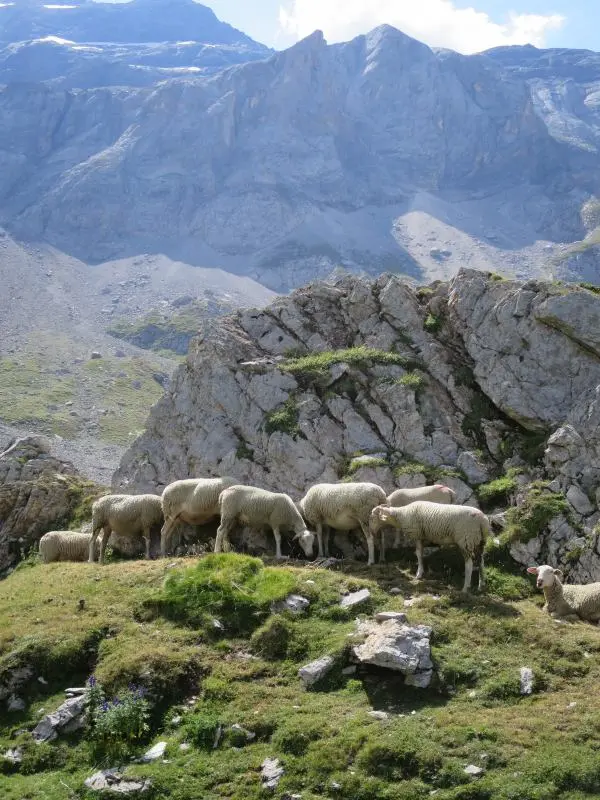
With or without a guardian dog, remember that livestock dislikes being stressed.
Walk calmly, go around if possible and avoid surprising them. Some situations require extra vigilance:
- A bull present: give it a very wide berth.
- A cow with a calf: go as far around as possible.
Conclusion:
Meeting a guardian dog and flock is likely to go well when you understand why the dog is there, how it behaves and how to act.
Calm, composed, appropriate behaviour helps hiker and animal understand one another and avoids tension. Show that you are a peaceful, respectful hiker simply passing through.
You can, however, look the shepherd in the eye without offering your cap: if not busy, they generally enjoy a chat.
FAQ
What is the best livestock guardian dog breed?
Effective breeds include the Pyrenean Mountain Dog (Great Pyrenees), Turkish Kangal and Anatolian Shepherd. Choice depends on terrain, livestock and local predators. Each has specific strengths: the Pyrenean excels in mountains, the Kangal offers considerable independence, and the Anatolian Shepherd combines strength and agility. Raising a guardian dog among the flock from an early age is essential to develop its natural bond.
How do you recognise a livestock guardian dog in the mountains?
Guardian dogs have imposing builds, stay near the flock and behave calmly but vigilantly. Unlike herding dogs that run to move animals, guardians remain around the flock and intervene to deter threats. They bark loudly to signal intrusion and adopt a defensive posture if you approach. A quick response and powerful bark are their main deterrents.
What should I do if a guardian dog charges directly at me?
Stay calm and stop immediately. Do not run or shout. Face the dog without eye contact. Speak soothingly and acknowledge its protective role. If possible, place an object (bag, jacket) between you and the dog. Move slowly away from the flock, backwards or sideways. In 99% of cases, the dog calms down once satisfied you pose no threat to the flock. Calm movements are essential for a safe encounter.
Can you stroke a livestock guardian dog?
No, this is not recommended.
Even if it looks calm:
- It is not a pet
- It remains constantly vigilant
- It may interpret the gesture as intrusive