The GR20 is often presented as Corsica's legendary hike, and even as one of Europe's hardest treks. Crossing the Isle of Beauty from north to south, walking its granite ridges and tackling technical stages inspires thousands of hikers every year.

But the GR20 has also become a victim of its own success. In peak season, huts and camping areas are fully booked. Trails can be very busy, and the experience is sometimes far removed from the solitary adventure imagined from the photos.

So hikers are increasingly asking: is the GR20 still worth walking today? Between a legendary trek and an overcrowded trail, here are the practical facts to know before setting out. At RayonRando, we also have our own, inevitably more subjective opinion, which we will share with you.

Has the GR20 become a victim of its success?

The GR20 attracts hikers from around the world every year. Its popularity has transformed some sections, occasionally bringing them close to saturation.

Very high summer visitor numbers: crowded camps and trails

Between June and September, GR20 visitor numbers rise sharply.

  • Crowded camps:

In July and August, huts are often full weeks ahead, and camping areas can also be saturated. The result is poorer service, noise and queues for showers…

  • Single file on the GR20:

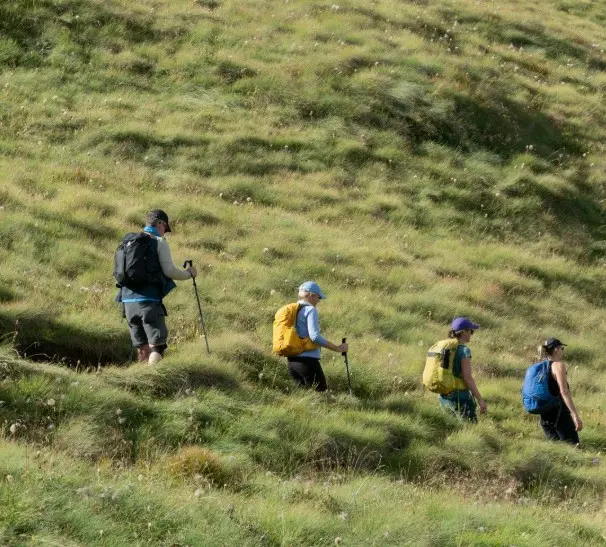
With everyone sleeping in the same place and many leaving early, the trail is congested from the morning start. Although the group spreads out, bottlenecks also form because of differing speeds and oncoming walkers, particularly on difficult or steep sections. This can create relatively dangerous situations on tricky ground or in deteriorating weather.

The result is an experience that sometimes feels less wild. The image of an isolated trek in the heart of Corsica's mountains does not reflect reality in high summer. For hikers primarily seeking tranquillity and the peaceful atmosphere of immersion in nature, this can come as a surprise.

The constraint of booking everything:

Camping near huts was already compulsory. For several years, reservations have also been mandatory at each camp, even to pitch your own tent. Unfortunately, we consider this understandable where overcrowding can damage nature through disturbance and litter, increase fire risks and endanger people.

But it has genuinely unpleasant consequences for trekking enthusiasts:

  • All accommodation must be booked well ahead.
  • Changing plans once there is almost impossible. Combining a short stage with the next, or staying put because of bad weather or fatigue, is not possible. You must cancel at least 48 h in advance, with bookings non-transferable and non-changeable, and hope space remains where you want to sleep. In short, you cannot adapt your route in the field.
  • Your stages are therefore dictated by official camps. You cannot plan around your pace and preferences, except by completing 2 stages in 1 day.
  • The cost of huts, but especially camping: €12 per person, or €24 for a 2-person tent. This seems high for permission to pitch and use washrooms, when wild camping elsewhere is generally free.
  • Incidentally, arrive early if you want to choose your pitch.

The huts are managed by the regional natural park. There is just one booking website: https://pnr-resa.corsica/

Much depends on the season

Visitor numbers vary considerably through the year. June or September can be quieter. Some stages also remain relatively wild, away from the most popular areas.

Despite its popularity, the GR20 continues to attract walkers for one simple reason: it is an exceptional hike.

Why do we still want to go? The GR20 remains iconic

The GR20 fascinates so many hikers for good reason. Few routes offer such a complete mountain experience.

A spectacular crossing of Corsica

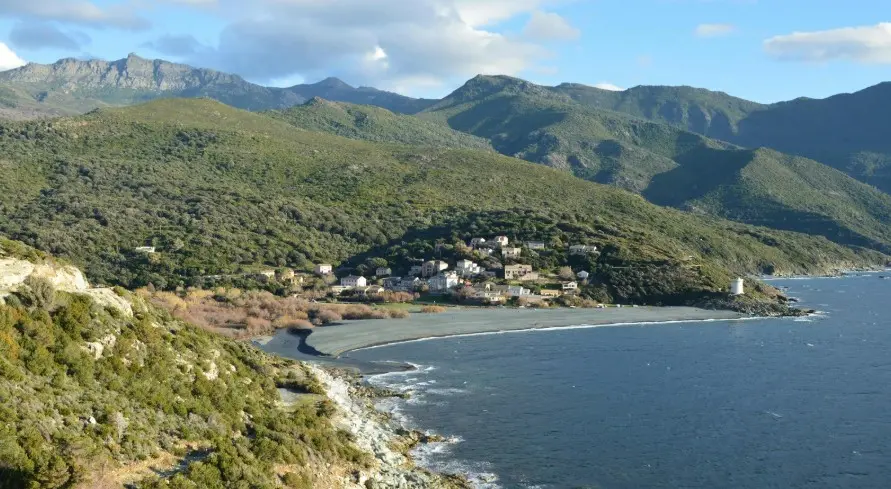
The GR20 crosses the Isle of Beauty from north to south over around 180 kilometres. The trail often follows ridges, offering impressive views of Corsica's mountains and sometimes the sea.

The stages bring highly varied landscapes:

  • rocky ridges
  • high-altitude lakes
  • pine and beech forests
  • high plateaux
  • summits with 360° views.

This landscape variety, alternating high mountains and gentler pastoral settings, greatly contributes to the GR20's reputation.

A demanding, committed trek

The GR20 is also known for its significant elevation gain, with over 10,000 metres of cumulative ascent over the full route. The terrain is often rocky and requires care, particularly in the northern section.

For many hikers, completing the entire GR20 is a real challenge.

A trek that remains exceptional

The GR20 remains remarkable. Its scenery, technical terrain and full crossing of Corsica make it a unique French adventure.

The GR20 also has a distinctive atmosphere. Huts bring together hikers from across Europe. Evenings sharing meals or discussing the next day's stages form part of the experience.

For many hikers, the GR20 leaves a lasting memory.

GR20 difficulty: myth or reality?

The GR20's reputation as one of Europe's hardest hikes is widespread. But some walkers wonder whether it is exaggerated.

So, is the GR20 overrated?

Demanding terrain and technical passages

The difficulty is real, but deserves nuance.

The trail includes:

  • rocky passages
  • scree
  • steep climbs
  • some sections with chains or cables.

Successive stages and daily elevation changes can also be taxing, especially with a loaded pack.

At RayonRando, we think it is primarily the sometimes very stony terrain that can wear down your legs and body when the sun beats down. And do not be surprised: your footwear will experience unusual wear here.

A difficulty sometimes exaggerated

However, the GR20 remains a well-waymarked, well-organised and well-documented route. Huts are spaced regularly along it, and water sources are relatively plentiful (except late in the season). The route and logistics are therefore straightforward to organise. Many stages are fairly short (to the point that experienced hikers combine some of them).

For a fit hiker accustomed to mountains, the GR20 is demanding but accessible. The GR20 is a physical trek, not an extreme expedition.

A warning for beginners!

Some hikers may reinforce this difficult reputation: those choosing to “do” the GR20 as a challenge, as others want to “do” Mont Blanc, without solid experience of self-sufficient trekking. For them, it can be genuinely gruelling and justify the GR20's reputation.

When the GR20 may disappoint

The GR20 is not necessarily ideal for every type of hiker.

It may disappoint if:

  • you want an isolated hike, feeling far from the world
  • you want several days without meeting many other walkers.
  • you want to disconnect from ordinary social life and find silence and tranquillity.
  • you can only travel in peak summer
  • you dislike the sometimes lively atmosphere of shared huts and camps.
  • you want freedom to camp where you like and adapt your route and stages to preferences and conditions.

In these cases, the experience may differ from your expectations.

How to avoid crowds on the GR20

Despite the GR20's heavy use, there are several ways to enjoy the trail more.

Choose the right period

Numbers vary greatly by month. June and September are often considered the most pleasant, with generally good conditions and fewer people than during summer holidays. Even so, it remains busier than elsewhere, with potential late snow in June and drought in September.

Adapt your stages

Many hikers follow classic guidebook stages. Slight route adjustments through alternatives or combined stages can avoid groups and bring you to huts earlier.

To identify the “official” stages, consult the regional natural park website: https://www.pnr.corsica/fr/randonnees-decouverte/gr-20-fra-li-monti

Leave early in the morning

An early start lets you enjoy mountain tranquillity. Temperatures are more pleasant and technical sections often quieter. However, you will never be the only ones with this idea.

An alternative to the GR20? Corsica, of course!

Want to discover Corsica's magnificent scenery peacefully, on quiet paths? Good news: it is easy. Walk any Corsican trail except the GR20!

There are many: the Mare a Mare and Mare e Monti, of course, but also local paths.

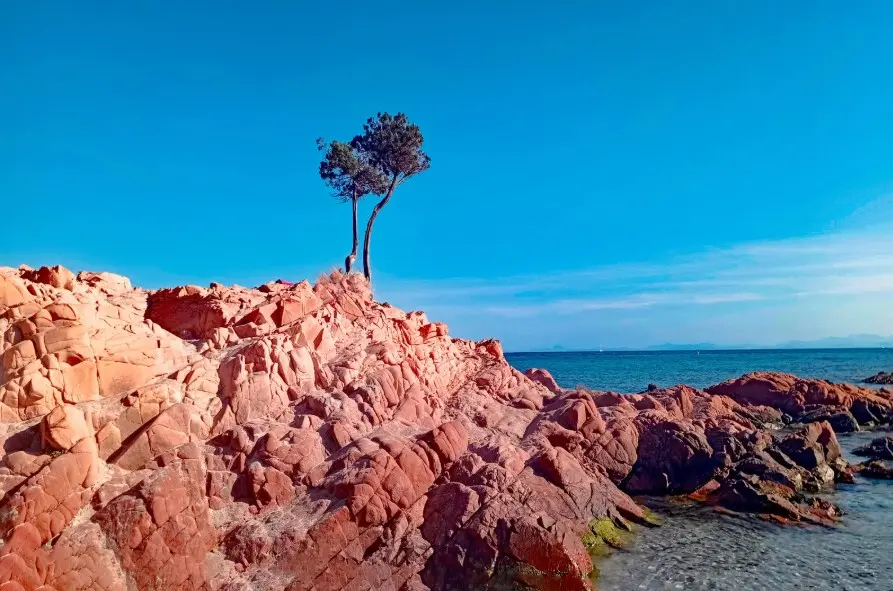
During a Corsica trip originally planned on the GR20, a RayonRando team hiker revised the route because of late snow in early June. The result was a route from the Calanques de Piana on empty paths, fully enjoying the landscapes.

To learn all about these Corsican alternatives to the GR20, read our article: “Corsica: much more than the GR20”.

Those determined to walk the GR20 can combine selected GR20 sections with other, largely overlooked paths.

Alternatives to the GR20 for a wilder experience

For quieter but demanding treks with superb landscapes, many other routes are no further away than Corsica.

For example:

  • The GR54 – Tour de l’Oisans et des Écrins, a very demanding Alpine trek
  • The Dolomites, fabulous, utterly distinctive landscapes, with some technical but well-waymarked sections. Discover more in our article: The Dolomites are fantastic
  • Iceland and the Landmanalaugar trek, fascinating landscapes and a clearly defined route. On this subject, read our article “Iceland…”
  • The Selvaggio Blu in Sardinia, a very demanding, wild trek.

These routes offer a different but unforgettable and quieter experience…

Conclusion

The GR20 remains one of the most impressive hikes in France. Crossing Corsica offers spectacular scenery and a rewarding physical challenge for hikers.

But one reality must also be accepted: the trail is now very busy, particularly in high summer, which affects the experience and constrains planning. Your experience therefore depends greatly on your timing and expectations.

If you dream of an iconic trek, the GR20 is still worthwhile. If solitude and full immersion in nature matter most, other routes in Corsica or elsewhere may better match your idea of adventure.

At RayonRando, trekking and wild camping mean some solitude, tranquillity and few constraints. We love Corsica but prefer parallel paths. You need not “do” the entire GR20 to discover the island fully. Combining other trails with selected GR20 sections seems an excellent option.

FAQ

Is the GR20 really Europe's hardest hike?

The GR20 is often presented as one of Europe's hardest treks, mainly because of its technical terrain and significant elevation gain. Stages often include rocky sections, scree and steep climbs. However, this reputation is sometimes exaggerated. The route is well waymarked, huts are regularly spaced and logistics remain manageable. For a fit hiker accustomed to the mountains, the GR20 is demanding but entirely achievable with good preparation. Bear in mind, however, that the combination of stony terrain and heat can be physically taxing.

How long does it take to walk the GR20?

Following the “official” stages, the full GR20 crossing takes 16 days along the classic stages between Calenzana and Conca. Some experienced hikers complete the route faster by combining stages. At RayonRando, we find some stages very short (especially with an early start), and combining some of them is tempting for experienced hikers. Others prefer to take more time to enjoy the scenery. It is also possible to walk only part of the trail, such as the northern or southern half.

When is the best time to walk the GR20?

The best period is generally between June and September. In June and September, temperatures are often pleasant and visitor numbers lower. July and August are the height of the tourist season, with more walkers and huts often fully booked. Early in the season, snow may remain on some high-altitude sections. In September, water sources may be scarcer.

Can you camp on the GR20?

Camping is only permitted near the official huts, and advance booking is compulsory. Designated areas allow you to pitch your tent for a fee. This system limits environmental impact and helps manage trail use. Camping outside these areas is prohibited along the entire GR20.

Can you walk the GR20 without mountain experience?

At RayonRando, we strongly advise against choosing the GR20 as your first mountain hiking experience. The terrain can be technical and some stages require good fitness. It is better to have already completed multi-day hikes and to feel comfortable on rocky trails. Physical preparation and suitable equipment are also essential.

Do you need to book GR20 huts?

Yes, hut bookings are now compulsory. Places are limited and demand is very high in July and August. Booking ahead avoids unpleasant surprises and helps you organise your route. Even camping with your own tent around the huts requires advance booking. Bookings are made on the regional natural park website: https://pnr-resa.corsica/

Product comparison
Compare
Rayon Rando advice