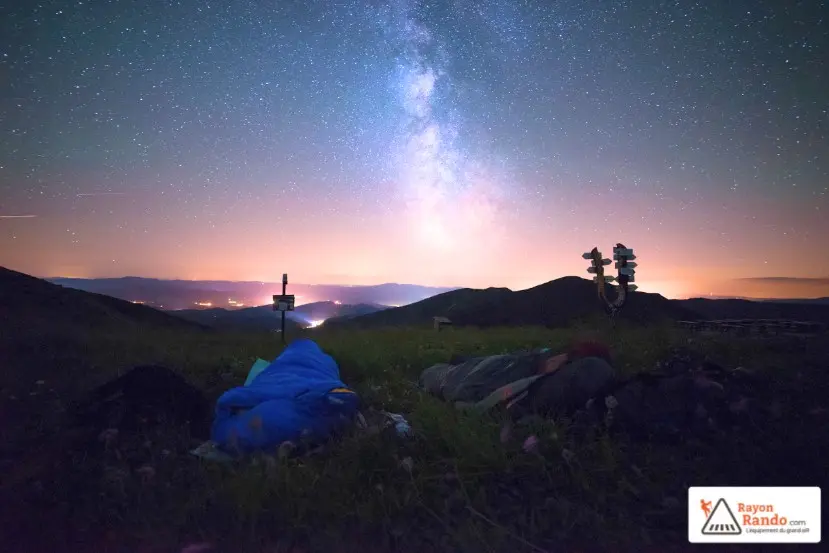
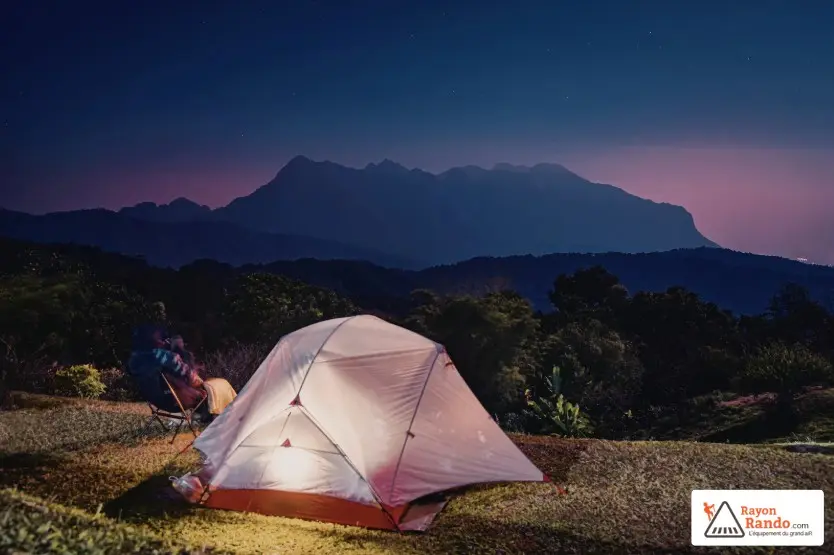
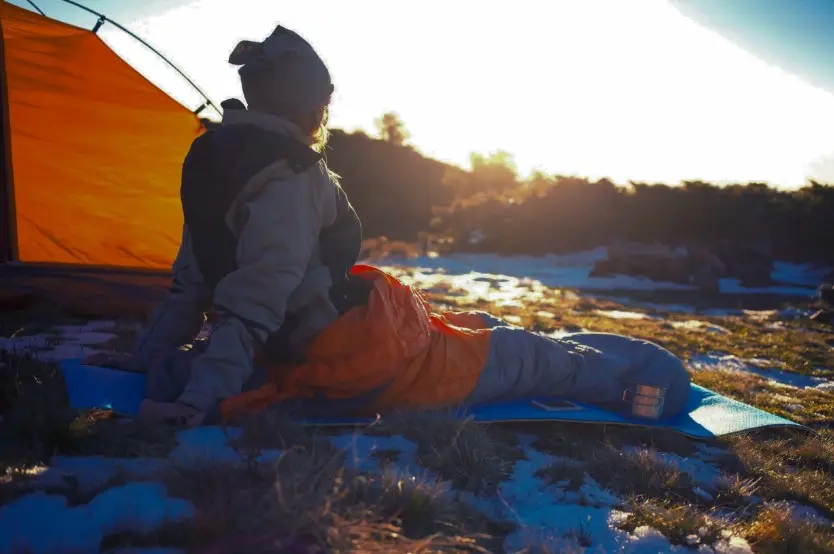
Many hikers want to sleep outdoors without a tent but hesitate. Yet sleeping under the stars lets you travel lighter, simplify camp setup and above all enjoy nature fully.

At RayonRando, our best experiences were in the desert, with no light pollution, an exceptionally bright starry sky and complete silence, and in Norway, immersed in wilderness beneath an almost nightless sky.

But some preparation is needed. Wind exposure, night-time moisture and falling temperatures can quickly turn a beautiful experience into a difficult night.

Suitable equipment, a good location and essential precautions: RayonRando explains what you need to know to sleep under the stars in good conditions.

What are the benefits of sleeping under the stars?

Sleeping under the stars means, first of all, sleeping outdoors without a tent. It is practised on multi-day hikes, mainly on summer outings in stable weather.

Many hikers adopt this way of camping for its simplicity and light weight.

A lighter backpack

Without a tent, backpack weight drops significantly. Depending on your equipment, you can save 1 to 2 kg. You remove the tent (around 2 kg, for example), but may add equipment (a warmer sleeping bag, tarp or bivvy bag).

Especially welcome:

  • on minimalist treks
  • when you can no longer, or do not want to, carry much, improving freedom of movement and reducing fatigue.

Very quick, simple setup

It is both quick and easy:

  • Quick: no tent to pitch, so camp is ready within minutes. You can stop later, shortly before sunset if necessary. Packing up in the morning is quick too.
  • Easy: the smaller footprint lets you settle almost anywhere, without needing tent floor space plus suitable ground for pegs and guylines. A flat area of just 60 by 200 cm is enough for comfort.

Total immersion in nature

Beyond ease, simplicity and low weight, sleeping under the stars offers complete immersion in nature.

A unique experience:

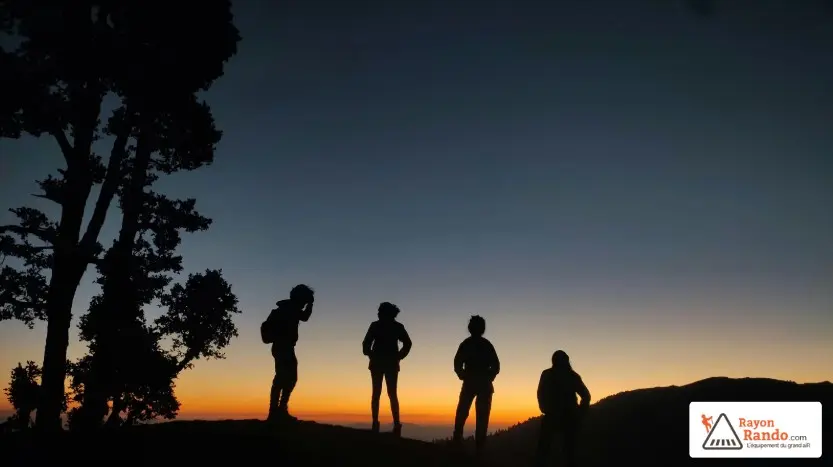
  • watching the night sky without nearby light pollution while lying in your sleeping bag is fascinating and soothing, something everyday life rarely offers.
  • hearing nature and feeling the air without a tent enclosure creates a unique connection with the outdoors.
  • Going to bed early and waking with daylight resets a circadian rhythm closer to our biological clock.

For many hikers, it is one of camping's most memorable experiences.

What are the limitations and risks?

Camping without a tent leaves you more exposed to the elements. If poorly prepared, or in bad conditions, the experience can become unpleasant or even dangerous.

Weather conditions are the main constraint

Night-time moisture

Even in fine weather, morning dew can dampen your sleeping bag. When the air is humid, falling night-time temperatures produce this condensation, sometimes in significant amounts.

Wet areas, watersides and valley bottoms intensify it.

Wind

Without shelter, wind quickly lowers perceived temperature.

A sheltered spot becomes essential. Even without severe cold, a cold draught can wake you if your face is exposed.

Rain

Without a backup shelter, rain can become a major problem in the middle of the night.

Cold

Generally easier to anticipate, cold is also vital to consider. Dry cold is relatively manageable; damp cold most affects thermal comfort.

In summary, dependence on the weather requires planning and caution.

Sleeping under the stars works best when:

  • weather is stable and predictable
  • no showers or thunderstorms are forecast
  • wind remains moderate
  • the air is dry

Insects and small animals

Depending on region and season, mosquitoes and insects can be troublesome. Head nets or nets adapted to sleeping bags help limit the problem.

Do not forget small and large animals that already visit tents: mice, foxes, raccoons, fennecs… bears! Avoid certain areas and store food, toothpaste and soap well away from camp.

Duration: a risk factor

A three-day trip in good weather with a stable forecast is relatively safe. A 10-day trip exposes you to weather deterioration that cannot be assessed.

If conditions are uncertain, and on a long trek, it is better to plan a fallback option.

For example, a Scottish trek with high rain risk, humidity and terrible midges seems poorly suited to sleeping under the stars. A desert trek, with dry weather and an exceptionally bright sky, is a fabulous opportunity instead.

What equipment for sleeping under the stars?

Without a tent, suitable equipment is essential for a good night.

The sleeping bag

This is the central item of camping equipment. To choose your sleeping bag well, read our RayonRando article “How to choose a sleeping bag”. Without a tent, exposure to cold, particularly damp cold, is greater. You therefore need a significantly warmer bag than you would use inside a tent.

You should also favour synthetic filling over down, as it remains effective even when damp.

The hiking sleeping mat

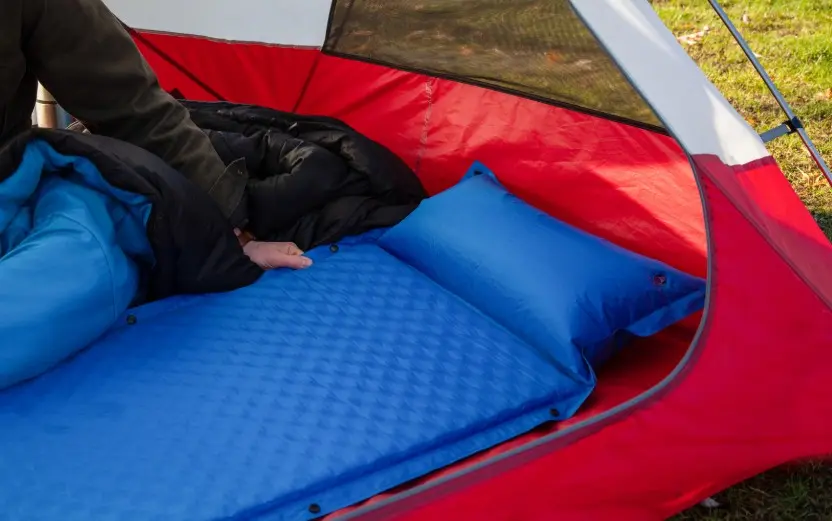
The mat has two essential roles: comfort and thermal insulation from the ground. Sleeping directly on the ground without insulation quickly leads to heat loss. Even in summer, a mat remains essential.

A standard mat is 51 cm wide, so your arms extend beyond its sides. A groundsheet is therefore useful to better protect you from contact with vegetation and moisture.

A mat with a decent insulation level (R-Value>3) is also advisable to insulate you from the cold ground.

The emergency blanket; the rain poncho

Without other protection, the essential survival blanket or an unfolded rain poncho can provide extra protection against wind, cold and moisture.

The bivvy bag (optional)

A bivvy bag effectively protects against moisture, dew, wind and dirt. However, it can encourage condensation in the sleeping bag, causing some discomfort.

Some models are fully waterproof, providing extra protection.

The tarp (optional)

A tarp is a lightweight sheet that can be stretched above your sleeping area. Depending on how you pitch it, it can serve as a simple windbreak or a proper rain shelter.

To pitch your tarp properly, also see the RayonRando article “How to pitch a tarp”.

It is a popular option for minimalist camping.

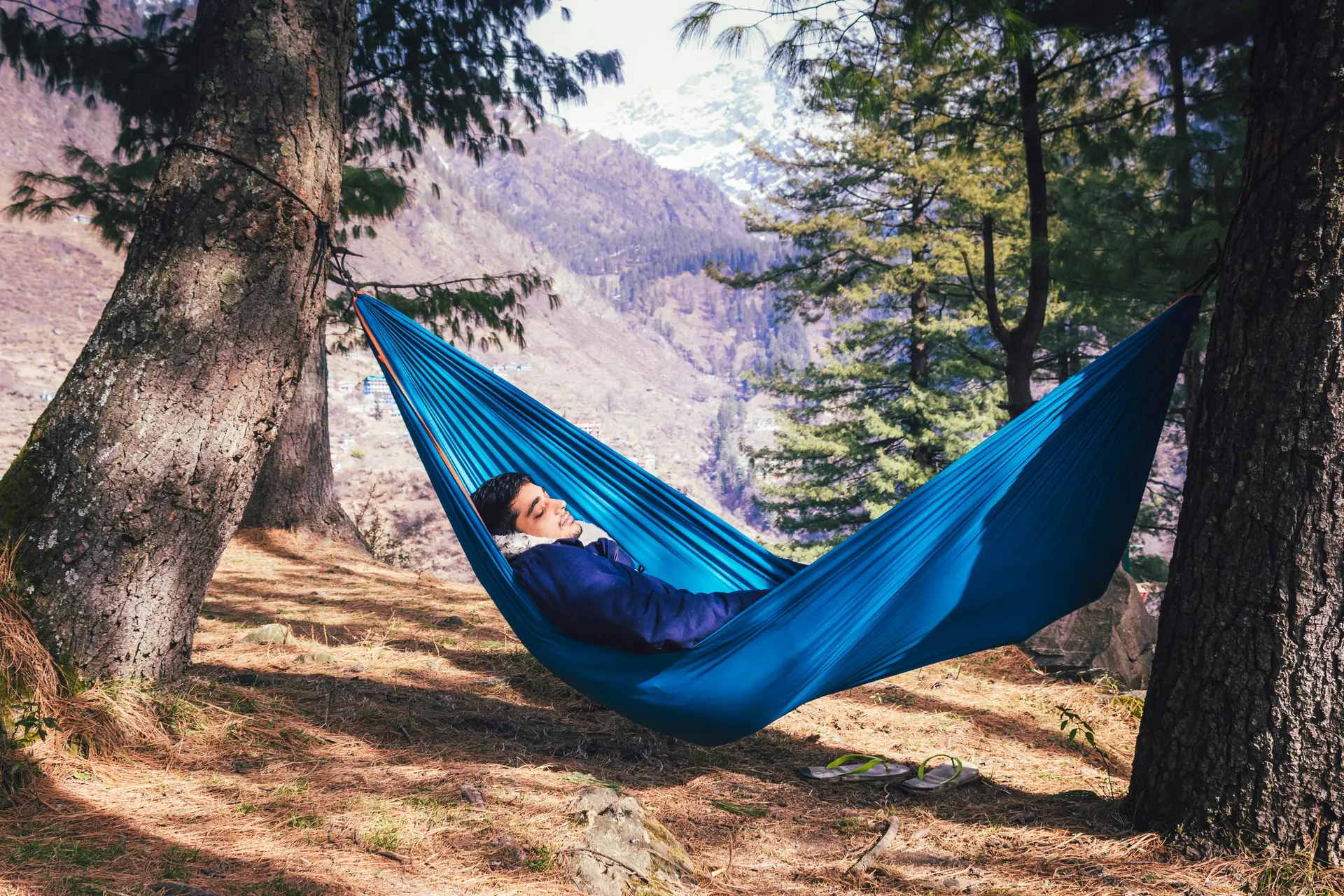
The hammock (optional)

This only makes sense where your route provides suitable trees every evening, limiting possible campsites. However, it is practical and comfortable, protecting against ground moisture while increasing wind exposure.

How to choose a good spot for sleeping under the stars?

Your location greatly affects the quality of your night's sleep. To learn more about choosing a campsite, also read our article “How to find a campsite on a trek”.

Without a tent, pay even closer attention to 2 elements:

Find a spot offering partial protection from the elements to compensate for the lack of shelter:

  • Avoid places where moisture collects: hollows, valley bottoms and watersides.
  • Watch for possible water run-off if it rains. Look for a slightly raised area or one showing no signs of past water run-off.
  • Position yourself out of the wind (rocks, terrain, vegetation).
  • If the weather is colder or damper than expected, descending 300 m to camp will gain you a few valuable degrees.

Where possible, have a fallback option: if not a proper shelter, then a natural hollow or dense vegetation cover.

Your small camping footprint needs little flat ground and makes finding some protection easier.

What precautions before sleeping under the stars?

A few simple habits help limit problems.

  • Check the weather forecast. Pay attention to its stated confidence level.
  • Check the forecast night-time temperature, but also consider the expected humidity level.
  • Identify potentially damp areas along the route and avoid camping there.
  • Choose your sleeping bag to account for greater exposure to the elements.
  • Add a tarp or bivvy bag according to weather uncertainty.

Plan a backup option if the weather deteriorates: shelters or huts, but also escape routes to descend quickly if you are at altitude.

Conclusion

Sleeping under the stars is one of hiking's simplest, most immersive experiences. Calm, a starry sky and harmony with nature make it invigorating.

Without a tent, equipment becomes lighter and setup almost instant.

But you remain more exposed. A good spot, suitable equipment and weather monitoring are key to fully enjoying a night outdoors.

With some preparation, sleeping under the stars can quickly become an essential camping pleasure.

FAQ

Can I sleep under the stars anywhere?

No, sleeping under the stars is possible in many places, but not everywhere: the same rules apply as for camping in a tent.

In general, in France, overnight camping is tolerated between sunset and sunrise, provided you remain discreet and leave no trace.

In some natural parks, reserves and protected areas, overnight camping may be regulated or prohibited. For example, in the Pyrenees National Park, it is permitted provided you pitch your tent after 19:00 and leave before 9:00, and are more than an hour's walk from road access or the park boundary. On Corsica's GR20, rules are stricter: camping is only allowed in designated areas around huts, with compulsory advance booking.

Rules differ in other countries. It is important to check local rules before settling down.

However, sleeping under the stars tends to be more widely tolerated given its very low visual and ground impact.


How do you sleep under the stars?

To sleep under the stars in good conditions, you only need minimal equipment:

  • a sleeping bag suited to the temperature
  • a hiking sleeping mat for insulation from the ground
  • optionally, a bivvy bag for protection from moisture
  • a lightweight tarp if the weather is uncertain.
  • An emergency blanket.
  • Clothing to protect you from rain and cold.

It is essential to check weather forecasts and their confidence level. Finally, it is important to choose a good location, sheltered from the wind and away from damp areas.


When should you sleep under the stars?

The most favourable period for sleeping under the stars is generally from spring to early autumn, when night-time temperatures remain comfortable.

Summer is often the ideal season because:

  • nights are milder
  • weather is more stable
  • rain is often less likely.

In the mountains or at altitude, temperatures can nevertheless drop quickly at night, even in summer. In August, mountain thunderstorms are generally more likely.


Sleeping under the stars: what are the risks?

Sleeping under the stars exposes you to the elements more than camping in a tent. The main risks are:

  • night-time moisture and dew
  • wind, which can make you feel colder
  • falling temperatures during the night
  • insects (and animals), depending on the region and season.

Assess these risks before setting out by checking the weather, and limit them by choosing a good location and suitable equipment (a warm enough sleeping bag, insulating mat, bivvy bag or lightweight tarp, and emergency blanket).

Product comparison
Compare
Rayon Rando advice