FAQ
Can you bivouac anywhere in France?
No. Bivouacking is often tolerated, but some areas (national parks, reserves, municipal orders) prohibit or strictly regulate it. Always check before departure.
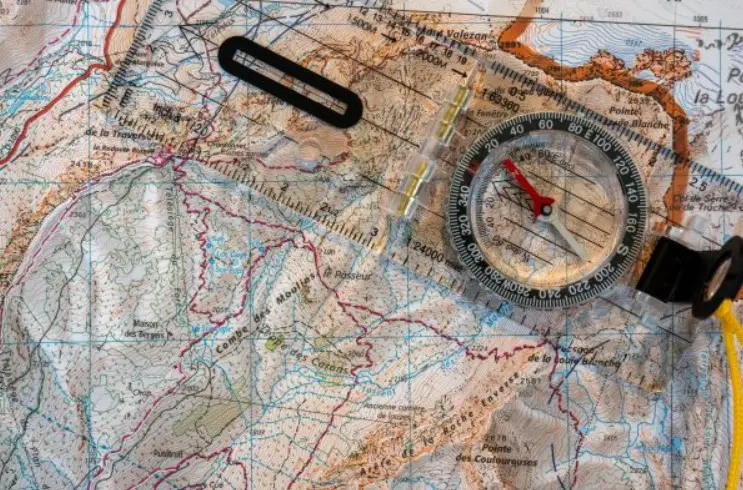
How do you find flat ground on an IGN map?
Look for widely spaced contour lines. The closer they are, the steeper the slope.
How far should you camp from water?
Avoid pitching right beside it. Keep enough distance to avoid humidity, flash floods and animal routes.
Is bivouacking legal in the mountains?
Often, yes, but it depends on the range and local regulations. Some parks allow it only at specific times and away from paths.
When should you pitch camp?
Ideally late in the day but before dark, so you can choose the location carefully and set up calmly.
Where is bivouacking permitted in France?
Bivouacking is permitted above 1,500 m, at least 100 m from waymarked paths, generally for one night only. However, rules vary between national parks, regional parks and nature reserves. National parks often require prior permission. Natura 2000 areas and nature reserves prohibit it outside designated sites. Always check local regulations before departure to avoid fines up to €150.
How do you find a good camping spot on an IGN map?
Look for widely spaced contour lines (gentle slopes), away from dense woodland, marshes and watercourses. Lakeside areas, pastures and clearings are ideal. Identify water sources (streams, springs, lakes) for your supply. East-facing areas let morning sunshine dry your tent. Mobile apps such as Mappy and Visorando also display restrictions and permitted areas directly on their maps.
What are the essential criteria for a safe camping spot?
A good spot should be flat (slope below 30°), well drained, clear of dense vegetation and dead trees, away from watercourses (flash-flood risk), sheltered from prevailing wind (behind a rock or in a natural hollow), and away from avalanche or rockfall zones. Avoid ridges during thunderstorms. Respect local regulations (altitude, distance from paths, protected parks) and “Leave No Trace” to preserve the environment.