





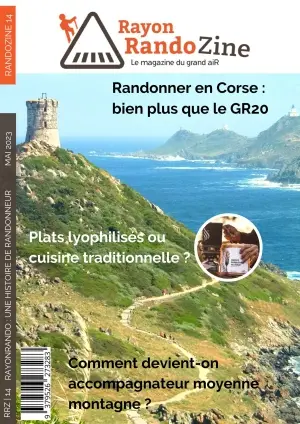
Contents no. 14 - May 2023:
Hiking in Corsica: much more than the GR20
Freeze-dried meals or traditional cooking when hiking?
How do you become a mountain walking leader?
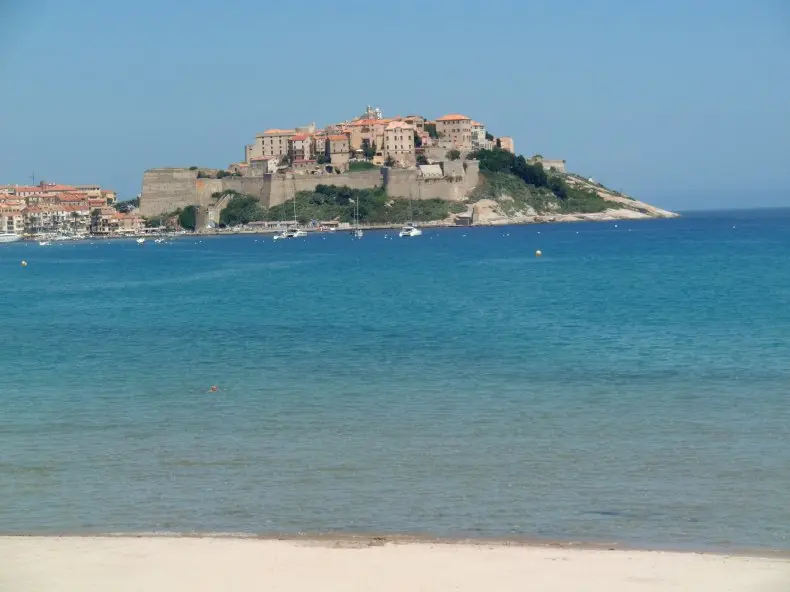 Hiking in Corsica: much more than the GR20
Dreaming of Corsica? Make it happen!
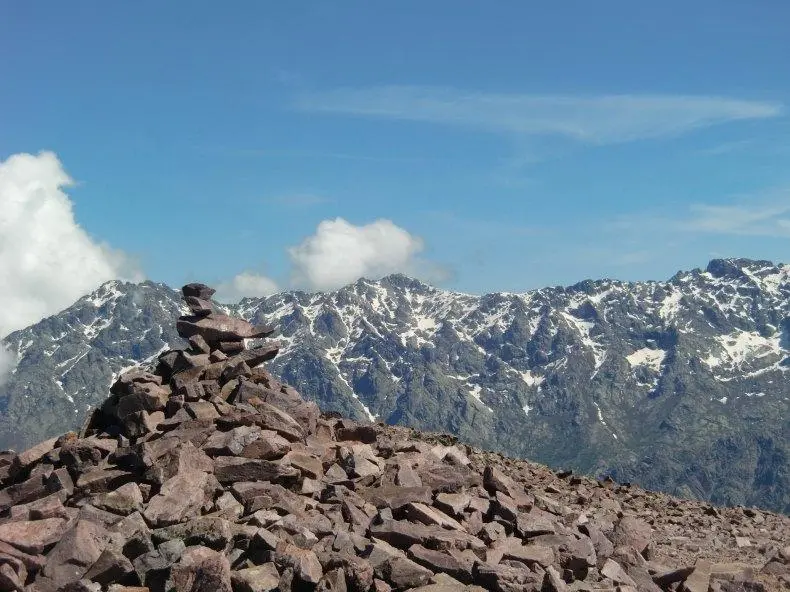
Here are some route descriptions from 2 visits to Corsica. Far from exhaustive, they offer practical information and route ideas.
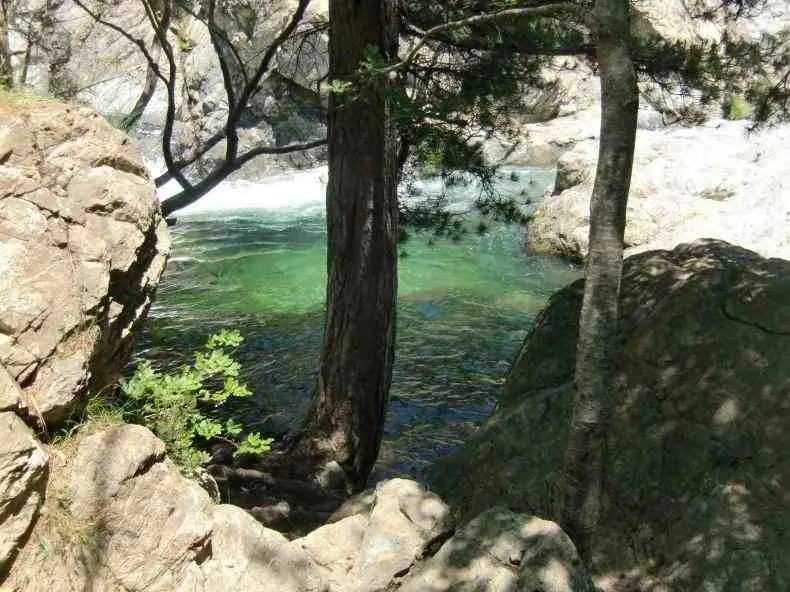
The GR20 and beyond?
For hiking enthusiasts, there is more to Corsica than the GR20!
The GR20 certainly has beautiful sections it would be a shame to miss altogether, but it can also be overcrowded… Furthermore, the ban on wild camping forces everyone to camp in the same places, somewhat reducing the pleasure of being in the mountains and creating “processions” at the start of the day.
There are alternatives to the GR20 and links with other long-distance trails that let you put together an original, beautiful route and partly escape the heavy summer footfall.
Back to contents
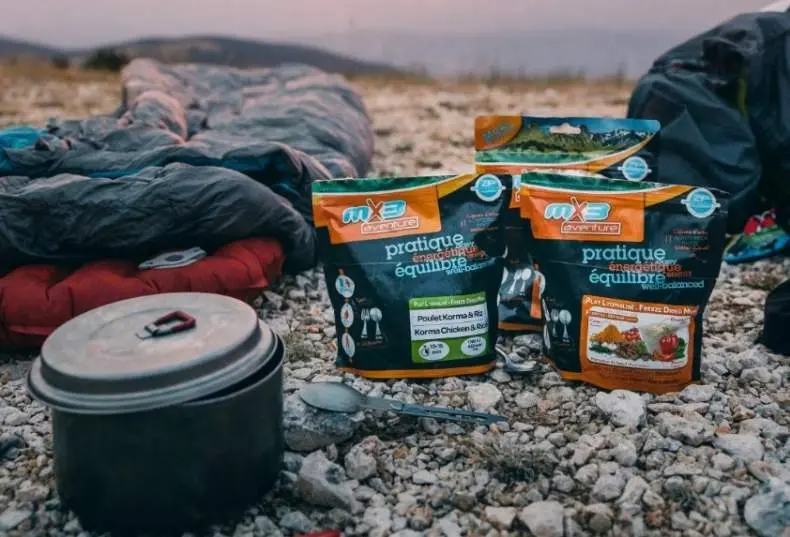 Freeze-dried meals or traditional cooking when hiking?
You are used to your pot of pasta when hiking, but wonder whether freeze-dried meals offer any benefits? Here are their main advantages and disadvantages compared with “traditional” cooking on a trek.
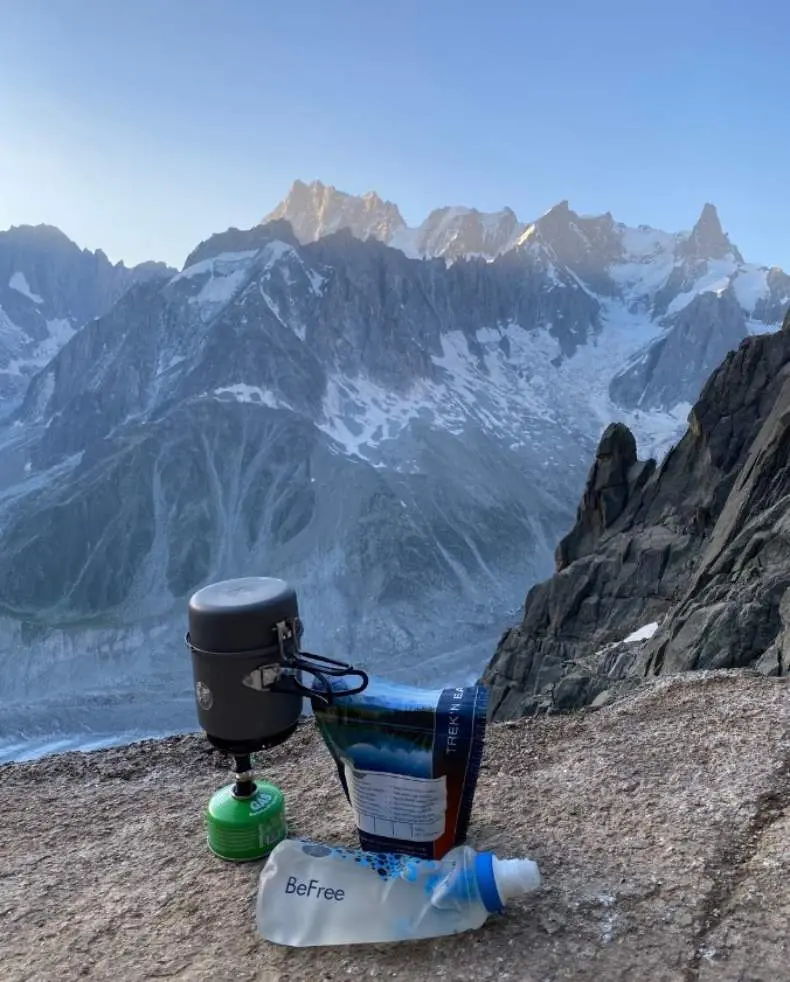
Freeze-dried meals are dehydrated through freezing followed by dehydration under vacuum. They are then packed dry in airtight pouches. Add water (usually hot) and wait a few minutes for a meal ready to eat.
The most common format is a 125 g net meal, becoming a 400–450 g meal once rehydrated.
Back to contents
 How do you become a mountain walking leader?
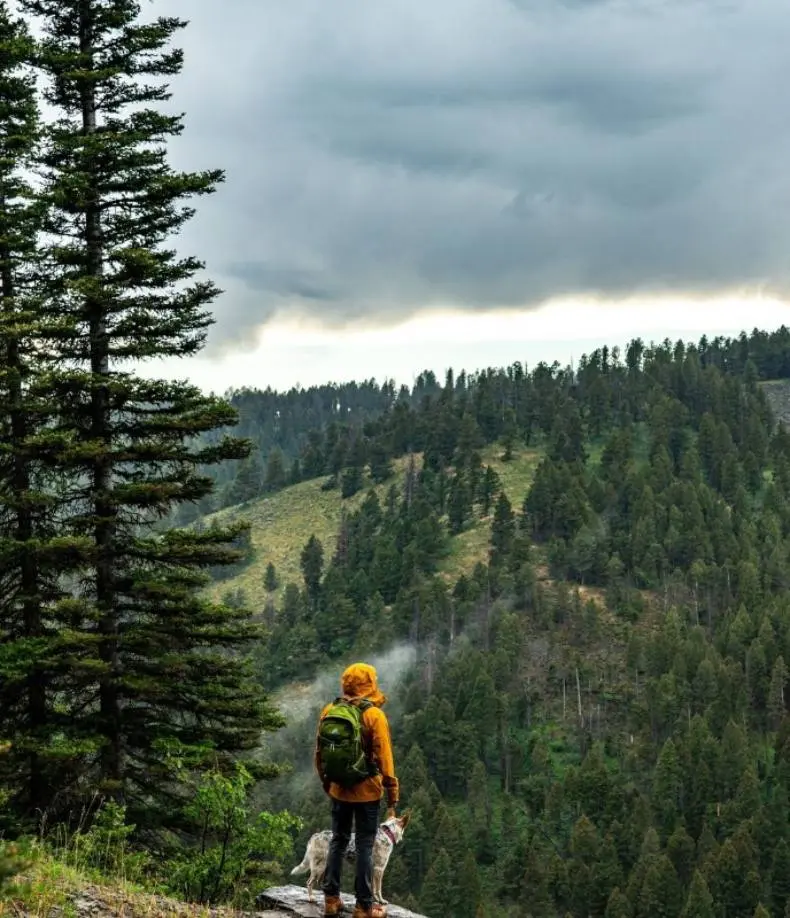
You have probably joined a hike led by a “guide”, whether to discover local wildlife, complete the Tour des Ecrins or enjoy a day's snowshoeing with lunch by the fire.
This person, commonly but incorrectly called a “guide”, was almost certainly an AMM: a French mountain walking leader. This is different from a high mountain guide (GHM), who can lead mountaineering outings.
But who is behind the AMM title?
And how do you become an AMM?
A mountain walking leader from the RayonRando team explains everything and shares their experience.
What is an AMM?
This person speaking with passion, calm and a smile holds a specific French state diploma in safely leading and supervising groups in mountain environments.
They can lead a group on walking and snowshoeing outings, whatever the theme! The hike may be multi-day or otherwise, sporting or cultural. Some specialise, for example in wildlife photography with in-depth knowledge of wolves.
An AMM does more than show you the way: they share their knowledge of the mountain environment. They also have plenty of anecdotes, some rather colourful!
How do you become an AMM?
You must complete the course provided by the CNSNMM (MM stands for mountain walking) in Prémanon in the Jura (the main training centre) to obtain the French state AMM diploma.
But first, entry to this training requires passing a qualifying examination (a practical test + multiple-choice questionnaire). To sit the examination, you must submit an application showing, for example, that you have completed 30 specific hikes.
A hike and a multiple-choice questionnaire… Easy, surely? Not really. On average, only around 1/3 of candidates reach the questionnaire. The other 2/3 are eliminated in the practical test.
Determination is certainly required.
What subjects does the questionnaire cover?
The questionnaire covers 9 mountain environment topics, including wildlife, plants and ecology.
So this leader is rather like a walking mountain encyclopaedia!
What does the practical test involve?
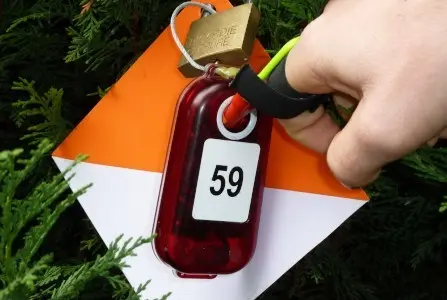
It tests walking and navigation over varied terrain (an orienteering course in a mountain walking environment).
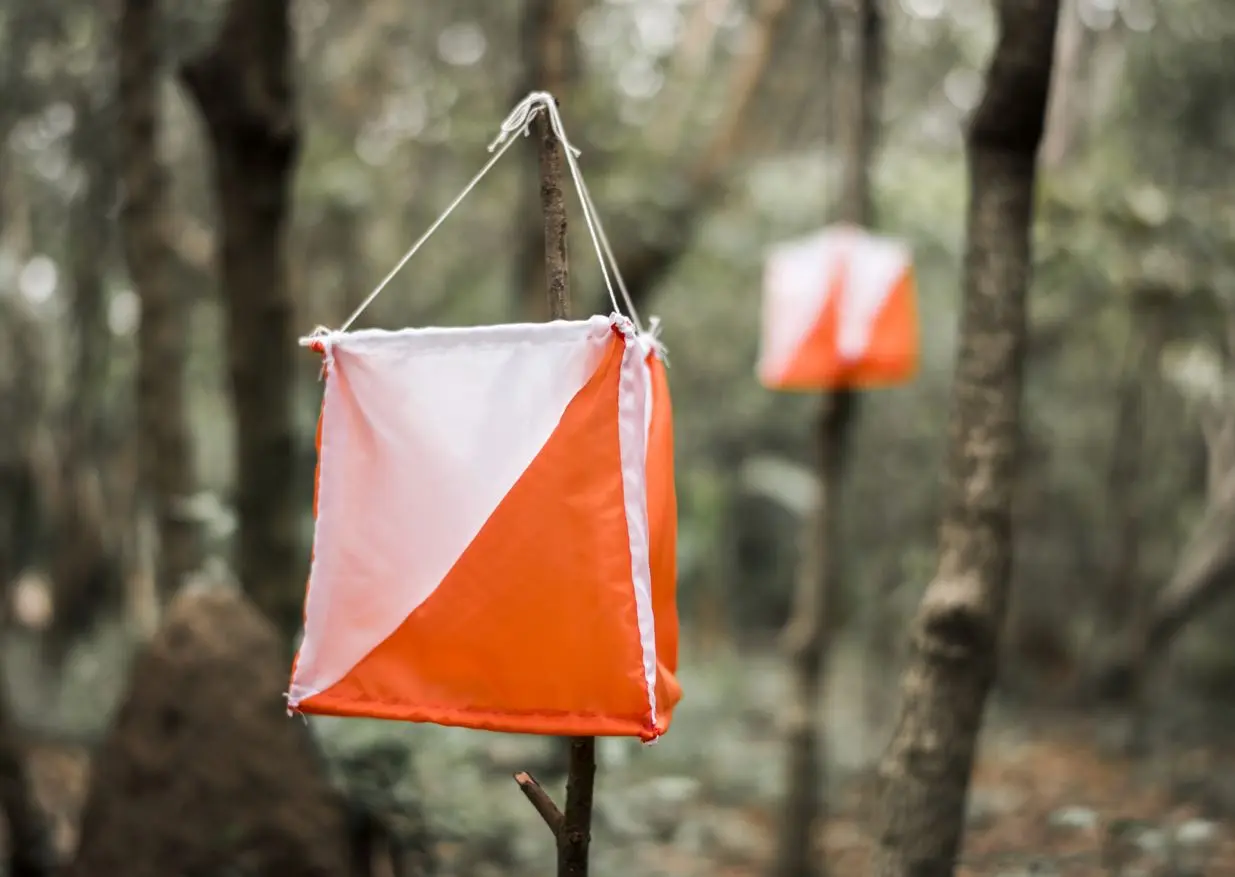
Objective: find 15 to 20 checkpoints in a prescribed order within a time limit.
Many navigation techniques are tested to complete the course successfully. Work out the best route between checkpoints. Manage your resources: physical energy, water and food. Adapt to the weather, which can vary enormously during a day in the mountains.
Why is it so difficult?
Each participant has different checkpoints to find and/or a different order. If you register a checkpoint that is not yours, you are eliminated. Miss 1 and you are eliminated. But you only learn this at the end of the test.
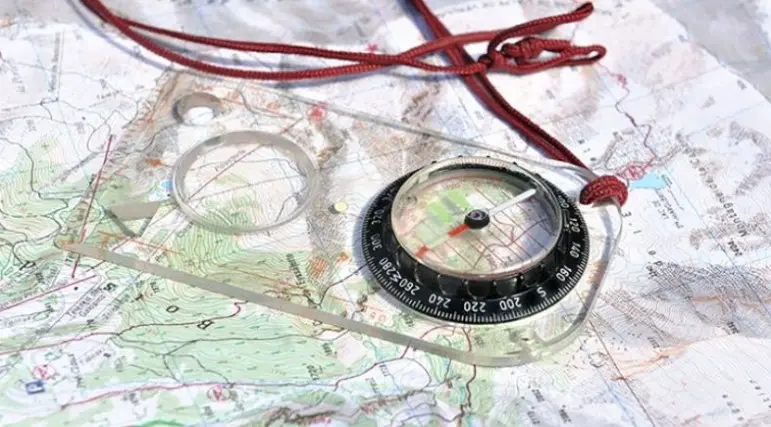
Navigation uses only an IGN map, compass and altimeter. Forget your smartphone.
You are given a maximum time. If it is 7 h, arriving after 7 h 00 min 01 sec means elimination. Every second counts!
Deteriorating weather does not entitle you to extra time.
The test also has the constraints of a self-sufficient hike:
- A backpack weighing at least 10 kg for men and 7 kg for women with mandatory equipment, plus 2 to 3 kg of water and food consumed during the test.
- On-trail / off-trail proportion: approximately 50%, with 1,250 to 1,500 m of ascent, making 2,500 to 3,000 m of combined ascent and descent.
What actually happens on the day of the test?
You are called to the test area and given a numbered bib and an electronic chip to register your passage at each checkpoint.
Late in the evening, the exact start location is announced, preventing anyone from scouting the course the day before…
Very early the next morning, the examiners hand you your paper IGN map with the checkpoints to find. The clock starts immediately. Off you go for around 7 h of particularly intense hiking!
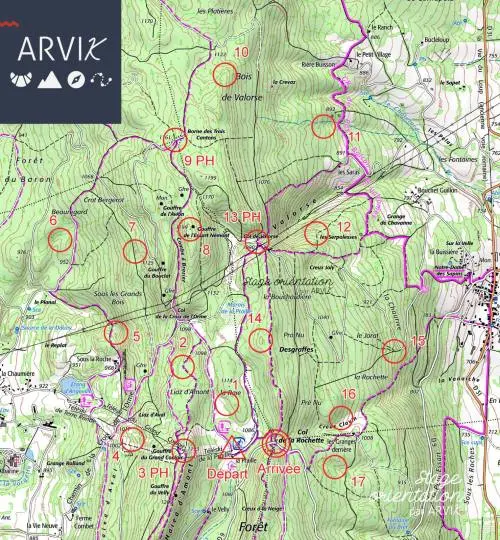
A participant starts every 30 seconds, eventually creating a field of 250 hikers who are not allowed to speak to each other.
There is no time to dawdle: the first elimination happens if you reach the 4th checkpoint after a time limit.
Your nerves are also tested when you are convinced you are in the checkpoint area but cannot see it… Staying clear-headed throughout the test is not easy.
Racing down steep slopes, crossing scree, climbing “walls” such as black ski runs in blazing sun, crossing fences and streams… There is never a dull moment!
When you reach the final checkpoint, exhausted, the chip beeps. The test is over, but you do not know whether you have passed. It is a powerful moment, mixing exhaustion, pride and doubt.
Conclusion:
In my 3 attempts at this qualifying examination (you can only enter twice a year), I found all the checkpoints without error. Great! But on the first 2 attempts, finishing 2 min 31 sec and then 1 min 38 sec over the limit meant elimination. A torrential thunderstorm accompanied the 3rd attempt…
In 2022, only 21% passed both the practical test and questionnaire.
So on your next organised hike, you can see the person talking about little flowers as both a walking encyclopaedia and a true ibex.
Back to contents
Receive RayonRandoZine:
Clear, concise articles:
- Practical advice
- First-hand experiences
- Techniques
- Route guides & destinations
- Hiking and long-distance travel literature...
You will receive 1 free magazine a month for 12 months.
No adverts. No marketing emails.
We would like your feedback:
If you have 3 minutes, tell us what you thought of this issue. It will help us improve future issues: Share my feedback