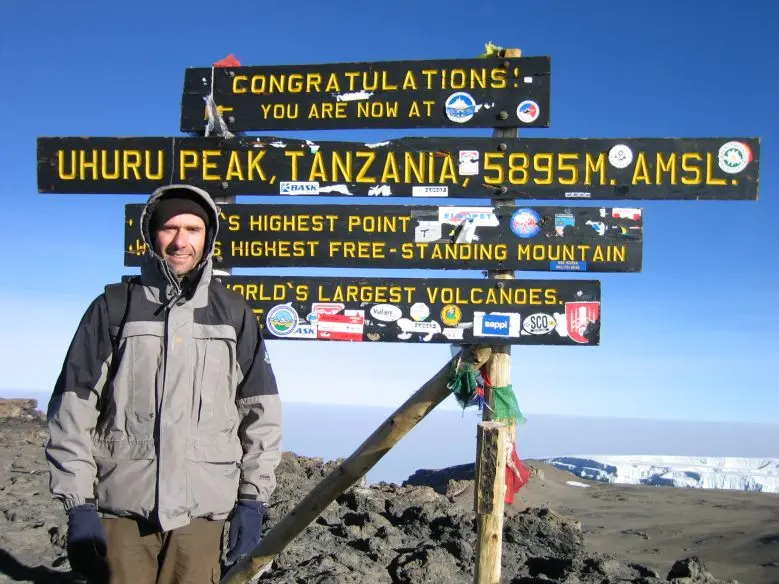
Among favourite autumn-winter destinations, climbing Kilimanjaro ranks highly with hikers buying equipment at RayonRando.
This iconic high summit, 5,895 m, is accessible, yet makes many hikers hesitate.
Here are the main factors to consider before setting off on the adventure.
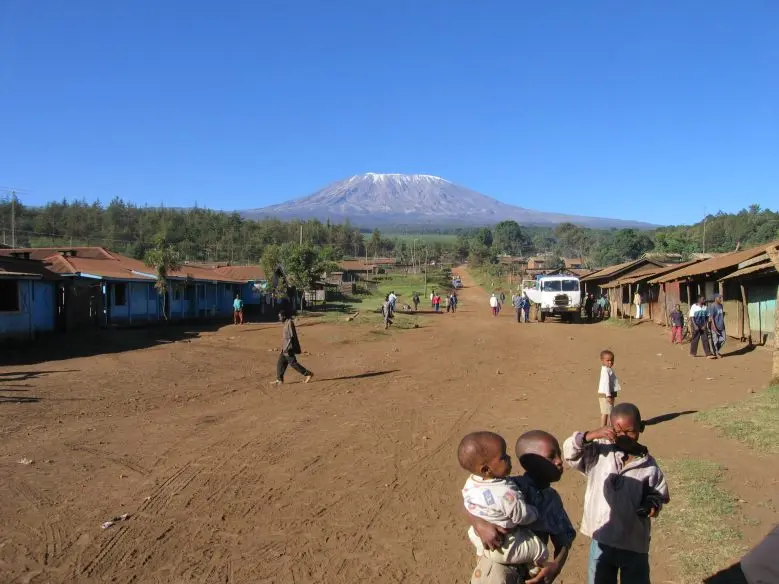
Altitude sickness: acute mountain sickness
When I climbed it, I read at the park entrance that only 40% of trekkers reached the summit.
As the trail is not technical, altitude sickness is the main reason for turning back. Starting with sometimes severe headaches, it quickly requires descent to avoid putting the affected person's life at risk.
The trek's format seems to me to explain these withdrawals: Kilimanjaro is an isolated cone, requiring a direct ascent from savannah to summit, often offered in only 5 or 6 days, with 4,000 m ascent via Machame.
Over such a short period, acclimatisation time may be insufficient.
In my personal experience, not a universal rule, around three days of hiking at an intermediate altitude of roughly 3,000 to 3,500 m are needed to adapt and ‘produce red blood cells’. You can climb higher during the day and camp slightly lower at night. Individual altitude sensitivity and acclimatisation time naturally vary.
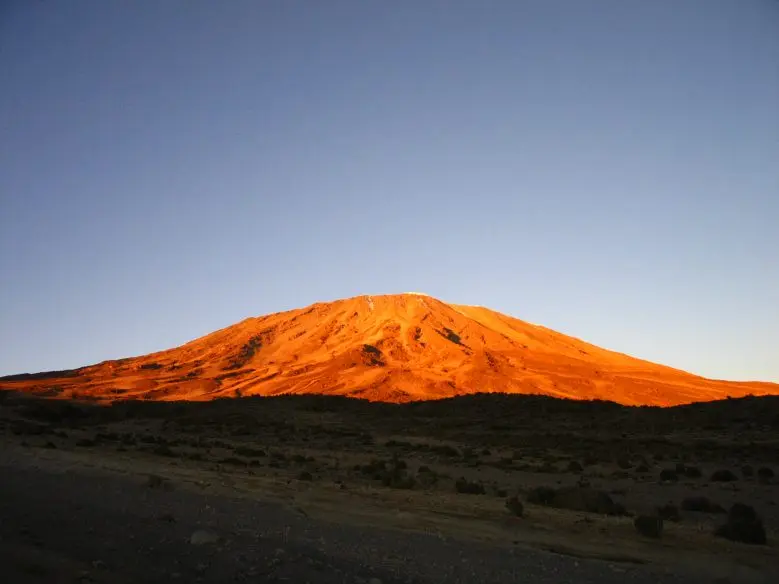
When I went, 11 of our 12 reached the summit. How? We first completed a preliminary ascent of Mount Kenya, 5,000 m, over 6 days. Afterwards, we were sufficiently acclimatised to climb Kilimanjaro without too much difficulty.
On another ascent in Peru, insufficient acclimatisation and overly rapid altitude gain caused altitude sickness in many people.
Without experience of this, pay close attention to your trek programme. Ideally, first trek at altitude elsewhere to acclimatise before Kilimanjaro's final ascent; Mount Kenya and Mount Meru are nearby. Otherwise, a slightly longer Kilimanjaro route allowing an extra day at 3,000-3,500 m is much safer than a short itinerary, such as Kilimanjaro plus safari packages.
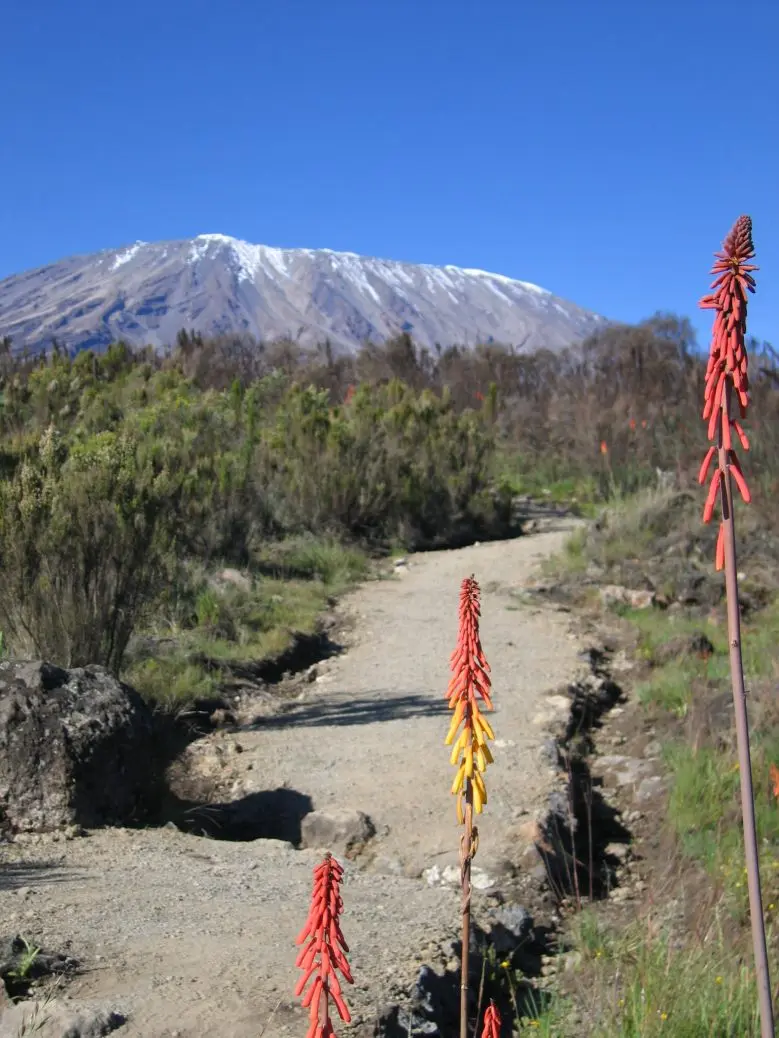
Cold:
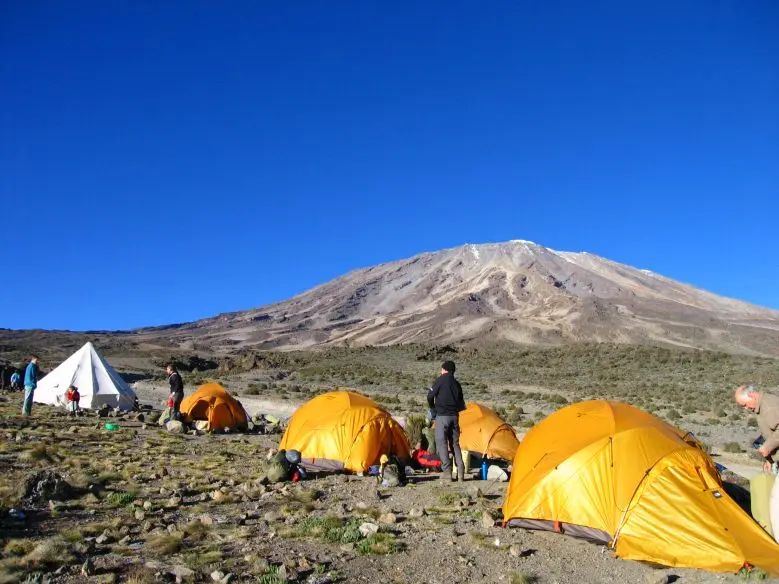
You will sleep in a tent, and it is cold. Huts exist, particularly before the final ascent, but crowds mean space is not guaranteed. Expect cold nights and cold mornings. Even with pleasant daytime temperatures, you need very warm clothing and an extreme-cold sleeping bag, available in RayonRando.com's extreme-cold sleeping bag category.
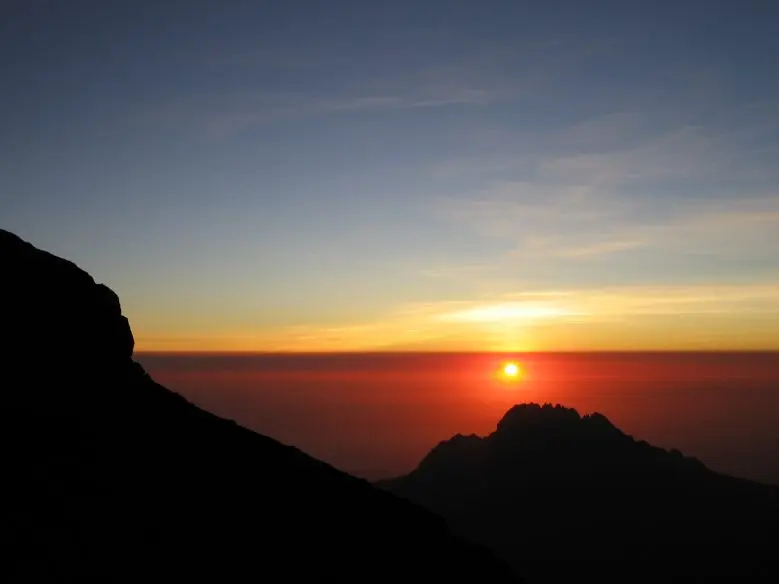
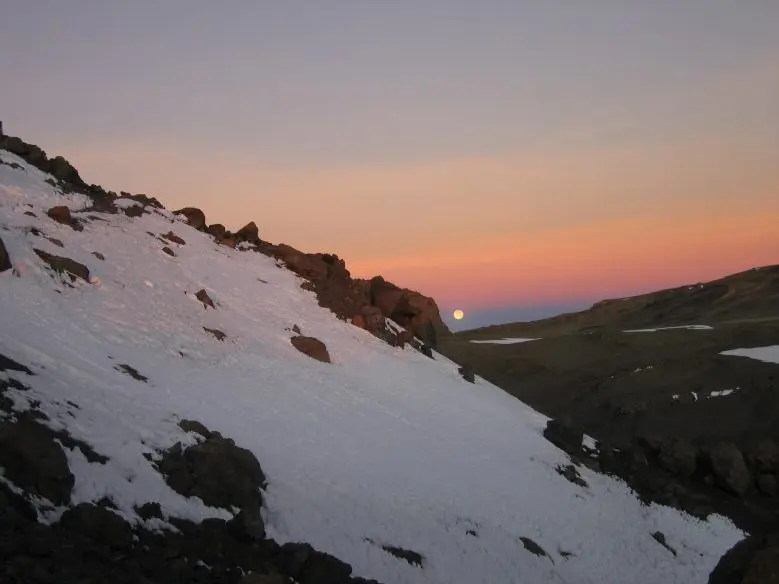
On the last night, you rise around midnight-1h for a final ascent in darkness, so dress warmly.
If you struggle with cold, this may not be your destination…
Fitness and equipment:
You need not be a champion to climb Kilimanjaro. The trails are not technical, but you still need to cover the elevation gain. Be a regular hiker in good shape. Arrive rested at the start: you will return tired.
During the final ascent until daylight, I experienced some balance difficulties due to altitude and darkness. I strongly recommend a good head torch and trekking poles for this final stage, providing comfort and stability.
I will not dwell on good footwear, hat, gloves, thermal underwear and so on: standard recommendations. Do not forget the usual emergency blanket.
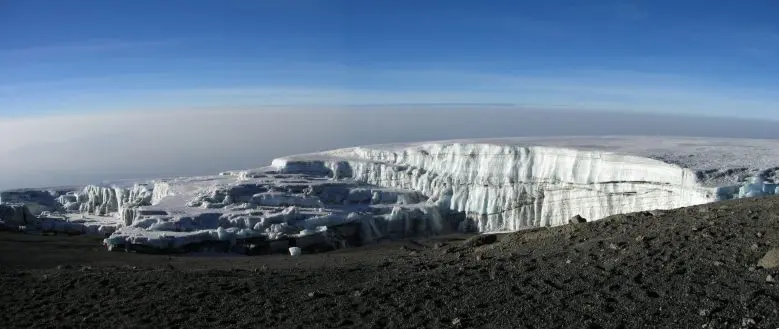
Small chemical warmers may help if you struggle to warm up on the summit.
Conclusion:
Kilimanjaro is a beautiful, fairly accessible destination. However, do not attempt it without some long-distance hiking experience.
While good physical condition is necessary, the essential pre-departure check is whether the trek allows reasonable altitude acclimatisation. Avoid short itineraries. A preparatory summit is ideal.
Several routes reach the summit. A quieter, longer secondary ascent and descent by the main route may be appealing. A guide is compulsory, so you will not walk the route alone.
A well-planned, properly supervised programme and good fitness will help you reach Africa's roof without difficulties.