How to choose your head torch?

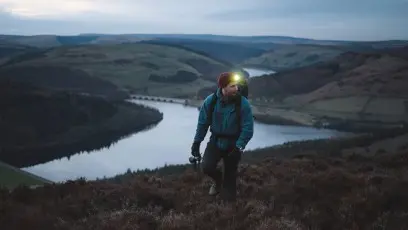
Choosing a head torch is not always straightforward: you need to identify which performance features are actually useful and match them to your needs.

These needs can differ considerably between activities:

  • An emergency head torch, “just in case…”
  • At camp, to illuminate only your immediate surroundings.
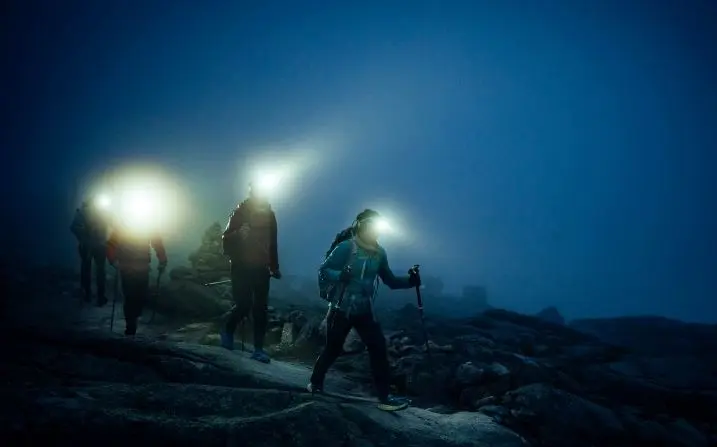
  • For an occasional early approach between 4:30 and 6 in the morning, or for hiking through much of the night.
  • For a 1-hour road run or an entire night trail running on mountain paths.
  • For a night mountain-bike ride or competition.
  • As often, the right compromise involves combining several factors:

Which first aid kit for hiking?

When hiking or cycling, on trails, at accommodation or at camp, minor accidents can quickly become health problems if we do not act quickly enough with the right equipment.

A first aid kit deserves serious thought when packing your backpack. Whether buying an empty kit or a ready-filled one, it is important to examine the contents (medicines, bandages, dressings, disinfectant and so on) to prepare a kit suited to your needs and the actual risks involved in hiking.

Rayonrando shares field experience, including a few mishaps, and helps you put together your hiking first aid kit.

How to care for your down sleeping bag?

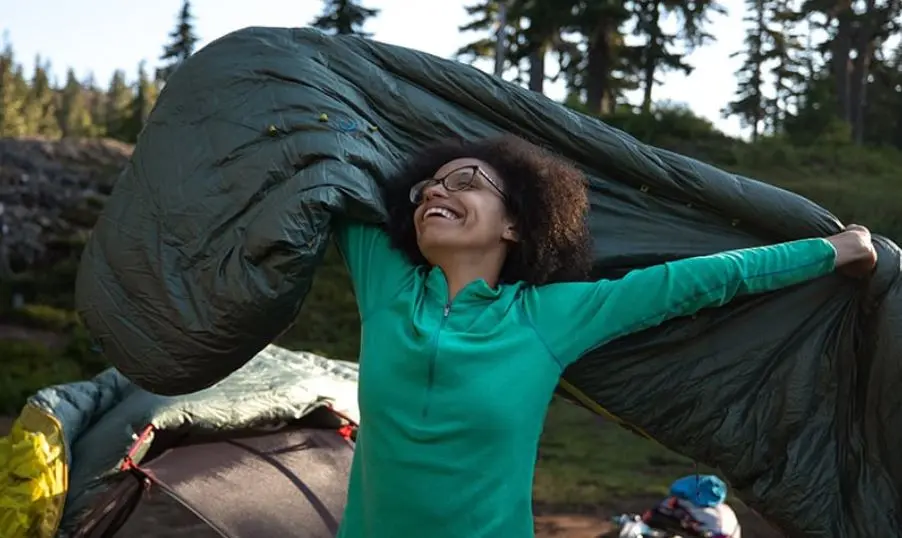
Summer is over. You are going to put your goose- or duck-down sleeping bag away for a while, but first you want to clean and protect it. However, down is a delicate material whose loft must be preserved. Here is how to proceed.

Washing

Always check the cleaning instructions on the label first.

Preferably wash your down sleeping bag by hand. This avoids unnecessary risk. You can leave it soaking for a while so the detergent penetrates fully. Rinse thoroughly, several times if necessary.

You may be able to machine-wash it in cold water or at a low temperature. In that case, preferably wash the sleeping bag on its own. Choose a delicate cycle. You can add tennis balls to the drum to keep working the bag and maintain an even distribution of fill.

There are specialist detergents for washing down, which I recommend. They preserve loft and rinse out easily. If using your usual detergent, I think it is better to use less than the normal dose.

Here are the detergents we offer at RayonRando.com:

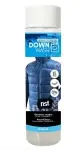
Down detergent Down Wash 250 ML (NST)

Eco-friendly detergent for down-filled jackets and sleeping bags. Softens feathers without affecting water repellency. Works at low temperatures.

Down detergent down wash kit + balls (Grangers)

Down washing kit with dryer balls

Removing excess water

Please note: if machine-washing, make sure you disable the spin cycle. Otherwise, spinning will clump the down into balls, preventing it from regaining an even distribution when dry. Drain the machine without spinning and squeeze out the water by hand.

Squeeze the sleeping bag to remove water, rather than twisting it.

Drying

Please do not hang your wet sleeping bag on a washing line. Gravity will again cause the down to fall and form dense clumps.

You can:

  • Either lay your sleeping bag flat on a drying rack, outdoors if possible; shake it occasionally as it dries to distribute the fill evenly.
  • Or tumble-dry it, taking several precautions: choose a slow speed and moderate temperature (generally no more than 30°); add several tennis balls to keep working the fill continuously. This maintains even distribution and preserves the down's loft. Finally, choose a fairly short cycle so you can check progress and run another cycle if needed.

In all cases, shake it after drying to ensure an even distribution of fill.

Storage

Make sure your sleeping bag is completely dry before storing it.

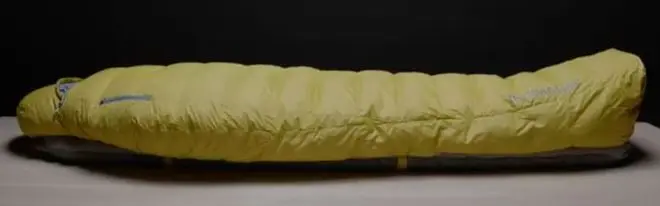
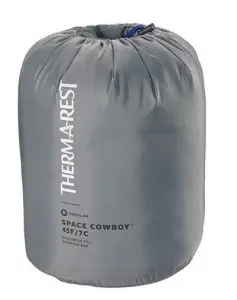
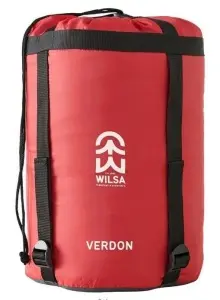
Preferably do not store it in its compression sack. A storage sack is often supplied, but otherwise use a large open shopping bag to avoid leaving it compressed for months. This better preserves the down's loft.

storage sack
Compression sack

Conclusion

Finally, I recommend washing your down sleeping bag infrequently. This is the best way to preserve it. After moderate use, simply open it, turn it inside out and air it thoroughly. Using a sleeping bag liner also lets you wash it less often, although it adds a little weight to your pack. When camping, remember to air it after waking to remove body moisture and limit odours.

Receive RayonRandoZine:

Clear, concise articles:

  • Practical advice
  • First-hand experiences
  • Technical advice
  • Route guides & destinations
  • Books on hiking and long-distance journeys...

Subscribe!

You will receive 1 free magazine a month for 12 months.

No advertising. No marketing emails.

We would like your feedback:

If you have 3 minutes, tell us what you thought of this issue. It will help us improve future issues: Share my feedback

Product comparison
Compare
Rayon Rando advice