How to choose your hiking tent

Choosing a hiking tent is a key step in preparing for successful wild camping. Too heavy, and it becomes a burden. Poorly suited, and it can turn a night outdoors into an uncomfortable, even difficult experience.

Between ultralight models, freestanding tents and 3 or 4-season versions, the choice is wide, and the differences are not always easy to understand. This article gets straight to the point: helping you choose a tent suited to your activity, with practical criteria and advice from the field.

Why is choosing the right hiking tent essential?

A tent is more than an accessory. It is a shelter, a refuge, sometimes your only protection from the elements.

The wrong tent can quickly cause problems:

  • water leaking in during rain 
  • poor wind resistance 
  • excessive condensation 
  • not enough room to sleep or store equipment 

By contrast, a well-chosen tent does its job quietly. It pitches easily, protects effectively and lets you recover in good conditions after a day's walking.

-> When hiking, comfort does not depend on luxury, but on how well your equipment suits your needs.

Key points for choosing your hiking tent

When choosing a hiking tent, consider and weigh up several criteria:
  1. Weight and packed size
  2. Construction: double-wall or single-wall?
  3. Resistance to the elements
  4. Comfort

 1- Weight and packed size:

Essential if you hike self-sufficiently for several days, your tent's weight is all the more important because it is generally the heaviest item in your kit. Choosing a lightweight tent means making some concessions on comfort, particularly inner tent dimensions.
For those who favour lightweight hiking, we have grouped suitable equipment in a lightweight tents category.

A tent's packed size generally goes hand in hand with its weight.

Our selection

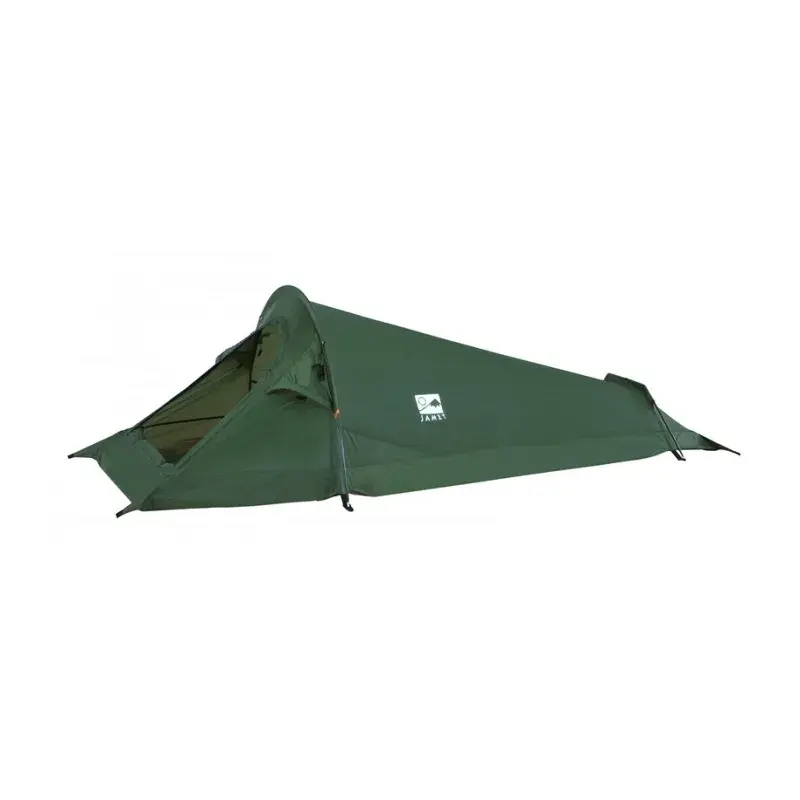
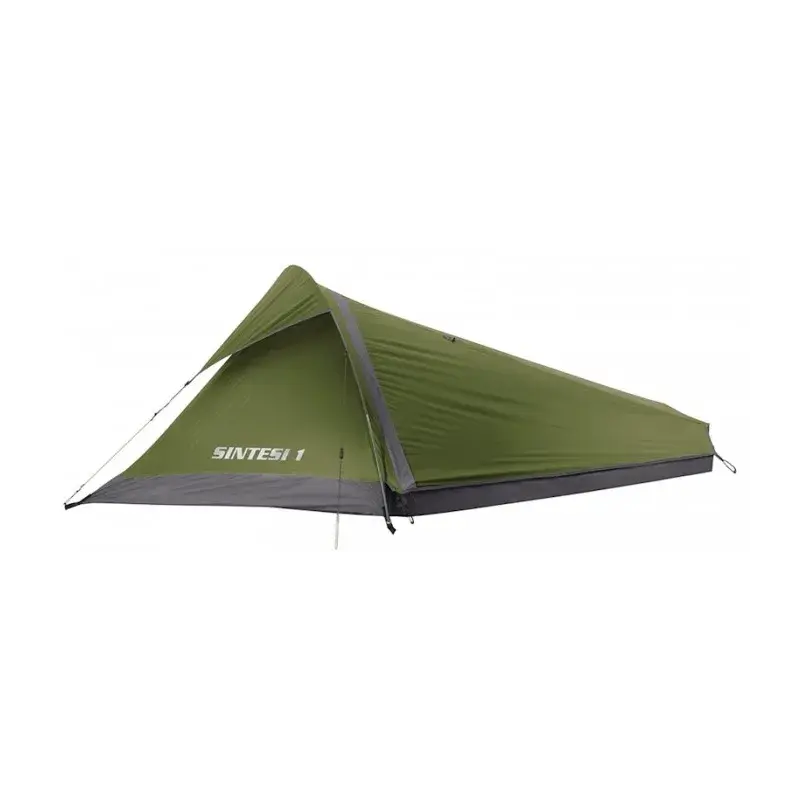
Single-wall:

Shelter JAMET
1,170 g

Jaya 2 DAC JAMET
1,560 g

Sintesi 1 FERRINO 
990 g


2- Construction: double-wall or single-wall?

Some tents use a single wall of fabric:
  • their strength: unbeatable lightness.
  • their weakness: condensation forming inside the fabric.

Other tents have a flysheet that provides good ventilation, preventing condensation and protecting sleepers from draughts. Single-wall tents are therefore for hikers who want to reduce their load at all costs and are willing to accept the discomfort of condensation. This discomfort varies with weather conditions. When you can sleep with the door partly open, the drawback is also reduced.

Our selection 

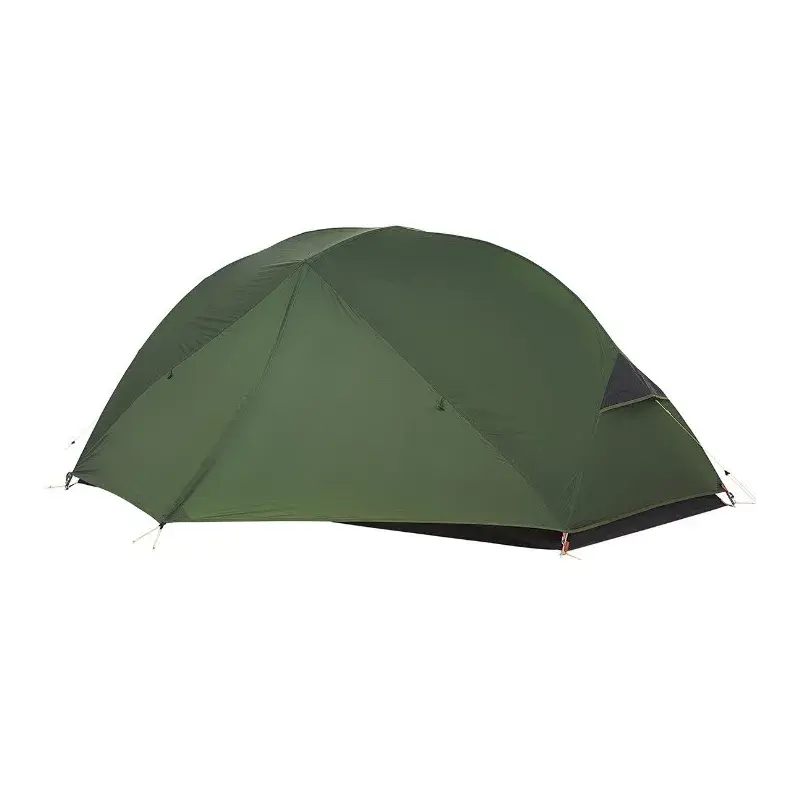
Double-wall:

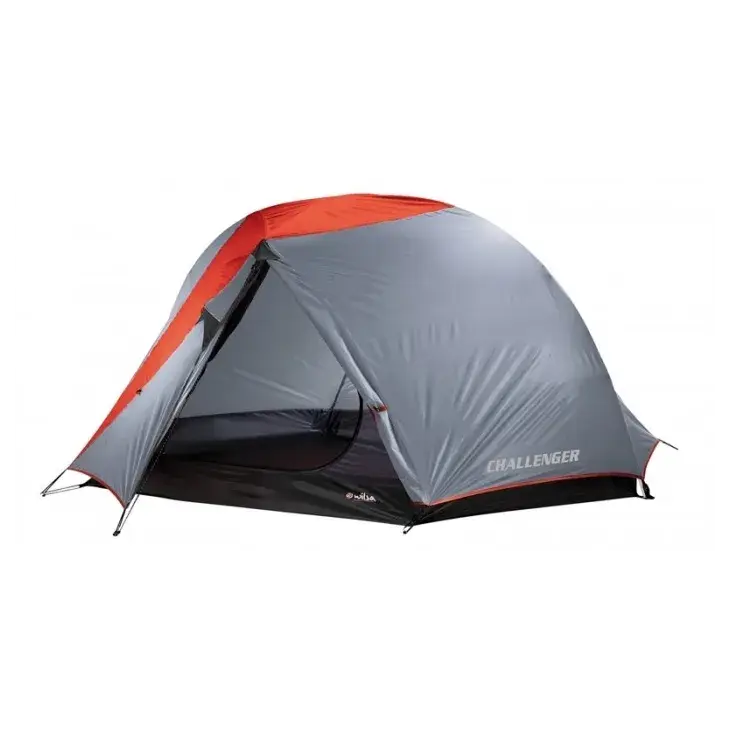
Challenger WILSA
1,980 g

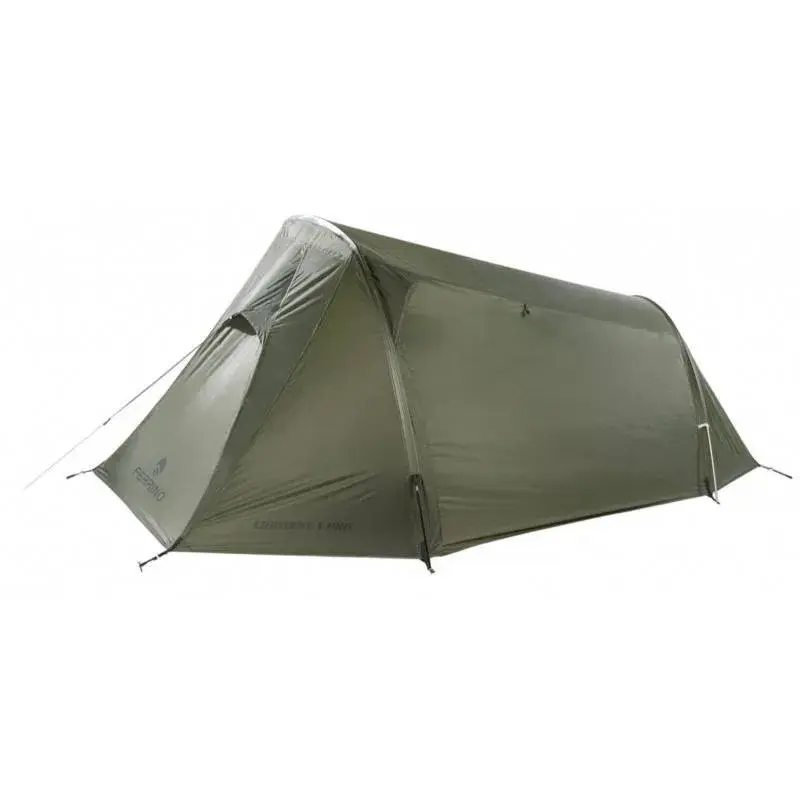
Lightent 2 Pro FERRINO
2,160 g

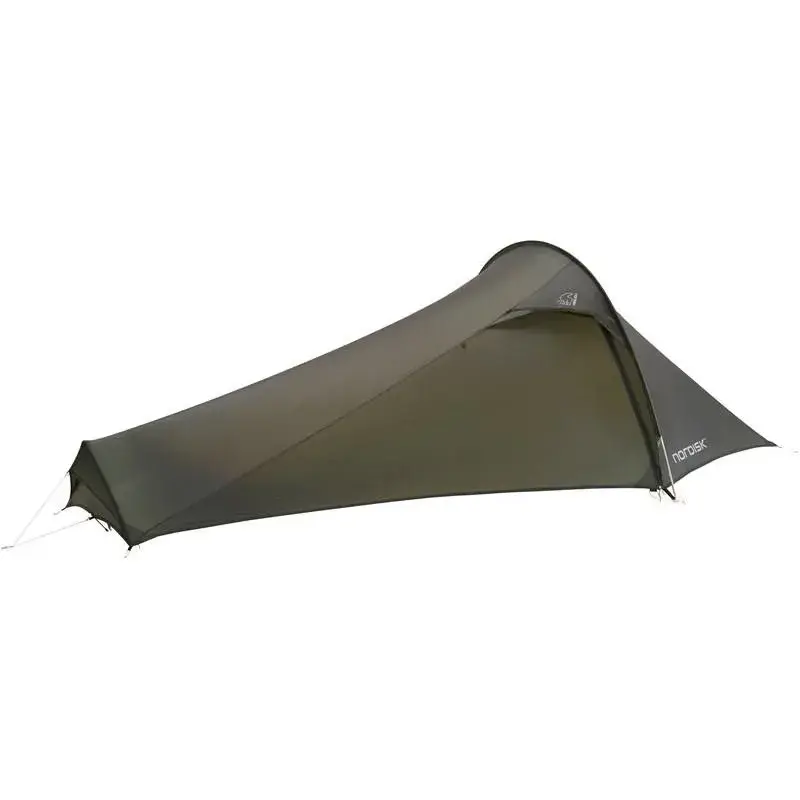
Lofoten 2 ULW NORDISK
725 g


3- Resistance to the elements: waterproofing and strength

The outer fabric's waterproofness is measured by a hydrostatic head rating, also called Schmerbers, expressed in mm; the same applies to the groundsheet. For the outer fabric, this generally ranges from 1,500 for lightweight fabrics to 6,000 mm for expedition fabrics.
 
Strength comes from material quality and tent construction. The toughest tents have several crossing poles to ensure better stability and wind resistance.
 
In bad weather, reinforce the pegging by tensioning the guy lines supplied with the tent.
We have grouped the equipment best suited to difficult conditions in our robust 3- and 4-season tents category. These feature strong, highly water-resistant fabrics, generally 5,000 to 6,000 mm, and a shape and structure that withstand wind and bad weather.

Our selection:


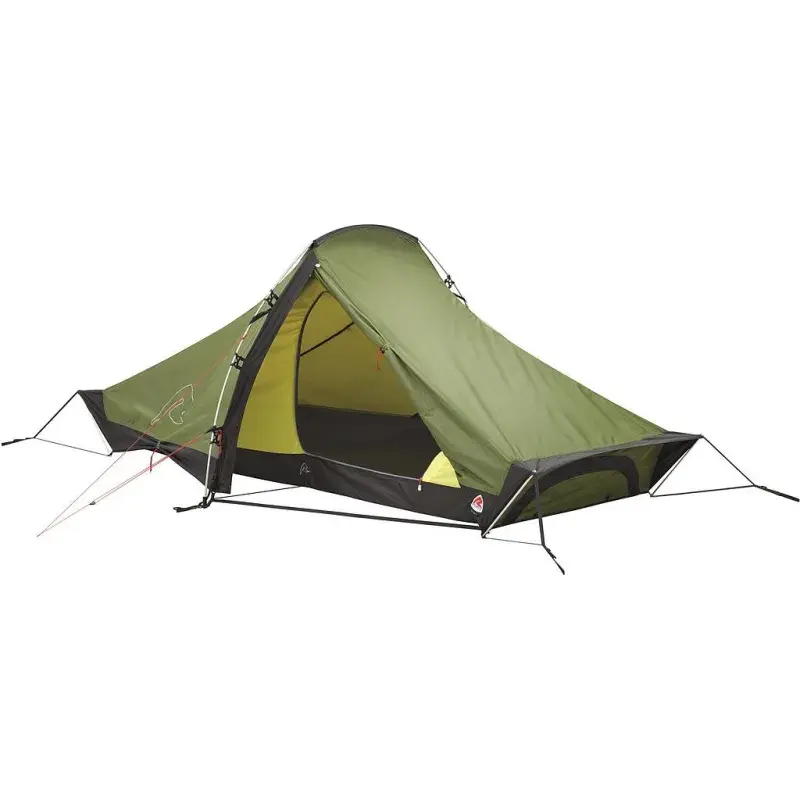
Starlight 2 ROBENS

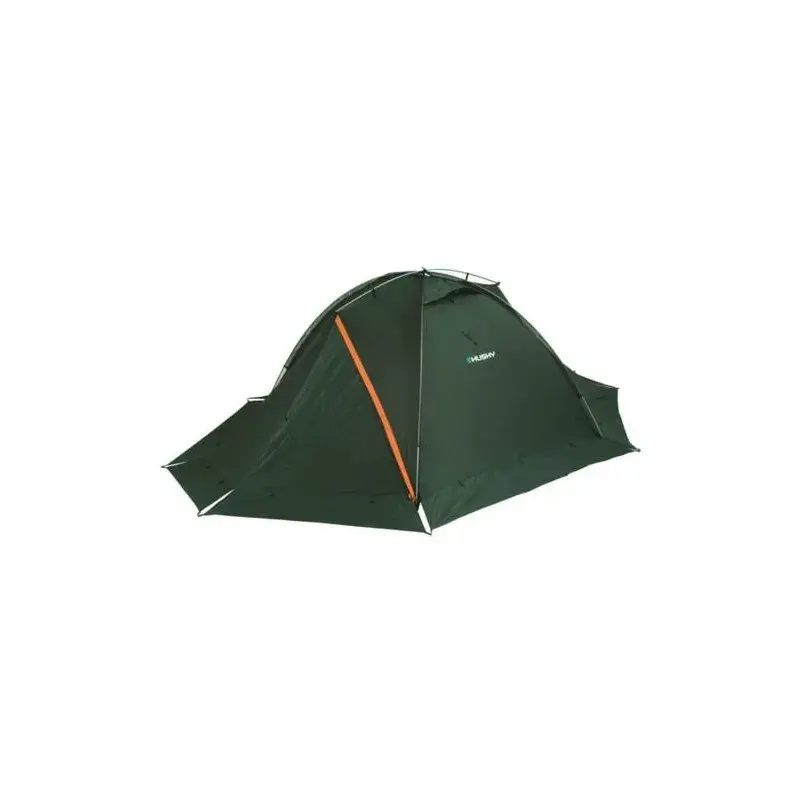
Falcon 2-3 HUSKY


    4- Comfort: floor area, height, porch and openings.
    A 1-person tent is generally very compact, with little room for equipment. A 2-person tent can accommodate two people, but space is limited, especially if packs must be stored inside.
    In practice:
    • for solo use, a 2-person tent offers real comfort
    • for two people, choose a spacious 2-person tent or a lightweight 3-person tent
    -> Do not underestimate the importance of space, especially in bad weather.

    Some also have porches for sheltered storage of packs and shoes.
    They sometimes have 2 doors for greater comfort when sharing. On lightweight tents, these are generally 2 side doors.
    comfort tents

    Our selection:

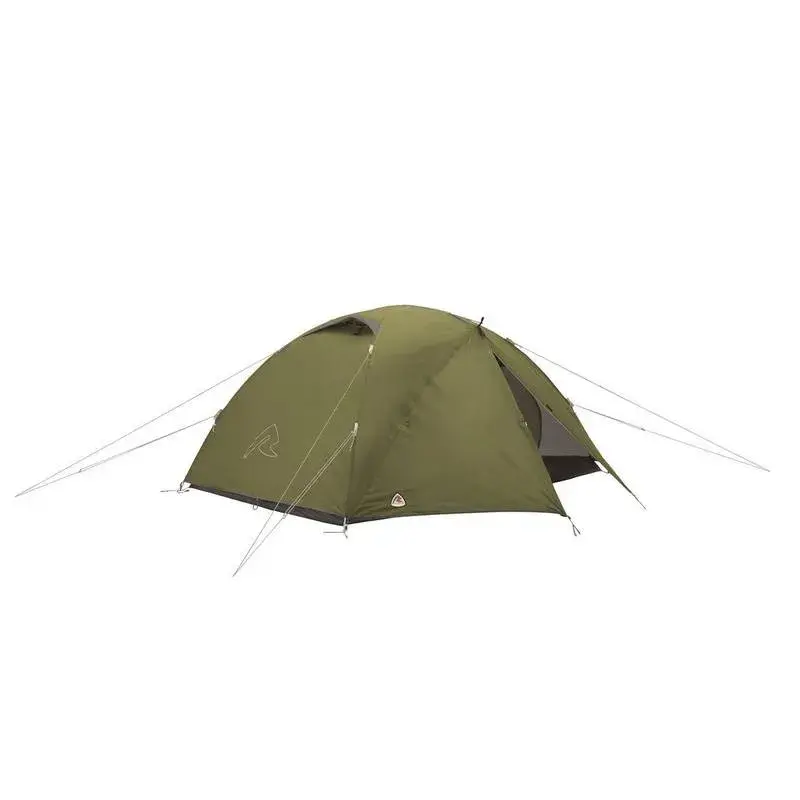
    LODGE 2 ROBENS
    2 porches, 2 entrances

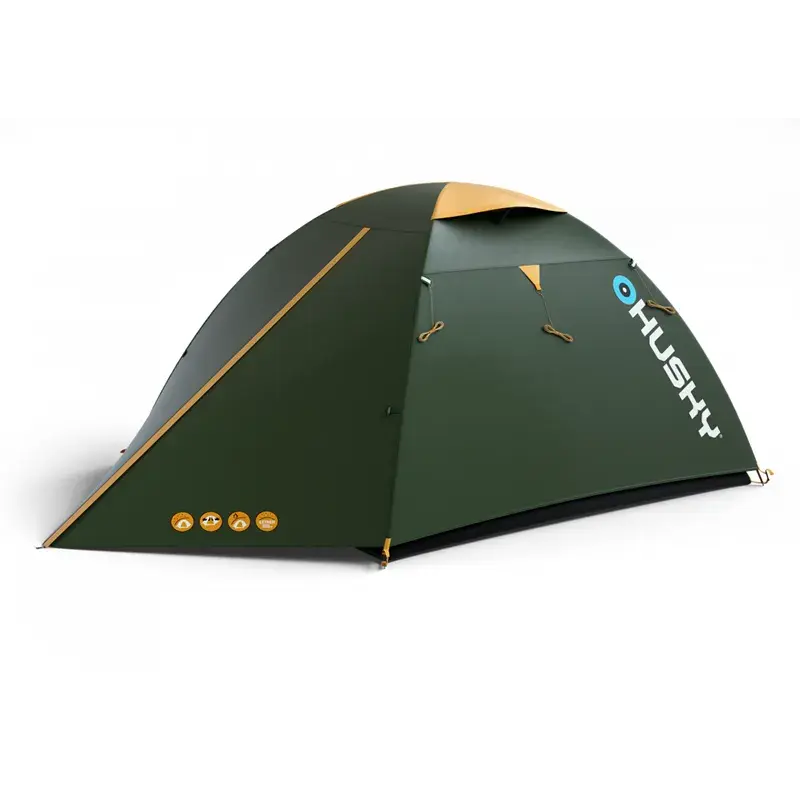
    BIRD 3 CLASSIC HUSKY
    3-person tent

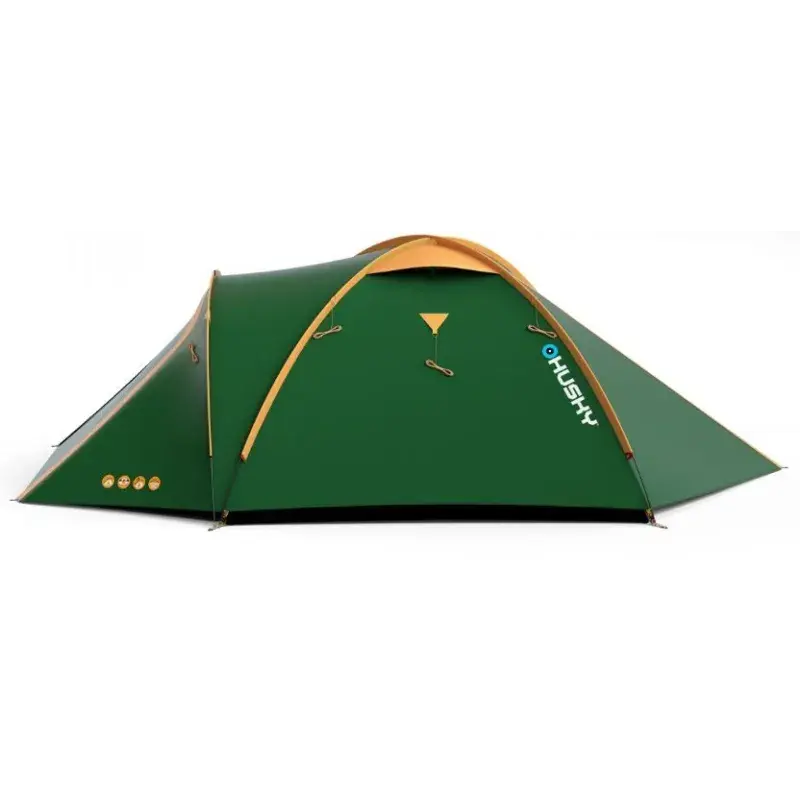
    BIZON 4 HUSKY
    4-person family tent 

    Pitching: an often underestimated criterion

    After several hours of walking, you do not want to spend 30 minutes working out how to pitch your tent.

    A good tent should be:

    • quick to pitch 
    • intuitive 
    • possible to pitch alone 
    • usable even in the rain 

    -> The simpler the pitching process, the more comfort and peace of mind you gain.

    Which tent for your activity?

    Not all tents meet the same needs. The right choice depends above all on how you use it.

    Occasional hiking

    If you camp occasionally, simplicity comes first.

    A tough, easy-to-pitch 2-person tent weighing around 2 kg will be ideal.

    Multi-day trekking

    Over several days, weight becomes a key factor, without neglecting durability.

    Ideally:

    • between 1.5 and 2 kg 
    • good waterproofing 
    • a reliable structure 

    Ultralight wild camping

    The aim is to reduce weight as much as possible.

    Ultralight tents under 1 kg improve performance, but often involve compromises on comfort or durability.

    Mountain hiking

    Conditions can be more demanding: wind, rain and rapid changes.

    Prioritise:

    • excellent wind resistance 
    • good waterproofing 
    • a strong structure 

    3-season or 4-season tent: which should you choose?

    3-season tents cover most uses: spring, summer and autumn. They are lightweight, well ventilated and suitable for most hikers.

    4-season tents are designed for more extreme conditions: snow, strong winds and cold. They are tougher, but also heavier.

    -> In the vast majority of cases, a 3-season tent is more than sufficient.

    Conclusion

    In conclusion, choosing the right hiking tent is above all about making choices that suit your activity. There is no universal model: a lightweight tent may not suit exposed mountain conditions, just as a very tough tent will be unnecessarily cumbersome for occasional summer wild camping.

    The key is to find the right balance of weight, protection, comfort and ease of use. A suitable tent should feel light in your pack: easy to pitch, resistant enough for the conditions you encounter, and comfortable enough for effective recovery.

    FAQ — Choosing your hiking tent

    Which tent for a multi-day trek?

    A tough, thoroughly waterproof tent weighing between 1.5 and 2 kg offers an excellent balance.

    How much should a hiking tent weigh?

    For a good balance:

    • solo: 1 to 1.5 kg 
    • two people: 1.5 to 2.5 kg 

    Freestanding tent or not?

    Freestanding tents are easier to use. Non-freestanding models are lighter but require more experience.

    What waterproof rating should you choose?

    A minimum of 2,000 mm is necessary, but 3,000 mm or more is recommended for greater peace of mind.

    Can you use a 3-season tent in the mountains?

    Yes, in most cases. You simply need to keep a close eye on the weather conditions.

    Which tent for starting out in wild camping?

    A tough 2-person tent that is easy to pitch and weighs around 2 kg is an excellent choice for beginners.

    Flysheet-first or inner-first pitching?

    The choice mainly depends on the weather. A flysheet-first tent keeps the inner tent dry during pitching. It is therefore better suited to rain and damp conditions, with quick setup.

    An inner-first tent is more appealing in dry weather. It offers better ventilation and can sometimes be used without its flysheet, but exposes the inner tent to moisture if it rains.

    Tunnel tent or dome tent?

    A tunnel tent is elongated, lightweight and offers generous internal space, often with a large porch. It is ideal for treks, but must be properly guyed out to stay stable.

    An igloo or dome tent is freestanding, easy to pitch and stable on all kinds of ground, even hard surfaces. It is more versatile but slightly less spacious for the same weight.

    Product comparison
    Compare
    Rayon Rando advice