
Summer cycle touring: managing heat and hydration
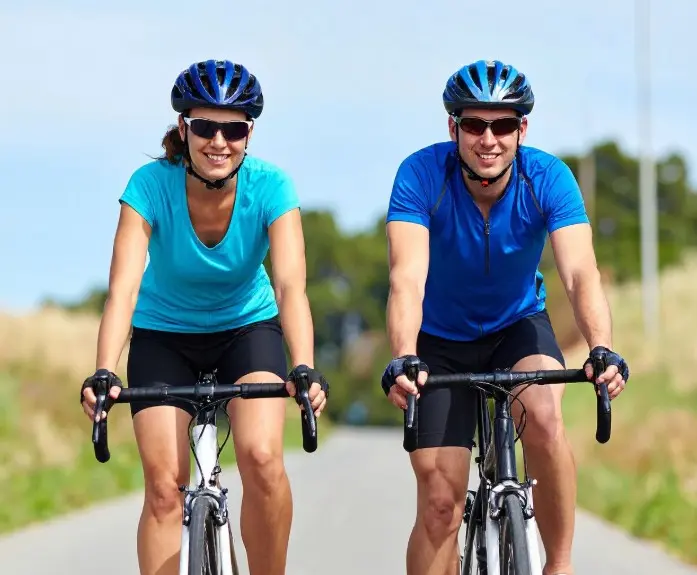
Summer is perfect for adventures on beautiful cycling trails. However, to cope with heat and stay well hydrated, you need good practices to preserve performance and comfort. This guide details the habits to adopt.
Discover how to recognise early dehydration symptoms and moderate effort according to heat. Cycling even in oppressive heat is possible with light clothing and appropriate tactics. Planning regular breaks helps you enjoy summer outings safely.
Modern hydration reservoirs and systems allow continuous hydration during long hot-weather cycling or hiking sessions. Choose a lightweight, antibacterial, easy-care hiking reservoir to manage heat and prevent dehydration effectively.
How much water should you drink when cycling in summer?
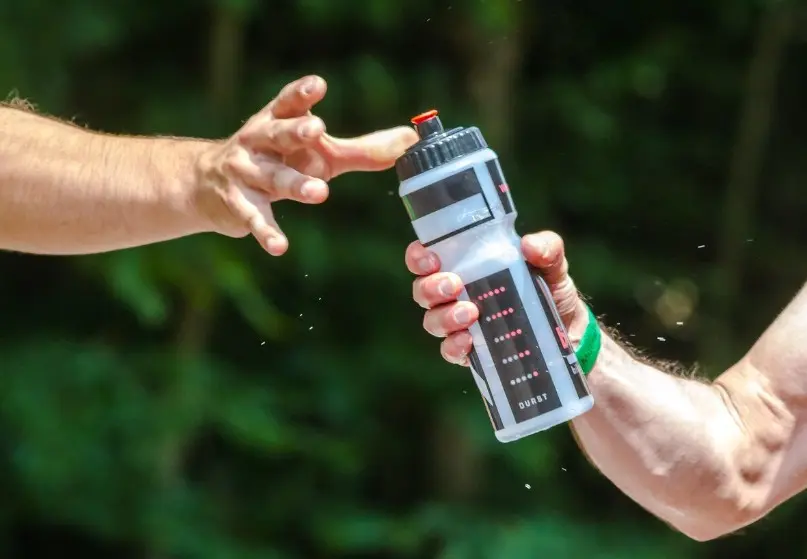
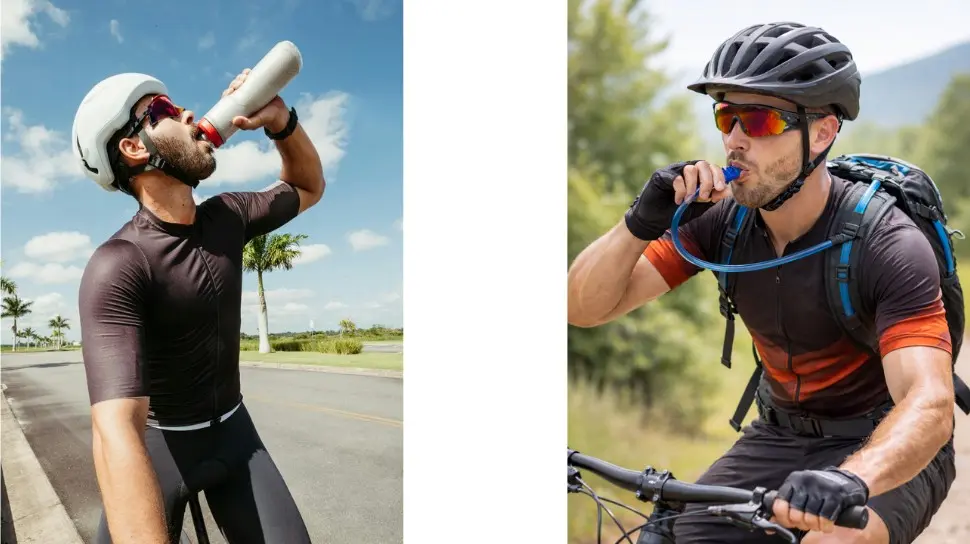
Drinking regularly is your best protection against dehydration when riding in high temperatures. Do not wait until you are thirsty, as this often means your body is already struggling. RayonRando.com explains how much to drink and how to recognise dehydration symptoms. We also recommend suitable equipment to avoid drinking warm water.

Optimal drinking frequency and volume during exercise
The water needed per cycling hour varies with effort intensity, outside temperature and your build. The golden rule is to drink 200 to 250 ml every 15 to 20 minutes, even without feeling the need. This broadly corresponds to 600 to 750 ml per hour. In extreme conditions, increase these amounts slightly for safety.
- Recommended hourly intake: aim for 600 to 750 ml of water or energy drink per hour in the saddle.
- Drinking frequency: try to drink every 15 to 20 minutes to maintain steady hydration.
- Without feeling thirsty: make yourself drink regularly even without thirst, as this warning often comes too late during intense exercise.
Isotonic drinks, rich in electrolytes such as sodium and potassium, are often more effective than plain water on long rides. They help slow dehydration, prevent cramps and stabilise fluid reserves. Red berry and caffeine hydration tablets and lemon hydration tablets are easy to carry and useful on long, hot days.
For a 2- to 3-hour ride, take at least 1.5 litres of water as a safety margin. Also identify water refill points in advance.
Avoid alcohol and overly sugary fizzy drinks before or during exercise, as they encourage dehydration and harm performance.

Choosing the right cycling hydration system
Two main options are available: a traditional insulated cycling bottle or a hydration reservoir with drinking tube. Both provide continuous hydration, ideal for long cycling or hiking days in the sun.
- For an insulated cycling bottle, RayonRando.com recommends the Arctica 75 insulated bottle.
Hydration reservoirs are light, bacteria-resistant and easy to clean when fitted with a large opening.
- For example, choose the Aquarius Pro 2.0 reservoir with its large opening or the Hoser 2 L with narrow-neck opening to minimise weight.
They fit backpacks with tube outlets, allowing you to drink regularly and avoid summer dehydration. Easy access matters: a convenient system encourages drinking without stopping.
A tip: after drinking, blow into your reservoir tube to clear the water. This avoids a warm mouthful next time.
Choose a 2-litre bottle or reservoir and clean it frequently to prevent microbial growth.
Finally, for long routes without refills, a light, durable extra container can help, such as the Watercell ST 6L water carrier or Watercell ST 10L water carrier.

Choosing the right cycling hydration system
Dehydration often develops subtly, without striking initial symptoms. Recognising early signs lets you act before it becomes critical. Even experienced cyclists must stay alert.
- Intense thirst and a dry mouth: the first sign that the body already has a water deficit.
- Unusual fatigue and heavy legs: your muscles are beginning to lack oxygen and energy.
- Dizziness or light-headedness: serious symptoms requiring an immediate stop, preferably in shade.
- Very dark urine or no sweating: reliable signs of advanced dehydration.
Overheating, particularly feeling intense heat around the head, requires an immediate stop to rehydrate and cool down. If confused, headachy or losing coordination, stop everything immediately. Move out of the sun and drink slowly in small sips, calmly assessing your condition. Remember that safety always comes before sporting performance.
When should you avoid cycling in summer?
Departure time greatly affects how your body copes with heat. Timing matters as much as hydration. Leaving early in the morning, for example, or waiting until late afternoon transforms your outing by limiting high-temperature risks. It is a fundamental safety strategy that preserves the pleasure of riding.

Plan rides around daily temperatures
Favour early morning starts, ideally before 9:00, or wait until evening, after 18:00, when light and heat fade. A good cycling heat-adaptation routine begins with careful timing. Avoid the heat peak between midday and 16:00, when the sun is highest and health risks rise considerably.
If the forecast exceeds 35°C with a high UV index, postponing your ride is wiser. This threshold is no accident: above it, even with excellent hydration, your body struggles to regulate temperature. Watch humidity too, as humid heat increases stuffiness and prevents sweat evaporating properly.
| Time slot | Average temperature | Heat risk | Recommendation |
|---|---|---|---|
| 6:00 to 9:00 (morning) | 15 to 22°C | Very low | Ideal for long rides |
| 9:00 to 12:00 | 22 to 28°C | Low to moderate | Acceptable with vigilance |
| 12:00 to 16:00 (peak) | 28 to 35°C+ | High to very high | Definitely avoid |
| 16:00 to 19:00 | 25 to 30°C | Moderate to high | Possible with careful hydration |
| 19:00 to 21:00 (evening) | 18 to 24°C | Low | Very favourable for exercise |
Adjust departure time to the forecast. A cloudy late morning can still be pleasant for cycling, while clear skies at 14:00 pose real danger. Check the weather the day before and plan accordingly.
Choose shaded, refreshing routes
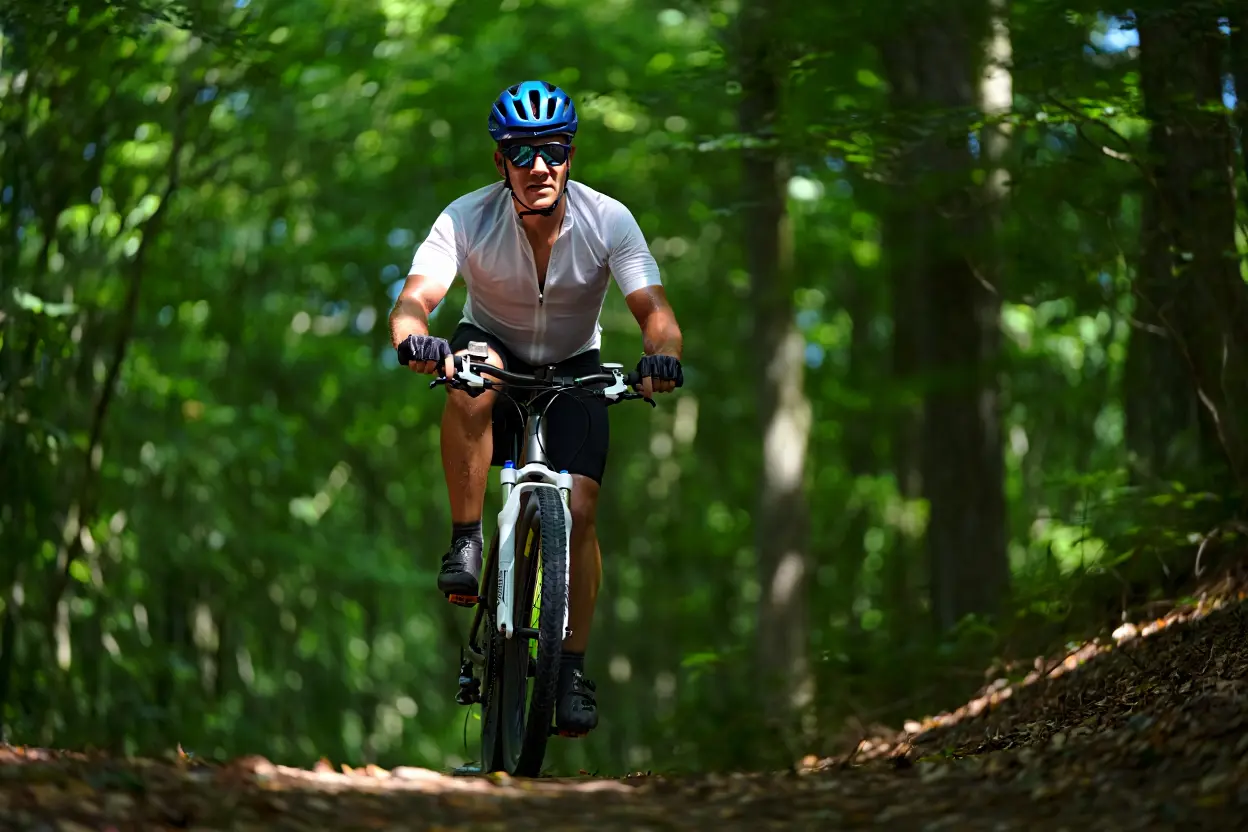
Your chosen route directly affects heat exposure. Wondering how to avoid overheating? Favour shaded routes through woodland, forests or valleys. Vegetation filters sunlight, offering temperatures 5 to 10°C lower than exposed roads.
- Forests and woodland: permanent shade and better natural ventilation.
- Near water: following a river or lake provides pleasantly cooler surroundings.
- Valleys and hollows: these tend to retain cool air and reduce direct sun exposure.
Identify sheltered places such as villages or forest edges for breaks. Stopping for 5 to 10 minutes in shade every half-hour lengthens the journey slightly but greatly improves recovery. To ensure drinking water during these stops, specialist equipment such as a Lifestraw straw or filter bottles is recommended for hiking water filtration.

Protect your head with suitable headwear
Good sun protection for head and face is essential for effective temperature regulation. In very hot cycling conditions, wear light, ventilated headwear. Choose a UV-protective cap with a broad peak to protect your neck and face.
Favour ventilated technical materials encouraging airflow around the scalp. Removable neck flaps are practical: detach in mild weather and extend in strong sun. Choose quick-drying technical polyester fabrics for comfort despite perspiration. A soft bucket hat also packs easily into a pocket for unexpected stops.
Managing effort and fatigue in high temperatures
Exercising in high temperatures requires careful pacing. Pushing too hard inevitably speeds overheating and dehydration. Start gently, then gradually increase intensity while listening closely to your body to preserve endurance.
Adapt your pace and plan regular breaks
Begin at a moderate pace before considering an increase according to your condition that day. Short, frequent shaded breaks are key to managing hot-weather cycling fatigue. Adjust to actual temperature rather than rigidly following a predetermined programme.
Repeated short stops benefit your body more than one long break. They help stabilise core temperature and provide ideal opportunities to drink regularly. Use them to check urine colour and assess your general condition.

Monitor heart rate during exercise
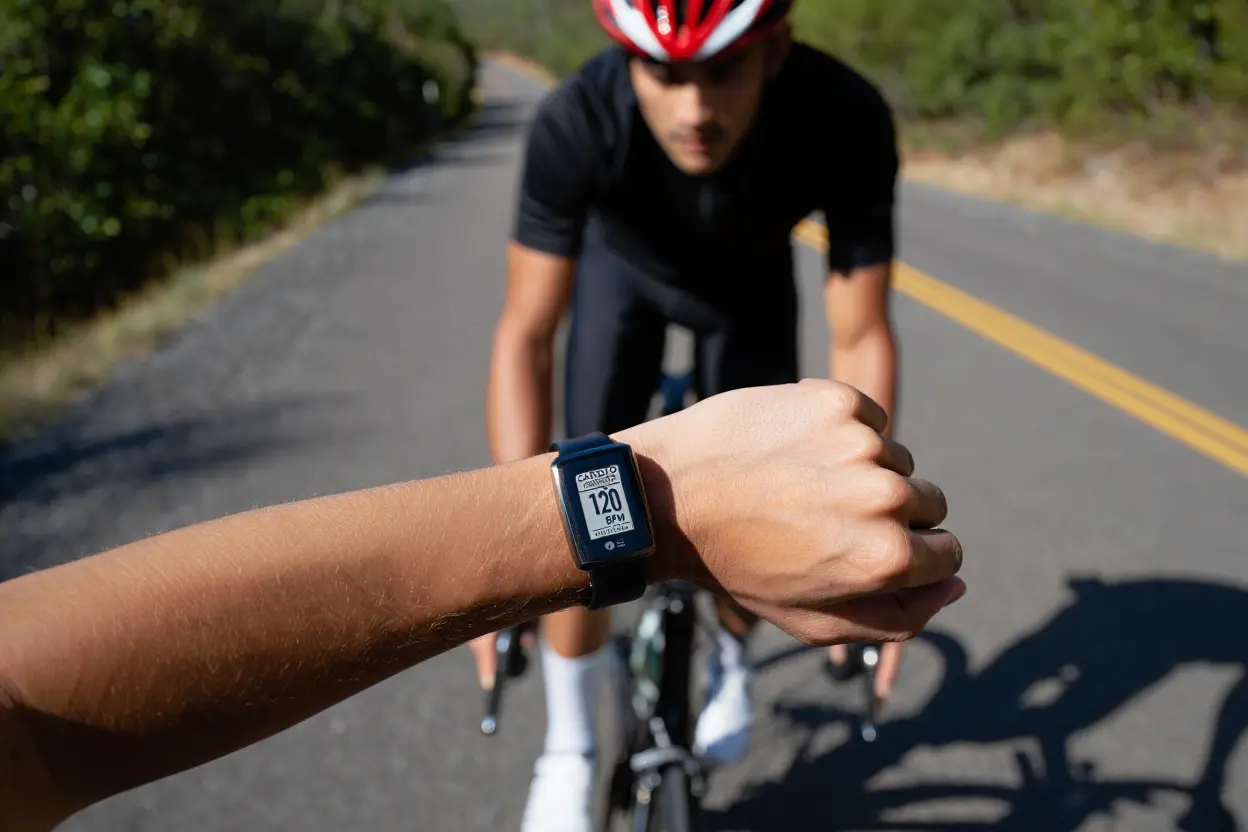
Heat naturally raises heart rate even without greater exertion, as your heart works harder to cool your body. Cycling at 35 degrees therefore requires careful monitoring with a connected watch.
- A heat-adjusted zone: focus on sensations rather than a number. Heart rate should stay moderate and breathing comfortable.
- Warning sign: if your pulse accelerates without obvious reason, slow immediately to avoid overheating. Stop at the first signs, find shade and hydrate well.
Moderating effort reduces heat stress and ensures you finish your ride feeling well.
Equipment to avoid overheating
Equipment choice is crucial for managing perspiration and staying safe. Suitable technical clothing wicks sweat and helps regulate body temperature. Always favour light, breathable clothes that do not absorb moisture, unlike cotton.
- Ideal materials: technical polyester or merino wool, known for their moisture-evaporating properties.
- Light colours: white and grey reflect sunlight better than black.
- Suitable fit: slightly loose clothing improves natural ventilation without restricting movement.
- Sun protection: UV-protective fabric or sunscreen prevents burns that worsen the feeling of heat.
Remember to apply SPF 50+ sunscreen to exposed areas, such as your neck and arms. Sunburn raises core temperature and needlessly drains energy reserves. On hot rides, reapply every two hours for optimal protection. Cooling techniques such as a damp headband also provide welcome relief during breaks. Following these basics keeps cycling enjoyable.

Sleeping under the stars: benefits and precautions
Many hikers want to sleep outdoors without a tent but hesitate. Yet sleeping under the stars lets you travel lighter, simplify camp setup and above all enjoy nature fully.
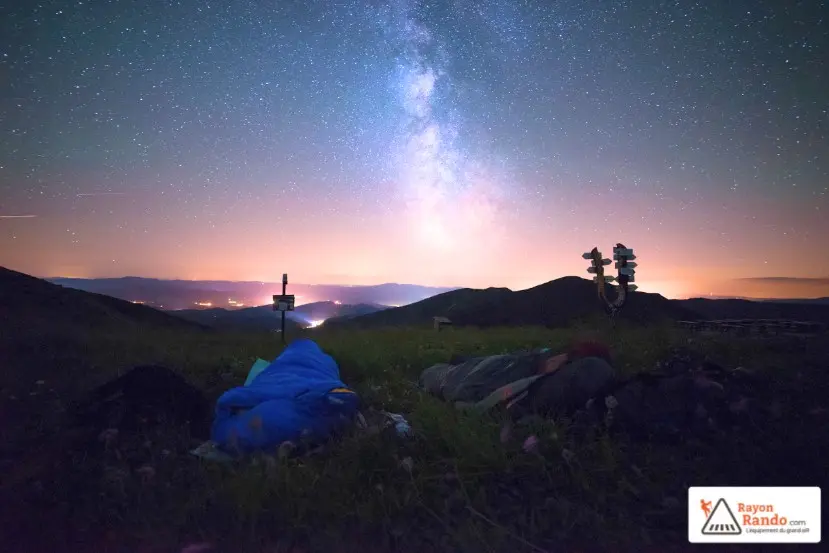
At RayonRando, our best experiences were in the desert, with no light pollution, an exceptionally bright starry sky and complete silence, and in Norway, immersed in wilderness beneath an almost nightless sky.
But some preparation is needed. Wind exposure, night-time moisture and falling temperatures can quickly turn a beautiful experience into a difficult night.
Suitable equipment, a good spot and essential precautions: RayonRando explains how to sleep under the stars in good conditions.
What are the benefits of sleeping under the stars?
Sleeping under the stars means sleeping outdoors without a tent, generally on multi-day summer hikes in stable weather.
Many hikers choose it for simplicity and low weight.

A lighter backpack
Without a tent, pack weight drops substantially. Depending on equipment, you may save 1 to 2 kg. You remove a tent, around 2 kg for example, but may add a warmer sleeping bag, tarp or bivvy bag.
Especially welcome:
- on minimalist treks
- when you can no longer, or do not want to, carry much, improving freedom of movement and reducing fatigue.
Very quick, simple setup
It is both quick and easy:
- Quick: no tent to pitch, so camp is ready within minutes. You can stop later, shortly before sunset if necessary. Packing up in the morning is quick too.
- Easy: the smaller footprint lets you settle almost anywhere, without needing tent floor space plus suitable ground for pegs and guylines. A flat area of just 60 by 200 cm is enough for comfort.
Total immersion in nature
Beyond ease, simplicity and low weight, sleeping under the stars offers complete immersion in nature.
A unique experience:
- watching the night sky without nearby light pollution while lying in your sleeping bag is fascinating and soothing, something everyday life rarely offers.
- hearing nature and feeling the air without a tent enclosure creates a unique connection with the outdoors.
- Going to bed early and waking with daylight resets a circadian rhythm closer to our biological clock.
For many hikers, it is one of camping's most memorable experiences.

What are the limitations and risks?
Camping without a tent leaves you more exposed to the elements. With poor preparation or conditions, it can become unpleasant or dangerous.
Atmospheric conditions are the main constraint
Night-time moisture
Even in fine weather, morning dew can dampen your sleeping bag. When air is humid, falling night temperatures produce sometimes substantial condensation.
Wet areas, watersides and valley bottoms intensify it.
Wind
Without shelter, wind quickly lowers perceived temperature.
A sheltered spot becomes essential. Even without severe cold, a cold draught can wake you if your face is exposed.
Rain
Without a backup shelter, rain can become a major problem in the middle of the night.
Cold
Generally easier to anticipate, cold is also vital to consider. Dry cold is relatively manageable; damp cold most affects thermal comfort.
In summary, weather dependence requires planning and caution.
Sleeping under the stars works best when:
- weather is stable and predictable
- no showers or thunderstorms are forecast
- wind remains moderate
- the air is dry
Insects and small animals
Depending on region and season, mosquitoes and insects can be troublesome. Head nets or nets adapted to sleeping bags help limit the problem.
Do not forget small and large animals that already visit tents: mice, foxes, raccoons, fennecs… bears! Avoid certain areas and store food, toothpaste and soap well away from camp.

Duration: a risk factor
A three-day trip in good weather with a stable forecast is relatively safe. A 10-day trip exposes you to weather deterioration that cannot be assessed.
When uncertain, or on a long trek, plan a backup shelter.
For example, a Scottish trek with high rain risk, humidity and terrible midges seems poorly suited to sleeping under the stars. A desert trek, with dry weather and an exceptionally bright sky, is a fabulous opportunity instead.
What equipment for sleeping under the stars?
Without a tent, suitable equipment is essential for a good night.
The sleeping bag
The central camping item. For advice, read RayonRando's “How to choose your sleeping bag”. Without a tent, exposure to cold, especially damp cold, increases, requiring a significantly warmer bag than you would use inside a tent.
Also favour synthetic fill over down, as it remains effective when damp.

The hiking mat
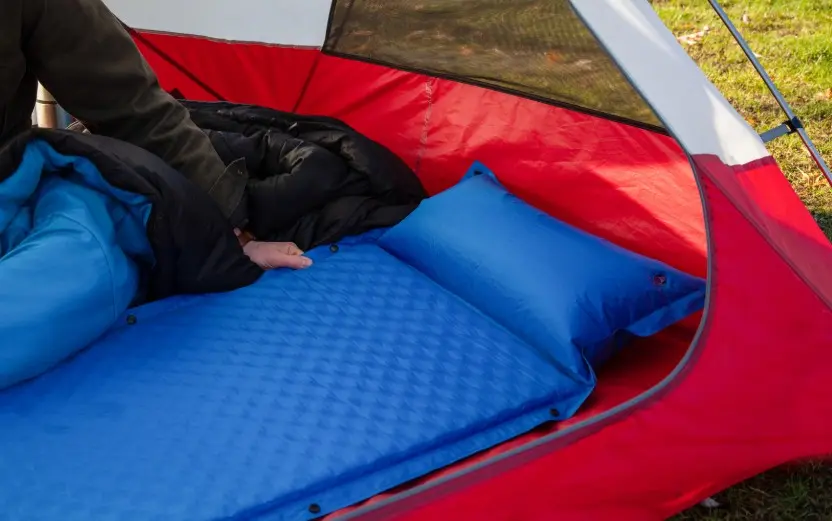
The mat has two essential roles: comfort and thermal insulation against the ground. Sleeping directly on uninsulated ground quickly causes heat loss. A mat remains essential even in summer.
A standard mat is 51 cm wide, so your arms extend beyond the sides. A groundsheet therefore helps protect you from vegetation and moisture.
A mat with adequate insulation (R-value>3) is also advisable against cold ground.

Survival blanket and rain poncho
Without other protection, the essential survival blanket or an unfolded rain poncho can provide extra protection against wind, cold and moisture.
The bivvy bag (optional)
A bivvy bag effectively protects against moisture, dew, wind and dirt. However, it can encourage condensation in the sleeping bag, causing some discomfort.
Some models are highly waterproof, providing extra reassurance.
Tarp (optional)
A tarp is a lightweight sheet pitched above your sleeping area. Depending on configuration, it serves as a simple windbreak or full rain shelter.
For pitching advice, see RayonRando's article “How to pitch your tarp?”
A popular option for minimalist wild camping.
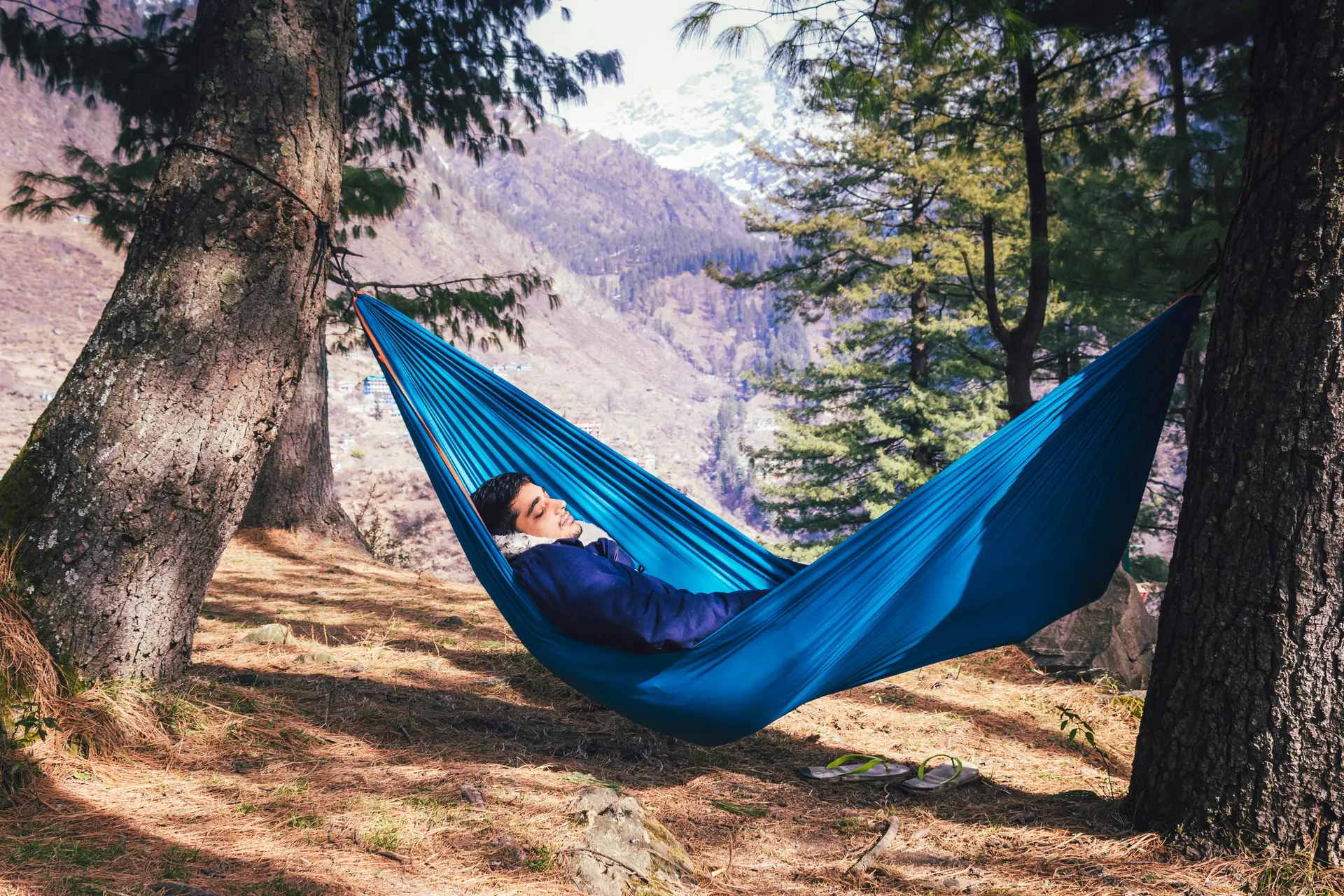
Hammock (optional)
This only makes sense where your route provides suitable trees every evening, limiting possible campsites. However, it is practical and comfortable, protecting against ground moisture while increasing wind exposure.

How to choose a good spot for sleeping under the stars?
Location greatly affects sleep quality. For more, read our article “How to find a wild camping spot on a trek?”
Without a tent, pay even closer attention to 2 elements:
Find a spot partly protected from the elements to compensate for lacking shelter:
- Avoid places where moisture collects: hollows, valley bottoms and watersides.
- Consider possible rainwater run-off. Seek slightly raised ground or an area without signs of past water flow.
- Stay sheltered from wind by rocks, terrain or vegetation.
- If conditions are colder or damper than expected, descending 300 m to camp gains a few valuable degrees.
Where possible, have a backup option: if not a proper shelter, a natural cavity or dense vegetation.
Your small camping footprint needs little flat ground and makes finding some protection easier.

What precautions before sleeping under the stars?
A few simple habits help limit problems.
- Check the weather. Pay attention to forecast confidence.
- Check the forecast night temperature, but also expected humidity.
- Identify potentially damp areas along the route and avoid camping there.
- Adapt your sleeping bag to greater exposure.
- Add a tarp or bivvy bag according to weather uncertainty.
Plan a backup option if weather worsens: shelters or huts, but also escape paths for quickly descending from altitude.
Conclusion
Sleeping under the stars is one of hiking's simplest, most immersive experiences. Calm, a starry sky and harmony with nature make it invigorating.
Without a tent, equipment becomes lighter and setup almost instant.
But you remain more exposed. A good spot, suitable equipment and weather monitoring are key to fully enjoying a night outdoors.
With some preparation, sleeping under the stars can quickly become an essential camping pleasure.
Livestock guardian dogs and their flocks…
Passing a flock guarded by a livestock guardian dog on a mountain hike is a pleasant moment for some, while others dread it near animals that can reach our height. But fear is often triggered by the dog.
This common mountain situation raises essential questions for hikers encountering a livestock guardian dog:
- How does a livestock guardian dog differ from a pet dog?
- Why is a guardian dog present among the flock?
- If it runs towards us barking, is it dangerous?
- What should I do if I meet one?
We answer these questions to dispel misconceptions and help make the encounter a calm one.
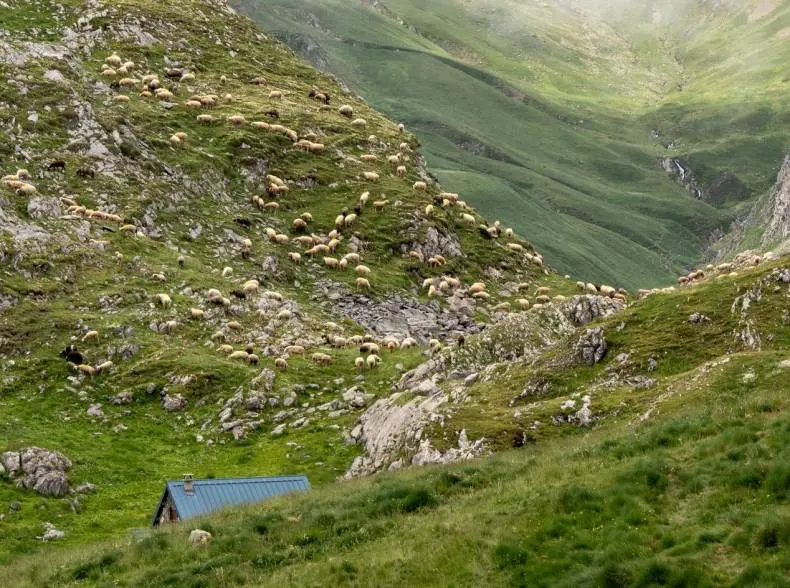
How does a livestock guardian dog differ from a pet dog?
The main difference is its remarkable ability to protect the flock, partly genetic but mainly developed through attachment and training by the farmer or shepherd.
A guardian dog is closely attached to its flock from a very young age. Born and living among the animals, it forms an emotional bond and naturally wants to defend its family.
It is also highly independent, unlike a herding dog responding immediately to the shepherd. This attachment and independence often make intervention difficult in a confrontation.
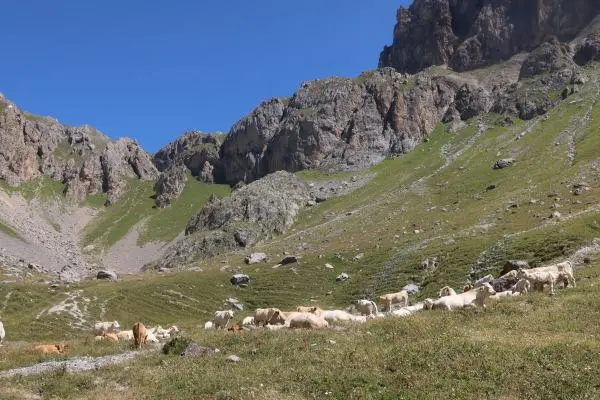
Why is a guardian dog present among the flock?
You sometimes encounter flocks without any sheepdog. But often mountain guardian dogs are present, watching day and night. They are there for flock safety, not to attack everything that moves.
For a farmer, the flock often represents a whole life. Each animal has both financial and sentimental value. Losses can significantly affect their livelihood and life. Consult our detailed resources to understand guardian dogs further.
The threats facing flocks are varied: bears, wolves or humans. Ensuring safety and tranquillity against these predators is essential, which is where the guardian dog intervenes. A flock offers a wolf so much food that excitement may lead to killing beyond its needs. Farmers therefore need guardian dogs to deter predators and protect the flock.
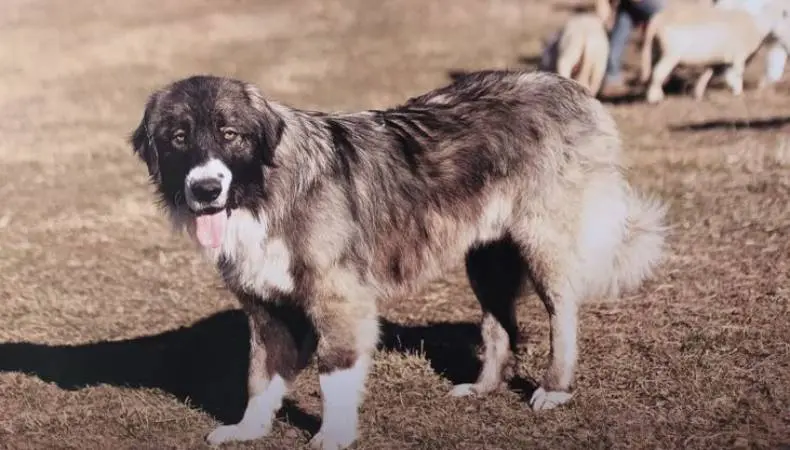
If it runs towards us barking, is it dangerous?
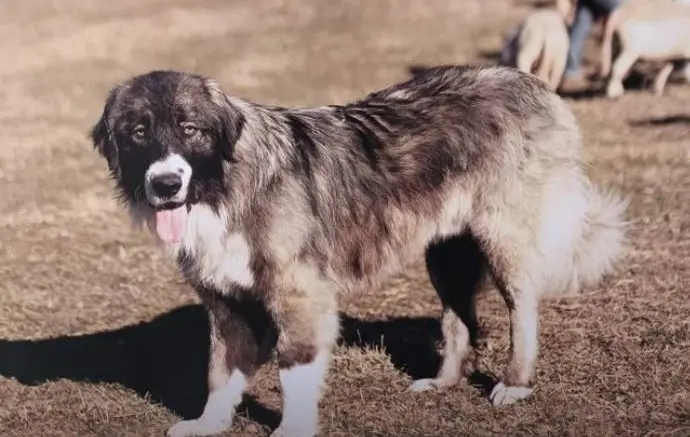
However impressive they look, guardian dogs such as the famous Patou, Kangal or Anatolian Shepherd are trained to deter intruders from the flock, rather than attack.
It is not an attack dog, but neither is it a pet. So do not try playing fetch to lighten the mood…
Its imposing build alone deters potential predators or intruders. But if you get too close to the flock, it responds with powerful barking to halt your progress. It indicates the boundary you must not cross.
A direct confrontation may occur only if the intruder continues towards the flock or acts aggressively.
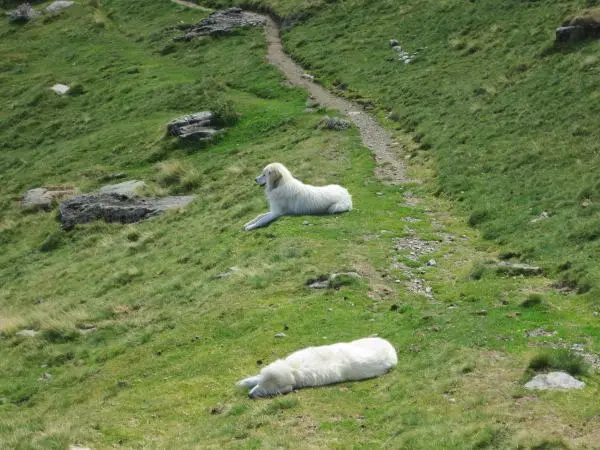
What should you do if you encounter a livestock guardian dog?
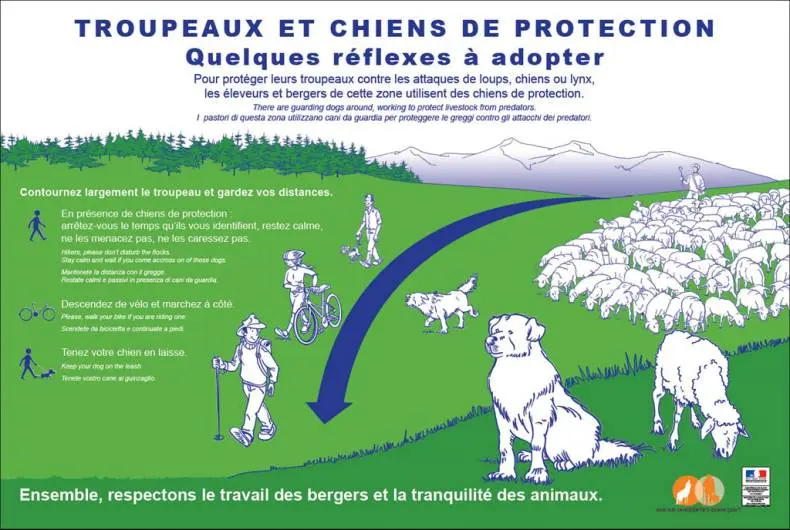
Most accidents result from inappropriate human behaviour towards the dog.
From first seeing the flock to possible contact with the dog, here is how to behave to continue your hike calmly:
- Give the flock a wide berth wherever possible. This often avoids confrontation, and leaving the beaten track can be enjoyable.
- If going around is difficult, make the dogs aware of you. They work actively at night and sometimes rest during the day, so avoid startling them asleep. Making yourself heard from afar will not cause panic: the dog will bark and approach.
- Remember this large dog comes to deter but also identify you. It can distinguish whether you are a threat.
- As it approaches, stop and face it, but avoid eye contact, which may be interpreted as a challenge. Speak calmly, praising its protective work. To stay calm and maintain distance, put an object between you and the dog, such as a jacket or cap. Holding it out lets the dog make contact via the object rather than directly with you.
- The dog will eventually recognise you as no threat and calm down. Then continue calmly.
Avoid these behaviours completely, as they may trigger confrontation:
- Walking towards the dog
- Throwing stones
- Shouting while staring at the dog
- Brandishing a stick threateningly
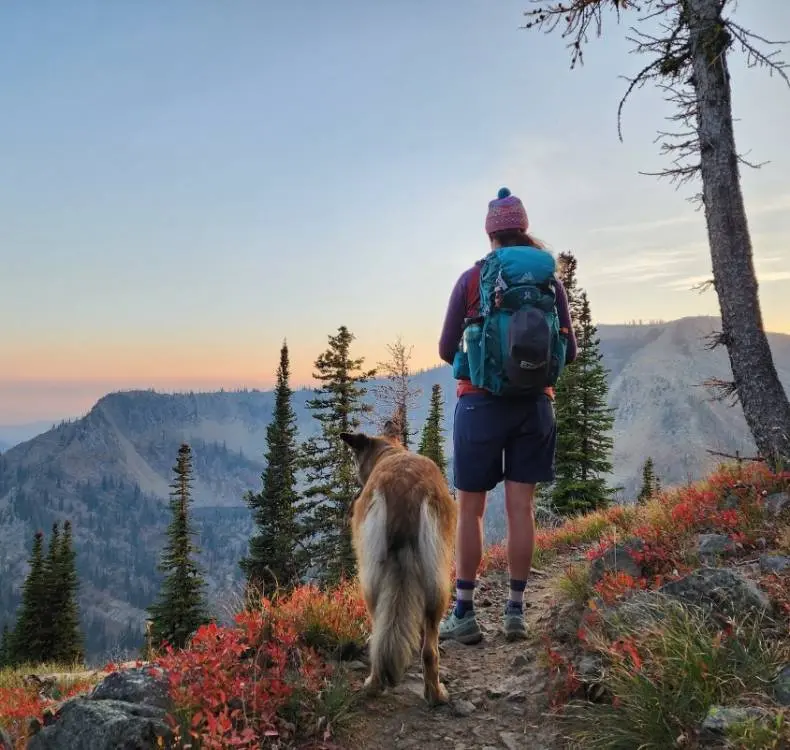
What if I am hiking with a pet dog?
A guardian dog may see your dog as a predator. Keep your dog on a lead, releasing it if an interaction occurs with the guardian dog. They will sort it out between themselves.
What if I must approach a flock without a guardian dog?
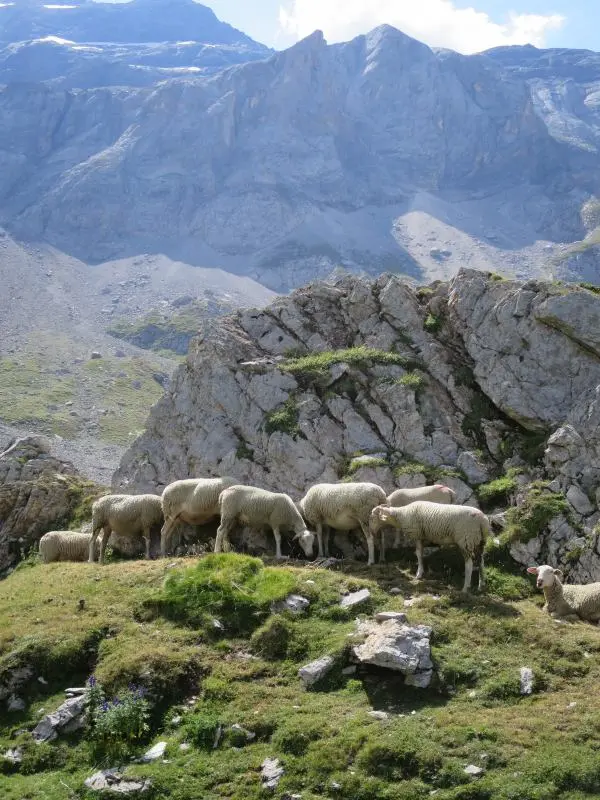
With or without a guardian dog, remember animals dislike being stressed.
Walk calmly, go around if possible and avoid surprising them. Some situations require extra vigilance:
- A bull present: give it a very wide berth.
- A cow with a calf: go as far around as possible.
Conclusion:
Meeting a guardian dog and flock is likely to go well when you understand why the dog is there, how it behaves and how to act.
Calm, composed and appropriate behaviour lets hiker and animal understand each other and avoids tension. Show that you are a peaceful, respectful hiker simply passing through.
You can, however, look the shepherd in the eye without offering your cap: if not busy, they generally enjoy chatting.
Receive RayonRandoZine:
Clear, concise articles:
- Practical advice
- First-hand experiences
- Technical advice
- Route guides & destinations
- Books on hiking and long-distance journeys...
You will receive 1 free magazine a month for 12 months.
No advertising. No marketing emails.
We would like your feedback:
If you have 3 minutes, tell us what you thought of this issue. It will help us improve future issues: Share my feedback