Which carrying system for my backpack?

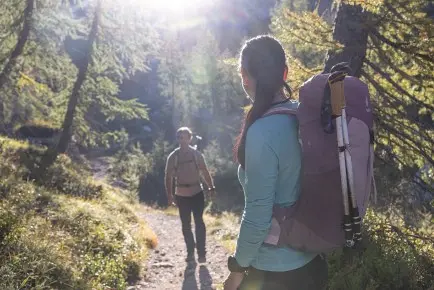
A hiking backpack, essential equipment for any hiker or traveller, can be chosen according to many criteria. But comfort should remain the priority, which means focusing on the carrying system. This consists of several components:

  • The frame
  • The back panel type
  • The hip belt type
  • The shoulder strap type

In this article, we explain the characteristics of each component and which carrying system to choose for your hiking activities.

Do you need a 1-person or 2-person tent for solo wild camping?

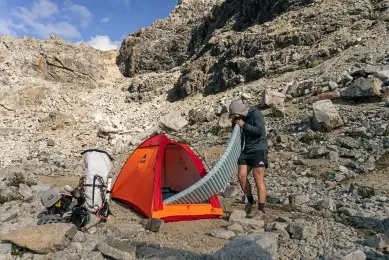
You are setting off alone on a multi-day trek or cycling trip with wild camping. Or travelling in a group, with everyone carrying their own tent. In these 2 situations, hesitating between a 1-person and a 2-person tent is perfectly reasonable.
Although a 1-person tent may seem the most natural choice, it often raises questions.
Is a 1-person tent too small? You may wonder about space, confinement and overall comfort.
Is a 1-person tent worthwhile? By definition, it is limited to one hiker. You may question whether it suits your long-term use or whether you will need to invest in a larger tent later.

To help you choose between these 2 options, RayonRando presents the features to consider for comfort, practicality and carrying. Then we explain how to prioritise your choices according to your circumstances.

How to choose between high-cut and low-cut footwear?

Sometimes the choice between low-cut hiking shoes and high-cut hiking boots is obvious: low-cut shoes suit a gentle lowland walk, while high-cut boots are ideal for a long, self-sufficient trek over difficult terrain.

In other situations, more thought is needed. Choosing between low-cut hiking shoes and high-cut boots depends on several factors. We also discuss mid-cut footwear at the end of this article.

Low-cut and high-cut hiking footwear: the characteristics

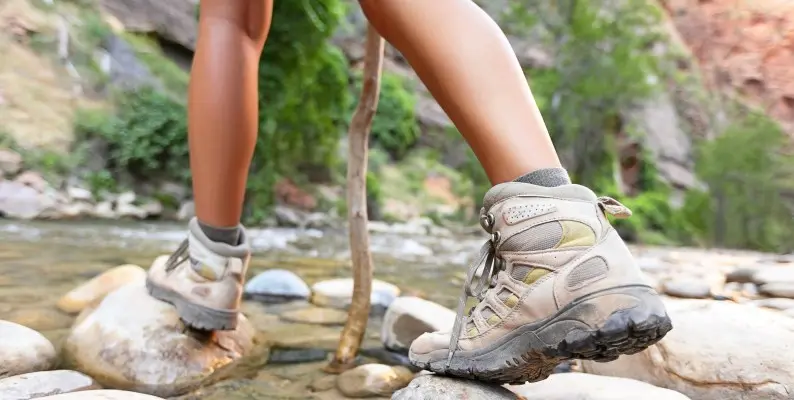
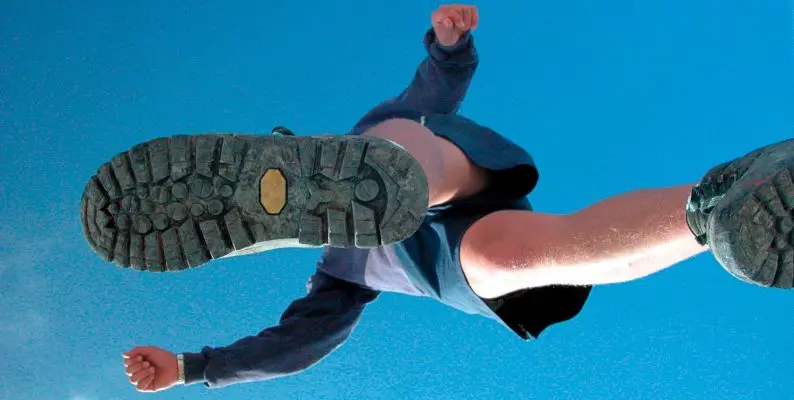
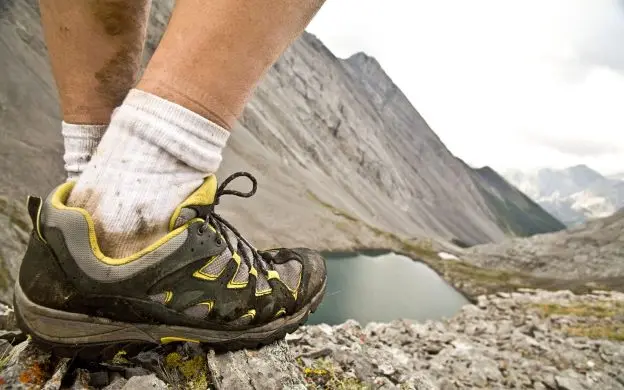
Low-cut hiking shoes stop below the ankle, like everyday or running shoes. This allows considerable ankle freedom of movement and an easy rolling stride. They generally give a feeling of lightness: you forget you are wearing them.

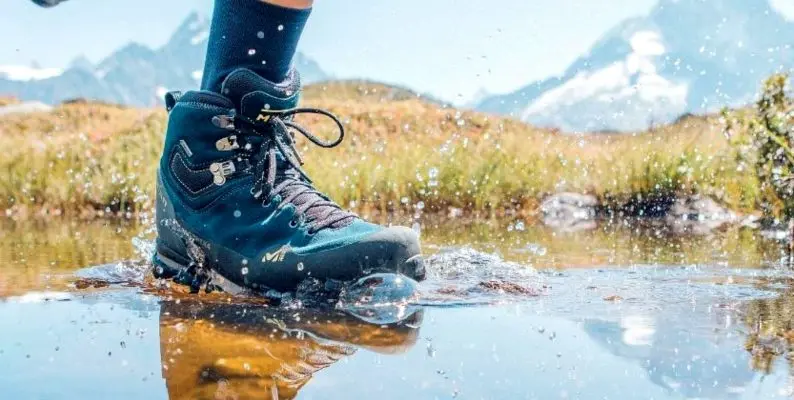
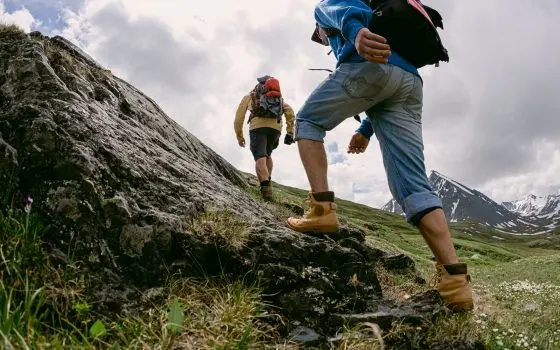
High-cut hiking boots are taller boots covering the ankle. They provide good foot and ankle support and a feeling of security and improved stability. Heavier than low-cut shoes, high-cut boots are nevertheless much lighter than 20 years ago, apart from the toughest models.

4 selection criteria:

Your joints:

If you have weak ankles, tend to twist them or experience joint pain in your ankles, knees or hips, high-cut boots provide greater stability and reduce strain on tendons and joints compared with low-cut shoes.

If, however, you have good foot stability, perhaps even experience of downhill running, low-cut footwear will be more comfortable, provided the other factors are favourable.

Load and duration:

Only carrying a picnic in a light backpack? If you hardly feel more loaded than in everyday life, low-cut footwear is suitable, provided the other criteria are met.

If you are also going for only 2 or 3 hours (hence the light backpack), low-cut shoes are even more appropriate.

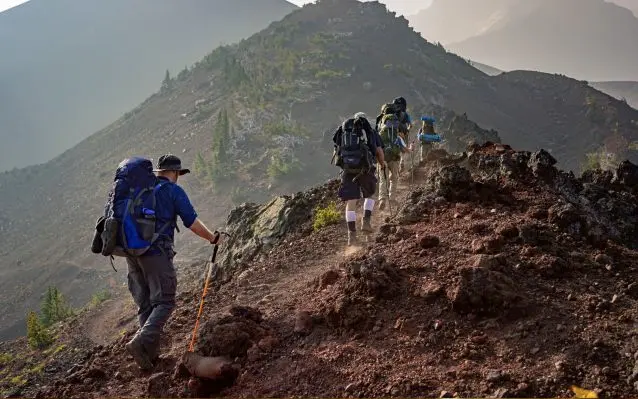
Carrying a heavily loaded high-capacity backpack? You feel much heavier than usual. This changes your centre of gravity and puts greater demands on joints, tendons and muscles. In that case, choose high-cut boots, unless you have exceptionally strong joints and relevant experience.

Going for several days, generally with a substantial load? Long days and accumulating fatigue justify high-cut boots for security and good foot support.

Terrain:

This is the final but most important criterion. On flat or rolling terrain with a regular, firm path, low-cut shoes make a rolling stride more pleasant.

On steep slopes, rough paths or loose rocks, high-cut boots come into their own, offering comfort, security and reduced fatigue.

What about mid-cut footwear?

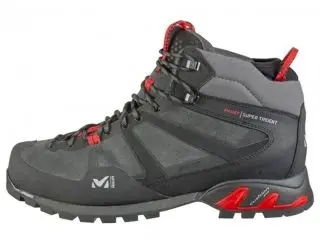
Mid-cut boots have shorter high-cut uppers, generally with 2 upper eyelets rather than the 3 of high-cut models. They offer the same advantages and limitations, but to a lesser degree. In practice, there is greater ankle freedom of movement, but less ankle support. However, foot support remains strong. Lighter than equivalent high-cut boots, mid-cut boots are ideal for those seeking extra security on easy terrain, or those with strong joints planning a long outing or more difficult terrain.

Men's mid-cut hiking boots Super Trident GTX Tarmac

Conclusion:

If you are unsure between high-cut and low-cut footwear, assess your personal position on these 4 criteria: strong or weak joints, heavy or normal load, short or long outing (both daily duration and consecutive days), smooth or rough terrain.

And if you instinctively favour low-cut shoes because you are unused to high-cut boots, remember that high-cut footwear is not a restriction but a source of comfort in all the situations explained here.


Still unsure? Call RayonRando.

Receive RayonRandoZine:

Clear, concise articles:

  • Practical advice
  • First-hand experiences
  • Technical advice
  • Route guides & destinations
  • Books on hiking and long-distance journeys...

Subscribe!

You will receive 1 free magazine a month for 12 months.

No advertising. No marketing emails.

We would like your feedback:

If you have 3 minutes, tell us what you thought of this issue. It will help us improve future issues: Share my feedback

Product comparison
Compare
Rayon Rando advice